Madison Cole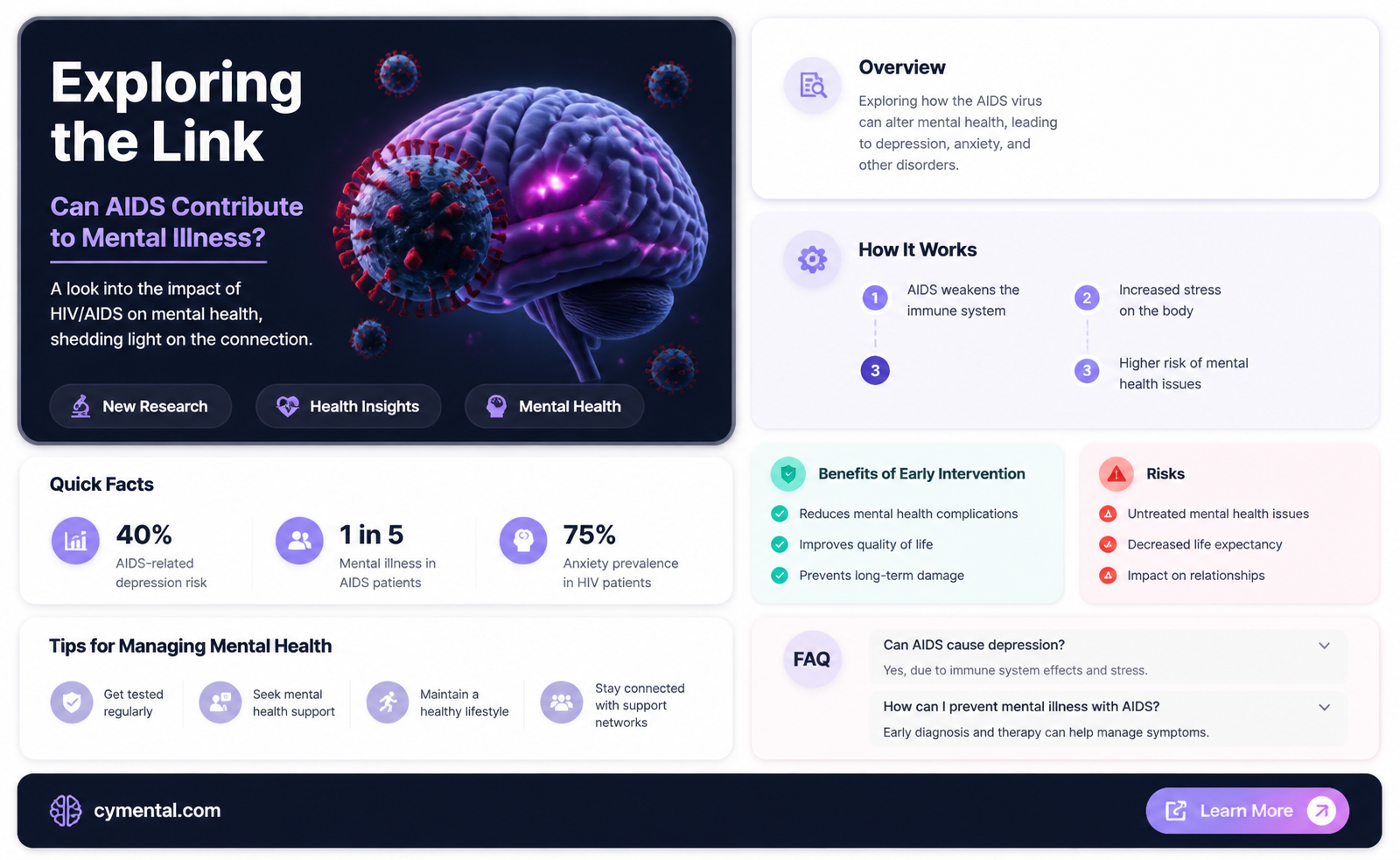
While AIDS (Acquired Immunodeficiency Syndrome) is primarily known for its physical health implications, there is growing recognition of its potential impact on mental health as well. Research suggests that individuals living with AIDS may experience a range of mental health issues, including depression, anxiety, and cognitive impairment. These challenges can stem from various factors, such as the chronic nature of the illness, the stigma and discrimination faced by those with AIDS, and the neurological effects of the virus itself. Understanding the relationship between AIDS and mental illness is crucial for providing comprehensive care and support to those affected by the disease.
| Characteristics | Values |
|---|---|
| Direct causation | No direct causation established; AIDS (Acquired Immunodeficiency Syndrome) is caused by HIV (Human Immunodeficiency Virus), which can affect mental health indirectly. |
| Indirect effects | HIV/AIDS can lead to mental health issues such as depression, anxiety, and cognitive impairment due to the physical and social impacts of the disease. |
| Neurological impact | HIV can affect the central nervous system, leading to conditions like HIV-associated dementia, which impacts cognitive function. |
| Psychiatric symptoms | Common psychiatric symptoms in people with HIV/AIDS include depression, anxiety disorders, and substance abuse issues. |
| Social stigma | The stigma associated with HIV/AIDS can exacerbate mental health issues due to isolation, discrimination, and fear of disclosure. |
| Treatment side effects | Some antiretroviral medications used to treat HIV can have side effects that impact mental health, such as mood changes and sleep disturbances. |
| Opportunistic infections | Certain opportunistic infections that occur in people with weakened immune systems, such as toxoplasmosis, can affect the brain and lead to mental health symptoms. |
| Research findings | Studies have shown a higher prevalence of mental health disorders in individuals with HIV compared to the general population. |
| Support importance | Access to mental health support and counseling is crucial for individuals living with HIV/AIDS to manage their symptoms and improve their quality of life. |
| Public health implications | Addressing the mental health needs of people with HIV/AIDS is essential for public health strategies aimed at improving outcomes and reducing the burden of the disease. |
What You'll Learn
- Neurological Impact: HIV can affect the brain, leading to cognitive impairment and mental health issues
- Psychological Stress: Living with AIDS can cause significant emotional distress, anxiety, and depression
- Social Stigma: Discrimination and isolation due to AIDS can exacerbate mental illness
- Medication Side Effects: Some AIDS treatments may have psychiatric side effects, contributing to mental health problems
- Comorbid Conditions: AIDS patients may experience higher rates of mental illness due to underlying health issues

Neurological Impact: HIV can affect the brain, leading to cognitive impairment and mental health issues
HIV, the virus that causes AIDS, is known for its profound impact on the immune system. However, what is less commonly discussed is its effect on the brain. HIV can lead to a range of neurological symptoms, including cognitive impairment and various mental health issues. This is often referred to as HIV-associated neurocognitive disorder (HAND).
The cognitive impairments associated with HIV can manifest in several ways. Patients may experience difficulties with memory, attention, and problem-solving. These symptoms can be subtle and may not be immediately noticeable, but they can significantly affect a person's quality of life. For example, someone with HAND may struggle to remember important appointments or have trouble following a conversation.
In addition to cognitive symptoms, HIV can also contribute to mental health issues. Depression and anxiety are common among people living with HIV. These conditions can be exacerbated by the stress of managing a chronic illness, the stigma associated with HIV, and the potential loss of social support. It's important to note that these mental health issues are not a direct result of the virus's impact on the brain but are often secondary to the psychological stress of living with HIV.
The mechanisms by which HIV affects the brain are complex and not fully understood. However, it is believed that the virus can enter the brain through the blood-brain barrier, leading to inflammation and damage to brain cells. This can result in the cognitive and mental health symptoms observed in HAND.
Treatment for HAND typically involves a combination of antiretroviral therapy (ART) to control the virus and medications to manage the specific symptoms. For example, antidepressants may be used to treat depression, while cognitive rehabilitation therapy can help improve cognitive function. It's crucial for people living with HIV to be aware of these potential neurological impacts and to seek medical attention if they experience any symptoms. Early intervention can significantly improve outcomes and quality of life.
Exploring the Link: Epilepsy and Mental Health in Adulthood
You may want to see also
Psychological Stress: Living with AIDS can cause significant emotional distress, anxiety, and depression
Living with AIDS can be an emotionally taxing experience, often leading to significant psychological stress. This stress can manifest in various forms, including emotional distress, anxiety, and depression. The chronic nature of the disease, coupled with the societal stigma and the physical symptoms, can create a fertile ground for mental health issues to arise.
One of the primary sources of psychological stress for individuals with AIDS is the uncertainty surrounding their future. The disease's unpredictable progression and the potential for opportunistic infections can lead to a constant state of worry and fear. This anxiety can be further exacerbated by the need for ongoing medical care and the possibility of hospitalization.
Depression is another common mental health issue faced by those living with AIDS. The physical symptoms of the disease, such as fatigue and pain, can contribute to feelings of hopelessness and despair. Additionally, the isolation that often accompanies AIDS, due to stigma and the loss of social support, can deepen depressive symptoms.
It's crucial for individuals living with AIDS to have access to mental health support. This can include counseling, therapy, and medication to manage symptoms of anxiety and depression. Support groups can also be beneficial, providing a sense of community and understanding.
In conclusion, the psychological stress associated with living with AIDS is a significant issue that requires attention and support. By addressing the emotional and mental health needs of those affected, we can help improve their overall quality of life.
Exploring the Link: Childhood Head Injuries and Mental Health
You may want to see also
Social Stigma: Discrimination and isolation due to AIDS can exacerbate mental illness
Individuals living with AIDS often face significant social stigma, which can manifest as discrimination and isolation. This stigma can have a profound impact on their mental health, exacerbating existing conditions or leading to the development of new mental illnesses. The fear of rejection and the experience of being ostracized can contribute to feelings of loneliness and despair, which in turn can worsen symptoms of depression and anxiety.
One of the primary ways in which social stigma affects those with AIDS is through the internalization of negative beliefs and attitudes. When individuals are repeatedly exposed to discriminatory behaviors and prejudiced views, they may begin to believe that they are inherently flawed or unworthy. This internalized stigma can lead to a diminished sense of self-esteem and self-worth, which are critical factors in maintaining good mental health.
Moreover, the isolation that often accompanies social stigma can limit access to essential support systems. People with AIDS may find it difficult to seek help from friends, family, or healthcare providers due to fear of judgment or rejection. This lack of support can make it challenging to cope with the physical and emotional demands of living with AIDS, further contributing to mental health struggles.
Addressing social stigma is therefore a crucial component of providing comprehensive care for individuals with AIDS. Healthcare providers, policymakers, and community leaders must work together to create environments that are free from discrimination and that promote inclusivity and understanding. By reducing stigma, we can help to mitigate its harmful effects on mental health and improve the overall well-being of those living with AIDS.
Unveiling the Mind: Mental Illnesses Behind Hallucinations
You may want to see also
Medication Side Effects: Some AIDS treatments may have psychiatric side effects, contributing to mental health problems
Antiretroviral medications, while lifesaving for those with HIV/AIDS, can sometimes have psychiatric side effects that contribute to mental health issues. These side effects can range from mild to severe and may include symptoms such as depression, anxiety, insomnia, and even suicidal thoughts. It is crucial for healthcare providers to monitor patients on AIDS treatments for any signs of psychiatric distress and to address these symptoms promptly.
One of the most common psychiatric side effects of AIDS medications is depression. This can be caused by several factors, including the direct effects of the medications on brain chemistry, the stress of living with a chronic illness, and the social isolation that many people with HIV/AIDS experience. Symptoms of depression may include persistent feelings of sadness, loss of interest in activities, changes in appetite and sleep patterns, and difficulty concentrating. If left untreated, depression can significantly impact a person's quality of life and their ability to adhere to their medication regimen.
Anxiety is another common psychiatric side effect of AIDS treatments. This can manifest as excessive worry, fear, or nervousness that interferes with daily activities. Some medications, such as efavirenz, have been specifically linked to increased anxiety and other psychiatric symptoms. It is important for healthcare providers to be aware of these potential side effects and to offer appropriate interventions, such as counseling or medication adjustments, to help manage anxiety in patients with HIV/AIDS.
In addition to depression and anxiety, some AIDS medications can also cause sleep disturbances, such as insomnia or vivid dreams. These sleep problems can further exacerbate mental health issues and impact a person's overall well-being. Healthcare providers should encourage patients to maintain good sleep hygiene practices, such as keeping a regular sleep schedule and creating a relaxing bedtime routine, and should consider prescribing sleep aids if necessary.
It is also important to note that the risk of psychiatric side effects may vary depending on the specific medications used and the individual patient's medical history and predispositions. Healthcare providers should carefully consider these factors when prescribing AIDS treatments and should monitor patients closely for any signs of psychiatric distress. By addressing these side effects proactively, providers can help improve the mental health and overall quality of life of their patients with HIV/AIDS.
Exploring the Link Between Mental Health and Menstrual Hemorrhages
You may want to see also
Comorbid Conditions: AIDS patients may experience higher rates of mental illness due to underlying health issues
AIDS patients often face a complex interplay of physical and mental health challenges. The presence of comorbid conditions, which are additional health issues that occur alongside AIDS, can significantly exacerbate mental illness symptoms. For instance, chronic pain, a common comorbidity in AIDS patients, can lead to depression and anxiety. Similarly, the side effects of antiretroviral medications can contribute to mental health disturbances.
The psychological impact of managing a chronic illness like AIDS can be profound. Patients may experience heightened stress levels, which can manifest as anxiety disorders or depressive episodes. Furthermore, the stigma associated with AIDS can lead to social isolation, compounding mental health issues. It is crucial for healthcare providers to recognize these comorbidities and address them holistically to improve the overall well-being of AIDS patients.
Research indicates that integrated care models, which combine physical and mental health services, are effective in managing comorbid conditions in AIDS patients. These models allow for a more comprehensive approach to treatment, ensuring that both the physical and psychological needs of patients are met. By addressing comorbidities, healthcare providers can enhance the quality of life for AIDS patients and improve their long-term health outcomes.
Unraveling the Link: Addiction and Mental Illness Explored
You may want to see also
Frequently asked questions
While AIDS itself does not directly cause mental illness, the HIV virus can affect the brain and lead to neurological symptoms. Additionally, the stress and stigma associated with AIDS can contribute to mental health issues such as depression and anxiety.
People with AIDS may experience a range of mental health issues, including depression, anxiety, post-traumatic stress disorder (PTSD), and cognitive impairment. These issues can be exacerbated by the physical symptoms of AIDS and the social stigma surrounding the disease.
Mental health issues can significantly impact the treatment and management of AIDS. For example, depression and anxiety can lead to poor adherence to medication regimens, which can reduce the effectiveness of treatment. Additionally, mental health issues can make it more difficult for individuals to cope with the physical symptoms of AIDS and the social challenges associated with the disease.
There are a variety of resources available to support the mental health of people with AIDS. These include counseling and therapy services, support groups, and mental health medications. Additionally, many AIDS organizations and clinics offer mental health services as part of their comprehensive care programs.