Lucas Bennett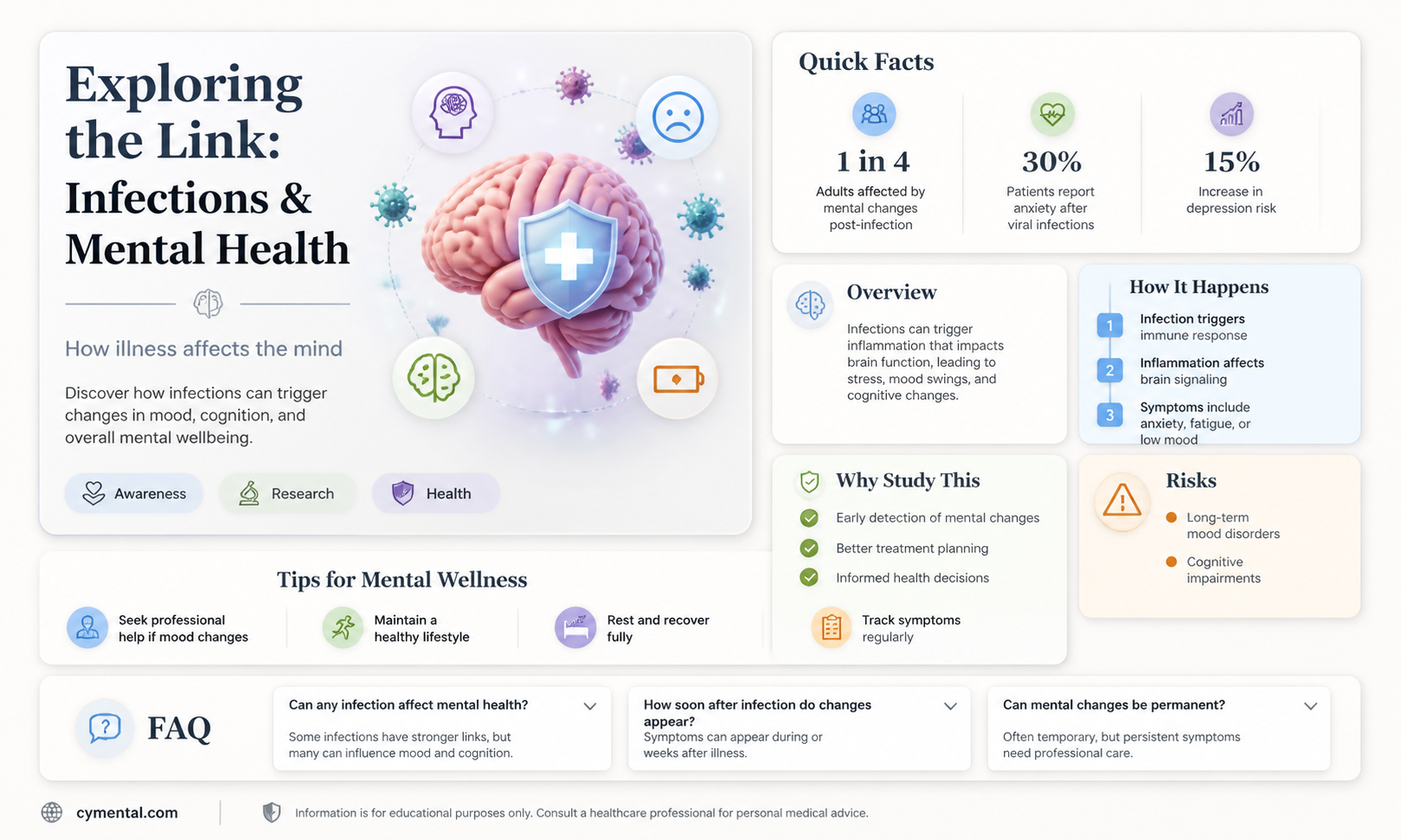
Infections can have a profound impact on mental health, often overlooked in the realm of physical health. When the body is infected, it triggers an immune response that can lead to inflammation, which in turn can affect the brain's function and chemistry. This can manifest as changes in mood, cognitive function, and overall mental well-being. For instance, studies have shown that infections like the flu can increase the risk of depression and anxiety. Moreover, chronic infections can lead to long-term mental health issues, such as fatigue, brain fog, and even psychosis in severe cases. Understanding the link between infections and mental health is crucial for holistic healthcare, as it emphasizes the need for a comprehensive approach to treating both the physical and mental symptoms of illness.
Explore related products





What You'll Learn
- Neurological Impact: Infections can directly affect brain function, leading to cognitive impairment and mood changes
- Inflammation and Mental Health: Chronic infections cause inflammation, which has been linked to depression and anxiety disorders
- Gut-Brain Connection: Infections in the gut microbiome can influence mental health through the gut-brain axis
- Psychological Effects: Fear and stress from infections can exacerbate mental health conditions like OCD and PTSD
- Treatment Side Effects: Medications used to treat infections can sometimes have psychiatric side effects, impacting mental well-being

Neurological Impact: Infections can directly affect brain function, leading to cognitive impairment and mood changes
Infections can have a profound impact on brain function, leading to cognitive impairment and mood changes. This is because the brain is highly susceptible to the effects of inflammation, which is a natural response of the body to infection. When the body is fighting off an infection, it releases various chemicals and proteins that can cross the blood-brain barrier and affect the brain's function.
One of the ways that infections can affect the brain is by causing encephalitis, which is an inflammation of the brain tissue. Encephalitis can lead to a range of symptoms, including fever, headache, confusion, seizures, and even coma. In severe cases, it can cause permanent damage to the brain and lead to long-term cognitive impairment.
Another way that infections can affect the brain is by causing meningitis, which is an inflammation of the meninges, the protective membranes that surround the brain and spinal cord. Meningitis can lead to symptoms such as fever, headache, neck stiffness, and sensitivity to light. In severe cases, it can cause brain damage and lead to long-term cognitive impairment.
In addition to encephalitis and meningitis, infections can also affect the brain by causing abscesses, which are pockets of pus that form in the brain tissue. Brain abscesses can lead to symptoms such as fever, headache, confusion, and seizures. In severe cases, they can cause brain damage and lead to long-term cognitive impairment.
The effects of infections on the brain can be particularly concerning in children and older adults, who are more vulnerable to the effects of inflammation. In children, infections can lead to developmental delays and learning difficulties, while in older adults, they can exacerbate existing cognitive decline and increase the risk of dementia.
It is important to note that while infections can have a significant impact on brain function, most infections do not cause long-term cognitive impairment. However, it is crucial to seek medical attention if you experience any symptoms of encephalitis, meningitis, or brain abscess, as prompt treatment can help to minimize the risk of long-term damage.
Understanding Grief's Impact: How Loss Affects Mental Health
You may want to see also
Explore related products


$15.49 $29.99


Inflammation and Mental Health: Chronic infections cause inflammation, which has been linked to depression and anxiety disorders
Chronic infections can lead to prolonged inflammation in the body, which has been increasingly recognized as a contributing factor to various mental health conditions. Research has shown that persistent inflammation can disrupt the normal functioning of neurotransmitters in the brain, leading to symptoms of depression and anxiety. This connection is supported by studies that have found higher levels of inflammatory markers in individuals with these mental health disorders.
One of the key mechanisms by which chronic infections may impact mental health is through the activation of the immune system's inflammatory response. When the body is fighting off an infection, it releases pro-inflammatory cytokines, which can cross the blood-brain barrier and affect brain chemistry. This can result in changes to mood, motivation, and cognitive function, potentially exacerbating existing mental health issues or triggering new ones.
Furthermore, chronic infections can lead to oxidative stress, which can damage brain cells and contribute to the development of mental health disorders. The body's attempt to combat oxidative stress can also deplete important nutrients and antioxidants, further compromising mental health. In addition, the psychological stress of dealing with a chronic infection can compound these effects, creating a vicious cycle that can be difficult to break.
It is important to note that not all infections will have a significant impact on mental health, and the severity of the effects can vary widely depending on the individual and the specific infection. However, for those who do experience mental health symptoms as a result of chronic infections, addressing the underlying infection and managing inflammation can be crucial steps in improving their overall well-being.
In conclusion, the link between chronic infections, inflammation, and mental health is a complex and multifaceted one. While more research is needed to fully understand the mechanisms at play, it is clear that addressing chronic infections and managing inflammation can be important strategies for supporting mental health. By taking a holistic approach that considers both the physical and psychological impacts of chronic infections, individuals can work towards achieving better overall health and well-being.
The Impact of Social Media Addiction on Mental Health
You may want to see also
Explore related products


Gut-Brain Connection: Infections in the gut microbiome can influence mental health through the gut-brain axis
The gut-brain axis represents a bidirectional communication network between the central nervous system (CNS) and the gastrointestinal (GI) tract. This connection is facilitated through various pathways, including the vagus nerve, the immune system, and the production of neurotransmitters and hormones. Research has shown that alterations in the gut microbiome can influence mental health by affecting the balance of these communication pathways.
Infections in the gut microbiome, such as those caused by pathogenic bacteria, viruses, or parasites, can disrupt the normal functioning of the gut-brain axis. For instance, certain infections can lead to inflammation in the GI tract, which in turn can trigger the release of pro-inflammatory cytokines. These cytokines can cross the blood-brain barrier and impact the CNS, potentially leading to symptoms of anxiety, depression, and other mental health disorders.
Moreover, infections can alter the composition of the gut microbiome, leading to an imbalance in the ratio of beneficial to harmful microorganisms. This dysbiosis can affect the production of neurotransmitters like serotonin and dopamine, which play crucial roles in regulating mood and cognitive function. Studies have shown that individuals with mental health conditions often have different gut microbiome compositions compared to healthy controls, suggesting a potential link between gut health and mental well-being.
Understanding the gut-brain connection has important implications for the treatment and prevention of mental health disorders. Probiotics, for example, have been shown to improve symptoms of anxiety and depression by restoring the balance of the gut microbiome. Additionally, maintaining a healthy diet rich in fiber and fermented foods can support the growth of beneficial gut bacteria, potentially reducing the risk of mental health issues.
In conclusion, the gut-brain axis is a critical pathway through which infections in the gut microbiome can influence mental health. By recognizing the importance of this connection, we can develop new strategies for promoting mental well-being and treating mental health disorders.
Exploring the Mental Health Impact of Blood Transfusions
You may want to see also
Explore related products


Psychological Effects: Fear and stress from infections can exacerbate mental health conditions like OCD and PTSD
Fear and stress triggered by infections can significantly worsen mental health conditions such as Obsessive-Compulsive Disorder (OCD) and Post-Traumatic Stress Disorder (PTSD). This exacerbation occurs as the heightened state of anxiety and uncertainty associated with infections can amplify the intrusive thoughts and compulsive behaviors characteristic of OCD. For individuals with PTSD, the stress of an infection can reactivate traumatic memories and increase hypervigilance, leading to a heightened sense of danger and vulnerability.
The psychological impact of infections on mental health can be particularly pronounced in individuals who have pre-existing anxiety disorders. The fear of contamination and the compulsive need to clean or avoid certain environments can become overwhelming, leading to a significant decline in daily functioning and quality of life. Moreover, the uncertainty surrounding the course and treatment of infections can contribute to increased levels of stress and anxiety, further exacerbating these mental health conditions.
In addition to OCD and PTSD, other mental health conditions such as depression and generalized anxiety disorder can also be negatively impacted by infections. The physical symptoms of infections, such as fatigue and body aches, can contribute to feelings of hopelessness and despair, while the social isolation often required during recovery can lead to increased feelings of loneliness and disconnection. Furthermore, the fear of infecting others can lead to heightened levels of guilt and shame, which can further deepen depressive symptoms.
It is essential for healthcare providers to recognize the potential psychological effects of infections on mental health and to provide appropriate support and treatment. This may include referrals to mental health professionals, the use of cognitive-behavioral therapy, and the prescription of medications to manage anxiety and depression. By addressing both the physical and psychological aspects of infections, healthcare providers can help mitigate the negative impact on mental health and promote a more holistic approach to recovery.
In conclusion, the fear and stress associated with infections can have a profound impact on mental health, particularly for individuals with pre-existing conditions such as OCD and PTSD. It is crucial for healthcare providers to be aware of these potential effects and to offer comprehensive care that addresses both the physical and psychological needs of their patients. By doing so, they can help reduce the burden of mental health symptoms and improve overall outcomes for individuals affected by infections.
The Emotional Toll: How Breakups Can Impact Your Mental Health
You may want to see also
Explore related products


Treatment Side Effects: Medications used to treat infections can sometimes have psychiatric side effects, impacting mental well-being
Medications prescribed to combat infections can have a range of psychiatric side effects, which may impact a patient's mental well-being. Antibiotics, antivirals, and antifungals are essential in treating various infections, but they can sometimes cause unintended consequences in the brain. For instance, some antibiotics have been linked to increased anxiety, depression, and even psychosis in rare cases. These side effects can be particularly concerning for individuals with pre-existing mental health conditions or those who are already vulnerable to psychiatric issues.
One possible explanation for these side effects is the disruption of the gut-brain axis. The gut microbiome plays a crucial role in regulating mood and cognitive function, and antibiotics can alter the balance of bacteria in the gut. This disruption can lead to changes in neurotransmitter levels, inflammation, and other factors that contribute to mental health. Additionally, some medications used to treat infections can interact with psychiatric medications, exacerbating existing mental health symptoms or causing new ones to emerge.
It is essential for healthcare providers to be aware of these potential side effects and to monitor patients closely when prescribing infection-fighting medications. In some cases, it may be necessary to adjust the dosage or switch to a different medication to minimize the risk of psychiatric side effects. Patients should also be informed about the potential risks and encouraged to report any changes in their mental health to their healthcare provider.
Furthermore, researchers are exploring the development of new medications that target infections without affecting the gut microbiome or interacting with psychiatric medications. This could lead to safer and more effective treatments for infections, reducing the risk of mental health complications. In the meantime, a multidisciplinary approach involving healthcare providers, patients, and researchers is crucial in managing the complex relationship between infections, medications, and mental health.
Unveiling the Link: Allergies and Their Impact on Mental Health
You may want to see also
Frequently asked questions
Yes, infections can directly impact mental health. Certain infections, such as Lyme disease, can cause neurological symptoms that may lead to mental health issues like depression and anxiety.
Common symptoms include persistent feelings of sadness, anxiety, irritability, difficulty concentrating, and changes in sleep patterns. In severe cases, infections can also lead to more serious mental health conditions such as psychosis.
Infections can affect the brain by causing inflammation, which can disrupt the normal functioning of neurotransmitters and other brain chemicals. This disruption can lead to mental health issues.
Yes, some infections can have long-term mental health effects. For example, research has shown that individuals who have had COVID-19 may experience mental health issues such as depression and anxiety for months after the initial infection.
Treatment of the underlying infection is crucial. Additionally, mental health support such as therapy and medication may be necessary to manage symptoms. Lifestyle changes, such as regular exercise and a healthy diet, can also help improve mental health.