Caleb Wright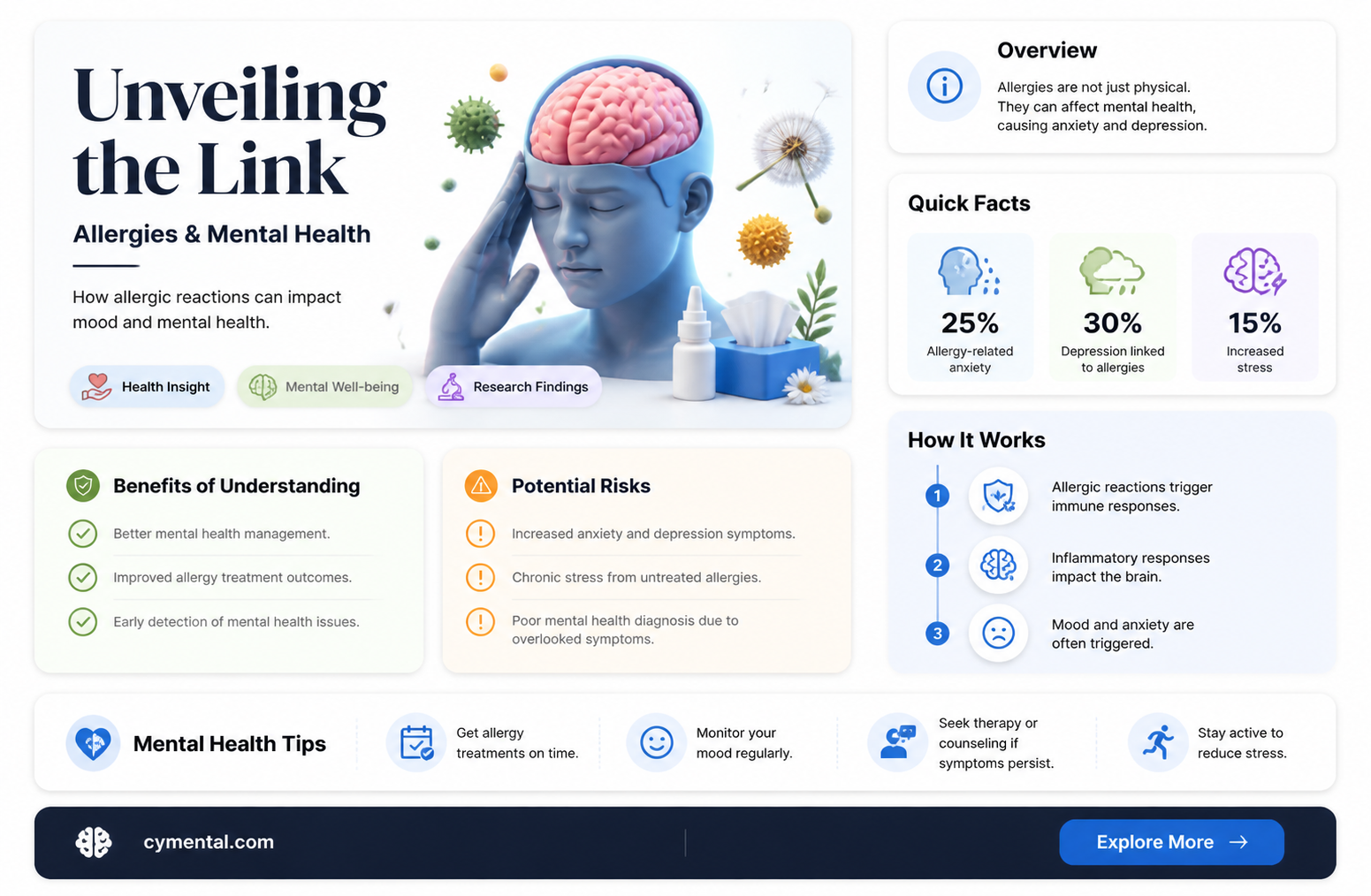
Allergies are a common condition that affects millions of people worldwide, causing a range of physical symptoms such as sneezing, itching, and difficulty breathing. However, what many people may not realize is that allergies can also have a significant impact on mental health. Research has shown that individuals with allergies are more likely to experience anxiety, depression, and other mood disorders compared to those without allergies. This connection is thought to be due to the chronic inflammation and immune system activation associated with allergies, which can lead to changes in brain chemistry and function. Additionally, the stress and discomfort caused by allergy symptoms can contribute to feelings of frustration, hopelessness, and social isolation, further exacerbating mental health issues. Understanding the link between allergies and mental health is crucial for developing effective treatment strategies and improving the overall well-being of individuals with allergies.
Explore related products




What You'll Learn
- Allergic reactions and anxiety: Explore the link between severe allergic reactions and increased anxiety levels
- Chronic inflammation and depression: Discuss how long-term inflammation from allergies might contribute to depressive symptoms
- Sleep disturbances and allergies: Examine the impact of allergies on sleep quality and potential mental health implications
- Social isolation due to allergies: Consider how allergies can lead to social withdrawal and its effects on mental wellbeing
- Stress and allergy exacerbation: Investigate the relationship between stress levels and the severity of allergic reactions

Allergic reactions and anxiety: Explore the link between severe allergic reactions and increased anxiety levels
Severe allergic reactions can trigger a cascade of physiological responses that significantly impact mental health, particularly increasing anxiety levels. When an individual experiences anaphylaxis or other acute allergic episodes, the body releases a surge of stress hormones such as cortisol and adrenaline. These hormones prepare the body for a "fight or flight" response, which can lead to symptoms of anxiety such as rapid heartbeat, sweating, and trembling. Over time, repeated exposure to these stress hormones can alter brain chemistry, making individuals more prone to anxiety disorders.
Research has shown that individuals with severe allergies are more likely to develop anxiety disorders compared to those without allergies. A study published in the Journal of Asthma and Allergy found that patients with anaphylaxis had significantly higher levels of anxiety and depression compared to the general population. Another study in the British Journal of Psychiatry reported that children with severe allergies were more likely to develop anxiety disorders by adulthood. These findings suggest that there is a strong link between severe allergic reactions and increased anxiety levels.
The fear of experiencing another severe allergic reaction can also contribute to increased anxiety levels. Individuals with allergies may become hypervigilant, constantly scanning their environment for potential allergens and avoiding situations where they might be exposed. This heightened state of alertness can lead to chronic anxiety, as the individual is always on guard against the possibility of another reaction. Cognitive-behavioral therapy (CBT) can be helpful in addressing this type of anxiety, as it teaches individuals to identify and challenge irrational fears and develop coping strategies to manage their anxiety.
In addition to the psychological impact, severe allergic reactions can also have a significant impact on an individual's quality of life. The need to carry an epinephrine auto-injector, avoid certain foods or environments, and constantly be aware of potential allergens can be stressful and limiting. This can lead to feelings of isolation and frustration, which can further exacerbate anxiety levels. Support groups and counseling can be helpful in addressing these issues, providing individuals with a sense of community and understanding.
It is important for healthcare providers to recognize the link between severe allergic reactions and increased anxiety levels. By addressing both the physical and psychological aspects of allergies, providers can help individuals better manage their symptoms and improve their overall quality of life. This may involve referring patients to mental health professionals, providing education on stress management techniques, and developing personalized treatment plans that take into account both the allergic symptoms and the associated anxiety.
Revitalize Your Mind: The Power of Leisure in Boosting Mental Health
You may want to see also
Explore related products


Chronic inflammation and depression: Discuss how long-term inflammation from allergies might contribute to depressive symptoms
Chronic inflammation, a persistent and long-term immune response, is increasingly recognized as a contributing factor to various mental health conditions, including depression. Allergies, which are characterized by an overreaction of the immune system to typically harmless substances, can lead to chronic inflammation if left unmanaged. This inflammation may, in turn, affect brain function and contribute to the development of depressive symptoms.
Research suggests that chronic inflammation can disrupt the balance of neurotransmitters in the brain, such as serotonin and dopamine, which play crucial roles in regulating mood. Additionally, inflammation can lead to increased permeability of the blood-brain barrier, allowing immune cells and inflammatory molecules to enter the brain and potentially cause damage to brain tissue. This can result in symptoms commonly associated with depression, such as fatigue, low mood, and cognitive impairment.
Studies have shown a correlation between elevated levels of inflammatory markers, such as C-reactive protein (CRP) and interleukin-6 (IL-6), and an increased risk of depression. Furthermore, individuals with chronic inflammatory conditions, such as rheumatoid arthritis and inflammatory bowel disease, are more likely to experience depressive symptoms compared to the general population.
In the context of allergies, chronic inflammation can result from persistent exposure to allergens, leading to a continuous activation of the immune system. This can create a cycle of inflammation that, over time, may contribute to the development of depression. Managing allergies effectively, therefore, may help reduce the risk of chronic inflammation and its associated mental health impacts.
It is important to note that while the relationship between chronic inflammation and depression is complex and multifaceted, addressing inflammation through lifestyle modifications, such as a balanced diet, regular exercise, and stress management, may offer potential benefits for mental health. Additionally, seeking medical treatment for allergies and other inflammatory conditions can help mitigate the risk of developing depressive symptoms.
Nourishing Your Mind: The Impact of Healthy Eating on Mental Health
You may want to see also
Explore related products


Sleep disturbances and allergies: Examine the impact of allergies on sleep quality and potential mental health implications
Sleep disturbances are a common issue for individuals suffering from allergies. Allergic reactions can cause a range of physical symptoms that disrupt sleep patterns, such as nasal congestion, itching, and difficulty breathing. These symptoms can lead to insomnia, daytime fatigue, and decreased cognitive function. Furthermore, the chronic nature of allergies can result in long-term sleep deprivation, which has been linked to a variety of mental health issues, including anxiety, depression, and mood disorders.
Research has shown that individuals with allergies are more likely to experience sleep disturbances than those without allergies. A study published in the Journal of Allergy and Clinical Immunology found that 48% of individuals with allergic rhinitis reported experiencing sleep disturbances, compared to 28% of individuals without allergies. This suggests that allergies may have a significant impact on sleep quality, which can in turn affect mental health.
The impact of allergies on sleep quality can be further exacerbated by the use of certain medications. For example, some antihistamines can cause drowsiness and disrupt sleep patterns, while others can lead to rebound congestion, which can worsen sleep disturbances. Additionally, individuals with allergies may be more likely to develop sleep disorders such as sleep apnea or restless leg syndrome.
It is important for individuals with allergies to be aware of the potential impact on their sleep quality and mental health. They should consult with a healthcare professional to discuss their symptoms and develop a treatment plan that addresses both their allergies and sleep disturbances. This may include the use of allergy medications, sleep aids, or behavioral therapies to improve sleep quality and reduce the risk of mental health issues.
In conclusion, allergies can have a significant impact on sleep quality, which can in turn affect mental health. Individuals with allergies should be aware of this potential impact and seek treatment to address both their allergies and sleep disturbances. By doing so, they can improve their overall quality of life and reduce the risk of mental health issues.
Mental Health Disparities: The Impact on Racial and Sexual Minorities
You may want to see also
Explore related products



Social isolation due to allergies: Consider how allergies can lead to social withdrawal and its effects on mental wellbeing
Social isolation due to allergies can have a profound impact on an individual's mental wellbeing. Allergies, particularly those that are severe or life-threatening, can lead to a person withdrawing from social activities and interactions. This withdrawal can stem from a variety of factors, including the fear of an allergic reaction, the need to avoid certain foods or environments, and the physical discomfort that allergies can cause. Over time, this social isolation can contribute to feelings of loneliness, anxiety, and depression.
One of the key ways in which allergies can lead to social isolation is through the avoidance of social gatherings where food is present. For individuals with food allergies, attending parties, dinners, or other social events can be a minefield of potential allergens. The fear of an accidental exposure can lead to a person declining invitations or leaving events early, which can further exacerbate feelings of isolation and exclusion.
In addition to the direct impact on social interactions, allergies can also affect a person's ability to participate in activities they enjoy. For example, someone with pollen allergies may avoid outdoor activities during certain times of the year, while a person with pet allergies may be unable to visit friends or family members who have pets. This limitation of activities can lead to a sense of loss and can further contribute to social withdrawal.
The mental health effects of social isolation due to allergies can be significant. Research has shown that social isolation can lead to increased levels of stress, anxiety, and depression. It can also impact a person's self-esteem and confidence, as they may feel different or misunderstood by others. In some cases, the fear of an allergic reaction can become so overwhelming that it leads to agoraphobia, a condition characterized by the avoidance of situations or places that might cause anxiety or panic.
To mitigate the effects of social isolation due to allergies, it is important for individuals to seek support and to communicate their needs to friends and family. This can include educating others about their allergies, asking for accommodations when necessary, and seeking out support groups or online communities where they can connect with others who share their experiences. By taking these steps, individuals can begin to rebuild their social connections and improve their overall mental wellbeing.
The Interconnection of Body and Mind: Exploring Physical Health's Impact on Mental Well-being
You may want to see also
Explore related products


Stress and allergy exacerbation: Investigate the relationship between stress levels and the severity of allergic reactions
Chronic stress has been linked to a myriad of health issues, and its impact on the immune system is no exception. Research indicates that prolonged exposure to stress can lead to an overactive immune response, which may exacerbate allergic reactions. This connection is rooted in the body's natural response to stress: the release of hormones such as cortisol and adrenaline. While these hormones are essential for the body's 'fight or flight' response, they can also suppress the immune system's regulatory functions, leading to an increased susceptibility to allergens.
Studies have shown that individuals under high stress levels are more likely to experience severe allergic reactions. For example, a study published in the Annals of Allergy, Asthma, and Immunology found that children who were exposed to high levels of stress had a significantly higher risk of developing asthma and allergies. Similarly, a review in the Journal of Asthma and Allergy concluded that stress management techniques could help reduce the severity of allergic reactions in adults.
The relationship between stress and allergy exacerbation is complex and multifaceted. Not only does stress affect the immune system directly, but it can also lead to behaviors that may worsen allergic symptoms. For instance, individuals under stress may be more likely to engage in unhealthy habits such as poor diet, lack of exercise, and inadequate sleep, all of which can contribute to a weakened immune system and increased allergy severity.
Furthermore, the psychological impact of allergies should not be overlooked. Living with allergies can be stressful in itself, creating a vicious cycle where the stress of managing allergies exacerbates the symptoms, which in turn increases the stress levels. This can lead to a significant impact on an individual's quality of life, affecting their mental health and overall well-being.
In conclusion, the interplay between stress and allergy exacerbation is a critical area of research with important implications for public health. By understanding this relationship, healthcare providers can develop more effective strategies for managing allergies and improving the quality of life for those affected. Stress management techniques, such as mindfulness meditation and cognitive-behavioral therapy, may offer valuable tools for reducing the severity of allergic reactions and breaking the cycle of stress and allergy exacerbation.
The Impact of Cell Phones on Mental Health: A Comprehensive Guide
You may want to see also
Frequently asked questions
Yes, allergies can directly impact mental health. Allergic reactions can cause inflammation in the body, which may lead to symptoms such as fatigue, mood swings, and cognitive impairment. Additionally, the stress of managing allergies can contribute to anxiety and depression.
Common mental health symptoms associated with allergies include anxiety, depression, irritability, and difficulty concentrating. These symptoms can be exacerbated by the physical discomfort and stress of dealing with allergy symptoms.
Managing allergies effectively can help improve mental health by reducing the physical symptoms that contribute to stress and discomfort. This can lead to better sleep, increased energy levels, and an overall improvement in mood and cognitive function. Additionally, working with a healthcare provider to develop a comprehensive allergy management plan can provide a sense of control and empowerment, which can positively impact mental well-being.