Caleb Wright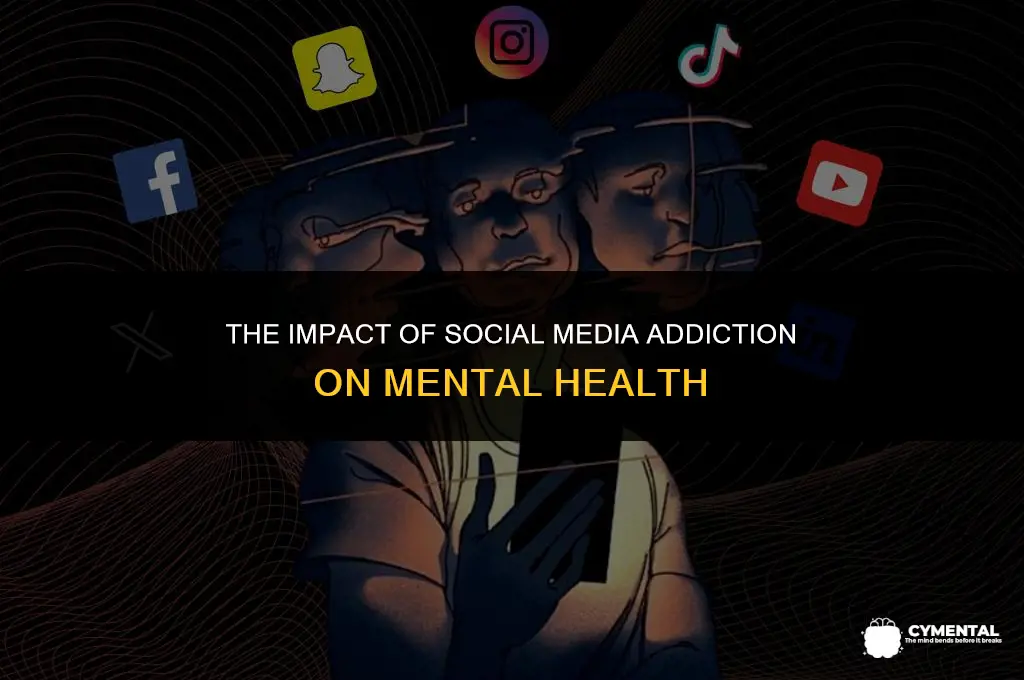
Social media addiction has become a pervasive issue in modern society, with far-reaching implications for mental health. The constant connectivity and barrage of notifications can lead to a compulsive need to check social media platforms, resulting in decreased productivity, strained relationships, and a decline in overall well-being. Research has shown that excessive social media use can contribute to increased levels of anxiety, depression, and loneliness, as individuals compare their lives to the curated online personas of others. Furthermore, the fear of missing out (FOMO) and the pressure to present a perfect online image can exacerbate these negative effects. It is essential to recognize the signs of social media addiction and take steps to mitigate its impact on mental health, such as setting boundaries, practicing mindfulness, and seeking professional help if necessary.
| Characteristics | Values |
|---|---|
| Increased anxiety and depression | Social media addiction can lead to heightened feelings of anxiety and depression due to constant comparison and the fear of missing out (FOMO). |
| Sleep disturbances | Excessive social media use can interfere with sleep patterns, leading to insomnia or disrupted sleep cycles. |
| Decreased self-esteem | Constant exposure to curated and idealized images can negatively impact self-esteem and body image. |
| Social isolation | Despite being connected online, social media addicts may experience increased feelings of loneliness and social isolation. |
| Reduced productivity | Spending excessive time on social media can lead to procrastination and decreased productivity in work or school. |
| Impaired cognitive function | Overuse of social media can affect attention span, memory, and cognitive abilities. |
| Increased risk of cyberbullying | Social media addicts may be more susceptible to cyberbullying and online harassment. |
| Strained relationships | Excessive social media use can lead to conflicts and strained relationships with family and friends. |
| Compulsive behavior | Social media addiction can manifest as compulsive checking and scrolling, even when there are negative consequences. |
| Physical health issues | Prolonged sitting and screen time can contribute to physical health problems such as obesity, eye strain, and poor posture. |
Explore related products



What You'll Learn

Increased anxiety and depression
Social media addiction has been linked to increased anxiety and depression, particularly among young adults and adolescents. A study published in the Journal of Social and Clinical Psychology found that limiting social media use to 30 minutes per day resulted in significant decreases in levels of depression and anxiety among participants. This suggests that excessive social media use may be a contributing factor to these mental health issues.
One possible explanation for this link is the phenomenon of social comparison, where individuals compare their lives to the curated online personas of others. This can lead to feelings of inadequacy and low self-esteem, which are known risk factors for anxiety and depression. Additionally, the constant stream of information and notifications from social media can create a sense of overwhelm and stress, further exacerbating these mental health issues.
Another factor to consider is the impact of social media on sleep quality. Research has shown that exposure to the blue light emitted by screens can interfere with the production of melatonin, a hormone that regulates sleep. Poor sleep quality is a known contributor to anxiety and depression, and social media addiction may be perpetuating this cycle.
It's also important to note that social media addiction can lead to social isolation, which is a significant risk factor for mental health issues. When individuals spend more time interacting with their devices than with real people, they may experience a sense of loneliness and disconnection that can contribute to anxiety and depression.
To mitigate these effects, it's essential to establish healthy boundaries around social media use. This may include setting time limits, taking regular breaks, and engaging in offline activities that promote social connection and physical activity. By being mindful of our social media habits, we can take steps to protect our mental health and well-being.
Revitalize Your Mind: The Impact of Interior Design on Mental Health
You may want to see also
Explore related products


Sleep disturbances and fatigue
Individuals addicted to social media often experience a racing mind, filled with thoughts about their online interactions, notifications, and the fear of missing out (FOMO). This mental hyperactivity can contribute to insomnia and fragmented sleep, leaving them feeling fatigued and mentally drained during the day. Chronic sleep deprivation, in turn, exacerbates mental health issues such as anxiety, depression, and irritability, creating a vicious cycle that is difficult to break.
To mitigate these effects, it is essential to establish healthy boundaries around social media use, particularly in the hours leading up to bedtime. Creating a relaxing bedtime routine, free from screen time, can help signal to the brain that it is time to sleep. Additionally, setting specific times for checking social media and limiting overall usage can reduce the mental burden and allow for more restful sleep.
In conclusion, addressing sleep disturbances and fatigue is a critical component of managing social media addiction and promoting mental well-being. By understanding the impact of social media on sleep and implementing strategies to improve sleep hygiene, individuals can take significant steps towards improving their overall mental health.
Understanding Grief's Impact: How Loss Affects Mental Health
You may want to see also
Explore related products


Social isolation and loneliness
One of the primary ways social media addiction contributes to social isolation is by creating a false sense of community. Users may feel connected to their online networks, but these relationships often lack the depth and intimacy of in-person interactions. This can result in feelings of loneliness and emptiness, as individuals realize that their online connections do not provide the same level of emotional support and fulfillment as real-life friendships.
Furthermore, social media addiction can exacerbate existing feelings of loneliness and isolation. Individuals who are already socially isolated may turn to social media as a coping mechanism, seeking validation and connection through likes, comments, and shares. However, this can create a vicious cycle, as the temporary boost in self-esteem from online interactions is often followed by a crash, leaving users feeling even more isolated and disconnected.
The impact of social media addiction on mental health is further compounded by the fact that it can lead to a sedentary lifestyle, reducing opportunities for physical activity and social engagement. This can result in a decline in overall well-being, as physical activity is known to have numerous mental health benefits, including reducing symptoms of depression and anxiety.
To mitigate the effects of social media addiction on social isolation and loneliness, it is essential to strike a balance between online and offline interactions. This can involve setting boundaries around social media use, prioritizing in-person relationships, and engaging in activities that promote physical and mental well-being. By taking these steps, individuals can reduce the negative impact of social media addiction on their mental health and cultivate more meaningful, fulfilling connections with others.
The Dark Side: Religion's Negative Impact on Mental Health
You may want to see also
Explore related products


Decreased self-esteem and body image
Social media platforms are designed to showcase the highlight reels of people's lives, often presenting an unrealistic and unattainable standard of beauty and success. This constant exposure to idealized images and lifestyles can lead to a significant decrease in self-esteem and body image, particularly among young adults and adolescents. Research has shown that individuals who spend more time on social media are more likely to experience feelings of inadequacy, low self-worth, and dissatisfaction with their physical appearance.
One of the primary mechanisms by which social media addiction affects self-esteem and body image is through the process of social comparison. Users are constantly bombarded with images of others who appear to be more attractive, successful, and popular, leading to a natural tendency to compare oneself unfavorably. This can result in a negative self-image and a diminished sense of self-worth. Furthermore, the curated nature of social media profiles means that users are often comparing themselves to an unrealistic standard, as the images they see are typically edited and filtered to present the most flattering possible representation.
The impact of social media on body image is particularly concerning, as it can lead to the development of eating disorders and other mental health issues. Studies have shown that exposure to thin-ideal images on social media can increase the risk of developing anorexia nervosa, bulimia nervosa, and binge eating disorder. Additionally, the constant pressure to conform to societal beauty standards can lead to body dissatisfaction, which is a known risk factor for depression and anxiety.
To mitigate the negative effects of social media on self-esteem and body image, it is important to practice self-compassion and to develop a critical understanding of the images and messages presented on these platforms. Limiting the amount of time spent on social media, unfollowing accounts that promote unrealistic beauty standards, and engaging in activities that promote self-acceptance and body positivity can all be helpful strategies. Furthermore, seeking support from mental health professionals can be beneficial for individuals who are struggling with low self-esteem or body image issues related to social media addiction.
Exploring Emotional States: A Guide to Describing Affect in Mental Status Exams
You may want to see also
Explore related products


Impaired cognitive function and memory
Social media addiction has been linked to impaired cognitive function and memory, with studies showing that excessive use can lead to a decrease in attention span, working memory, and executive function. This is likely due to the constant stream of information and stimuli that social media provides, which can overload the brain and make it difficult to focus on any one task for an extended period of time. Additionally, the repetitive nature of social media use can lead to the formation of habits that can be difficult to break, further impairing cognitive function.
One study found that individuals who spent more time on social media had lower scores on tests of attention and memory, and that this effect was more pronounced in younger individuals. Another study found that social media use was associated with a decrease in the volume of the hippocampus, a region of the brain important for memory formation. These findings suggest that social media addiction may have a significant impact on cognitive function and memory, particularly in young people.
To mitigate the effects of social media addiction on cognitive function and memory, it is important to set limits on social media use and to engage in activities that promote cognitive health, such as exercise, meditation, and reading. Additionally, taking regular breaks from social media can help to improve attention span and memory. It is also important to be aware of the potential risks of social media addiction and to seek help if it becomes a problem.
In conclusion, social media addiction can have a significant impact on cognitive function and memory, particularly in young people. By setting limits on social media use and engaging in activities that promote cognitive health, individuals can mitigate these effects and improve their overall well-being.
The Impact of Cell Phones on Mental Health: A Comprehensive Guide
You may want to see also
Frequently asked questions
Signs of social media addiction include spending excessive amounts of time on social media platforms, feeling anxious or restless when unable to access them, neglecting other activities and responsibilities, and experiencing withdrawal symptoms such as irritability or depression when trying to cut back on usage.
Social media addiction can negatively impact mental health by contributing to feelings of loneliness, anxiety, depression, and low self-esteem. It can also disrupt sleep patterns, reduce physical activity, and lead to social isolation.
Strategies for overcoming social media addiction include setting boundaries and limits on usage, deleting or deactivating accounts, finding alternative activities to replace social media use, seeking support from friends and family, and considering therapy or counseling.
Yes, social media addiction can affect relationships by leading to neglect of loved ones, reduced communication, and feelings of jealousy or insecurity. It can also contribute to the breakdown of relationships if not addressed.
While social media addiction is not currently recognized as a distinct mental health disorder in diagnostic manuals, it is considered a form of behavioral addiction and can have serious implications for mental health and well-being.