Caleb Wright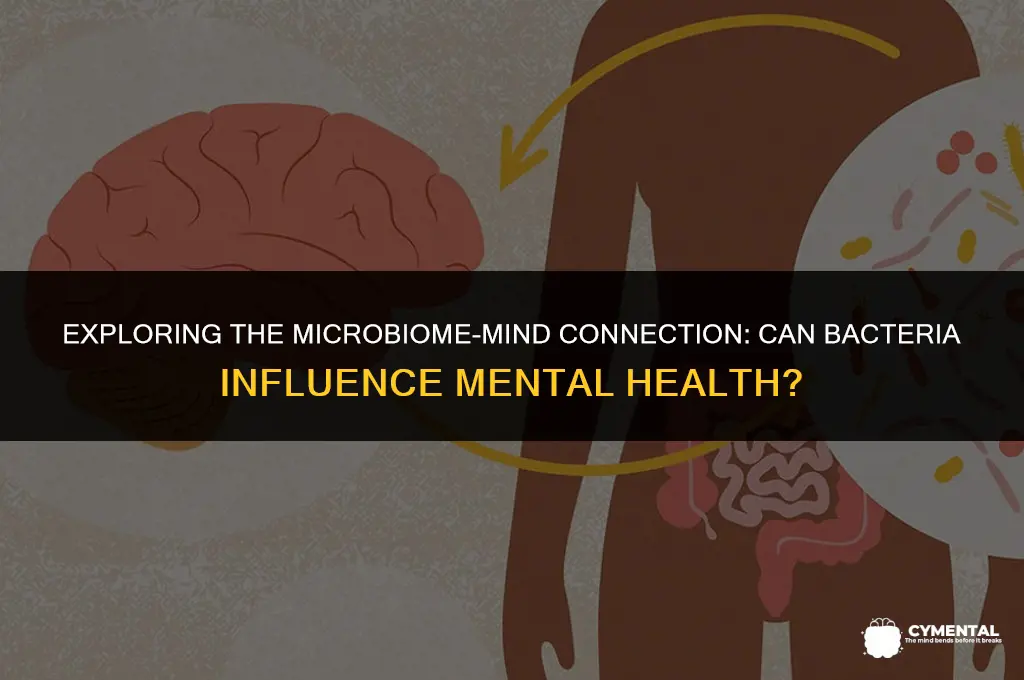
Recent research has uncovered intriguing links between bacterial infections and mental health disorders, challenging our traditional understanding of the boundaries between physical and psychological well-being. Scientists have found that certain bacteria can produce neurotoxins that interfere with brain function, potentially leading to conditions such as depression, anxiety, and even schizophrenia. Additionally, the gut microbiome, a complex ecosystem of bacteria residing in our digestive system, has been shown to play a crucial role in regulating mood and cognitive function. This emerging field of study, known as psychobiotics, holds promise for developing new treatments for mental health disorders by targeting the bacterial imbalances that may contribute to their development.
| Characteristics | Values |
|---|---|
| Causality | While bacteria can influence mental health, they are not a direct cause of mental disease. |
| Mechanism | Bacteria can produce toxins and metabolites that may affect brain function and contribute to mental health issues. |
| Types of Bacteria | Certain bacteria like Borrelia burgdorferi (Lyme disease) and some gut bacteria have been linked to mental health symptoms. |
| Symptoms | Symptoms can vary widely but may include anxiety, depression, cognitive impairment, and other neuropsychiatric manifestations. |
| Diagnosis | Diagnosis involves identifying bacterial infections through blood tests, cerebrospinal fluid analysis, or other diagnostic methods. |
| Treatment | Treatment typically involves antibiotics to target the bacterial infection, along with supportive care for mental health symptoms. |
| Prevention | Preventive measures include avoiding tick bites (for Lyme disease), maintaining good hygiene, and supporting a healthy gut microbiome. |
| Research | Ongoing research is exploring the complex relationship between bacteria and mental health, including the potential role of the gut-brain axis. |
| Public Awareness | Public awareness is growing, but more education is needed to understand the indirect role of bacteria in mental disease. |
| Medical Consensus | There is a developing consensus in the medical community about the potential impact of bacteria on mental health, though more research is required. |
| Alternative Therapies | Some alternative therapies, like probiotics and fecal microbiota transplants, are being studied for their potential to improve mental health by modulating the gut microbiome. |
| Policy Implications | Policy implications include the need for increased funding for research and the development of guidelines for diagnosing and treating bacterial-related mental health issues. |
| Ethical Considerations | Ethical considerations involve ensuring that patients are not stigmatized for having a bacterial infection that may contribute to their mental health condition. |
| Future Directions | Future directions in this field include exploring the use of personalized medicine approaches to target specific bacterial strains and developing new therapies to address the root causes of mental disease. |
Explore related products


What You'll Learn
- Gut-Brain Axis: The bidirectional communication between the gut microbiome and the central nervous system
- Neurotransmitter Production: Certain bacteria can produce neurotransmitters like serotonin and dopamine, influencing mood
- Inflammation and Mental Health: Bacterial infections can lead to inflammation, which may contribute to mental health disorders
- Microbiome Diversity: A diverse gut microbiome is crucial for maintaining mental health and preventing diseases
- Probiotics and Psychobiotics: The use of probiotics and psychobiotics to improve mental health by modulating the gut microbiome

Gut-Brain Axis: The bidirectional communication between the gut microbiome and the central nervous system
The gut-brain axis represents a fascinating and complex bidirectional communication network between the gut microbiome and the central nervous system. This interaction is not just a one-way street; it's a dynamic dialogue that can significantly impact mental health. Research has shown that the gut microbiome plays a crucial role in modulating brain function and behavior, with imbalances in gut bacteria being linked to various mental disorders.
One of the key mechanisms by which the gut microbiome influences the brain is through the production of neurotransmitters and other bioactive compounds. For instance, certain bacteria in the gut can produce serotonin, dopamine, and GABA, which are all important neurotransmitters involved in regulating mood, motivation, and anxiety. Additionally, the gut microbiome can affect the integrity of the blood-brain barrier, which in turn can influence the passage of substances into the brain and potentially lead to neuroinflammation.
Moreover, the gut-brain axis is also involved in the regulation of the hypothalamic-pituitary-adrenal (HPA) axis, which is a critical system for managing stress. An imbalance in the gut microbiome can lead to an overactive HPA axis, resulting in increased cortisol levels and a heightened stress response. This can have long-term consequences for mental health, including the development of anxiety and depressive disorders.
Understanding the gut-brain axis is crucial for developing new therapeutic strategies for mental health disorders. Probiotics, for example, have shown promise in improving mental health outcomes by modulating the gut microbiome. Additionally, dietary interventions that promote a healthy gut microbiome, such as increasing fiber intake and reducing processed foods, may also have beneficial effects on mental health.
In conclusion, the gut-brain axis is a vital area of research that highlights the intricate relationship between the gut microbiome and mental health. By further exploring this connection, we may uncover new ways to prevent and treat mental health disorders, ultimately improving the well-being of individuals worldwide.
Exploring the Link Between Mental Illnesses and Chemical Imbalances
You may want to see also
Explore related products


Neurotransmitter Production: Certain bacteria can produce neurotransmitters like serotonin and dopamine, influencing mood
Recent research has unveiled a fascinating connection between the human microbiome and mental health. Certain bacteria residing in our gut have the remarkable ability to produce neurotransmitters such as serotonin and dopamine, which play crucial roles in regulating mood and emotional well-being. This groundbreaking discovery suggests that the balance of bacteria in our digestive system may have a direct impact on our mental state, potentially influencing the development or exacerbation of mental diseases.
One of the key bacteria involved in this process is Lactobacillus rhamnosus, which has been shown to produce significant amounts of serotonin. Serotonin is a neurotransmitter that contributes to feelings of happiness and well-being, and its imbalance has been linked to various mental health disorders, including depression and anxiety. Studies have demonstrated that administering Lactobacillus rhamnosus to animals can lead to increased serotonin levels in the brain, resulting in improved mood and reduced stress responses.
Another bacterium, Bifidobacterium infantis, has been found to produce dopamine, a neurotransmitter that plays a vital role in reward and motivation. Dopamine imbalances have been associated with several mental health conditions, including schizophrenia and attention deficit hyperactivity disorder (ADHD). Research has shown that supplementing Bifidobacterium infantis in animals can lead to increased dopamine levels in the brain, resulting in enhanced cognitive function and reduced symptoms of ADHD.
The implications of these findings are profound, as they suggest that manipulating the gut microbiome through probiotics or prebiotics could potentially be used as a therapeutic approach for mental health disorders. However, it is essential to note that further research is needed to fully understand the complex interactions between the microbiome and the brain, as well as to determine the optimal methods for modulating the gut microbiome to achieve desired mental health outcomes.
In conclusion, the ability of certain bacteria to produce neurotransmitters like serotonin and dopamine highlights the intricate relationship between the gut microbiome and mental health. This emerging field of research holds great promise for the development of novel therapeutic strategies for mental health disorders, and underscores the importance of maintaining a healthy and balanced gut microbiome for overall well-being.
Exploring the Long-Term Effects of Mental Breakdowns: Can They Cause Permanent Damage?
You may want to see also
Inflammation and Mental Health: Bacterial infections can lead to inflammation, which may contribute to mental health disorders
Recent research has unveiled a compelling link between inflammation and mental health, suggesting that bacterial infections may play a significant role in the development of mental health disorders. This connection is rooted in the body's immune response to bacterial pathogens, which can trigger a cascade of inflammatory reactions. Chronic inflammation, in turn, has been implicated in various psychiatric conditions, including depression, anxiety, and even psychosis.
One of the key mechanisms by which bacterial infections may contribute to mental health disorders is through the activation of the immune system's cytokine response. Cytokines are signaling molecules that regulate inflammation and immune responses, and their overproduction can lead to a state of chronic inflammation. This prolonged inflammatory state can disrupt normal brain function, affecting neurotransmitter balance and neural circuitry, ultimately manifesting as mental health symptoms.
Furthermore, the gut-brain axis has emerged as a critical pathway through which bacterial infections may influence mental health. The gut microbiome, a complex ecosystem of bacteria residing in the gastrointestinal tract, plays a vital role in modulating immune responses and brain function. Dysbiosis, or an imbalance in the gut microbiome, has been linked to various mental health disorders. Bacterial infections can disrupt this delicate balance, leading to altered brain function and the development of psychiatric symptoms.
In addition to the direct effects of bacterial infections on the brain, the psychological impact of chronic illness should not be overlooked. Living with a persistent bacterial infection can lead to stress, anxiety, and depression, further exacerbating mental health issues. This highlights the importance of addressing the root cause of chronic infections to alleviate both physical and mental health symptoms.
Understanding the intricate relationship between bacterial infections, inflammation, and mental health is crucial for developing effective treatment strategies. By targeting the underlying inflammatory processes and restoring balance to the gut microbiome, it may be possible to mitigate the mental health effects of bacterial infections. This approach represents a promising avenue for future research and therapeutic interventions in the field of mental health.
Exploring the Potential Mental Health Effects of Baclofen Use
You may want to see also
Microbiome Diversity: A diverse gut microbiome is crucial for maintaining mental health and preventing diseases
The gut microbiome, a complex ecosystem of bacteria, viruses, fungi, and protozoa, plays a pivotal role in maintaining mental health. Recent research has unveiled the intricate relationship between the diversity of this microbiome and the brain's functionality. A balanced and diverse gut microbiome is essential for the production of neurotransmitters like serotonin and dopamine, which are critical for regulating mood and cognitive functions. Conversely, a lack of diversity can lead to an overgrowth of harmful bacteria, contributing to inflammation and oxidative stress, both of which are implicated in the pathogenesis of mental disorders such as depression and anxiety.
Moreover, the gut microbiome's influence extends to the immune system, which is closely linked to mental health. A diverse microbiome helps in maintaining a robust immune response, preventing chronic inflammation that can negatively impact brain health. Studies have shown that individuals with mental health disorders often have altered gut microbiota compositions, suggesting a potential causal link between the two.
Maintaining a diverse gut microbiome can be achieved through dietary modifications, such as increasing the intake of fiber-rich foods, fermented foods, and polyphenols. These dietary components serve as prebiotics, promoting the growth of beneficial bacteria. Additionally, probiotics, which are live microorganisms that confer health benefits when administered in adequate amounts, can be used to supplement the diet and enhance gut diversity.
It is also important to consider the impact of lifestyle factors on the gut microbiome. Regular exercise, adequate sleep, and stress management are all crucial for maintaining a healthy gut. Antibiotic use, while sometimes necessary, should be approached with caution as it can disrupt the delicate balance of the gut microbiome.
In conclusion, the diversity of the gut microbiome is a critical factor in maintaining mental health and preventing diseases. By understanding the complex interplay between the gut microbiome and the brain, we can develop targeted interventions to promote mental well-being. This includes dietary changes, probiotic supplementation, and lifestyle modifications that support a healthy and diverse gut ecosystem.
Exploring the Link: Can Infections Trigger Mental Health Issues?
You may want to see also
Probiotics and Psychobiotics: The use of probiotics and psychobiotics to improve mental health by modulating the gut microbiome
The gut microbiome plays a crucial role in mental health, with an imbalance of bacteria potentially leading to various psychiatric disorders. Probiotics and psychobiotics offer a promising approach to modulating the gut microbiome and improving mental health outcomes. Probiotics are live microorganisms that provide health benefits when consumed, generally by improving or restoring the gut flora. Psychobiotics, a subset of probiotics, are specifically selected for their potential to influence psychological processes and mental health.
Research has shown that certain strains of probiotics, such as Lactobacillus and Bifidobacterium, can reduce symptoms of anxiety and depression, improve mood, and enhance cognitive function. These beneficial effects are thought to be mediated through various mechanisms, including the production of neurotransmitters like serotonin and dopamine, the modulation of the hypothalamic-pituitary-adrenal (HPA) axis, and the reduction of inflammation.
Psychobiotics, such as the strain Lactobacillus rhamnosus GG, have been shown to have a positive impact on mental health by reducing stress and anxiety levels. These microorganisms can influence the gut-brain axis, a bidirectional communication system between the gastrointestinal tract and the central nervous system, which plays a key role in regulating mood and behavior.
The use of probiotics and psychobiotics to improve mental health is still a relatively new field, and more research is needed to fully understand their potential benefits and mechanisms of action. However, the available evidence suggests that these microorganisms could be a valuable tool in the prevention and treatment of mental health disorders.
Incorporating probiotics and psychobiotics into one's diet can be done through the consumption of fermented foods, such as yogurt, kefir, and sauerkraut, or through the use of supplements. It is important to note that not all probiotic strains are created equal, and the specific strains and dosages used can significantly impact their effectiveness. Consulting with a healthcare professional is recommended to determine the most appropriate probiotic or psychobiotic regimen for individual needs.
Exploring the Link: Epidural Anesthesia and Mental Health Concerns
You may want to see also
Frequently asked questions
While bacteria can influence mental health through various indirect mechanisms, such as producing toxins or triggering immune responses that affect the brain, there is no conclusive evidence that bacteria can directly cause mental diseases.
Bacteria in the gut microbiome play a crucial role in the gut-brain axis by producing neurotransmitters, hormones, and metabolites that can influence brain function and mental health. An imbalance in the gut microbiome has been linked to various mental health disorders.
Antibiotics can impact mental health by altering the gut microbiome, potentially leading to changes in brain function and behavior. Some studies suggest that antibiotic use may be associated with an increased risk of mental health disorders, although more research is needed to fully understand this relationship.