Caleb Wright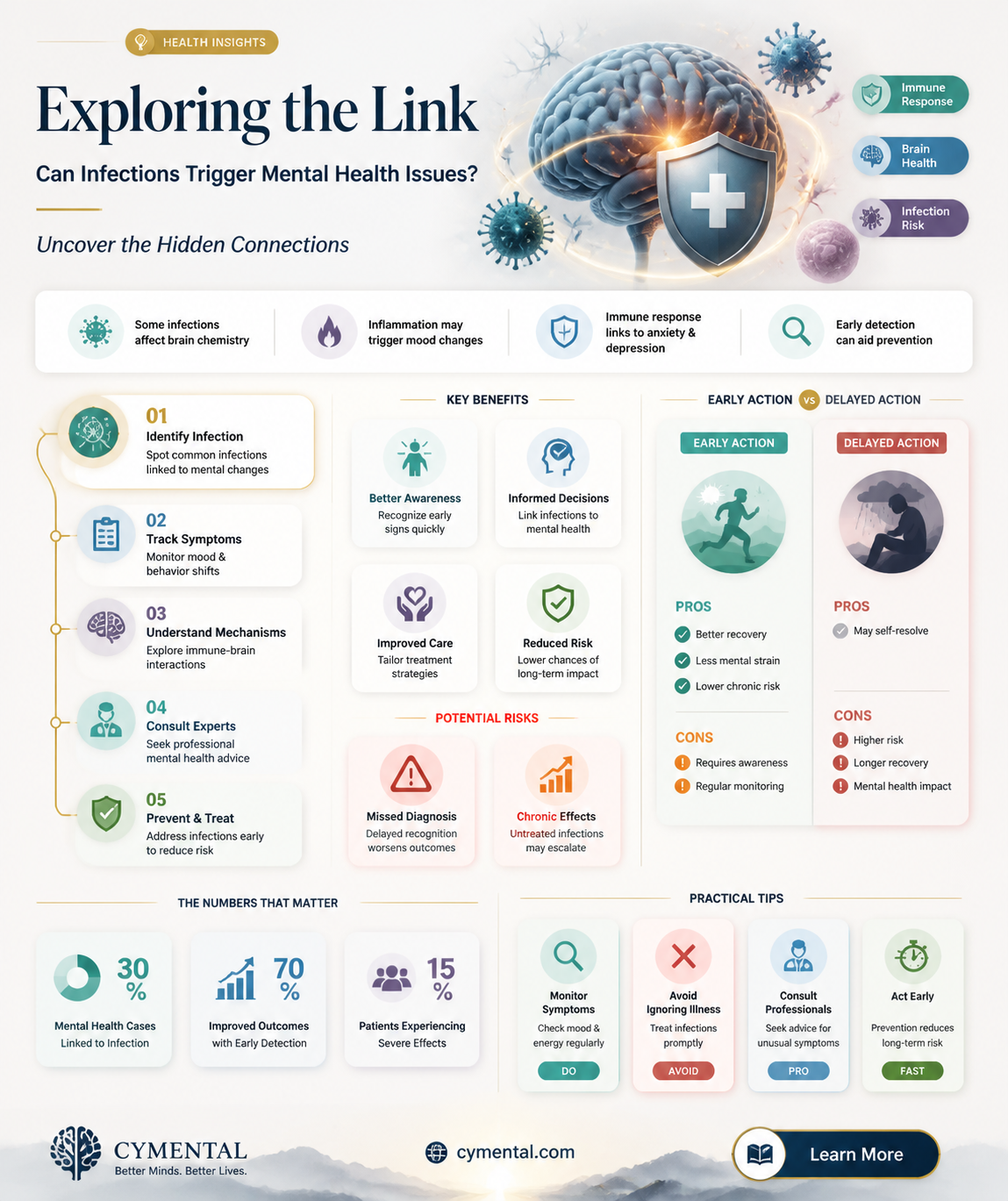
Infections can have a profound impact on mental health, often leading to a range of psychological issues. This connection is rooted in the body's immune response, which can trigger changes in brain chemistry and function. For instance, cytokines, proteins released during inflammation, can affect neurotransmitter activity, potentially causing symptoms like depression, anxiety, and cognitive impairment. Moreover, certain infections, such as Lyme disease or encephalitis, can directly invade the central nervous system, leading to more severe mental health disturbances. Understanding this link is crucial for holistic healthcare, as it underscores the importance of addressing both physical and mental symptoms in patients with infections.
| Characteristics | Values |
|---|---|
| Infection Type | Bacterial, Viral, Fungal, Parasitic |
| Potential Mental Health Effects | Anxiety, Depression, Psychosis, Mania, Cognitive Impairment |
| Mechanism of Action | Inflammation, Toxin Release, Immune Response Dysregulation |
| Common Infections Linked to Mental Health Issues | Lyme Disease, Syphilis, HIV, Hepatitis C, COVID-19 |
| Symptoms Overlap | Fever, Fatigue, Headache, Confusion, Mood Changes |
| Diagnostic Challenges | Differential Diagnosis, Comorbid Conditions, Variable Presentation |
| Treatment Approaches | Antibiotics, Antivirals, Antifungals, Antiparasitics, Psychotropic Medications |
| Prognosis | Variable, Dependent on Infection Severity and Timeliness of Treatment |
| Preventive Measures | Vaccination, Hygiene Practices, Vector Control, Safe Sex Practices |
| Research Gaps | Understanding Mechanisms, Developing Biomarkers, Investigating Long-term Effects |
| Public Health Implications | Emerging Infections, Antimicrobial Resistance, Global Mental Health Burden |
| Interdisciplinary Collaboration | Infectious Disease Specialists, Psychiatrists, Neurologists, Epidemiologists |
| Patient Education | Recognizing Symptoms, Seeking Prompt Medical Attention, Adhering to Treatment Regimens |
| Stigma and Mental Health | Addressing Stigma, Ensuring Equal Access to Care, Promoting Mental Health Literacy |
| Future Directions | Personalized Medicine, Integrative Therapeutics, Digital Health Technologies |
Explore related products




What You'll Learn
- Neurological Impact: Infections can affect brain function, leading to mental health issues
- Inflammation and Mental Health: Chronic infections may cause inflammation, contributing to mental problems
- Specific Infections: Certain infections, like Lyme disease or toxoplasmosis, are linked to mental health symptoms
- Immune System Response: The body's immune response to infection can influence mental well-being
- Treatment and Prevention: Understanding the link between infections and mental health aids in treatment and prevention strategies

Neurological Impact: Infections can affect brain function, leading to mental health issues
Infections can have a profound impact on brain function, leading to a range of mental health issues. This is due to the fact that infections can trigger an inflammatory response in the body, which can disrupt the delicate balance of neurotransmitters and other chemicals in the brain. For example, studies have shown that infections such as Lyme disease, HIV, and hepatitis C can all lead to depression, anxiety, and other mood disorders. In some cases, infections can even cause more severe mental health issues, such as psychosis or delirium.
One of the ways that infections can affect brain function is by damaging the blood-brain barrier. This is a protective layer of cells that separates the brain from the rest of the body, and it helps to prevent harmful substances from entering the brain. However, infections can weaken this barrier, allowing toxins and other harmful substances to enter the brain and cause damage. This can lead to a range of mental health issues, including depression, anxiety, and cognitive impairment.
Another way that infections can affect brain function is by disrupting the balance of neurotransmitters. Neurotransmitters are chemicals that help to transmit signals between nerve cells in the brain, and they play a crucial role in regulating mood, behavior, and other mental processes. Infections can disrupt the balance of neurotransmitters by causing inflammation, which can lead to the release of excess neurotransmitters or the destruction of neurotransmitter receptors. This can result in a range of mental health issues, including depression, anxiety, and mood swings.
In addition to these effects, infections can also lead to mental health issues by causing physical symptoms that can impact a person's quality of life. For example, infections such as chronic fatigue syndrome can cause persistent fatigue, which can lead to depression and anxiety. Similarly, infections such as fibromyalgia can cause chronic pain, which can also have a negative impact on mental health.
Overall, the neurological impact of infections is a complex and multifaceted issue. While the exact mechanisms by which infections affect brain function are still being studied, it is clear that infections can have a significant impact on mental health. This highlights the importance of taking steps to prevent infections and seeking prompt treatment if an infection is suspected. By doing so, individuals can help to protect their brain health and reduce the risk of developing mental health issues.
Exploring the Connection: Panic Attacks and Mental Health Crises
You may want to see also
Explore related products


Inflammation and Mental Health: Chronic infections may cause inflammation, contributing to mental problems
Chronic infections can lead to prolonged inflammation in the body, which has been linked to various mental health issues. This connection is rooted in the immune system's response to infection, where it releases cytokines and other inflammatory markers to fight off the invading pathogens. However, when this inflammatory response becomes chronic, it can negatively impact brain function and contribute to the development of mental disorders.
Research has shown that chronic inflammation can disrupt the balance of neurotransmitters in the brain, such as serotonin and dopamine, which play crucial roles in regulating mood and behavior. Additionally, inflammation can lead to increased permeability of the blood-brain barrier, allowing harmful substances to enter the brain and further exacerbate mental health problems.
Studies have found that individuals with chronic infections, such as Lyme disease or HIV, are more likely to experience depression, anxiety, and cognitive impairment compared to those without such infections. Furthermore, the severity of mental health symptoms often correlates with the level of inflammation present in the body.
To mitigate the impact of chronic inflammation on mental health, it is essential to address the underlying infection and manage inflammation through lifestyle modifications and medical interventions. This may include adopting an anti-inflammatory diet, engaging in regular exercise, managing stress, and seeking appropriate medical treatment for the infection.
In conclusion, the link between chronic infections, inflammation, and mental health is a complex and multifaceted issue. By understanding this connection and taking proactive steps to manage inflammation, individuals can potentially improve their mental well-being and overall quality of life.
Exploring the Link Between ADHD and Mental Health Crises
You may want to see also
Explore related products

$40.03 $74


$32.99 $32.99

$6.79 $14.99


Specific Infections: Certain infections, like Lyme disease or toxoplasmosis, are linked to mental health symptoms
Lyme disease, caused by the bacterium Borrelia burgdorferi, is a vector-borne illness transmitted through the bite of infected ticks. While it is primarily known for its physical symptoms such as fever, headache, and joint pain, Lyme disease can also have significant impacts on mental health. Studies have shown that individuals with Lyme disease may experience symptoms of depression, anxiety, and cognitive impairment. These mental health symptoms can be particularly challenging as they often persist even after the initial infection has been treated with antibiotics. The exact mechanisms by which Lyme disease affects mental health are still under investigation, but it is believed that the inflammation caused by the infection may play a role in disrupting neurotransmitter function and brain chemistry.
Toxoplasmosis, on the other hand, is an infection caused by the parasite Toxoplasma gondii. It is commonly transmitted through contact with contaminated soil, water, or food, as well as through the bite of infected insects or animals. Toxoplasmosis is known to have a range of physical symptoms, including fever, muscle aches, and swollen lymph nodes. However, it can also have subtle effects on mental health. Research has suggested that individuals infected with Toxoplasma gondii may experience changes in personality, such as increased risk-taking behavior and reduced fear responses. These changes are thought to be related to the parasite's ability to manipulate the host's immune system and brain function.
Other infections that have been linked to mental health symptoms include encephalitis, which is an inflammation of the brain caused by viral infections, and PANDAS (Pediatric Autoimmune Neuropsychiatric Disorders Associated with Streptococcal Infections), which is a condition that can cause sudden onset of obsessive-compulsive disorder (OCD) and other psychiatric symptoms in children following a streptococcal infection. In each of these cases, the infections are believed to trigger an immune response that can lead to changes in brain function and mental health.
It is important to note that while these infections can have significant impacts on mental health, they are often treatable with appropriate medical interventions. Early diagnosis and treatment can help to mitigate the mental health symptoms associated with these infections and improve overall outcomes for affected individuals. Additionally, research into the mechanisms by which these infections affect mental health is ongoing, and new treatments and interventions are being developed to address these complex interactions between infection and mental health.
Exploring the Link: Constipation and Mental Confusion Uncovered
You may want to see also
Explore related products


Immune System Response: The body's immune response to infection can influence mental well-being
The body's immune response to infection can have a profound impact on mental well-being. When the immune system is activated in response to an infection, it releases a cascade of cytokines and other inflammatory molecules that can affect brain function and mood. This immune response can lead to symptoms such as fatigue, fever, and body aches, which can contribute to feelings of malaise and depression.
Research has shown that chronic inflammation, which can result from persistent infections or autoimmune disorders, is associated with an increased risk of developing mental health conditions such as depression and anxiety. The inflammatory molecules released by the immune system can disrupt the balance of neurotransmitters in the brain, leading to changes in mood and behavior.
In addition to the direct effects of inflammation on the brain, infections can also indirectly impact mental well-being by causing social isolation and stress. For example, individuals who are hospitalized or quarantined due to an infection may experience feelings of loneliness and anxiety, which can exacerbate existing mental health conditions or lead to the development of new ones.
Furthermore, the immune system's response to infection can also affect sleep patterns, which in turn can influence mental health. Sleep disturbances are common during infections, as the body's immune response can cause fever, discomfort, and restlessness. Chronic sleep deprivation has been linked to an increased risk of developing mental health disorders, including depression and anxiety.
It is important to note that the relationship between immune system response and mental well-being is complex and bidirectional. Not only can infections impact mental health, but mental health conditions can also affect the immune system's ability to fight off infections. Stress, anxiety, and depression have been shown to suppress immune function, making individuals more susceptible to infections and potentially leading to a vicious cycle of illness and mental health decline.
In conclusion, the body's immune response to infection can have significant implications for mental well-being. Understanding the complex interplay between the immune system and the brain is crucial for developing effective treatments for both physical and mental health conditions. By addressing the underlying immune system dysfunction and providing appropriate psychological support, it may be possible to mitigate the negative effects of infections on mental health and improve overall well-being.
Exploring the Link: Slow Thyroid and Mental Health in Infants
You may want to see also
Explore related products



Treatment and Prevention: Understanding the link between infections and mental health aids in treatment and prevention strategies
Understanding the intricate relationship between infections and mental health is pivotal in devising effective treatment and prevention strategies. This knowledge allows healthcare professionals to adopt a holistic approach, addressing both the physical and psychological aspects of a patient's well-being. By recognizing the potential mental health implications of infections, clinicians can provide more comprehensive care, improving patient outcomes and reducing the risk of long-term psychological complications.
One key aspect of treatment involves early detection and intervention. When an infection is identified, healthcare providers should also assess the patient's mental health status. This dual evaluation can lead to timely interventions, such as counseling or medication, to mitigate any potential psychological impacts. For instance, patients with Lyme disease may experience depression and anxiety, which can be addressed through cognitive-behavioral therapy or antidepressant medications.
Preventive measures also play a crucial role in reducing the incidence of infection-related mental health issues. Public health campaigns can educate the population about the risks of infections and the importance of preventive behaviors, such as vaccination, proper hygiene, and safe sexual practices. Additionally, promoting mental health awareness and reducing stigma can encourage individuals to seek help early, preventing the exacerbation of mental health problems due to untreated infections.
Research into the link between infections and mental health can further inform treatment and prevention strategies. Studies can identify specific risk factors, underlying mechanisms, and effective interventions, leading to evidence-based guidelines for clinical practice. For example, research has shown that certain infections, such as HIV and hepatitis C, can increase the risk of depression and anxiety. This knowledge can guide the development of targeted screening and treatment protocols for these populations.
In conclusion, recognizing the connection between infections and mental health is essential for providing comprehensive care and developing effective public health strategies. By addressing both the physical and psychological aspects of infections, healthcare professionals can improve patient outcomes and reduce the burden of mental health issues associated with infectious diseases.
Navigating Love and Mental Health: Can Relationships Trigger a Breakdown?
You may want to see also
Frequently asked questions
Yes, certain infections can lead to mental health issues. For example, infections like Lyme disease, syphilis, and some viral infections can cause symptoms such as depression, anxiety, and cognitive impairment.
Infections can affect the brain by causing inflammation, disrupting neurotransmitter function, and damaging brain tissue. This can lead to a range of mental health symptoms and cognitive difficulties.
In many cases, mental problems caused by infections can be treated and resolved. However, some infections may cause long-term or permanent damage to the brain, leading to ongoing mental health issues.
Some common infections that can cause mental problems include Lyme disease, syphilis, herpes simplex virus, and certain types of viral encephalitis.
To prevent infections that may cause mental problems, it's important to practice good hygiene, get vaccinated, avoid risky sexual behaviors, and seek prompt medical treatment if you suspect you have an infection.