Harper Lewis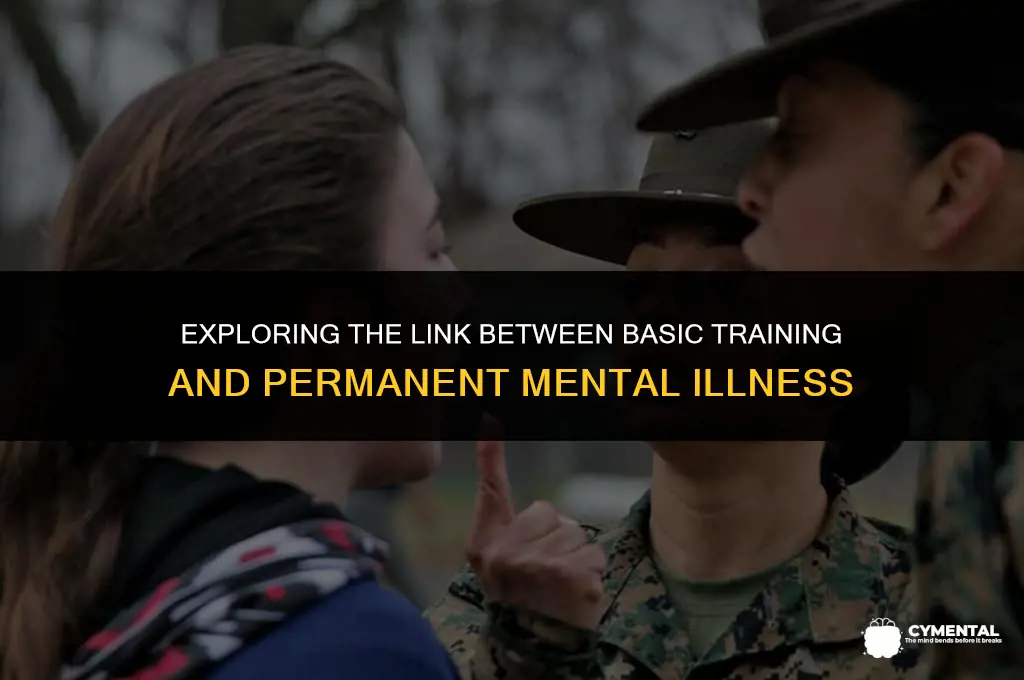
The question of whether basic training, particularly in military contexts, can cause permanent mental illness is a complex and significant topic of discussion. While basic training is designed to build resilience, discipline, and physical fitness, it can also involve intense physical and psychological stressors. These stressors may include sleep deprivation, physical exhaustion, isolation, and exposure to traumatic events or simulations. Research indicates that such experiences can have lasting impacts on mental health, potentially leading to conditions like post-traumatic stress disorder (PTSD), anxiety, and depression. However, it is crucial to note that the effects of basic training on mental health can vary widely among individuals, influenced by factors such as personal history, coping mechanisms, and the specific nature and intensity of the training. Understanding these dynamics is essential for developing effective prevention and intervention strategies to support the mental well-being of those undergoing basic training.
| Characteristics | Values |
|---|---|
| Definition | Basic training refers to the initial instruction and indoctrination received by military personnel. Permanent mental illness encompasses conditions such as schizophrenia, bipolar disorder, and major depressive disorder that are long-lasting and significantly impact daily functioning. |
| Potential Link | While basic training is designed to build resilience and discipline, the intense physical and psychological demands can potentially exacerbate underlying mental health vulnerabilities. |
| Stress Factors | Basic training involves high levels of stress, including physical exertion, sleep deprivation, isolation from family and friends, and exposure to traumatic events or simulations. |
| Vulnerability | Individuals with pre-existing mental health conditions or a family history of mental illness may be more susceptible to developing permanent mental illness as a result of the stressors encountered during basic training. |
| Protective Factors | Strong social support, effective coping mechanisms, and access to mental health resources can mitigate the risk of developing permanent mental illness. |
| Incidence Rate | The exact incidence rate of permanent mental illness resulting from basic training is not well-documented, but studies suggest that military personnel may experience higher rates of mental health issues compared to the general population. |
| Long-term Impact | Permanent mental illness can have a profound impact on an individual's quality of life, affecting their ability to function in social, occupational, and personal domains. |
| Treatment Options | Treatment for permanent mental illness typically involves a combination of medication, psychotherapy, and support services tailored to the individual's specific needs. |
| Prevention Strategies | Implementing comprehensive mental health screening and support programs during basic training can help identify and address potential issues before they escalate into permanent conditions. |
| Research Gaps | Further research is needed to better understand the complex relationship between basic training and permanent mental illness, including the identification of specific risk and protective factors. |
What You'll Learn
- Stress and Trauma: Intense training regimens can lead to chronic stress, potentially causing long-term psychological issues
- Sleep Deprivation: Prolonged lack of sleep during training may contribute to mental health problems, including anxiety and depression
- Physical Health Impact: Poor physical health due to exhaustive training can exacerbate or contribute to mental illness
- Social Isolation: Limited social interaction during basic training might lead to feelings of loneliness and emotional distress
- Pre-Existing Conditions: Training can worsen pre-existing mental health conditions if not properly managed or addressed

Stress and Trauma: Intense training regimens can lead to chronic stress, potentially causing long-term psychological issues
Intense training regimens, particularly those associated with military or high-performance sports, can lead to chronic stress, potentially causing long-term psychological issues. This is due to the body's natural response to prolonged periods of stress, which can result in the overproduction of stress hormones like cortisol. Over time, elevated cortisol levels can lead to a range of mental health problems, including anxiety, depression, and post-traumatic stress disorder (PTSD).
One of the primary mechanisms by which intense training can lead to chronic stress is through the repeated activation of the body's fight-or-flight response. This response is designed to help us cope with acute stressors, such as a sudden threat or challenge. However, when this response is repeatedly activated over long periods, it can lead to a state of chronic hyperarousal, which is characterized by heightened anxiety, irritability, and difficulty sleeping.
In addition to the physiological effects of chronic stress, intense training regimens can also lead to psychological trauma. This can occur when individuals are subjected to repeated, intense stressors that exceed their ability to cope. Examples of such stressors include physical abuse, verbal abuse, or exposure to life-threatening situations. Over time, this repeated exposure to trauma can lead to the development of PTSD, which is characterized by symptoms such as flashbacks, nightmares, and severe anxiety.
It is important to note that not all individuals who undergo intense training regimens will develop chronic stress or psychological trauma. Factors such as individual resilience, the presence of social support, and the availability of effective coping mechanisms can all play a role in mitigating the negative effects of intense training. However, for those who do experience chronic stress or psychological trauma as a result of their training, it is crucial to seek professional help in order to address these issues and prevent long-term mental health problems.
Unraveling the Impact: Can Bad Dreams Lead to Mental Trauma?
You may want to see also
Sleep Deprivation: Prolonged lack of sleep during training may contribute to mental health problems, including anxiety and depression
Sleep deprivation during basic training can have profound and lasting effects on mental health. Research indicates that prolonged lack of sleep can contribute to the development of mental health problems, including anxiety and depression. This is particularly concerning in the context of basic training, where individuals are already under significant stress and pressure to perform.
One study found that sleep deprivation can lead to a decrease in cognitive function, including attention, memory, and decision-making abilities. This can have serious implications for individuals in training, as these cognitive functions are critical for learning and performing tasks effectively. Furthermore, sleep deprivation can also lead to physical health problems, such as weakened immune function and increased risk of injury, which can further exacerbate the mental health impacts.
It is important to note that the effects of sleep deprivation can be cumulative, meaning that even small amounts of sleep loss over time can add up to have significant consequences. This is particularly relevant for individuals in basic training, who may experience chronic sleep deprivation due to the demands of their training regimen.
To mitigate the risks associated with sleep deprivation, it is essential to prioritize sleep hygiene and ensure that individuals in training are getting adequate rest. This may involve implementing policies that limit the amount of time spent in training, providing opportunities for rest and relaxation, and educating individuals about the importance of sleep for mental and physical health.
In conclusion, sleep deprivation during basic training is a serious concern that can have lasting impacts on mental health. It is crucial to take steps to address this issue and ensure that individuals in training are able to get the rest they need to perform at their best and maintain their mental and physical well-being.
Exploring the Myth: Can a Flu Shot Trigger Mental Health Issues?
You may want to see also
Physical Health Impact: Poor physical health due to exhaustive training can exacerbate or contribute to mental illness
Exhaustive training regimens, often associated with high-performance sports or military preparation, can have a profound impact on an individual's physical health. When pushed to the limits, the body undergoes significant stress, which can manifest in various physical ailments. These might include chronic fatigue, muscle strains, and even more severe conditions like stress fractures or heart problems. The physical toll of such training can be substantial, and it is well-documented that poor physical health can exacerbate or contribute to mental illness.
One of the primary ways in which physical health impacts mental well-being is through the body's stress response system. Intense physical training activates the release of stress hormones like cortisol and adrenaline. While these hormones are essential for the body's fight-or-flight response, prolonged exposure can lead to a state of chronic stress. This chronic stress can then contribute to the development or worsening of mental health conditions such as anxiety, depression, and even post-traumatic stress disorder (PTSD).
Moreover, the physical symptoms resulting from exhaustive training can further compound mental health issues. For instance, chronic pain or injury can lead to feelings of frustration, helplessness, and a decreased sense of self-worth. These emotional responses can exacerbate existing mental health conditions or contribute to the development of new ones. Additionally, the social isolation that often accompanies intense training programs can lead to feelings of loneliness and disconnection, further impacting mental health.
It is also important to consider the psychological impact of the pressure to perform. In high-stakes environments, such as elite sports or military training, there is often an immense amount of pressure to meet certain standards or achieve specific goals. This pressure can lead to a perfectionistic mindset, where individuals feel that anything less than their best is unacceptable. Such a mindset can contribute to the development of anxiety, obsessive-compulsive disorder (OCD), and other mental health conditions.
In conclusion, while physical training is essential for maintaining health and well-being, it is crucial to recognize the potential risks associated with exhaustive training regimens. Poor physical health due to overtraining can significantly impact mental health, exacerbating existing conditions or contributing to the development of new ones. Therefore, it is essential to approach training with a balanced perspective, prioritizing both physical and mental well-being.
Exploring the Complex Link: Back Pain and Mental Health
You may want to see also
Social Isolation: Limited social interaction during basic training might lead to feelings of loneliness and emotional distress
Social isolation during basic training can have profound psychological effects on individuals. The limited social interaction inherent in such environments can lead to feelings of loneliness and emotional distress, which may manifest as anxiety, depression, or even more severe mental health issues. This is particularly concerning given the already stressful nature of basic training, where individuals are subjected to physical and mental challenges designed to push them to their limits.
One of the primary reasons social isolation can be so damaging is that humans are inherently social creatures. We rely on social connections for emotional support, validation, and a sense of belonging. When these connections are severed, even temporarily, it can lead to a breakdown in mental health. In the context of basic training, this isolation can be exacerbated by the fact that trainees are often separated from their families and friends, and may be prohibited from using electronic devices or communicating with the outside world.
Furthermore, the effects of social isolation can be long-lasting. Research has shown that prolonged periods of loneliness can lead to changes in brain chemistry, which can increase the risk of developing mental illnesses such as depression and anxiety disorders. In some cases, these changes can be permanent, leading to a lifelong struggle with mental health issues.
It is also important to consider the role of social support in mitigating the effects of stress. During basic training, trainees are subjected to high levels of stress, both physical and mental. Social support from peers and superiors can help to buffer against this stress, providing a sense of camaraderie and shared experience. However, when social interaction is limited, this support system is weakened, leaving individuals more vulnerable to the negative effects of stress.
In conclusion, social isolation during basic training is a significant concern that can lead to feelings of loneliness and emotional distress. The effects of this isolation can be long-lasting and may contribute to the development of permanent mental illnesses. It is therefore crucial that measures be taken to address this issue, such as providing opportunities for social interaction and support during basic training.
Exploring the Link: Sinus Infections and Mental Health Changes
You may want to see also
Pre-Existing Conditions: Training can worsen pre-existing mental health conditions if not properly managed or addressed
Individuals with pre-existing mental health conditions may be at a heightened risk of experiencing adverse effects from training programs, particularly if these programs are not designed with their needs in mind. For example, a person with anxiety may find that the stress of training exacerbates their symptoms, leading to increased feelings of worry and fear. Similarly, someone with depression may struggle to cope with the physical and emotional demands of training, potentially leading to a worsening of their depressive symptoms.
It is crucial for trainers and training organizations to be aware of these risks and to take steps to mitigate them. This may involve providing additional support and resources to individuals with pre-existing conditions, such as access to mental health professionals or modified training schedules. It is also important to create a culture of openness and understanding, where individuals feel comfortable disclosing their mental health status and seeking help when needed.
In some cases, it may be necessary to adjust the training program itself to better accommodate individuals with pre-existing conditions. For example, a program that includes high-stress activities may need to be modified to include more low-stress options. Additionally, trainers should be trained to recognize the signs of mental health issues and to know when to refer individuals to professional help.
Ultimately, the key to preventing training from worsening pre-existing mental health conditions is to take a proactive and supportive approach. By being aware of the risks, providing appropriate resources and support, and creating a culture of understanding, trainers and training organizations can help ensure that individuals with pre-existing conditions are able to participate in training programs safely and effectively.
Exploring the Link: Alzheimer's and Co-occurring Mental Health Conditions
You may want to see also
Frequently asked questions
Basic training, such as military boot camp, is designed to be physically and mentally challenging. While it can lead to temporary stress and anxiety, there is no conclusive evidence that it causes permanent mental illness. Most individuals who experience mental health issues during or after basic training have pre-existing conditions that are exacerbated by the stress of training.
Common mental health challenges faced during basic training include anxiety, depression, and stress-related disorders. These challenges are often temporary and can be managed with proper support and care. Trainees are encouraged to seek help from mental health professionals if they experience any mental health concerns.
Individuals can prepare mentally for basic training by developing healthy coping mechanisms, such as exercise, meditation, and deep breathing techniques. They should also ensure they have a strong support system in place, including friends, family, and mental health professionals. Additionally, understanding the challenges of basic training and setting realistic expectations can help reduce stress and anxiety.