Madison Cole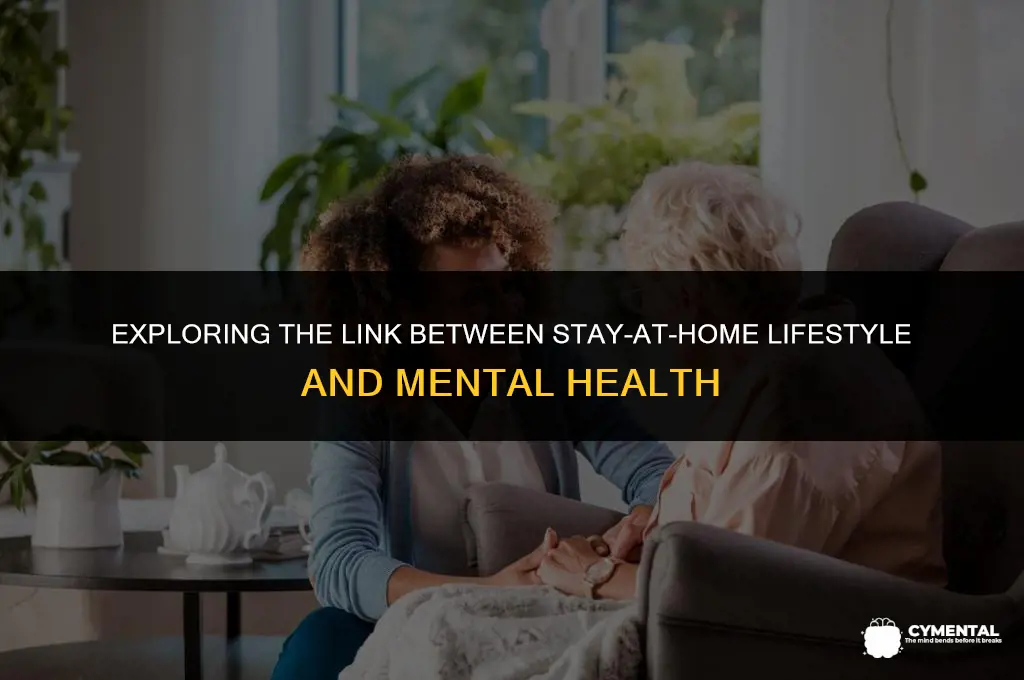
The topic of whether being a stay-at-home parent can cause mental illness is a complex and sensitive issue that warrants careful consideration. While the role of a stay-at-home parent can be incredibly rewarding, it can also be isolating and demanding, potentially leading to feelings of loneliness, stress, and anxiety. Research suggests that the lack of social interaction, the pressure to constantly be available for childcare, and the potential loss of personal identity can contribute to mental health challenges such as depression and burnout. However, it's important to note that individual experiences vary widely, and many stay-at-home parents find fulfillment and joy in their role. Addressing this topic requires a nuanced approach that acknowledges both the potential risks and the positive aspects of stay-at-home parenting, while also emphasizing the importance of support systems and self-care for mental well-being.
Explore related products

$17.85 $19.99


$29.95 $23.95


What You'll Learn
- Social Isolation: Lack of social interaction can lead to feelings of loneliness and depression
- Loss of Identity: Without a career, individuals may struggle with self-esteem and purpose
- Financial Stress: Dependence on a single income can cause anxiety and financial strain
- Domestic Responsibilities: Overwhelming household duties can result in burnout and resentment
- Limited Personal Growth: Reduced opportunities for learning and skill development can impact mental well-being

Social Isolation: Lack of social interaction can lead to feelings of loneliness and depression
Social isolation, characterized by a lack of social interaction, can significantly impact mental health, leading to feelings of loneliness and depression. This is particularly relevant for individuals who are stay-at-home parents, caregivers, or those working remotely, as their daily routines may limit opportunities for meaningful social engagement.
Research indicates that prolonged social isolation can alter brain chemistry, increasing the risk of developing mental health disorders such as depression and anxiety. The absence of social stimuli can lead to a decrease in the production of neurotransmitters like serotonin and dopamine, which are crucial for regulating mood and emotional well-being. Furthermore, social isolation can exacerbate existing mental health conditions, making it more challenging for individuals to cope with their symptoms.
To mitigate the negative effects of social isolation, it is essential for individuals to actively seek out opportunities for social interaction. This can include joining community groups, participating in online forums, or scheduling regular video calls with friends and family. Additionally, engaging in activities that promote a sense of connection, such as volunteering or taking up a new hobby, can help alleviate feelings of loneliness and improve overall mental health.
In the context of stay-at-home parenting or caregiving, it is crucial to recognize the importance of self-care and to prioritize activities that promote social connection. This may involve reaching out to other parents or caregivers in the community, joining support groups, or seeking professional counseling to address feelings of isolation and depression.
Ultimately, addressing social isolation requires a proactive approach, as it is unlikely to resolve on its own. By taking steps to increase social interaction and foster a sense of community, individuals can reduce the risk of developing mental health issues related to loneliness and depression, and improve their overall well-being.
Exploring the Link: Mental Health Meds and Heart Palpitations
You may want to see also
Explore related products


Loss of Identity: Without a career, individuals may struggle with self-esteem and purpose
Individuals who choose to stay at home, whether by choice or circumstance, often face a profound shift in their sense of identity. This change can be particularly challenging for those who have previously defined themselves through their careers. Without the structure and recognition that a job provides, stay-at-home individuals may struggle to maintain their self-esteem and sense of purpose.
One of the primary reasons for this struggle is the societal emphasis on career success as a measure of personal worth. In many cultures, a person's job title and professional achievements are closely tied to their identity and social status. When these external validators are absent, individuals may experience a significant drop in self-esteem, leading to feelings of inadequacy and purposelessness.
Moreover, the lack of a career can lead to social isolation, which further exacerbates the loss of identity. Stay-at-home individuals may find themselves disconnected from their professional networks and peers, making it difficult to maintain a sense of belonging and relevance. This isolation can contribute to the development of mental health issues such as depression and anxiety, as individuals feel increasingly disconnected from the world around them.
To mitigate these challenges, stay-at-home individuals can take proactive steps to redefine their identity and maintain their mental well-being. This may involve pursuing hobbies and interests, volunteering, or engaging in part-time work or education. By finding alternative sources of fulfillment and social connection, individuals can begin to rebuild their sense of self and purpose, even in the absence of a traditional career.
Ultimately, the loss of identity experienced by stay-at-home individuals is a complex issue that requires a multifaceted approach. By recognizing the societal pressures that contribute to this struggle and taking steps to maintain personal well-being, individuals can begin to navigate the challenges of stay-at-home life and find a renewed sense of purpose and identity.
Exploring the Link: Bladder Infections and Mental Health Concerns
You may want to see also
Explore related products





Financial Stress: Dependence on a single income can cause anxiety and financial strain
Financial stress is a significant concern for stay-at-home parents, particularly those who rely on a single income. This dependence can lead to anxiety and financial strain, as the sole breadwinner carries the weight of providing for the entire family. The pressure to make ends meet can be overwhelming, especially when unexpected expenses arise or when the cost of living increases.
One of the primary sources of financial stress for stay-at-home parents is the lack of a safety net. Without a second income, there is little room for error or unexpected financial setbacks. This can lead to a constant state of worry and fear about the future, which can take a toll on mental health. Additionally, the reliance on a single income can limit the family's ability to save for long-term goals, such as retirement or education, further exacerbating financial anxiety.
Moreover, financial stress can impact the dynamics within the family. The stay-at-home parent may feel a sense of guilt or inadequacy for not contributing financially, while the breadwinner may feel the pressure to provide and support the family. This can lead to tension and conflict, which can further contribute to mental health issues.
To mitigate financial stress, stay-at-home parents can take steps to manage their finances effectively. This may include creating a budget, tracking expenses, and finding ways to reduce costs. Additionally, exploring alternative sources of income, such as freelance work or starting a small business, can help alleviate financial pressure. Seeking support from friends, family, or mental health professionals can also be beneficial in coping with the emotional impact of financial stress.
In conclusion, financial stress is a real and significant concern for stay-at-home parents who rely on a single income. It can lead to anxiety, strain, and conflict within the family. However, by taking proactive steps to manage finances and seeking support when needed, stay-at-home parents can work towards reducing financial stress and improving their overall well-being.
Exploring the Link: ADHD and Mental Health Challenges
You may want to see also
Explore related products


Domestic Responsibilities: Overwhelming household duties can result in burnout and resentment
The relentless cycle of domestic responsibilities can be a significant contributor to mental health issues among stay-at-home individuals. The constant demands of household chores, childcare, and other domestic duties can lead to feelings of being overwhelmed and undervalued. This sense of never-ending tasks can result in burnout, where the individual feels physically and emotionally exhausted to the point of being unable to perform their duties effectively.
Moreover, the lack of recognition and appreciation for the work done at home can foster resentment. Stay-at-home individuals often feel that their contributions are invisible or taken for granted, leading to a sense of injustice and frustration. This can be exacerbated by societal expectations that undervalue domestic work compared to paid employment.
To mitigate these issues, it is crucial to establish a support system. This can include seeking help from family and friends, joining support groups, or engaging in online communities where individuals can share their experiences and offer mutual encouragement. Additionally, setting realistic goals and prioritizing tasks can help manage the workload and reduce feelings of being overwhelmed.
Self-care is also essential. Stay-at-home individuals should make time for activities that bring them joy and relaxation, such as hobbies, exercise, or spending time in nature. It is important to recognize that taking care of oneself is not selfish but necessary to maintain mental and emotional well-being.
In conclusion, the mental health challenges faced by stay-at-home individuals due to domestic responsibilities are real and should not be underestimated. By seeking support, setting boundaries, and practicing self-care, it is possible to alleviate some of the stress and prevent burnout and resentment from taking over.
Exploring the Link: Can Physical Health Conditions Trigger Mental Illness?
You may want to see also
Explore related products


Limited Personal Growth: Reduced opportunities for learning and skill development can impact mental well-being
Staying at home can significantly limit personal growth, as it often reduces opportunities for learning and skill development. This limitation can have a profound impact on mental well-being. When individuals are confined to their homes, they may find themselves isolated from the social and professional environments that typically provide avenues for personal and professional development.
One of the primary ways that staying at home can hinder personal growth is by limiting exposure to new experiences and challenges. In a professional setting, individuals are often presented with opportunities to learn new skills, take on new responsibilities, and engage in problem-solving activities. These experiences are crucial for cognitive development and can contribute to a sense of accomplishment and self-efficacy. When these opportunities are absent, individuals may feel stagnant and unfulfilled, which can lead to feelings of depression and anxiety.
Furthermore, staying at home can also impact mental well-being by reducing social interaction. Social connections are essential for emotional support, and they often provide opportunities for learning and growth through shared experiences and perspectives. When individuals are isolated at home, they may miss out on these valuable interactions, leading to feelings of loneliness and disconnection.
Another significant factor is the lack of structure and routine that often accompanies staying at home. Without the regular schedule provided by work or school, individuals may struggle to maintain a sense of purpose and direction. This lack of structure can lead to a decrease in motivation and productivity, further exacerbating feelings of mental distress.
To mitigate these effects, it is essential for individuals who are staying at home to actively seek out opportunities for learning and growth. This can include engaging in online courses, participating in virtual workshops, or pursuing hobbies and interests that provide a sense of accomplishment and personal development. Additionally, maintaining social connections through virtual means and establishing a daily routine can help to create a sense of structure and purpose.
In conclusion, while staying at home can provide a sense of comfort and security, it is crucial to recognize the potential impact on personal growth and mental well-being. By actively seeking out opportunities for learning and maintaining social connections, individuals can help to mitigate these effects and promote a healthier, more fulfilling lifestyle.
Understanding Victim Mentality: The Impact of Controlling Behavior
You may want to see also
Frequently asked questions
Being a stay-at-home parent can contribute to mental health challenges such as depression, anxiety, and isolation. The lack of adult interaction, the stress of childcare, and the potential loss of personal identity can all impact mental well-being. It's important for stay-at-home parents to seek support, maintain social connections, and practice self-care to mitigate these risks.
Signs of mental illness in stay-at-home parents may include persistent feelings of sadness or emptiness, loss of interest in activities once enjoyed, irritability, anxiety, and changes in appetite or sleep patterns. It's crucial to recognize these signs and seek professional help if they persist or worsen.
Stay-at-home parents can prevent or manage mental illness by prioritizing self-care, which includes regular exercise, healthy eating, and adequate sleep. They should also maintain social connections through playgroups, online communities, or scheduling regular outings with friends. Seeking professional counseling or therapy can be beneficial in managing stress and addressing mental health concerns. Additionally, setting realistic expectations and boundaries, and finding time for personal hobbies or interests can help maintain mental well-being.