Caleb Wright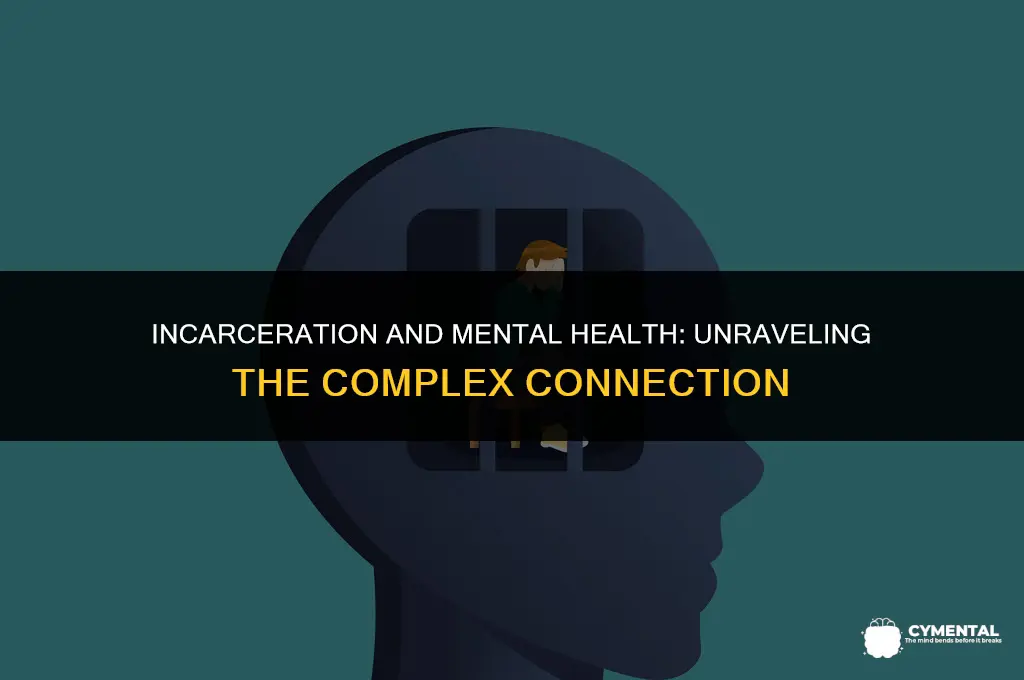
The question of whether imprisonment can lead to mental illness is a complex and multifaceted issue that has been the subject of extensive research and debate. While incarceration is intended as a form of punishment and rehabilitation, it can also have profound psychological effects on individuals. The stark reality of prison life, characterized by confinement, isolation, and a lack of autonomy, can exacerbate existing mental health conditions or even precipitate the onset of new ones. Studies have shown that prisoners often experience high levels of stress, anxiety, and depression, which can be further compounded by the challenges of reintegration into society upon release. Therefore, it is crucial to consider the potential mental health implications of incarceration and to explore strategies for mitigating these effects, such as providing adequate mental health services and support within correctional facilities and during the transition back into the community.
Explore related products


What You'll Learn
- Stress and Anxiety: Incarceration can lead to heightened stress levels, contributing to anxiety disorders among prisoners
- Depression: The loss of freedom and separation from loved ones can trigger depressive episodes in individuals behind bars
- Psychosis: Some prisoners may experience psychotic symptoms, such as hallucinations or delusions, due to the stress of confinement
- Post-Traumatic Stress Disorder (PTSD): Exposure to traumatic events in prison can result in the development of PTSD
- Coping Mechanisms: Prisoners may develop unhealthy coping mechanisms, such as substance abuse or self-harm, to deal with the psychological toll of incarceration

Stress and Anxiety: Incarceration can lead to heightened stress levels, contributing to anxiety disorders among prisoners
The confined environment of a prison cell can significantly amplify stress levels among inmates. This heightened stress is often a direct result of the loss of freedom, separation from loved ones, and the constant surveillance that characterizes the prison experience. Inmates may also face uncertainty about their future, legal battles, and the stigma associated with incarceration, all of which can contribute to a persistent state of anxiety.
Research has shown that prolonged exposure to high-stress environments can lead to the development of anxiety disorders. In the context of incarceration, this can manifest as generalized anxiety disorder, characterized by excessive worry and fear that interfere with daily functioning. Additionally, the lack of control over one's environment and the unpredictability of prison life can exacerbate these symptoms, making it difficult for inmates to cope with their anxiety.
The physical health implications of stress and anxiety in prison should not be overlooked. Chronic stress can weaken the immune system, increase blood pressure, and contribute to a range of other health problems. Inmates with pre-existing mental health conditions may find that their symptoms worsen in the prison environment, further complicating their ability to manage stress and anxiety.
Addressing stress and anxiety among prisoners requires a multifaceted approach. Mental health professionals can provide therapy and counseling to help inmates develop coping strategies and manage their symptoms. Additionally, prison programs that focus on rehabilitation, education, and skill-building can offer inmates a sense of purpose and hope for the future, which can help mitigate the negative effects of stress and anxiety.
In conclusion, the stress and anxiety experienced by prisoners can have significant and lasting impacts on their mental and physical health. It is crucial that prison systems recognize the importance of addressing these issues and provide inmates with the resources and support they need to manage their stress and anxiety effectively.
Exploring the Link Between Mental Illnesses and Chemical Imbalances
You may want to see also
Explore related products


Depression: The loss of freedom and separation from loved ones can trigger depressive episodes in individuals behind bars
The loss of freedom and separation from loved ones can trigger depressive episodes in individuals behind bars. This is a stark reality that many incarcerated individuals face, as the abrupt change in environment and the severance of personal connections can lead to profound emotional distress. The psychological impact of imprisonment is multifaceted, with depression being one of the most prevalent mental health issues among inmates.
Research has shown that the incidence of depression in prisons is significantly higher than in the general population. This can be attributed to various factors, including the loss of autonomy, the disruption of social support networks, and the exposure to traumatic events within the prison system. The inability to engage in activities that were once a source of pleasure or fulfillment, coupled with the isolation from family and friends, can create a sense of hopelessness and despair that is characteristic of depressive disorders.
Furthermore, the prison environment itself can exacerbate depressive symptoms. The lack of natural light, the confined spaces, and the constant surveillance can contribute to feelings of claustrophobia and anxiety, which can further deepen the depressive state. Additionally, the social dynamics within prisons, such as the prevalence of violence and the hierarchical structure, can create a sense of powerlessness and vulnerability, making inmates more susceptible to depression.
It is crucial for prison authorities and mental health professionals to recognize the signs of depression in inmates and provide appropriate treatment and support. This may include individual therapy, group counseling, and medication management. Moreover, efforts should be made to improve the prison environment by increasing access to natural light, providing opportunities for physical activity and social interaction, and reducing the use of solitary confinement.
In conclusion, the loss of freedom and separation from loved ones can have a profound impact on the mental health of individuals behind bars, often leading to depressive episodes. Addressing this issue requires a multifaceted approach that includes both therapeutic interventions and environmental modifications to mitigate the psychological distress experienced by inmates.
Exploring the Link: Can Anguish Lead to Mental Illness?
You may want to see also
Psychosis: Some prisoners may experience psychotic symptoms, such as hallucinations or delusions, due to the stress of confinement
The confined and controlled environment of a prison can significantly impact an individual's mental health, sometimes leading to the manifestation of psychotic symptoms. Psychosis, characterized by a disconnection from reality, can present as hallucinations, delusions, or disorganized thinking and behavior. The stress of confinement, coupled with the loss of autonomy and the challenges of adapting to a rigid institutional culture, can exacerbate underlying vulnerabilities or trigger new mental health issues.
Research has shown that the incidence of psychotic disorders can be higher among prisoners compared to the general population. This may be due to a combination of factors, including the psychological stress of incarceration, the presence of pre-existing mental health conditions, and the potential for substance abuse or withdrawal. The prison environment, with its constant surveillance, limited personal space, and restricted freedom of movement, can create a sense of hypervigilance and anxiety that may contribute to the development of psychotic symptoms.
Prisoners experiencing psychosis may face significant challenges in accessing appropriate mental health care. The stigma associated with mental illness can lead to reluctance in seeking help, and the prison system may not always provide adequate resources or trained professionals to address these complex needs. Furthermore, the use of solitary confinement as a disciplinary measure can be particularly detrimental to individuals with psychotic symptoms, as it can intensify feelings of isolation and paranoia.
Addressing the mental health needs of prisoners requires a multifaceted approach that includes screening for mental health issues upon incarceration, providing access to evidence-based treatments, and creating a supportive environment that promotes psychological well-being. This may involve implementing programs that focus on stress management, social skills training, and cognitive-behavioral therapy. Additionally, efforts to reduce stigma and promote a culture of understanding and compassion within the prison system can help encourage prisoners to seek help and support when needed.
In conclusion, the experience of psychosis among prisoners is a complex issue that is influenced by a variety of factors, including the stress of confinement, pre-existing mental health conditions, and access to appropriate care. By addressing these challenges and implementing strategies to promote mental health and well-being, it is possible to mitigate the risk of psychosis and improve outcomes for individuals incarcerated in the prison system.
Unraveling the Link: Childhood Trauma and Mental Health
You may want to see also
Post-Traumatic Stress Disorder (PTSD): Exposure to traumatic events in prison can result in the development of PTSD
Exposure to traumatic events in prison can result in the development of Post-Traumatic Stress Disorder (PTSD), a condition characterized by intrusive memories, heightened arousal, and emotional numbing. The confined and often violent environment of a prison can trigger PTSD symptoms in inmates, particularly those who have experienced physical or sexual abuse, witnessed violent acts, or been subjected to solitary confinement.
Research indicates that the prevalence of PTSD among prisoners is significantly higher than in the general population, with some studies suggesting that up to 30% of inmates may suffer from the disorder. This heightened risk is attributed to the unique stressors of the prison environment, including the loss of personal freedom, the threat of violence, and the disruption of social support networks.
The development of PTSD in prison can have severe consequences for an individual's mental and physical health, as well as their ability to reintegrate into society upon release. Symptoms of PTSD can interfere with an inmate's ability to participate in rehabilitation programs, maintain positive relationships with family and friends, and cope with the challenges of daily life. Furthermore, untreated PTSD can lead to a range of negative outcomes, including substance abuse, self-harm, and suicidal ideation.
Given the high prevalence of PTSD among prisoners, it is essential that correctional facilities provide adequate mental health services to address the needs of affected inmates. This may include trauma-focused therapies, such as cognitive behavioral therapy (CBT) and eye movement desensitization and reprocessing (EMDR), as well as medication management and social support programs. By addressing the mental health needs of prisoners with PTSD, correctional facilities can help to reduce recidivism rates, improve public safety, and promote the successful reintegration of former inmates into society.
Exploring the Link: Epidural Anesthesia and Mental Health Concerns
You may want to see also
Coping Mechanisms: Prisoners may develop unhealthy coping mechanisms, such as substance abuse or self-harm, to deal with the psychological toll of incarceration
In the confines of a prison cell, the psychological toll of incarceration can be overwhelming. Prisoners often face a myriad of challenges, including isolation, loss of freedom, and the stigma of their criminal past. To cope with these stressors, some inmates may turn to unhealthy mechanisms such as substance abuse or self-harm. These maladaptive strategies can provide a temporary escape from the harsh realities of prison life, but they also carry significant risks to the individual's physical and mental health.
Substance abuse, for instance, can lead to a range of negative consequences, including addiction, overdose, and the spread of infectious diseases. Inmates who engage in substance abuse may also experience heightened aggression, paranoia, and depression, which can further exacerbate the psychological strain of incarceration. Self-harm, on the other hand, can result in serious physical injuries, infection, and even death. It is often used as a means of expressing emotional pain or gaining a sense of control in an environment where autonomy is severely limited.
Despite the dangers associated with these coping mechanisms, they can be difficult to address within the prison system. Inmates may be reluctant to seek help due to fear of judgment, stigma, or retaliation from other prisoners or staff. Additionally, the availability of mental health services in prisons is often limited, making it challenging for inmates to access the support they need. As a result, these unhealthy coping strategies can persist, leading to long-term negative consequences for the individual's well-being.
To effectively address the issue of unhealthy coping mechanisms in prisons, it is essential to adopt a multifaceted approach. This may include increasing access to mental health services, providing education and awareness about the risks of substance abuse and self-harm, and implementing evidence-based interventions to support inmates in developing healthier coping strategies. By addressing the root causes of these maladaptive behaviors and providing inmates with the necessary support, we can help to mitigate the psychological toll of incarceration and promote better outcomes for those behind bars.
Exploring the Link: Slow Thyroid and Mental Health in Infants
You may want to see also
Frequently asked questions
Imprisonment can indeed exacerbate or contribute to mental health issues. The confined environment, lack of freedom, and social isolation can lead to increased stress, anxiety, and depression. Additionally, the prison system often lacks adequate mental health resources, making it difficult for inmates to receive proper care.
Prisoners frequently experience a range of mental health challenges, including depression, anxiety disorders, post-traumatic stress disorder (PTSD), and substance abuse issues. The stress of incarceration, separation from loved ones, and the uncertainty of the future can significantly impact an individual's mental well-being.
The prison environment can have a profound impact on the mental health of inmates. Factors such as overcrowding, limited access to natural light and outdoor spaces, and the constant presence of security measures can create a sense of claustrophobia and heightened stress. Furthermore, the lack of privacy and autonomy can contribute to feelings of powerlessness and hopelessness, exacerbating mental health issues.