Noah Parker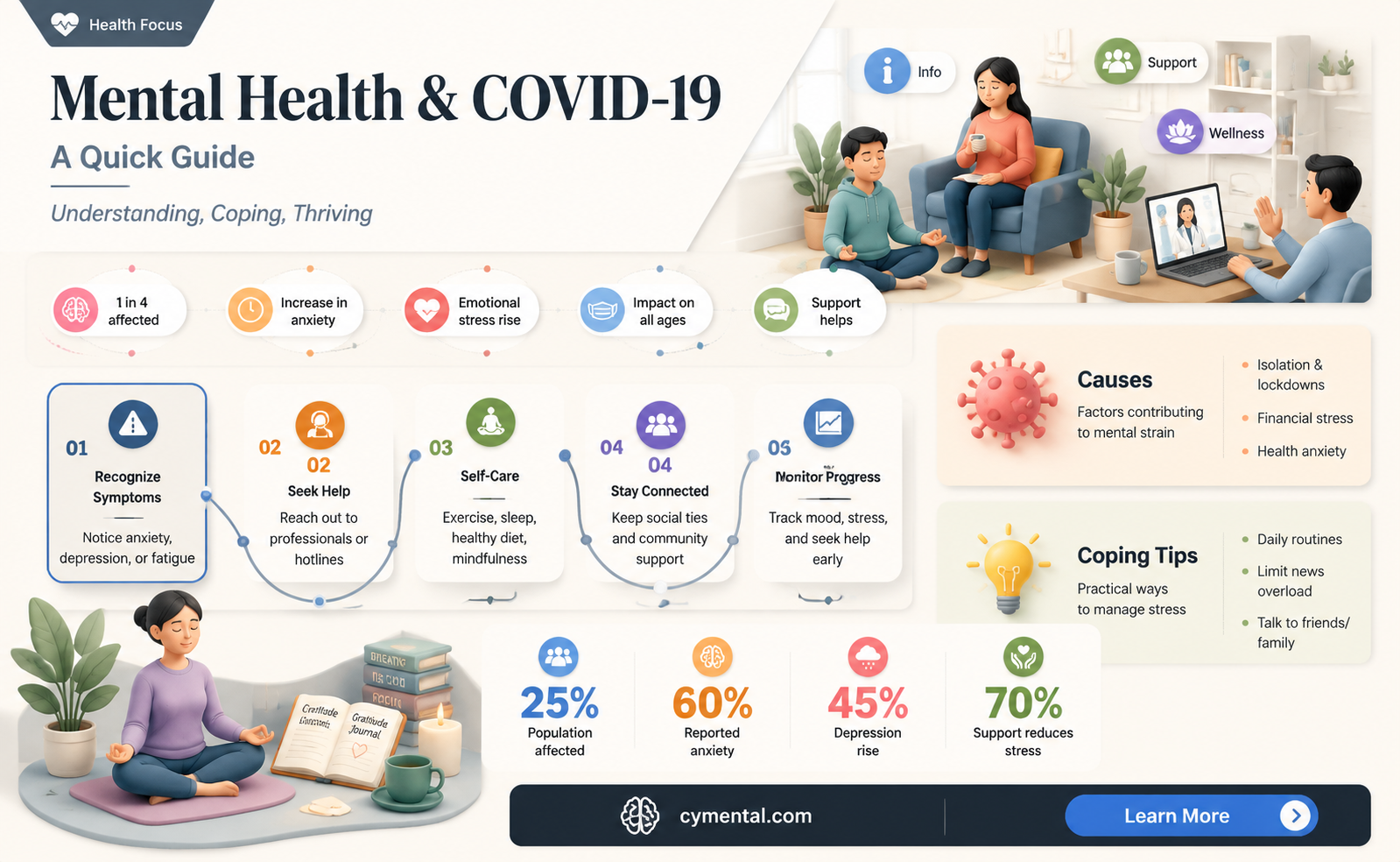
The COVID-19 pandemic has had far-reaching impacts beyond physical health, significantly affecting mental well-being across the globe. The virus has triggered a range of psychological responses, from anxiety and depression to more severe mental health issues. Factors such as social isolation, economic uncertainty, and the constant threat of infection have contributed to a mental health crisis. Research has shown that the pandemic has exacerbated existing mental health conditions and led to new cases of anxiety and depression. The long-term effects of COVID-19 on mental health are still being studied, but it is clear that the pandemic has had a profound and lasting impact on the psychological well-being of individuals and communities worldwide.
| Characteristics | Values |
|---|---|
| Anxiety | Increased levels of anxiety have been reported in individuals affected by COVID-19. This may be due to the uncertainty and fear surrounding the virus, as well as the potential for social isolation and economic hardship. |
| Depression | Symptoms of depression, such as persistent sadness, loss of interest in activities, and changes in appetite or sleep patterns, have been observed in some COVID-19 patients. The impact of the pandemic on daily life and the potential for loss of loved ones can contribute to depressive symptoms. |
| Stress | The stress of dealing with COVID-19, whether through illness, quarantine, or changes in work and family life, can have significant mental health impacts. Chronic stress can lead to a range of physical and emotional health problems. |
| PTSD | Post-traumatic stress disorder (PTSD) has been reported in individuals who have experienced severe COVID-19 symptoms or who have been hospitalized. The traumatic nature of the illness and the potential for long-term health consequences can contribute to PTSD symptoms. |
| Cognitive Impairment | Some COVID-19 patients have reported cognitive difficulties, such as trouble concentrating, memory problems, and confusion. These symptoms may be related to the virus's impact on the brain or the result of prolonged illness and isolation. |
| Sleep Disturbances | Changes in sleep patterns, including insomnia and nightmares, have been common among COVID-19 patients. These disturbances can be caused by the stress of the illness, changes in routine, or the use of certain medications. |
| Social Isolation | The need for social distancing and quarantine measures can lead to feelings of loneliness and social isolation. This can be particularly challenging for individuals who live alone or who have limited social support. |
| Economic Hardship | The economic impact of the pandemic, including job loss and financial insecurity, can contribute to mental health problems. Financial stress can lead to anxiety, depression, and other mental health issues. |
| Stigma | Individuals who have been diagnosed with COVID-19 may experience stigma and discrimination from others. This can lead to feelings of shame, guilt, and social isolation. |
| Access to Care | The pandemic has disrupted mental health services in many areas, making it more difficult for individuals to access the care they need. This can lead to worsening mental health symptoms and a lack of support for those who are struggling. |
Explore related products


What You'll Learn
- Anxiety and Depression: COVID-19's impact on mental health, increasing cases of anxiety and depression globally
- Isolation and Loneliness: Lockdowns and social distancing measures leading to feelings of isolation and loneliness
- Trauma and PTSD: The pandemic's traumatic effects, especially on frontline workers and those who lost loved ones
- Substance Abuse: Increased substance use as a coping mechanism during the pandemic
- Mental Health Services: Challenges in accessing mental health services and the shift to online therapy sessions

Anxiety and Depression: COVID-19's impact on mental health, increasing cases of anxiety and depression globally
The COVID-19 pandemic has had a profound impact on mental health worldwide, with a significant increase in cases of anxiety and depression. This is evident from the numerous studies and reports that have been published since the outbreak began. For instance, a study by the World Health Organization (WHO) found that the prevalence of anxiety and depression increased by 25% in the first year of the pandemic. This trend has continued, with many people experiencing prolonged periods of stress, fear, and uncertainty.
One of the main reasons for this increase in anxiety and depression is the social isolation and loneliness that many people have experienced during the pandemic. Lockdowns, travel restrictions, and social distancing measures have made it difficult for people to connect with others, leading to feelings of loneliness and disconnection. This has been particularly challenging for those who live alone or have limited social support networks.
Another factor contributing to the rise in anxiety and depression is the economic uncertainty caused by the pandemic. Job losses, financial instability, and the closure of businesses have led to increased stress and worry about the future. This has been exacerbated by the fact that many people have had to adapt to new ways of working, such as remote work, which can be challenging and isolating.
The pandemic has also had a significant impact on healthcare systems, leading to delays in treatment and a lack of access to mental health services. This has made it difficult for people to seek help for their mental health issues, further exacerbating the problem. In addition, the constant stream of news and information about the pandemic has created a sense of information overload, leading to increased anxiety and stress.
It is clear that the COVID-19 pandemic has had a devastating impact on mental health worldwide. The increase in cases of anxiety and depression is a serious concern that requires immediate attention and action. Governments, healthcare providers, and individuals must work together to address this issue and provide support for those who are struggling. This includes increasing access to mental health services, promoting social connection and support, and addressing the economic uncertainty that is contributing to the rise in anxiety and depression.
The Impact of Procrastination on Mental Health: A Comprehensive Guide
You may want to see also
Explore related products


Isolation and Loneliness: Lockdowns and social distancing measures leading to feelings of isolation and loneliness
The COVID-19 pandemic has brought about unprecedented changes in the way we live, work, and interact with others. One of the most significant impacts has been the implementation of lockdowns and social distancing measures, which have led to feelings of isolation and loneliness for many individuals. These measures, while necessary to control the spread of the virus, have disrupted our social connections and daily routines, leaving us feeling disconnected from the world around us.
Research has shown that prolonged periods of isolation can have detrimental effects on our mental health, including increased symptoms of depression, anxiety, and stress. The lack of social interaction can also lead to a decline in cognitive function, as our brains rely on social engagement to stay active and healthy. Furthermore, the uncertainty and fear surrounding the pandemic can exacerbate these feelings, making it difficult for individuals to cope with the situation.
It is important to note that the impact of isolation and loneliness can vary depending on individual circumstances. For example, older adults may be more vulnerable to the effects of social isolation, as they may have fewer opportunities for social interaction and may be more reliant on others for support. Similarly, individuals living alone or those with pre-existing mental health conditions may be more susceptible to the negative effects of isolation.
To mitigate the impact of isolation and loneliness, it is essential to find ways to stay connected with others, even if it is through virtual means. This can include regular phone or video calls with friends and family, participating in online social groups or forums, and engaging in activities that promote a sense of community and belonging. Additionally, it is important to prioritize self-care and to seek professional help if feelings of isolation and loneliness become overwhelming.
In conclusion, the COVID-19 pandemic has highlighted the importance of social connection and the potential negative consequences of isolation and loneliness. By understanding the impact of these measures on our mental health and taking steps to stay connected with others, we can better navigate the challenges posed by the pandemic and emerge stronger on the other side.
Digital Dilemma: The Impact of Technology on Mental Health
You may want to see also
Explore related products

$37.94 $39.95


Trauma and PTSD: The pandemic's traumatic effects, especially on frontline workers and those who lost loved ones
The COVID-19 pandemic has left an indelible mark on the mental health landscape, with its far-reaching consequences extending beyond physical illness. Frontline workers, who bravely faced the virus head-on, and individuals who lost loved ones to the disease, have been particularly vulnerable to the traumatic effects of the pandemic. Post-Traumatic Stress Disorder (PTSD) has emerged as a significant concern, with its symptoms manifesting in various ways among those affected.
For frontline workers, the pandemic presented an unprecedented level of stress and trauma. The constant exposure to the virus, the fear of infection, and the overwhelming workload have taken a toll on their mental well-being. Many have reported symptoms of PTSD, such as flashbacks, nightmares, and heightened anxiety. The lack of adequate protective equipment, the scarcity of resources, and the emotional burden of witnessing patients suffer and die have all contributed to the development of PTSD in this group.
Similarly, individuals who lost loved ones to COVID-19 have been thrust into a state of grief and trauma. The sudden and often unexpected nature of the deaths, coupled with the inability to say goodbye or hold traditional funerals, has exacerbated the emotional impact. Survivors have been left to grapple with feelings of guilt, anger, and helplessness, which can be hallmarks of PTSD. The loss of a loved one can also lead to a sense of isolation and disconnection from others, further compounding the mental health challenges faced by this group.
The pandemic's traumatic effects have been further amplified by the broader societal context. The uncertainty and fear surrounding the virus, the economic instability, and the social isolation measures have all contributed to a sense of collective trauma. This has created a perfect storm for the development of PTSD, with individuals feeling overwhelmed and unsupported.
In conclusion, the COVID-19 pandemic has had a profound impact on the mental health of frontline workers and those who lost loved ones. PTSD has emerged as a significant concern, with its symptoms manifesting in various ways among those affected. It is crucial that we recognize the traumatic effects of the pandemic and provide the necessary support and resources to help individuals cope and heal.
Exploring the Link: Hormones in Food and Mental Health Impact
You may want to see also
Explore related products


Substance Abuse: Increased substance use as a coping mechanism during the pandemic
The COVID-19 pandemic has led to a significant increase in substance use as a coping mechanism, highlighting a critical intersection between public health crises and mental health challenges. This phenomenon can be attributed to several factors, including heightened stress levels, social isolation, and disruptions to daily routines. Individuals may turn to substances such as alcohol, drugs, or even prescription medications to alleviate anxiety, depression, or other pandemic-related emotional distress.
One notable aspect of this trend is the rise in alcohol consumption. Studies have shown that alcohol sales increased during the early stages of the pandemic, and this correlates with reports of increased drinking among adults. The reasons for this are multifaceted: alcohol is often used as a social lubricant, and with social distancing measures in place, people may have turned to drinking alone or in smaller groups. Additionally, the uncertainty and fear surrounding the pandemic may have driven some individuals to use alcohol as a means of self-medication.
The impact of increased substance use during the pandemic extends beyond individual health. Families and communities have also been affected, with reports of increased domestic violence, child abuse, and relationship strain. Furthermore, the healthcare system has faced additional burdens, as substance abuse can lead to a range of health problems, including liver disease, addiction, and overdose.
Addressing this issue requires a comprehensive approach that includes public health interventions, mental health support, and community-based initiatives. Public health campaigns can raise awareness about the risks associated with increased substance use and promote healthier coping mechanisms. Mental health services, including counseling and therapy, can provide individuals with the support they need to manage pandemic-related stress and anxiety. Community organizations can also play a vital role by offering resources and support to those affected by substance abuse.
In conclusion, the increase in substance use as a coping mechanism during the COVID-19 pandemic is a complex issue that requires a multifaceted response. By understanding the underlying factors contributing to this trend and implementing targeted interventions, we can mitigate the negative impacts of substance abuse and promote overall well-being.
Exploring the Impact of Skull Fractures on Mental Health
You may want to see also
Explore related products


Mental Health Services: Challenges in accessing mental health services and the shift to online therapy sessions
The COVID-19 pandemic has significantly impacted mental health services, creating unprecedented challenges in accessing care. One of the primary issues has been the disruption of in-person therapy sessions, forcing many providers and clients to adapt to online therapy. This shift has been particularly challenging for those who lack access to reliable internet or suitable devices, exacerbating existing disparities in mental health care.
Online therapy, while a valuable alternative, presents its own set of challenges. For instance, the lack of non-verbal cues and the potential for technological glitches can hinder the therapeutic process. Additionally, some clients may find it difficult to establish a strong rapport with their therapist through a screen, which can be crucial for effective treatment. Despite these challenges, online therapy has also offered some benefits, such as increased flexibility and reduced travel time, which may make it more accessible for some individuals.
Another significant challenge has been the increased demand for mental health services, coupled with a shortage of providers. This has led to longer wait times and difficulties in finding available appointments. Furthermore, the pandemic has caused many mental health professionals to experience burnout, which can impact the quality of care they provide. To address these issues, some organizations have implemented innovative solutions, such as virtual support groups and automated therapy chatbots, to help meet the growing demand for mental health support.
The pandemic has also highlighted the importance of addressing mental health stigma, particularly in communities that may be more hesitant to seek help. Cultural and linguistic barriers can further complicate access to mental health services, making it essential to develop targeted interventions that address these specific needs. Overall, the challenges posed by the pandemic have underscored the need for a more robust and accessible mental health care system, one that can adapt to the changing needs of its clients and provide effective support even in times of crisis.
Unseen Scars: The Mental Impact of Physical Abuse
You may want to see also
Frequently asked questions
Yes, COVID-19 can affect your mental health. The pandemic has led to increased levels of stress, anxiety, and depression due to factors such as social isolation, fear of infection, and economic uncertainty.
Common mental health symptoms experienced during the COVID-19 pandemic include anxiety, depression, stress, insomnia, and feelings of loneliness or isolation.
To manage your mental health during the COVID-19 pandemic, you can practice self-care by engaging in regular exercise, maintaining a healthy diet, getting enough sleep, and staying connected with friends and family through virtual means. Additionally, seeking professional help from a mental health provider can be beneficial if you are experiencing severe symptoms.