Lucas Bennett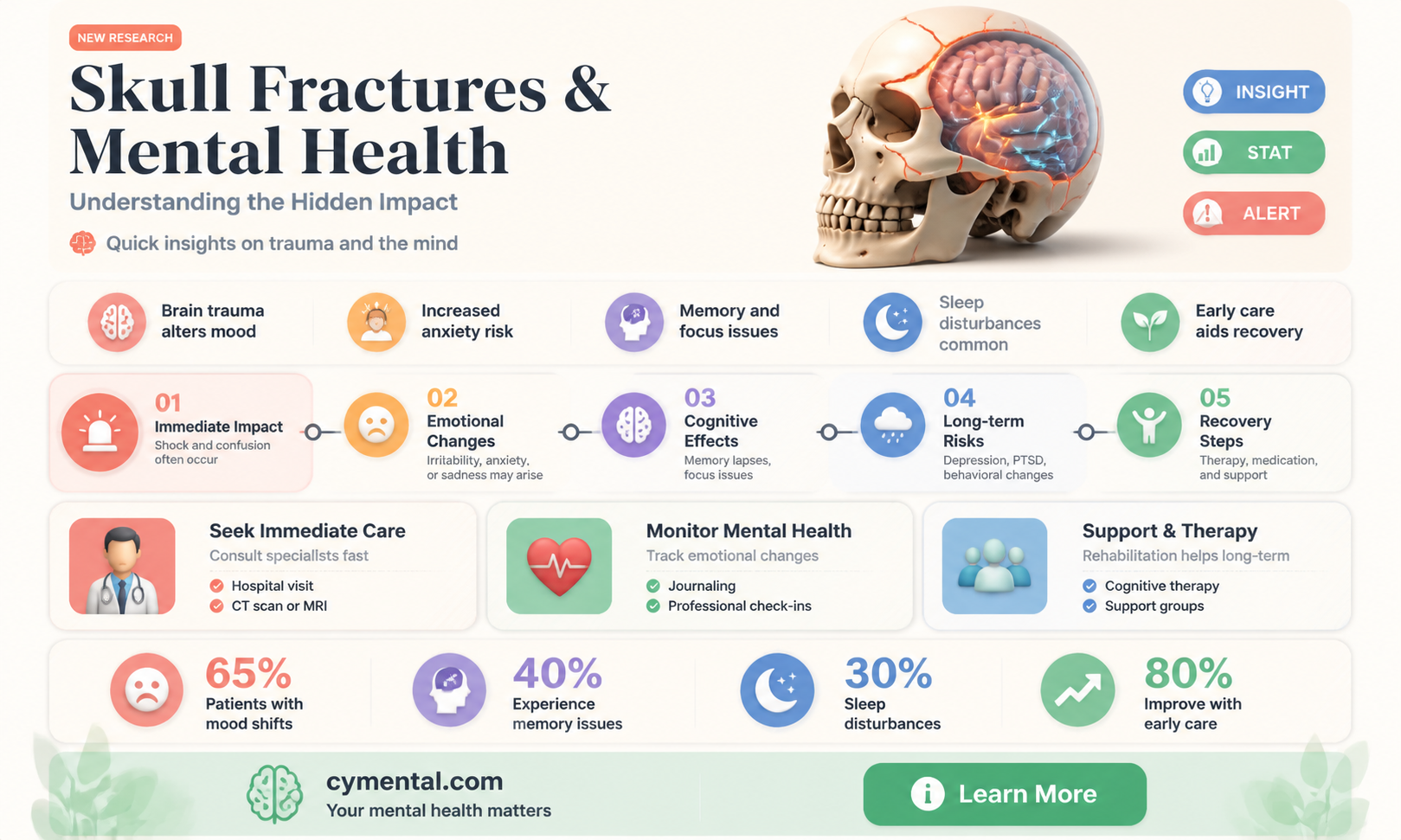
A skull fracture is a serious injury that can have significant implications for an individual's mental health. The impact of such an injury extends beyond the physical realm, often leading to psychological distress and emotional challenges. Research has shown that individuals who have experienced a skull fracture may be at a higher risk of developing mental health conditions such as depression, anxiety, and post-traumatic stress disorder (PTSD). The severity of the fracture, the circumstances surrounding the injury, and the individual's pre-existing mental health status can all influence the extent to which their mental well-being is affected. It is crucial for healthcare providers to consider the potential mental health consequences of a skull fracture and to provide appropriate support and referrals for psychological care as part of the overall treatment plan.
Explore related products


What You'll Learn
- Physical Trauma and Mental Health: Exploring the psychological impact of physical injuries to the brain
- Symptoms of Mental Health Issues Post-Fracture: Discussing common mental health symptoms that may arise after a skull fracture
- Treatment Options for Mental Health Concerns: Reviewing therapeutic approaches and medical treatments available for mental health issues related to trauma
- Long-Term Effects on Cognitive Function: Investigating potential lasting impacts on thinking, memory, and cognitive abilities after a skull fracture
- Support Systems for Recovery: Highlighting the importance of social and professional support in the recovery process from both physical and mental health perspectives

Physical Trauma and Mental Health: Exploring the psychological impact of physical injuries to the brain
Traumatic brain injuries (TBIs), including skull fractures, can have profound and lasting effects on mental health. The physical damage to the brain can disrupt normal functioning and lead to a range of psychological symptoms. One of the most common mental health impacts of TBIs is the development of anxiety and depression. Studies have shown that individuals who suffer from TBIs are at a higher risk of developing these conditions compared to the general population. The severity and duration of these mental health issues can vary depending on the extent of the brain injury.
In addition to anxiety and depression, TBIs can also lead to cognitive impairments. These may include difficulties with memory, attention, and problem-solving. Such cognitive challenges can significantly impact an individual's ability to function in daily life, affecting their work, relationships, and overall quality of life. Furthermore, TBIs can result in personality changes, with individuals becoming more irritable, impulsive, or aggressive. These changes can be particularly challenging for both the affected individual and their loved ones.
Post-traumatic stress disorder (PTSD) is another mental health condition that can arise following a TBI. PTSD is characterized by symptoms such as flashbacks, nightmares, and severe anxiety, which can be triggered by reminders of the traumatic event. The development of PTSD can further complicate the recovery process for individuals with TBIs, as it can exacerbate existing mental health issues and impede overall healing.
It is crucial for healthcare providers to recognize the potential mental health implications of TBIs and to provide appropriate support and treatment. This may include psychological counseling, medication, and cognitive rehabilitation therapy. By addressing both the physical and psychological aspects of TBIs, healthcare professionals can help individuals to better manage their symptoms and improve their overall well-being.
In conclusion, the psychological impact of physical injuries to the brain, such as skull fractures, should not be underestimated. These injuries can lead to a range of mental health issues, including anxiety, depression, cognitive impairments, personality changes, and PTSD. It is essential for individuals who have suffered from TBIs to receive comprehensive care that addresses both their physical and mental health needs.
Unraveling the Impact: Stress and Its Effects on Mental Health
You may want to see also
Explore related products


Symptoms of Mental Health Issues Post-Fracture: Discussing common mental health symptoms that may arise after a skull fracture
Individuals who have experienced a skull fracture may face a range of mental health challenges in the aftermath of their injury. One of the most common symptoms is anxiety, which can manifest as excessive worry, fear, or a sense of impending doom. This anxiety may be related to concerns about the physical recovery process, potential long-term effects of the injury, or the emotional impact of the traumatic event. In some cases, anxiety can be so severe that it interferes with daily functioning and may require professional treatment.
Another mental health symptom that can arise after a skull fracture is depression. This may present as feelings of sadness, hopelessness, or a loss of interest in activities that were once enjoyable. Depression can be particularly challenging for individuals who are also dealing with physical pain or limitations resulting from their injury. It is important to note that depression can sometimes be a side effect of certain medications used to manage pain or other symptoms related to the fracture.
In addition to anxiety and depression, individuals may also experience post-traumatic stress disorder (PTSD) following a skull fracture. PTSD can develop when a person has experienced or witnessed a traumatic event, such as a severe injury, and may present as flashbacks, nightmares, or intense emotional reactions to reminders of the event. PTSD can significantly impact a person's quality of life and may require specialized treatment to manage symptoms effectively.
It is also important to consider the potential for cognitive changes following a skull fracture. Some individuals may experience difficulties with memory, attention, or problem-solving abilities. These cognitive changes can be particularly challenging for those who have suffered a traumatic brain injury in addition to the skull fracture. In some cases, cognitive rehabilitation therapy may be necessary to help individuals regain their cognitive functioning.
Finally, it is crucial to recognize that mental health symptoms can vary widely from person to person, and some individuals may not experience any significant mental health issues following a skull fracture. However, for those who do, it is important to seek professional help and support to manage symptoms and promote overall well-being.
Exploring the Link: Bladder Infections and Mental Health Impact
You may want to see also
Explore related products


Treatment Options for Mental Health Concerns: Reviewing therapeutic approaches and medical treatments available for mental health issues related to trauma
Trauma-focused cognitive behavioral therapy (TF-CBT) is a highly effective therapeutic approach for addressing mental health concerns related to trauma. This evidence-based treatment involves a structured series of sessions aimed at helping individuals process and cope with traumatic experiences. TF-CBT typically includes components such as psychoeducation about trauma, cognitive restructuring to challenge negative thought patterns, and exposure therapy to gradually confront and desensitize the individual to trauma-related stimuli.
In addition to TF-CBT, eye movement desensitization and reprocessing (EMDR) is another therapeutic modality commonly used to treat trauma-related mental health issues. EMDR involves guiding the individual through a series of rapid eye movements while they recall and process traumatic memories. This technique is believed to help integrate and resolve fragmented memories, reducing the intensity of associated emotions and symptoms.
Pharmacological interventions can also play a role in the treatment of mental health concerns related to trauma. Selective serotonin reuptake inhibitors (SSRIs) and serotonin-norepinephrine reuptake inhibitors (SNRIs) are often prescribed to help manage symptoms of depression and anxiety that may arise following a traumatic event. In some cases, medications such as prazosin may be used to help reduce nightmares and improve sleep quality in individuals with post-traumatic stress disorder (PTSD).
It is important to note that the effectiveness of treatment options can vary depending on the individual and the severity of their symptoms. A comprehensive treatment plan may involve a combination of therapeutic approaches and medical treatments, tailored to the specific needs of the person seeking help. Furthermore, early intervention and ongoing support are crucial in promoting recovery and improving mental health outcomes following trauma.
The Dark Side of Sports: Unveiling Mental Health Challenges
You may want to see also
Explore related products


Long-Term Effects on Cognitive Function: Investigating potential lasting impacts on thinking, memory, and cognitive abilities after a skull fracture
A skull fracture can have profound and lasting effects on cognitive function, impacting various aspects of mental health and daily life. Research indicates that individuals who have suffered a skull fracture may experience long-term difficulties with thinking, memory, and other cognitive abilities. These challenges can manifest in subtle ways, such as trouble concentrating, remembering details, or processing information quickly. Over time, these cognitive impairments can significantly affect a person's ability to perform everyday tasks, maintain relationships, and engage in activities they once enjoyed.
One of the primary concerns following a skull fracture is the potential for traumatic brain injury (TBI). TBIs can result in a range of cognitive deficits, including difficulties with attention, memory, and executive functions. Executive functions are critical for managing daily life, as they encompass skills like planning, problem-solving, and decision-making. When these functions are impaired, individuals may struggle with tasks that require organization and foresight, such as managing finances, cooking meals, or maintaining a schedule.
Studies have also shown that skull fractures can lead to changes in brain structure and function. Imaging techniques like MRI and CT scans can reveal abnormalities in the brain tissue, such as reduced volume in certain areas or disruptions in the normal patterns of brain activity. These structural changes can contribute to the cognitive difficulties experienced by individuals with a history of skull fracture. Furthermore, the risk of developing neurodegenerative diseases, such as Alzheimer's or Parkinson's, may be increased in individuals who have suffered a TBI.
The long-term effects of a skull fracture on cognitive function can vary widely depending on the severity of the injury, the location of the fracture, and the individual's overall health. Some people may experience only mild cognitive difficulties, while others may face more significant challenges. It is essential for individuals who have suffered a skull fracture to undergo comprehensive medical evaluation and to work with healthcare professionals to develop strategies for managing any cognitive impairments.
In conclusion, the impact of a skull fracture on cognitive function should not be underestimated. While the immediate physical effects of a fracture may heal over time, the long-term cognitive consequences can persist and significantly affect an individual's quality of life. Awareness of these potential effects is crucial for both patients and healthcare providers, as it can inform treatment plans and help individuals prepare for and cope with any cognitive challenges they may face.
The Impact of Cell Phones on Mental Health: A Comprehensive Guide
You may want to see also
Explore related products


Support Systems for Recovery: Highlighting the importance of social and professional support in the recovery process from both physical and mental health perspectives
Social and professional support systems play a crucial role in the recovery process from both physical and mental health challenges, including those arising from a skull fracture. A skull fracture can lead to a range of mental health issues, such as anxiety, depression, and post-traumatic stress disorder (PTSD), which can significantly impact a person's overall well-being and ability to recover. In such cases, having a strong support network can make a substantial difference in the individual's journey towards healing.
From a physical health perspective, a skull fracture requires careful medical attention and monitoring to ensure proper healing and prevent complications. Professional support from healthcare providers, including doctors, nurses, and therapists, is essential in managing the physical symptoms and promoting recovery. Additionally, social support from family, friends, and community members can help alleviate the emotional burden and provide practical assistance during the recovery period.
Mental health recovery, particularly following a traumatic event like a skull fracture, often involves a multidisciplinary approach. Psychiatrists, psychologists, and counselors can offer specialized support through therapy sessions, medication management, and coping strategies. Support groups, both in-person and online, can also be invaluable in connecting individuals with others who have experienced similar challenges, fostering a sense of community and understanding.
Moreover, the importance of social support extends beyond the immediate recovery phase. Long-term emotional and psychological well-being can be significantly enhanced by maintaining strong social connections and engaging in activities that promote mental health, such as exercise, hobbies, and stress management techniques. By prioritizing both social and professional support, individuals can build a comprehensive recovery plan that addresses the complex interplay between physical and mental health.
In conclusion, support systems are a critical component of the recovery process from a skull fracture, impacting both physical and mental health outcomes. By leveraging the expertise of healthcare professionals and the empathy of social networks, individuals can navigate the challenges of recovery more effectively and achieve a higher quality of life.
Harmonizing Minds: The Powerful Impact of Music on Mental Health
You may want to see also
Frequently asked questions
Yes, a skull fracture can have a direct impact on mental health. The trauma to the brain can lead to various psychological symptoms, including anxiety, depression, mood swings, and cognitive difficulties.
Common mental health symptoms following a skull fracture may include headaches, memory problems, difficulty concentrating, irritability, sleep disturbances, and emotional instability.
The duration of mental health symptoms after a skull fracture can vary widely. Some individuals may experience symptoms for a few weeks, while others might face long-term mental health challenges lasting months or even years.
Yes, there is often a correlation between the severity of the skull fracture and the impact on mental health. More severe fractures may result in more pronounced and long-lasting psychological symptoms.
Support and treatment options for individuals experiencing mental health issues after a skull fracture may include cognitive-behavioral therapy (CBT), medication for anxiety or depression, neuropsychological rehabilitation, and ongoing monitoring by healthcare professionals.