Noah Parker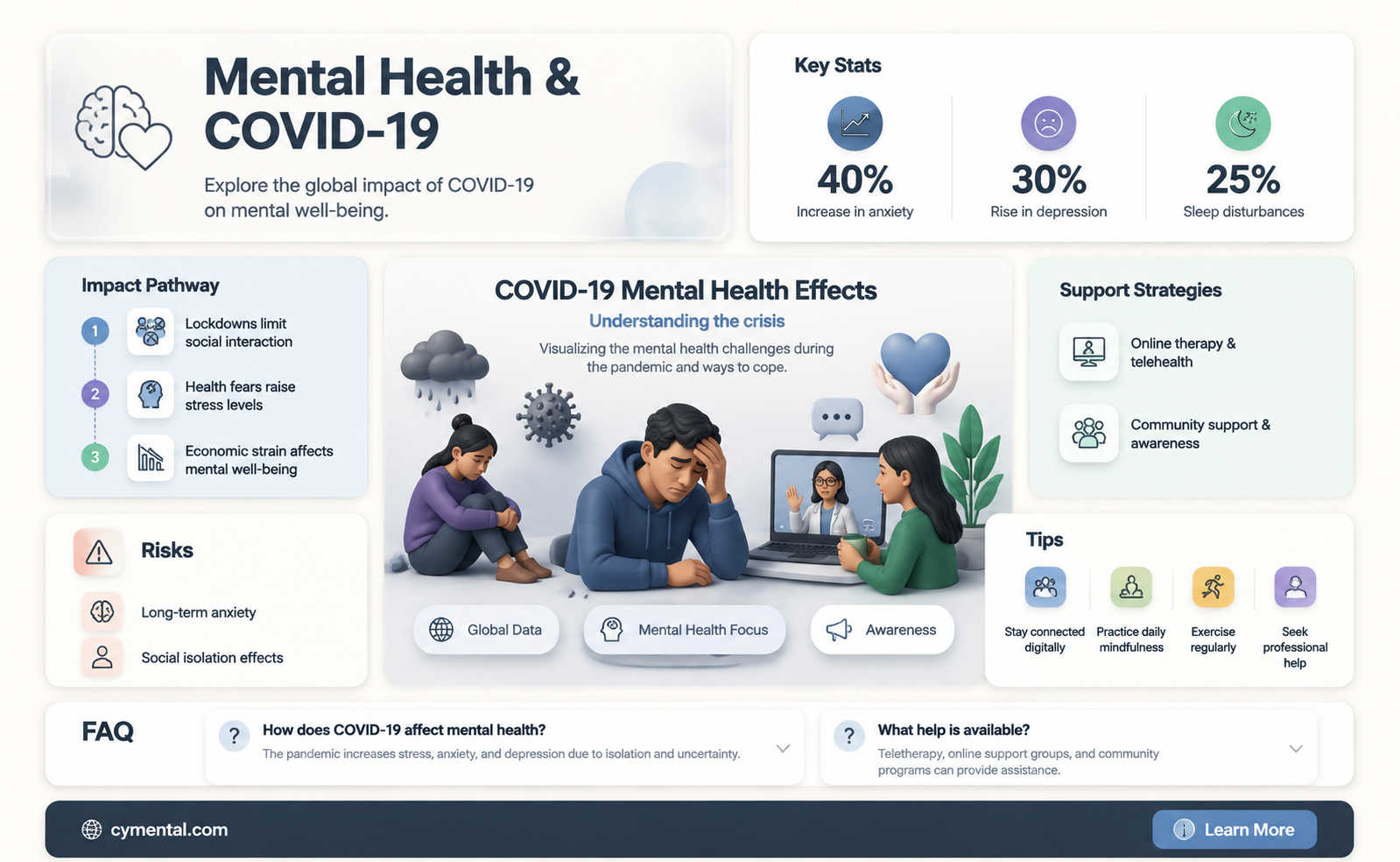
The COVID-19 pandemic has had a profound impact on global health, and its effects extend beyond physical well-being. Research indicates that COVID-19 can indeed affect mental health, leading to a range of psychological challenges. The pandemic has caused widespread anxiety, depression, and stress due to factors such as social isolation, economic uncertainty, and fear of infection. Additionally, the virus itself may directly impact the central nervous system, potentially leading to cognitive impairment, mood disorders, and other neurological symptoms. The long-term mental health consequences of COVID-19 are still being studied, but it is clear that addressing the psychological toll of the pandemic is crucial for overall recovery and well-being.
| Characteristics | Values |
|---|---|
| Direct Impact | COVID-19 can directly impact mental health through the stress of illness, fear of contagion, and the psychological effects of isolation and social distancing. |
| Indirect Impact | The pandemic's economic consequences, such as job loss and financial instability, can exacerbate mental health issues. |
| Vulnerable Populations | Older adults, frontline healthcare workers, individuals with pre-existing mental health conditions, and those experiencing prolonged isolation are particularly vulnerable. |
| Common Symptoms | Increased anxiety, depression, sleep disturbances, and feelings of loneliness and hopelessness are common during the pandemic. |
| Long-term Effects | The long-term mental health effects of COVID-19 are still being studied, but prolonged stress and trauma can lead to chronic mental health conditions. |
| Mitigation Strategies | Practicing self-care, maintaining social connections virtually, engaging in physical activity, and seeking professional help when needed can help mitigate the mental health impact of COVID-19. |
| Healthcare Response | Mental health services have adapted to provide teletherapy and online support to address the increased demand during the pandemic. |
| Public Awareness | Campaigns and initiatives to raise awareness about the mental health impact of COVID-19 and to reduce stigma around seeking help have been crucial. |
| Research and Funding | Increased research funding has been allocated to study the mental health effects of COVID-19 and to develop effective interventions. |
| Policy Implications | Governments and policymakers have implemented measures to support mental health, such as expanding access to mental health services and providing financial assistance to those affected by the pandemic. |
Explore related products


What You'll Learn
- Increased Anxiety and Depression: The pandemic has led to heightened levels of anxiety and depression globally
- Social Isolation: Lockdowns and social distancing measures can exacerbate feelings of loneliness and isolation
- Economic Stress: Job losses and financial instability can contribute to mental health issues
- Trauma and Grief: Experiencing loss and trauma during the pandemic can have long-lasting mental health effects
- Access to Mental Health Services: The pandemic has impacted the availability and accessibility of mental health services

Increased Anxiety and Depression: The pandemic has led to heightened levels of anxiety and depression globally
The COVID-19 pandemic has ushered in an unprecedented global health crisis, with far-reaching consequences that extend beyond physical health. One of the most significant impacts has been on mental health, with increased levels of anxiety and depression reported worldwide. This phenomenon can be attributed to various factors, including the uncertainty and fear surrounding the virus, social isolation, economic instability, and disruptions to daily life.
Research has shown that the pandemic has led to a surge in anxiety disorders, with symptoms ranging from excessive worry and restlessness to panic attacks and avoidance behaviors. Depression has also become more prevalent, with individuals experiencing persistent feelings of sadness, hopelessness, and loss of interest in activities they once enjoyed. The World Health Organization (WHO) has estimated that the pandemic has caused a 25% increase in anxiety and depression globally, with some countries reporting even higher rates.
The impact of the pandemic on mental health has been particularly pronounced among certain populations, such as healthcare workers, who have faced immense stress and trauma in their roles. Older adults, who are at higher risk of severe illness from COVID-19, have also experienced heightened levels of anxiety and depression due to fears of infection and social isolation. Additionally, young people have been affected, with disruptions to education and social interactions contributing to increased mental health concerns.
To address the mental health implications of the pandemic, it is essential to prioritize self-care and seek support when needed. This may include engaging in regular physical activity, practicing relaxation techniques such as meditation and deep breathing, and maintaining social connections through virtual means. For those experiencing more severe symptoms, professional help may be necessary, such as therapy or medication. It is also important for governments and healthcare systems to invest in mental health services and resources to support individuals during this challenging time.
In conclusion, the COVID-19 pandemic has had a profound impact on mental health globally, leading to increased levels of anxiety and depression. By understanding the factors contributing to this phenomenon and taking steps to prioritize mental well-being, individuals and communities can work towards mitigating the long-term effects of the pandemic on mental health.
The Silent Struggle: Loneliness and Its Impact on Mental Health
You may want to see also
Explore related products


Social Isolation: Lockdowns and social distancing measures can exacerbate feelings of loneliness and isolation
The COVID-19 pandemic has introduced unprecedented measures to control the spread of the virus, including lockdowns and social distancing. While these measures are crucial for public health, they have also led to a significant increase in social isolation. This isolation can exacerbate feelings of loneliness and have detrimental effects on mental health.
One of the primary reasons for this exacerbation is the lack of social interaction. Humans are inherently social creatures, and prolonged periods without face-to-face interaction can lead to feelings of disconnection and loneliness. This is particularly true for individuals who live alone or have limited social support systems.
Furthermore, the uncertainty and fear surrounding the pandemic can amplify these feelings of isolation. When people are unsure about the future or are constantly bombarded with news about the virus, it can create a sense of anxiety and helplessness. This can make it even more difficult for individuals to cope with the lack of social interaction.
It's also important to consider the impact of social isolation on specific populations, such as the elderly or those with pre-existing mental health conditions. These individuals may already be at a higher risk for loneliness and isolation, and the pandemic has only served to exacerbate these issues.
To mitigate the effects of social isolation, it's crucial to find ways to stay connected with others, even if it's not in person. This can include using technology to communicate with friends and family, participating in online communities, or engaging in activities that bring a sense of purpose and connection.
In conclusion, while lockdowns and social distancing measures are necessary to control the spread of COVID-19, they can also have a significant impact on mental health by exacerbating feelings of loneliness and isolation. It's important to be aware of this issue and to take steps to stay connected and support mental well-being during these challenging times.
Exploring the Surprising Link Between Constipation and Mental Health
You may want to see also
Explore related products




Economic Stress: Job losses and financial instability can contribute to mental health issues
The COVID-19 pandemic has had far-reaching consequences beyond physical health, significantly impacting the global economy and, in turn, the mental well-being of individuals. Job losses and financial instability have been pervasive issues, contributing to a rise in mental health concerns. Research indicates that economic stressors can exacerbate anxiety, depression, and other mental health disorders, as individuals struggle to cope with the uncertainty and pressure of financial insecurity.
One of the primary ways in which economic stress affects mental health is through the loss of employment. Job losses not only result in a sudden reduction in income but also lead to a loss of identity, routine, and social connections, all of which are crucial for maintaining good mental health. The fear of job loss or the experience of unemployment can trigger feelings of helplessness, hopelessness, and low self-esteem, which are common symptoms of depression. Furthermore, the financial strain of unemployment can lead to increased stress levels, as individuals worry about meeting their basic needs and providing for their families.
Financial instability, even in the absence of job loss, can also have a detrimental impact on mental health. The constant worry about making ends meet, paying bills, and managing debt can create a sense of overwhelming stress and anxiety. This financial stress can lead to sleep disturbances, increased irritability, and a decline in overall well-being. Moreover, the pressure to maintain a certain standard of living or to meet societal expectations can exacerbate feelings of inadequacy and failure, further contributing to mental health issues.
The pandemic has also highlighted existing inequalities in the labor market, with certain industries and demographics being disproportionately affected by job losses and financial instability. For example, low-wage workers, women, and minorities have been more likely to experience job losses and financial hardship, which can compound the mental health challenges they face. These groups may already be at a higher risk for mental health issues due to systemic barriers and social determinants of health, and the economic impact of the pandemic has only served to exacerbate these disparities.
In conclusion, the economic stress resulting from job losses and financial instability during the COVID-19 pandemic has had a significant impact on mental health. It is essential to address these issues through targeted interventions, such as job training programs, financial assistance, and mental health support services, to mitigate the long-term effects of economic stress on individuals and communities. By recognizing the interplay between economic factors and mental health, we can work towards creating a more resilient and supportive society for all.
Exploring the Link: Antibiotics and Infant Mental Health
You may want to see also
Explore related products


Trauma and Grief: Experiencing loss and trauma during the pandemic can have long-lasting mental health effects
The COVID-19 pandemic has brought about unprecedented challenges, including widespread illness, death, and social disruption. For many, the experience of loss and trauma during this time has been profound, leading to long-lasting mental health effects. Research indicates that individuals who have experienced trauma, such as the loss of a loved one or severe illness, are at increased risk for developing conditions like post-traumatic stress disorder (PTSD), depression, and anxiety.
One unique aspect of the pandemic's impact on mental health is the collective nature of the trauma. Unlike individual traumatic experiences, the pandemic has affected entire communities and nations, leading to a shared sense of loss and uncertainty. This collective trauma can manifest in various ways, including increased feelings of isolation, fear, and helplessness. Furthermore, the prolonged nature of the pandemic has meant that individuals have had to navigate extended periods of stress and uncertainty, exacerbating the mental health impact.
Another critical factor is the disruption of normal grief processes. Traditional ways of mourning, such as gathering with friends and family or participating in funeral rites, have been restricted due to social distancing measures and lockdowns. This disruption can lead to complicated grief, where individuals struggle to process their loss and move forward. Additionally, the lack of social support during these times can further compound the mental health effects of trauma and grief.
It is essential to recognize that the mental health impact of trauma and grief during the pandemic will likely be long-lasting. Even as the immediate threat of the virus recedes, individuals may continue to struggle with the emotional aftermath of their experiences. This underscores the need for ongoing mental health support and resources, including access to therapy, support groups, and other forms of assistance. By addressing the unique challenges posed by the pandemic, we can help mitigate the long-term mental health effects of trauma and grief.
Exploring the Complex Relationship Between Drugs and Mental Health
You may want to see also
Explore related products


Access to Mental Health Services: The pandemic has impacted the availability and accessibility of mental health services
The COVID-19 pandemic has significantly disrupted access to mental health services worldwide. Many mental health facilities have had to reduce their in-person services or close temporarily to comply with social distancing measures and prevent the spread of the virus. This reduction in services has left many individuals struggling with mental health issues without the support they need.
Telehealth services have attempted to fill this gap, providing remote consultations and therapy sessions. However, not all individuals have access to the necessary technology or internet connectivity to utilize these services. Furthermore, telehealth may not be suitable for all types of mental health treatment, particularly for those requiring more intensive or specialized care.
The pandemic has also exacerbated existing inequalities in access to mental health care. Marginalized communities, such as low-income populations, racial and ethnic minorities, and those living in rural areas, have historically faced barriers to accessing mental health services. The pandemic has further compounded these challenges, as these communities may have limited access to telehealth technologies and may be more likely to experience job loss, financial insecurity, and other stressors that can negatively impact mental health.
In addition to the direct impact on mental health services, the pandemic has also led to increased demand for these services. The stress and uncertainty of the pandemic, combined with the social isolation and economic hardship faced by many, have contributed to a rise in mental health issues such as anxiety, depression, and substance abuse. This increased demand has put additional strain on already overburdened mental health systems, making it even more difficult for individuals to access the care they need.
To address these challenges, it is essential to prioritize the expansion and improvement of mental health services. This includes increasing funding for mental health programs, expanding the availability of telehealth services, and implementing policies to address the social determinants of mental health, such as economic insecurity and social isolation. By taking these steps, we can work to ensure that individuals have access to the mental health care they need, both during and after the pandemic.
Emotional Resilience: Mastering the Art of Unfazed Living
You may want to see also
Frequently asked questions
While COVID-19 is primarily a respiratory illness, research has shown that it can have direct effects on mental health. Some individuals who have contracted COVID-19 have reported symptoms such as anxiety, depression, and cognitive difficulties, which can persist even after the physical symptoms have subsided.
COVID-19 can indirectly affect mental health through various means. The stress of living through a pandemic, social isolation, economic uncertainty, and changes in daily routines can all contribute to increased levels of anxiety, depression, and other mental health issues. Additionally, the loss of loved ones due to COVID-19 can lead to grief and trauma.
Yes, certain groups may be more susceptible to the mental health impacts of COVID-19. These include healthcare workers, who are on the front lines of the pandemic and may experience high levels of stress and trauma; older adults, who are at higher risk of severe illness and may face increased social isolation; and individuals with pre-existing mental health conditions, who may find their symptoms exacerbated by the pandemic.