Caleb Wright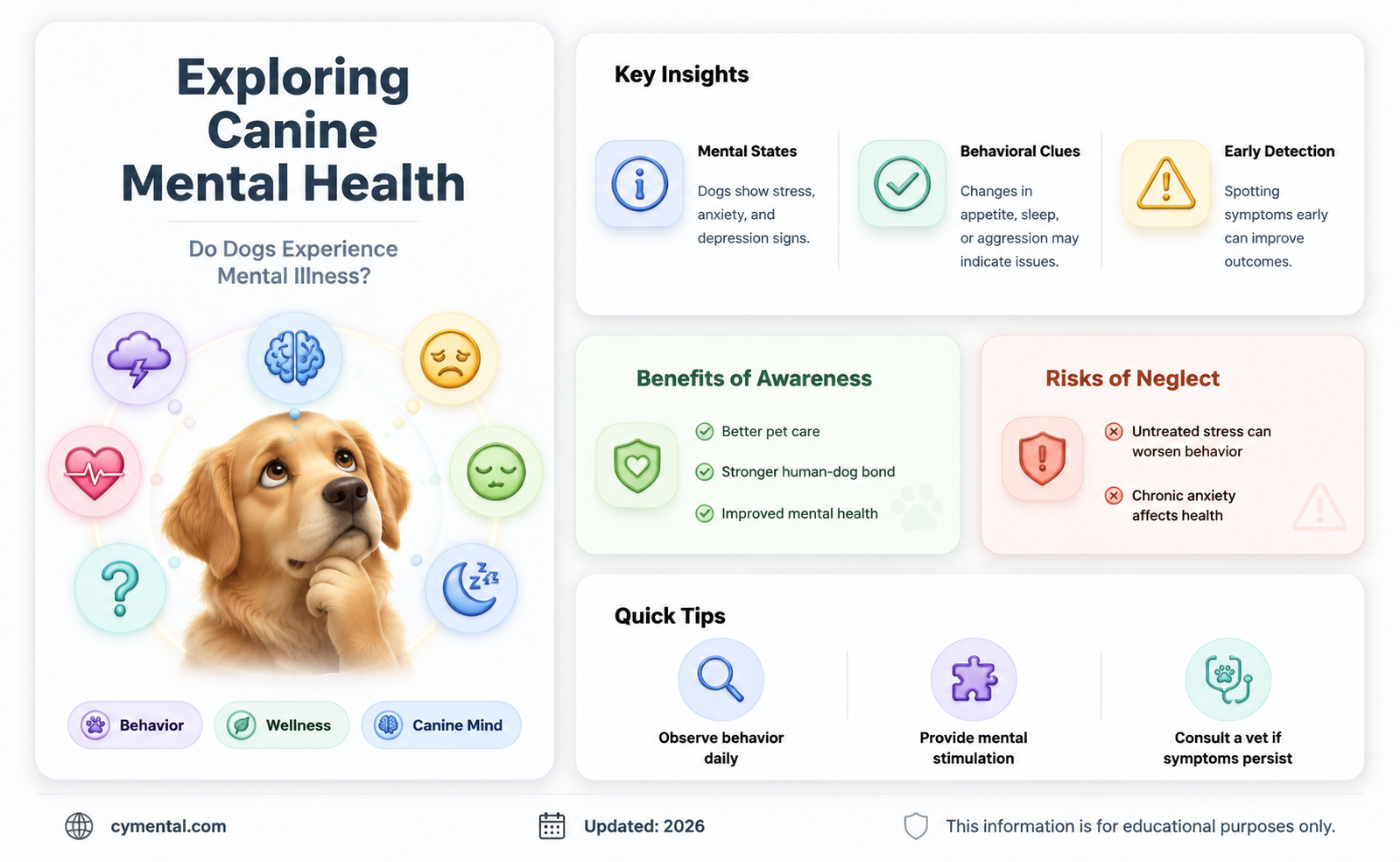
Mental health issues in dogs are a growing area of concern and study in veterinary science. While it's been long recognized that dogs can exhibit behaviors indicative of anxiety, depression, and other mental states, the understanding of canine mental illness is still evolving. Recent research suggests that dogs can indeed suffer from a range of mental health disorders, including separation anxiety, obsessive-compulsive disorder, and even post-traumatic stress disorder. These conditions can manifest in various ways, such as excessive barking, destructive behavior, withdrawal, or changes in appetite and sleep patterns. Veterinarians and animal behaviorists are increasingly focusing on diagnosing and treating these issues, recognizing that a dog's mental well-being is as crucial as its physical health.
| Characteristics | Values |
|---|---|
| Anxiety | Yes, dogs can experience anxiety. |
| Depression | Dogs can exhibit signs of depression. |
| OCD | Obsessive-Compulsive Disorder is possible in dogs. |
| PTSD | Post-Traumatic Stress Disorder can affect dogs. |
| Bipolar Disorder | Less common, but dogs can show bipolar-like symptoms. |
| Schizophrenia | Rare, but some dogs may display schizophrenic behaviors. |
| Causes | Genetics, environment, trauma, medical conditions. |
| Symptoms | Excessive barking, destructive behavior, withdrawal, aggression. |
| Diagnosis | Veterinarian evaluation, behavioral observation. |
| Treatment | Medication, therapy, environmental changes. |
Explore related products


What You'll Learn
- Canine Depression: Signs, symptoms, and treatment options for depression in dogs
- Anxiety Disorders: Types of anxiety disorders in dogs and how to manage them
- Obsessive-Compulsive Disorder (OCD): Recognizing and treating OCD behaviors in dogs
- Post-Traumatic Stress Disorder (PTSD): Understanding and addressing PTSD in dogs
- Canine Dementia: Symptoms, diagnosis, and care strategies for dementia in aging dogs

Canine Depression: Signs, symptoms, and treatment options for depression in dogs
Depression in dogs, often referred to as canine depression, is a serious mental health condition that can significantly impact a dog's quality of life. While it's not as commonly discussed as depression in humans, canine depression is a recognized disorder that requires attention and treatment. Understanding the signs and symptoms of depression in dogs is crucial for early detection and intervention.
Signs of canine depression may include a loss of interest in activities that the dog once enjoyed, such as playing or going for walks. Affected dogs may also exhibit changes in appetite, either eating more or less than usual, and may experience weight gain or loss. Sleep patterns can be disrupted, with the dog sleeping more or having difficulty sleeping. Additionally, dogs with depression may display increased anxiety, restlessness, or irritability. In some cases, they may become withdrawn and avoid social interaction with both humans and other animals.
Treatment options for canine depression vary depending on the severity of the condition and the individual dog. In mild cases, lifestyle changes such as increasing exercise, providing mental stimulation through toys or puzzles, and ensuring a consistent routine may be sufficient. For more severe cases, veterinary intervention is necessary. Veterinarians may prescribe antidepressant medications, such as selective serotonin reuptake inhibitors (SSRIs), to help manage the dog's symptoms. Cognitive-behavioral therapy (CBT) and other forms of behavioral modification can also be effective in treating canine depression.
It's important to note that diagnosing depression in dogs can be challenging, as the symptoms can overlap with other health conditions. A thorough veterinary examination, including a review of the dog's medical history and a physical exam, is essential to rule out other potential causes of the observed symptoms. If depression is suspected, the veterinarian may refer the dog to a veterinary behaviorist for further evaluation and treatment.
In conclusion, canine depression is a treatable condition, and with the right approach, dogs can recover and lead happy, fulfilling lives. Early recognition of the signs and symptoms, along with appropriate treatment, is key to ensuring the best possible outcome for affected dogs.
Exploring Careers in Mental Health: A Comprehensive Guide
You may want to see also
Explore related products


Anxiety Disorders: Types of anxiety disorders in dogs and how to manage them
Anxiety disorders in dogs can manifest in various ways, including generalized anxiety disorder, separation anxiety, phobias, and panic disorders. Each type has distinct symptoms and triggers, requiring tailored management strategies. For instance, generalized anxiety disorder may cause a dog to exhibit excessive worry and fear in everyday situations, while separation anxiety is characterized by distress when left alone. Phobias can range from fear of loud noises to fear of other animals or people. Panic disorders may lead to sudden, intense fear responses.
To manage anxiety disorders in dogs, it's crucial to identify the specific type of anxiety and its triggers. Behavioral modification techniques, such as gradual exposure to feared stimuli, can help desensitize the dog. Positive reinforcement training can also be effective in teaching the dog to associate positive experiences with previously feared situations. In some cases, medication may be necessary, but it should always be used in conjunction with behavioral therapy.
One common mistake pet owners make is to inadvertently reinforce anxious behaviors. For example, comforting a dog during a panic attack may actually strengthen the association between the fear response and the comforting behavior. Instead, it's important to remain calm and avoid reinforcing the anxiety. Gradual exposure should be done carefully, starting with the least feared stimulus and slowly increasing the intensity.
In addition to behavioral modification and medication, there are several practical tips pet owners can follow to help manage their dog's anxiety. Providing a consistent routine can help reduce uncertainty and anxiety. Exercise and mental stimulation can also help alleviate stress and improve overall well-being. Creating a safe space for the dog to retreat to when feeling overwhelmed can provide a sense of security.
It's important to note that anxiety disorders in dogs can be complex and may require professional help. Consulting with a veterinarian or a certified animal behaviorist can provide valuable guidance and support in managing the dog's anxiety. With the right approach and consistent effort, it is possible to help dogs with anxiety disorders lead happier, more comfortable lives.
Will Life Improve? A Journey Through Hard Times and Hope
You may want to see also
Explore related products


Obsessive-Compulsive Disorder (OCD): Recognizing and treating OCD behaviors in dogs
Dogs, like humans, can exhibit symptoms of Obsessive-Compulsive Disorder (OCD), a condition characterized by repetitive, intrusive thoughts and compulsive behaviors. Recognizing OCD in dogs is crucial for their well-being, as untreated symptoms can significantly impact their quality of life. Common OCD behaviors in dogs include excessive grooming, tail chasing, paw licking, and repetitive barking. These behaviors are often driven by anxiety and can be triggered by various factors, including stress, boredom, or changes in the dog's environment.
To diagnose OCD in dogs, veterinarians and animal behaviorists look for specific criteria, such as the persistence and frequency of the compulsive behavior, the presence of anxiety or distress, and the impact on the dog's daily functioning. It's essential to rule out other potential causes of the behavior, such as medical conditions or other behavioral issues, before concluding that a dog has OCD.
Treatment for OCD in dogs typically involves a combination of behavioral therapy and medication. Behavioral therapy aims to modify the dog's compulsive behavior by teaching alternative, more appropriate responses to the triggers that cause the OCD symptoms. This can include techniques such as counterconditioning, where the dog is taught to associate the trigger with a positive outcome, and desensitization, where the dog is gradually exposed to the trigger in a controlled environment to reduce its anxiety response.
Medication can also play a crucial role in managing OCD symptoms in dogs. Selective serotonin reuptake inhibitors (SSRIs), such as fluoxetine and sertraline, are commonly prescribed to help reduce anxiety and compulsive behaviors. In some cases, other types of medication, such as tricyclic antidepressants or anti-anxiety drugs, may also be used. It's important to note that medication should always be used in conjunction with behavioral therapy and under the guidance of a veterinarian or animal behaviorist.
In addition to professional treatment, dog owners can also play a significant role in managing their pet's OCD symptoms. Providing a structured and predictable environment, ensuring regular exercise and mental stimulation, and avoiding triggers that exacerbate the behavior can all be helpful. It's also essential for owners to be patient and consistent in their approach, as treating OCD in dogs can be a long and challenging process.
In conclusion, recognizing and treating OCD behaviors in dogs is a complex but important aspect of canine mental health. With the right combination of behavioral therapy, medication, and owner support, dogs with OCD can lead happy and fulfilling lives. If you suspect that your dog may be exhibiting OCD symptoms, it's crucial to consult with a veterinarian or animal behaviorist for a proper diagnosis and treatment plan.
Navigating Mental Health in the Workplace: Understanding Your Rights
You may want to see also
Explore related products


Post-Traumatic Stress Disorder (PTSD): Understanding and addressing PTSD in dogs
Dogs, like humans, can experience Post-Traumatic Stress Disorder (PTSD) following traumatic events. This condition can manifest in various behavioral changes, including increased anxiety, fear, and aggression. Understanding PTSD in dogs is crucial for providing them with the necessary care and support to improve their quality of life.
One unique aspect of PTSD in dogs is that their triggers can be different from those of humans. For example, a dog may develop PTSD after being involved in a car accident, witnessing a traumatic event, or experiencing abuse. It's essential to recognize these triggers and take steps to minimize their impact on the dog's life.
Addressing PTSD in dogs often involves a combination of behavioral therapy, medication, and environmental modifications. Behavioral therapy can help dogs learn to cope with their fears and anxieties, while medication can provide relief from symptoms such as anxiety and depression. Environmental modifications, such as creating a safe and predictable environment, can also help reduce stress and anxiety in dogs with PTSD.
It's important to note that diagnosing PTSD in dogs can be challenging, as their symptoms may be similar to those of other behavioral issues. A thorough evaluation by a veterinarian or a certified animal behaviorist is necessary to determine if a dog is suffering from PTSD and to develop an appropriate treatment plan.
In conclusion, PTSD in dogs is a serious condition that requires understanding, patience, and appropriate treatment. By recognizing the signs of PTSD and providing the necessary care and support, dog owners can help their pets overcome this challenging condition and improve their overall well-being.
Navigating the Legal Process for a Court-Ordered Mental Health Evaluation
You may want to see also
Explore related products




Canine Dementia: Symptoms, diagnosis, and care strategies for dementia in aging dogs
As dogs age, they can experience cognitive decline, often referred to as canine dementia. This condition is characterized by a range of symptoms that can affect a dog's quality of life. Recognizing these symptoms is crucial for early diagnosis and effective management. Common signs of canine dementia include disorientation, changes in behavior, decreased activity levels, and loss of house training. Dogs may also exhibit increased anxiety or aggression, and their sleep patterns may become disrupted.
Diagnosing canine dementia typically involves a combination of physical examination, behavioral assessment, and possibly cognitive testing. Veterinarians may use tools such as the Canine Cognitive Dysfunction Rating Scale to evaluate a dog's cognitive function. Blood tests and imaging studies, like MRI or CT scans, can also be used to rule out other potential causes of cognitive decline, such as hypothyroidism or brain tumors.
Once diagnosed, there are several care strategies that can help manage canine dementia. These include providing a consistent routine, creating a safe and comfortable environment, and engaging the dog in mental stimulation activities. Puzzle toys, scent games, and obedience training can all help keep a dog's mind active. Additionally, regular exercise and socialization can contribute to overall well-being.
In some cases, medication may be prescribed to help manage symptoms. For example, drugs like selegiline and donepezil have been used to treat cognitive dysfunction in dogs. However, it's important to note that these medications should only be used under the guidance of a veterinarian, as they can have side effects and may not be suitable for all dogs.
Ultimately, caring for a dog with dementia requires patience, understanding, and a willingness to adapt to their changing needs. By providing a supportive environment and appropriate care, pet owners can help improve the quality of life for their aging dogs and manage the challenges associated with canine dementia.
Navigating the Path to Mental Health Care: A Guide to Hospital Admission
You may want to see also
Frequently asked questions
Yes, dogs can get mental illnesses. While the types and prevalence may differ from those in humans, dogs can experience various mental health issues such as anxiety, depression, and obsessive-compulsive disorder (OCD).
Signs of mental illness in dogs can include changes in behavior, appetite, and sleep patterns. Dogs may exhibit increased aggression, fear, or anxiety, as well as withdrawal from social interactions and activities they once enjoyed.
Mental illnesses in dogs are typically diagnosed by a veterinarian through a combination of physical examination, behavioral observation, and sometimes, diagnostic tests. The vet may also consult with a veterinary behaviorist for a more specialized assessment.
Some common mental illnesses in dogs include separation anxiety, generalized anxiety disorder, depression, OCD, and phobias. These conditions can manifest in various ways, such as excessive barking, destructive behavior, or avoidance of certain situations.
Treatment for mental illnesses in dogs often involves a combination of medication, behavioral therapy, and environmental changes. Medications like antidepressants or anti-anxiety drugs may be prescribed, along with professional training and behavior modification techniques to help manage the dog's symptoms.