Caleb Wright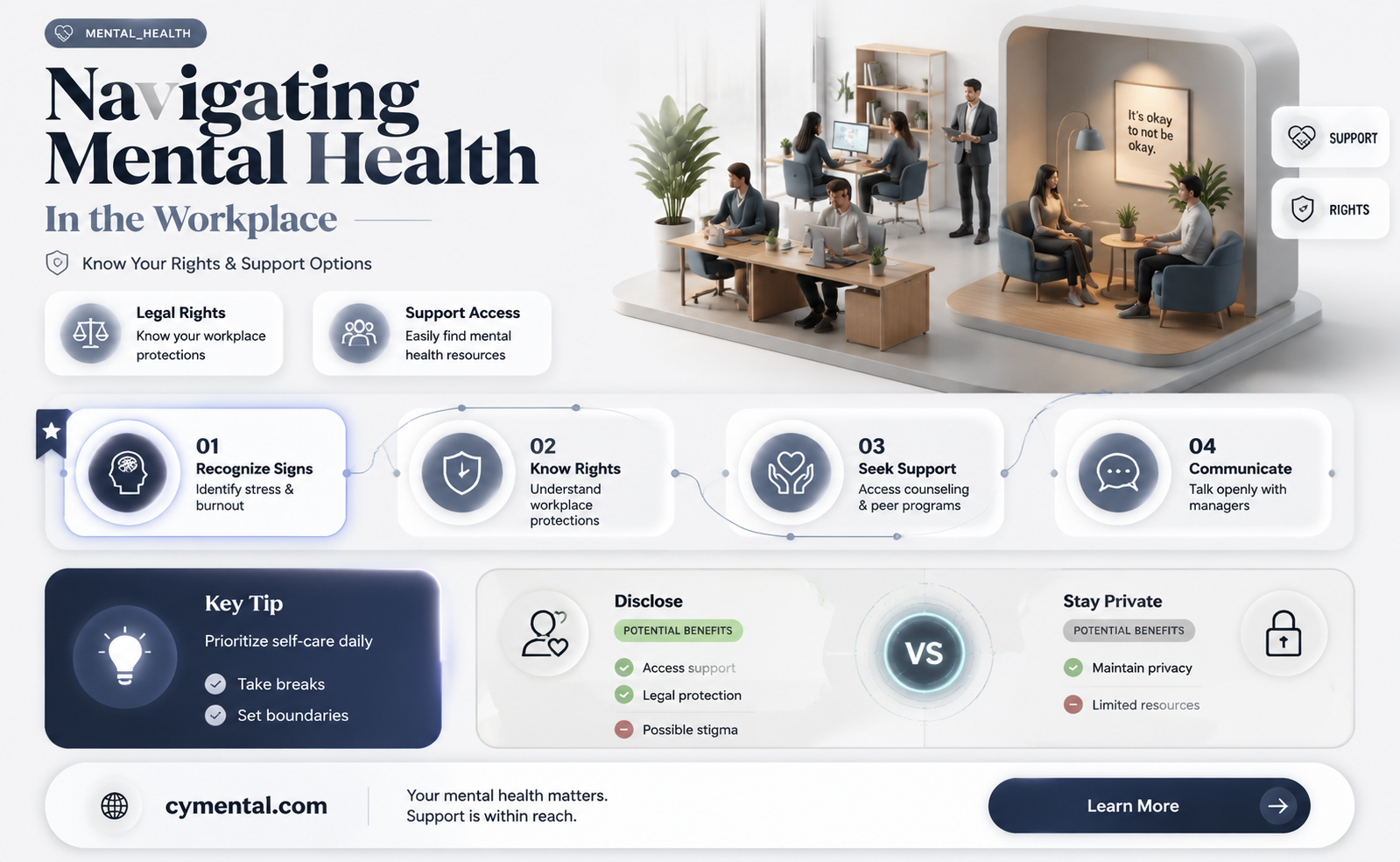
The topic of whether an individual can be fired for mental health issues is a complex and sensitive one, often governed by a myriad of laws and regulations that vary from country to country and even state to state. Generally, employers are required to provide reasonable accommodations to employees with mental health conditions, as long as these accommodations do not impose an undue hardship on the business. However, if an employee's mental health condition prevents them from performing the essential functions of their job, even with reasonable accommodations, they may be at risk of termination. It's important to note that such terminations must be handled with care and in compliance with relevant anti-discrimination laws, which often protect individuals with disabilities, including mental health conditions, from unfair treatment in the workplace.
| Characteristics | Values |
|---|---|
| Job Protection | Varies by country and state laws |
| Reason for Termination | Must be job-related, not solely due to mental health condition |
| Employer's Duty | Provide reasonable accommodations under certain laws |
| Employee's Rights | Right to privacy, right to request accommodations |
| Stigma and Discrimination | Illegal in many jurisdictions, but still prevalent |
| Support Systems | Employee Assistance Programs (EAPs), mental health professionals |
| Disclosure Requirements | Depends on company policies and legal obligations |
| Potential Consequences | Termination, demotion, or disciplinary action if not properly managed |
| Resources for Employees | Legal aid, mental health advocacy groups |
| Best Practices for Employers | Train managers, create supportive work environment, comply with laws |
Explore related products


What You'll Learn
- Discrimination Laws: Understand legal protections against mental health discrimination in the workplace
- Disclosure Dilemma: Weighing the pros and cons of revealing mental health issues to employers
- Performance Impact: How mental health can affect job performance and what accommodations might be necessary
- Company Policies: Reviewing employer policies on mental health and employee support programs
- Seeking Support: Resources and steps for employees struggling with mental health at work

Discrimination Laws: Understand legal protections against mental health discrimination in the workplace
Under the Americans with Disabilities Act (ADA), mental health conditions are considered disabilities, and employers are prohibited from discriminating against employees or job applicants based on their mental health status. This means that if you have a mental health condition, you are legally protected from being fired, demoted, or denied employment opportunities solely because of your condition.
To be eligible for protection under the ADA, your mental health condition must substantially limit one or more major life activities, such as thinking, concentrating, or interacting with others. Common mental health conditions that may qualify for ADA protection include depression, anxiety disorders, bipolar disorder, and schizophrenia.
Employers are required to provide reasonable accommodations to employees with mental health conditions, unless doing so would cause undue hardship. Reasonable accommodations may include adjustments to work schedules, job duties, or the work environment. For example, an employer may need to provide an employee with depression additional time off for therapy appointments or adjust their work schedule to accommodate medication side effects.
It's important to note that while the ADA provides legal protections against mental health discrimination, it does not require employers to disclose their mental health status. In fact, employers are generally prohibited from asking about an employee's mental health condition unless it is directly related to the job or there is a legitimate safety concern.
If you believe you have been discriminated against because of your mental health condition, you can file a complaint with the Equal Employment Opportunity Commission (EEOC). The EEOC will investigate your complaint and may take legal action against your employer if discrimination is found.
In summary, understanding your legal protections against mental health discrimination in the workplace is crucial for ensuring that you are treated fairly and with respect. By knowing your rights under the ADA and taking steps to advocate for yourself, you can help to create a more inclusive and supportive work environment for all employees.
Overcoming Mental Hurdles in Tumbling: A Guide to Unblock Your Potential
You may want to see also
Explore related products

$52.99 $126.99


Disclosure Dilemma: Weighing the pros and cons of revealing mental health issues to employers
Revealing mental health issues to employers can be a double-edged sword. On one hand, disclosure can lead to understanding and support, potentially improving an employee's well-being and productivity. On the other hand, it may result in stigma, discrimination, or even termination. This dilemma is particularly pertinent in industries where mental health is still viewed as a taboo subject or where job security is precarious.
One of the primary concerns employees have is the potential for their mental health issues to be used against them. In some cases, employers may view mental health problems as a sign of weakness or a lack of capability, leading to unfair treatment or termination. This is especially true in competitive fields where employers may be looking for any reason to reduce their workforce or where mental health issues could be seen as a liability.
However, there are also compelling reasons to disclose mental health issues. Employers who are aware of an employee's struggles can offer accommodations, such as flexible work schedules or additional support, that can help the employee manage their condition and improve their performance. Furthermore, disclosure can help to reduce the stigma surrounding mental health in the workplace, encouraging a more open and supportive environment for all employees.
Ultimately, the decision to disclose mental health issues to an employer is a deeply personal one that depends on a variety of factors, including the employee's relationship with their employer, the nature of their mental health issues, and the specific circumstances of their workplace. It is important for employees to carefully weigh the potential benefits and risks of disclosure before making a decision.
Navigating the Process: Securing Disability Benefits for Mental Health Conditions
You may want to see also
Explore related products


$11.99


Performance Impact: How mental health can affect job performance and what accommodations might be necessary
Mental health issues can significantly impact an individual's job performance, leading to decreased productivity, increased absenteeism, and strained workplace relationships. For example, a person struggling with depression may find it challenging to concentrate on tasks, resulting in missed deadlines and subpar work quality. Similarly, anxiety disorders can cause individuals to be overly preoccupied with worries, affecting their ability to engage in collaborative efforts or communicate effectively with colleagues.
Employers have a responsibility to provide a supportive work environment that accommodates employees with mental health conditions. This may involve offering flexible work schedules, allowing for remote work options, or providing access to mental health resources such as counseling services or employee assistance programs. Additionally, employers should ensure that their policies and procedures do not discriminate against individuals with mental health issues and that they comply with relevant laws and regulations, such as the Americans with Disabilities Act (ADA).
It is crucial for employees to be aware of their rights and to communicate their needs to their employers. This may involve disclosing their mental health condition and requesting specific accommodations that would enable them to perform their job duties more effectively. Employees should also be mindful of their own self-care and seek professional help when needed, as untreated mental health issues can exacerbate performance problems and potentially lead to termination.
In some cases, despite the implementation of accommodations, an employee's mental health condition may still significantly impact their job performance. In such situations, employers may need to consider alternative options, such as reassignment to a different role or termination. However, it is essential for employers to carefully evaluate each case on an individual basis and to ensure that they are not unlawfully discriminating against the employee based on their mental health status.
Ultimately, addressing the performance impact of mental health issues requires a collaborative effort between employers and employees. By fostering a supportive and accommodating work environment, employers can help employees with mental health conditions to thrive and contribute to the organization's success. At the same time, employees must take responsibility for their own mental health and communicate their needs to their employers in order to receive the necessary support and accommodations.
Navigating the Complex Process: Helping Mentally Ill Individuals Leave Jail
You may want to see also
Explore related products

$19.99 $8.99


Company Policies: Reviewing employer policies on mental health and employee support programs
Employers are increasingly recognizing the importance of mental health in the workplace, and many have implemented policies and programs to support employees' well-being. These initiatives can range from providing access to counseling services and mental health days to creating a more supportive work environment. However, it's crucial for employees to understand their company's specific policies regarding mental health to ensure they can access the support they need without fear of repercussions.
To navigate this complex landscape, employees should start by reviewing their company's employee handbook or policy manual, which should outline the organization's stance on mental health and available support programs. This document may include information on how to request accommodations for mental health conditions, such as flexible work schedules or modified job duties. Additionally, employees should be aware of any mental health resources provided by their employer, such as an Employee Assistance Program (EAP) or on-site counseling services.
It's also important for employees to understand their rights under applicable laws, such as the Americans with Disabilities Act (ADA) in the United States, which protects individuals with disabilities, including mental health conditions, from discrimination in the workplace. Familiarizing oneself with these laws can help employees advocate for their needs and ensure they are treated fairly.
In some cases, employees may need to disclose their mental health conditions to their employer in order to request accommodations or access support programs. This can be a daunting prospect, but it's essential to remember that employers are legally obligated to keep such disclosures confidential. Employees should also be prepared to provide documentation from a healthcare provider to support their request for accommodations.
Ultimately, understanding and navigating company policies on mental health can be a complex process, but it's a crucial step in ensuring employees can access the support they need to thrive in the workplace. By taking the time to review these policies and understand their rights, employees can better advocate for their mental health and well-being.
Navigating the Process: A Guide to Obtaining Conservatorship for the Mentally Ill
You may want to see also
Explore related products


Seeking Support: Resources and steps for employees struggling with mental health at work
Employees struggling with mental health issues at work often face a daunting dilemma: seeking support could lead to stigma or discrimination, yet ignoring the problem could result in decreased productivity and even termination. It's crucial to understand that mental health is a legitimate concern that can impact job performance, and employers have a responsibility to provide a supportive environment. Here are some resources and steps that employees can take to seek support without risking their job security.
First, employees should familiarize themselves with their company's mental health policies and resources. Many organizations offer Employee Assistance Programs (EAPs) that provide confidential counseling and support services. These programs are often free and can be accessed anonymously, ensuring that employees can seek help without fear of repercussions. Additionally, employees should review their company's anti-discrimination policies to understand their rights and protections under the law.
If an employee is comfortable doing so, they can also reach out to their supervisor or HR department for support. It's important to approach these conversations with a clear understanding of the desired outcome, whether it's a temporary leave of absence, a reduced workload, or access to mental health resources. Employees should be prepared to provide documentation from a mental health professional if necessary, and should be aware of their rights under the Americans with Disabilities Act (ADA) or similar laws in their country.
In some cases, employees may need to take a more proactive approach to managing their mental health at work. This could involve setting boundaries with colleagues, prioritizing self-care, and developing coping strategies for stress and anxiety. Employees should also be mindful of their work-life balance, ensuring that they are not overcommitting themselves and are taking time to relax and recharge.
Ultimately, seeking support for mental health issues at work requires a combination of self-advocacy, knowledge of company policies, and access to resources. By taking these steps, employees can protect their mental health and their job security, and can contribute to a more supportive and inclusive workplace culture.
Navigating Workers' Comp for Mental Health: A Comprehensive Guide
You may want to see also
Frequently asked questions
Generally, employers cannot fire an employee solely because they have a mental health condition. However, if the condition affects job performance or safety, and accommodations cannot be made, termination might be considered.
Employees with mental health conditions are protected under various laws, such as the Americans with Disabilities Act (ADA) in the United States, which prohibits discrimination based on disability and requires employers to provide reasonable accommodations.
Employers can support employees with mental health conditions by providing resources such as Employee Assistance Programs (EAPs), offering flexible work arrangements, and ensuring a supportive and stigma-free work environment.
Disclosure is generally voluntary, but if an employee requests accommodations under the ADA, they may need to provide documentation of their condition. It's important for employees to feel comfortable and safe when discussing their mental health with their employer.
Employers should engage in a supportive dialogue with the employee, explore possible accommodations, and consider a performance improvement plan if necessary. Termination should only be considered as a last resort if no other options are viable.