Caleb Wright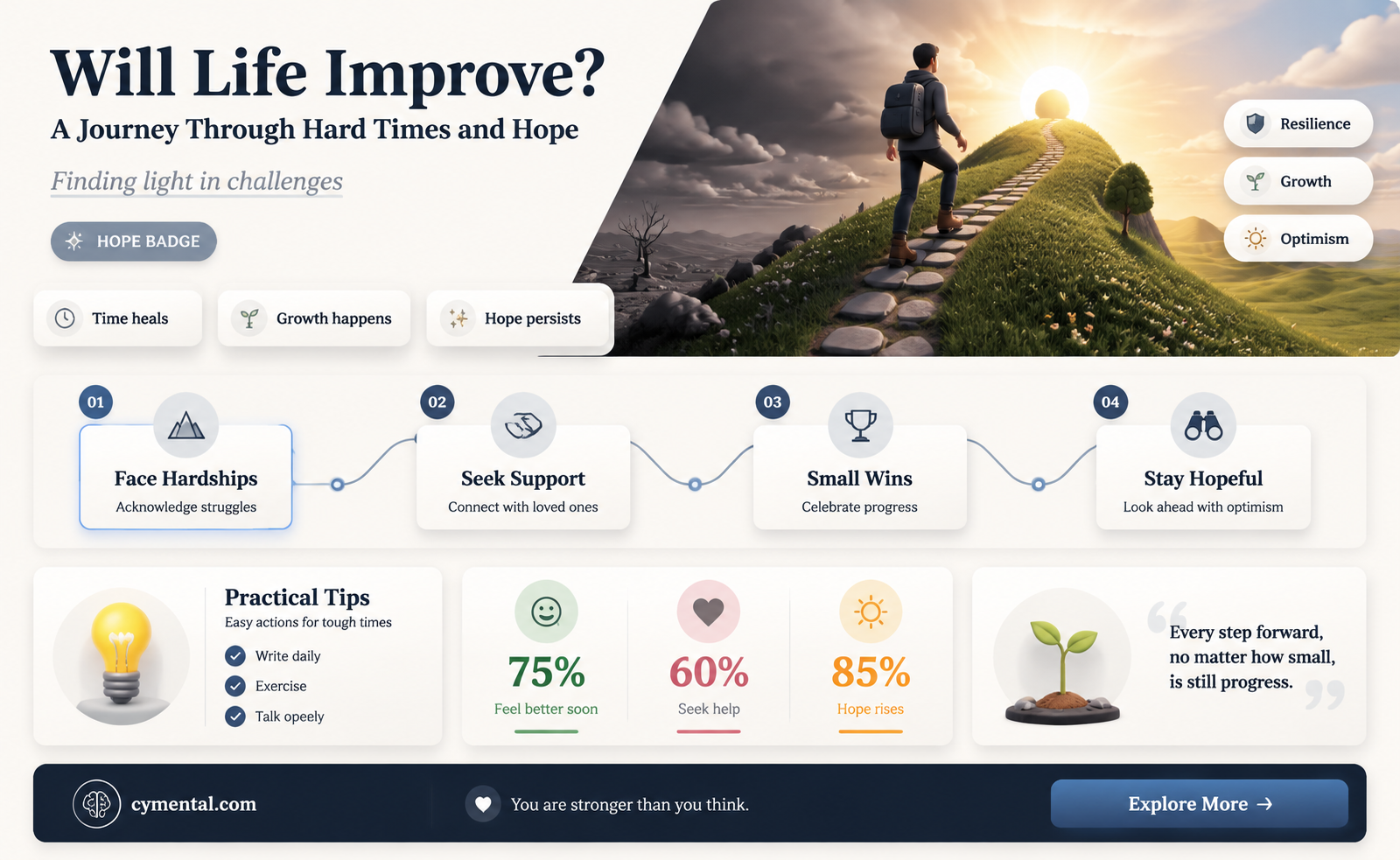
Life's journey is often filled with ups and downs, leading many to wonder if things will ever improve. This question touches on the universal human experience of facing challenges and seeking growth and happiness. While each person's path is unique, the pursuit of a better life is a common thread that binds us all. In exploring this topic, we delve into the complexities of personal development, the impact of our choices, and the role of external factors in shaping our lives. By examining various perspectives and experiences, we can gain insights into how to navigate life's obstacles and find meaning and fulfillment.
Explore related products





What You'll Learn
- Coping Mechanisms: Strategies for managing life's challenges and improving mental resilience
- Personal Growth: Exploring ways to develop new skills and achieve personal goals
- Relationships: Building and maintaining healthy connections with others
- Career Fulfillment: Finding purpose and satisfaction in one's professional life
- Health and Wellness: Practices for maintaining physical and emotional well-being

Coping Mechanisms: Strategies for managing life's challenges and improving mental resilience
Coping mechanisms are essential tools for navigating life's inevitable challenges. One effective strategy is cognitive restructuring, which involves identifying and challenging negative thought patterns. For instance, if you find yourself frequently thinking, "I can't do this," try replacing it with, "I'll do my best, and that's enough." This simple shift in perspective can significantly reduce feelings of anxiety and helplessness.
Another powerful coping mechanism is mindfulness meditation. By focusing on the present moment and observing your thoughts without judgment, you can develop a greater sense of control over your mental state. Research has shown that regular mindfulness practice can lead to reduced symptoms of depression and improved emotional regulation.
Physical activity is also a crucial component of mental resilience. Exercise releases endorphins, which are natural mood elevators, and can help reduce stress levels. Aim for at least 30 minutes of moderate-intensity exercise most days of the week. Activities like walking, jogging, or cycling can be particularly beneficial.
Building a strong support network is another key strategy for coping with life's challenges. Reach out to friends and family members who can offer emotional support and practical assistance. Joining support groups or online communities can also provide a sense of connection and understanding.
Lastly, it's essential to practice self-care and prioritize your well-being. This might include getting enough sleep, maintaining a healthy diet, and engaging in activities that bring you joy and relaxation. By taking care of your physical and emotional needs, you'll be better equipped to handle life's ups and downs.
Remember, developing effective coping mechanisms takes time and practice. Be patient with yourself, and don't be afraid to seek professional help if you need additional support. With the right strategies and mindset, you can improve your mental resilience and navigate life's challenges with greater ease.
Navigating Mental Health Waivers: A Guide for Military Aspirants
You may want to see also
Explore related products





Personal Growth: Exploring ways to develop new skills and achieve personal goals
One of the most effective ways to foster personal growth is through continuous learning and skill development. This process not only enhances your professional prospects but also enriches your personal life by providing new avenues for self-expression and accomplishment. To embark on this journey, begin by identifying areas where you would like to improve or acquire new skills. This could range from learning a new language, mastering a musical instrument, to developing proficiency in a particular software or hobby.
Once you have pinpointed your areas of interest, create a structured plan to achieve your goals. Break down larger objectives into smaller, manageable tasks, and set realistic deadlines for each milestone. Consistency is key, so allocate dedicated time each day or week to work on your skills. Utilize a variety of resources such as online courses, tutorials, workshops, and books to gain knowledge and practical experience. Additionally, seek out mentors or join communities of like-minded individuals who can offer guidance, support, and valuable insights.
Another crucial aspect of personal growth is setting and achieving personal goals. These goals should be specific, measurable, achievable, relevant, and time-bound (SMART) to ensure clarity and focus. Write down your goals and regularly review your progress to stay on track. Celebrate your successes, no matter how small, as they contribute to your overall growth and motivation.
Personal growth also involves stepping out of your comfort zone and embracing challenges. This could mean taking on new responsibilities at work, participating in public speaking events, or engaging in activities that push your boundaries. By confronting your fears and insecurities, you develop resilience and confidence, which are essential qualities for personal and professional success.
Lastly, remember that personal growth is a lifelong journey, and it's important to be patient and persistent. There will be setbacks and obstacles along the way, but with determination and a positive mindset, you can overcome these challenges and continue to grow and evolve as an individual.
Navigating the Process: A Guide to Obtaining Conservatorship for the Mentally Ill
You may want to see also
Explore related products


Relationships: Building and maintaining healthy connections with others
Healthy relationships are the cornerstone of a fulfilling life, providing emotional support, companionship, and a sense of belonging. Building and maintaining these connections requires effort, empathy, and effective communication. One key strategy is to practice active listening, which involves fully focusing on the speaker, asking open-ended questions, and reflecting back what you've heard to ensure understanding. This simple yet powerful technique can prevent misunderstandings and foster deeper connections.
Another crucial aspect of nurturing relationships is setting and respecting boundaries. Clearly defining your needs and limits helps prevent resentment and burnout, while also allowing others to understand how to support you. For example, if you're feeling overwhelmed, it's okay to politely decline social invitations or ask for help with tasks. Remember, healthy relationships are reciprocal, and it's essential to prioritize your own well-being to show up fully for others.
Conflict is inevitable in any relationship, but it can be managed constructively. When disagreements arise, approach them with a calm and open mindset, focusing on finding a solution rather than assigning blame. Use "I" statements to express your feelings and needs, and avoid making assumptions about the other person's intentions. For instance, instead of saying "You never listen to me," try "I feel unheard when we don't have time to talk about our plans."
In addition to communication and conflict resolution, shared experiences and quality time are vital for strengthening bonds. Whether it's trying a new hobby together, planning a weekend getaway, or simply enjoying a home-cooked meal, these moments create lasting memories and reinforce your connection. Make an effort to schedule regular check-ins with friends and family, and be present during these interactions, putting away distractions like phones and laptops.
Lastly, don't underestimate the power of small gestures and acts of kindness. A thoughtful text message, a surprise gift, or a helping hand can go a long way in showing others that you care. These actions not only brighten someone's day but also demonstrate your commitment to the relationship. By consistently investing in your connections through these strategies, you can cultivate a network of supportive and loving relationships that will enrich your life and help you navigate its challenges.
Navigating the Path to Mental Health Care: A Guide to Hospital Admission
You may want to see also
Explore related products




Career Fulfillment: Finding purpose and satisfaction in one's professional life
Amidst the myriad of life's challenges, career fulfillment stands out as a pivotal element in the quest for a meaningful existence. It's not merely about securing a job or climbing the corporate ladder; it's about finding a profound sense of purpose and satisfaction in one's professional endeavors. This journey often begins with a period of introspection, where individuals assess their values, passions, and long-term aspirations. By aligning their career choices with these core elements, they set the foundation for a more fulfilling work life.
One effective strategy for achieving career fulfillment is to pursue continuous learning and skill development. This approach not only enhances professional competence but also fosters a sense of growth and accomplishment. For instance, attending workshops, taking online courses, or seeking mentorship can provide valuable insights and opportunities for advancement. Moreover, embracing challenges and stepping out of one's comfort zone can lead to significant personal and professional growth, further contributing to a sense of fulfillment.
Another crucial aspect is maintaining a healthy work-life balance. While dedication to one's career is important, it's equally essential to prioritize personal well-being and relationships. Establishing clear boundaries, practicing time management, and making time for leisure activities can help prevent burnout and ensure a more sustainable and satisfying career trajectory. Additionally, finding ways to integrate one's personal interests and hobbies into their professional life can create a more holistic and fulfilling experience.
In the broader context of life's journey, career fulfillment plays a significant role in overall happiness and well-being. A fulfilling career can provide a sense of direction, financial stability, and social connection, all of which are essential components of a satisfying life. However, it's important to recognize that career fulfillment is not a static state but rather an ongoing process that requires regular evaluation and adjustment. As individuals evolve and their circumstances change, their career goals and aspirations may also shift, necessitating a flexible and adaptive approach to maintaining fulfillment.
Ultimately, the pursuit of career fulfillment is a deeply personal and subjective endeavor. What brings satisfaction and purpose to one person may differ significantly from another. Therefore, it's crucial to approach this journey with self-awareness, openness to change, and a willingness to explore different paths. By doing so, individuals can increase their chances of finding a career that not only meets their financial needs but also aligns with their values, passions, and long-term aspirations, leading to a more fulfilling and purposeful life.
Navigating the Process: Securing Disability Benefits for Mental Health Conditions
You may want to see also
Explore related products

$14.15 $20


Health and Wellness: Practices for maintaining physical and emotional well-being
Maintaining physical and emotional well-being is crucial for navigating life's challenges. One effective practice is regular physical activity, which not only improves cardiovascular health but also boosts mood and reduces stress. Engaging in activities such as walking, jogging, or yoga can provide both physical and mental benefits. For instance, a study published in the Journal of Clinical Psychology found that regular exercise can reduce symptoms of anxiety and depression.
Another important aspect of health and wellness is proper nutrition. Consuming a balanced diet rich in fruits, vegetables, whole grains, and lean proteins can support overall health and improve energy levels. It's also essential to stay hydrated by drinking plenty of water throughout the day. Poor nutrition can lead to a range of health issues, including obesity, diabetes, and heart disease, which can negatively impact both physical and emotional well-being.
Mindfulness and meditation are additional practices that can enhance emotional health. These techniques involve focusing on the present moment and cultivating a non-judgmental awareness of thoughts and feelings. Research has shown that mindfulness meditation can reduce stress, improve sleep, and increase feelings of happiness and contentment. Practicing mindfulness can be as simple as taking a few minutes each day to sit quietly and focus on your breath.
Social connections also play a vital role in maintaining emotional well-being. Building and maintaining strong relationships with friends and family can provide support, reduce feelings of loneliness, and improve overall life satisfaction. Engaging in social activities, such as joining a club or volunteering, can help expand social networks and foster a sense of community.
Lastly, getting enough sleep is essential for both physical and emotional health. Chronic sleep deprivation can lead to a range of health problems, including impaired cognitive function, mood disturbances, and weakened immune system. Establishing a consistent sleep schedule and creating a relaxing bedtime routine can help improve sleep quality and duration.
In conclusion, maintaining physical and emotional well-being involves a combination of regular physical activity, proper nutrition, mindfulness practices, strong social connections, and adequate sleep. By incorporating these practices into daily life, individuals can improve their overall health and resilience, better equipping them to handle life's challenges and uncertainties.
Navigating the Complex Process: Helping Mentally Ill Individuals Leave Jail
You may want to see also