 Noah Parker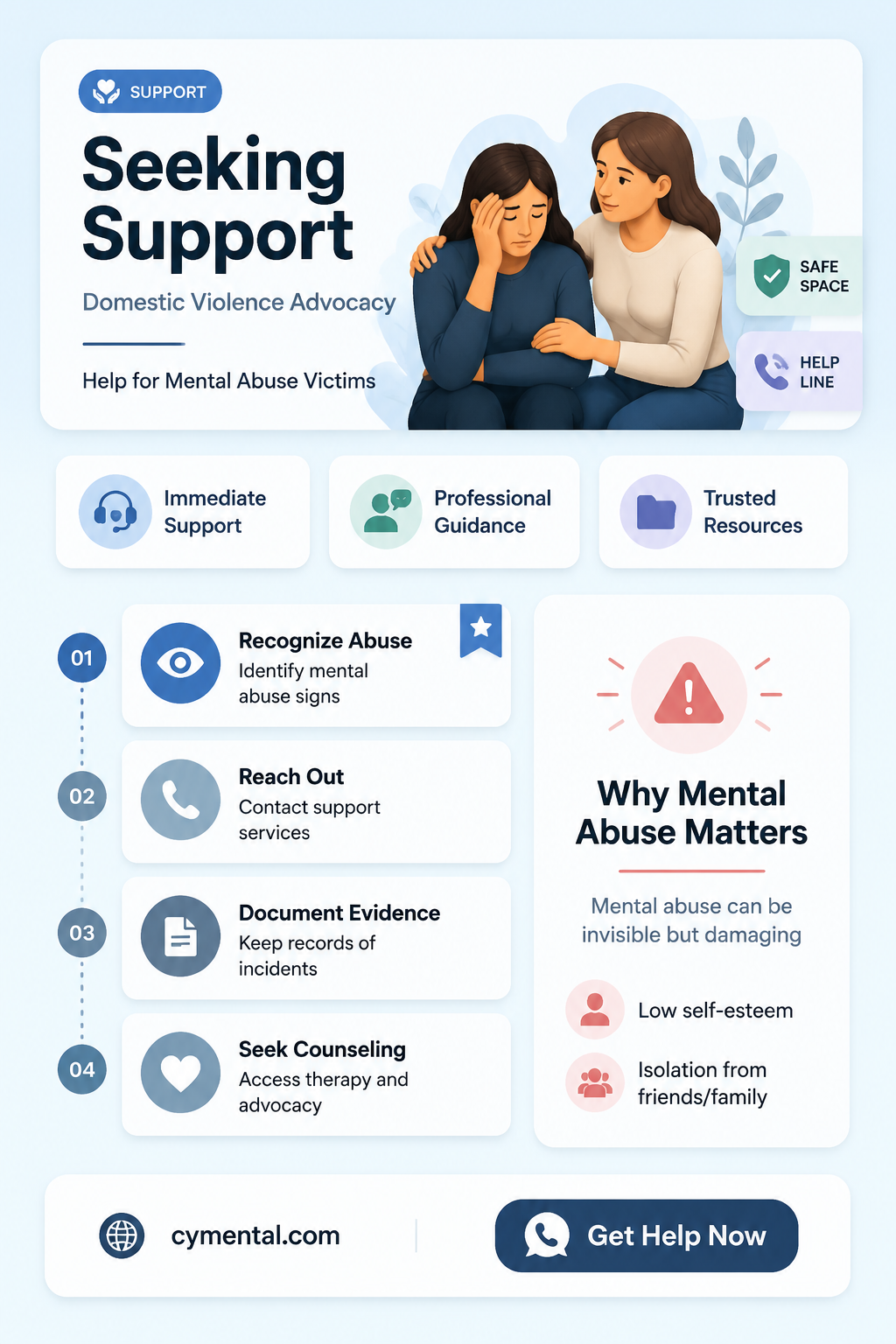
Domestic violence advocacy is a crucial resource for individuals experiencing abuse, including mental abuse. If you're wondering whether you can get a domestic violence advocate for mental abuse, the answer is yes. Domestic violence advocates are trained to support survivors of all forms of abuse, including emotional and psychological abuse. They can provide you with guidance, support, and resources to help you navigate the complexities of your situation. Advocates can assist you in creating a safety plan, accessing counseling services, and connecting you with legal aid if needed. They are there to listen, believe you, and empower you to make informed decisions about your well-being. Reaching out to a domestic violence hotline or local advocacy organization is the first step in getting the help you deserve.
Explore related products


What You'll Learn
- Recognizing Mental Abuse: Understanding the signs and impact of emotional and psychological abuse in relationships
- Role of Advocates: How domestic violence advocates support victims of mental abuse and provide resources
- Legal Protections: Exploring legal options and protections available for those experiencing mental abuse in domestic settings
- Support Groups: Information on support groups and therapy options for individuals suffering from mental abuse
- Self-Care Strategies: Tips and strategies for self-care and healing after experiencing mental abuse

Recognizing Mental Abuse: Understanding the signs and impact of emotional and psychological abuse in relationships
Recognizing mental abuse is crucial in understanding the dynamics of emotional and psychological abuse in relationships. Mental abuse can be subtle and insidious, often leaving victims feeling confused, isolated, and powerless. It's essential to identify the signs early to prevent further harm and seek appropriate support.
One of the primary indicators of mental abuse is a pattern of manipulation and control. This can manifest in various ways, such as gaslighting, where the abuser makes the victim question their own sanity or memory. Another sign is constant criticism, where the abuser belittles the victim's self-esteem and confidence. Emotional blackmail, where the abuser uses guilt, shame, or fear to control the victim's actions, is also a common tactic.
The impact of mental abuse can be severe and long-lasting. Victims may experience anxiety, depression, and post-traumatic stress disorder (PTSD). They may also develop trust issues, difficulty in forming healthy relationships, and a diminished sense of self-worth. It's important to note that mental abuse can affect anyone, regardless of age, gender, or socioeconomic status.
Seeking help is the first step towards recovery. Victims can reach out to mental health professionals, support groups, or domestic violence advocates for assistance. These resources can provide emotional support, practical advice, and help victims develop strategies to cope with the abuse and rebuild their lives.
In conclusion, recognizing mental abuse is essential in addressing the issue and providing support to victims. By understanding the signs and impact of emotional and psychological abuse, we can work towards creating a safer and more supportive environment for those affected.
Exploring Careers in Mental Health: A Comprehensive Guide
You may want to see also
Explore related products


Role of Advocates: How domestic violence advocates support victims of mental abuse and provide resources
Domestic violence advocates play a crucial role in supporting victims of mental abuse by providing a safe space for them to share their experiences and seek help. These advocates are trained to recognize the signs of mental abuse and offer emotional support, validation, and practical resources to aid in the victim's recovery. They often work in collaboration with mental health professionals, legal experts, and social workers to ensure that victims receive comprehensive care and assistance.
One of the key ways advocates support victims of mental abuse is by helping them to develop a safety plan. This plan may include strategies for avoiding the abuser, securing safe housing, and accessing financial resources. Advocates also provide education on the dynamics of mental abuse, helping victims to understand the tactics used by their abusers and empowering them to take control of their own lives.
In addition to emotional support and practical resources, advocates often accompany victims to legal proceedings, such as restraining order hearings or divorce settlements. They provide guidance on navigating the legal system and offer support during what can be a traumatic and overwhelming process. Advocates may also help victims to access mental health services, such as counseling or therapy, to address the psychological impact of the abuse.
Furthermore, domestic violence advocates work to raise awareness about mental abuse and its effects on victims. They may participate in community outreach programs, educational workshops, and public awareness campaigns to help others recognize the signs of mental abuse and understand the importance of supporting victims. By increasing awareness and understanding, advocates aim to create a more supportive and inclusive environment for those affected by mental abuse.
In conclusion, domestic violence advocates are essential in providing support, resources, and guidance to victims of mental abuse. They play a vital role in helping victims to reclaim their lives, navigate the legal system, and access necessary mental health services. Through their tireless efforts, advocates contribute to a safer and more supportive community for all.
Navigating the VA Disability Claims Process for Depression: A Comprehensive Guide
You may want to see also
Explore related products


Legal Protections: Exploring legal options and protections available for those experiencing mental abuse in domestic settings
Individuals experiencing mental abuse in domestic settings may not always be aware of the legal protections available to them. Mental abuse, also known as emotional abuse, can be just as damaging as physical abuse and is often used as a means of control within abusive relationships. Legal options for victims of mental abuse can include obtaining a restraining order, seeking custody of children, and pursuing criminal charges against the abuser.
One of the first steps for someone experiencing mental abuse is to document the incidents. Keeping a detailed journal of the abuse, including dates, times, and descriptions of the behavior, can be crucial in building a case against the abuser. This documentation can be used to obtain a restraining order, which can provide legal protection from further abuse.
In addition to documenting the abuse, victims may also want to seek support from a domestic violence advocate. These advocates can provide emotional support, help with safety planning, and assist in navigating the legal system. They can also provide information on local resources and services that may be available to help victims of mental abuse.
Victims of mental abuse may also be able to pursue criminal charges against their abuser. Depending on the jurisdiction, mental abuse may be considered a form of assault or harassment, both of which are criminal offenses. It is important to note that the specific legal definitions of these offenses can vary by location, so it is essential to consult with a legal professional to understand the options available.
Finally, victims of mental abuse may also want to consider seeking custody of their children. In many cases, mental abuse can have a significant impact on children, even if they are not directly subjected to the abuse. Courts may consider the mental abuse of one parent when making custody decisions, as it can be seen as a form of neglect or endangerment to the child's well-being.
In conclusion, while mental abuse can be a challenging issue to address, there are legal protections available for those experiencing it in domestic settings. Documenting the abuse, seeking support from a domestic violence advocate, pursuing criminal charges, and considering custody options are all important steps that victims can take to protect themselves and their children.
Empowering Yourself: A Guide to Overcoming Victim Mentality
You may want to see also
Explore related products


Support Groups: Information on support groups and therapy options for individuals suffering from mental abuse
Individuals suffering from mental abuse often feel isolated and misunderstood. Support groups provide a safe space where survivors can connect with others who have experienced similar trauma, share their stories, and learn from one another. These groups are typically facilitated by trained professionals who can offer guidance and support. Therapy options, such as cognitive-behavioral therapy (CBT) and trauma-focused therapy, can help individuals process their experiences, develop coping strategies, and rebuild their self-esteem.
Support groups can be found through local mental health organizations, community centers, and online platforms. Some groups are specifically tailored to certain demographics, such as women, men, or LGBTQ+ individuals. Therapy options are available through mental health clinics, private practices, and telehealth services. It's important to find a therapist who specializes in trauma and abuse, as they will have the expertise to provide effective treatment.
When seeking support, it's crucial to prioritize safety and comfort. Survivors should choose a support group or therapist that feels like a good fit for them, and they should be cautious about sharing personal information until they feel secure. It's also important to remember that healing is a process, and it may take time to find the right support and therapy options.
In addition to support groups and therapy, there are other resources available to individuals suffering from mental abuse. Hotlines, such as the National Domestic Violence Hotline, can provide immediate support and connect survivors with local resources. Online forums and social media groups can also offer a sense of community and support, although it's important to be cautious about sharing personal information online.
Ultimately, seeking support is a brave and important step towards healing from mental abuse. By connecting with others and accessing professional help, survivors can begin to rebuild their lives and find a sense of peace and empowerment.
Exploring Canine Mental Health: Do Dogs Experience Mental Illness?
You may want to see also
Explore related products




Self-Care Strategies: Tips and strategies for self-care and healing after experiencing mental abuse
Recognizing the signs of mental abuse is the first step towards healing. Mental abuse can manifest in various forms, including verbal aggression, manipulation, and emotional blackmail. It's crucial to identify these behaviors to begin the process of recovery. If you're unsure whether you're experiencing mental abuse, consider reaching out to a trusted friend, family member, or a professional counselor for support.
Once you've recognized the signs of mental abuse, it's essential to establish boundaries with the abuser. This may involve limiting contact, setting clear expectations for communication, and asserting your right to personal space and autonomy. Remember, you have the right to say no and to prioritize your own well-being.
Self-care is a vital component of healing from mental abuse. Engage in activities that bring you joy and relaxation, such as exercise, meditation, or spending time in nature. Prioritize your physical health by maintaining a balanced diet, getting enough sleep, and seeking medical attention if needed. Consider journaling or creative expression as a way to process your emotions and experiences.
Seeking support from others is crucial in the healing process. Reach out to friends and family members who can offer emotional support and validation. Consider joining a support group for survivors of mental abuse, where you can connect with others who have experienced similar situations. Remember, you are not alone, and there is strength in community.
Professional help can be invaluable in recovering from mental abuse. A therapist or counselor can provide you with tools and strategies to cope with the emotional impact of abuse and to rebuild your self-esteem. They can also help you develop healthy communication skills and boundaries. Don't hesitate to seek professional help if you feel overwhelmed or stuck in your recovery process.
Healing from mental abuse takes time and patience. Be gentle with yourself and acknowledge that setbacks are a normal part of the process. Celebrate small victories and focus on your progress, rather than dwelling on past mistakes. Remember, you are worthy of love, respect, and happiness, and you have the strength to overcome the effects of mental abuse.
Navigating Mental Health Evaluations: A Compassionate Guide for Concerned Loved Ones
You may want to see also
Frequently asked questions
Yes, you can. Domestic violence advocacy services often provide support for individuals experiencing mental abuse as part of domestic violence.
A domestic violence advocate can offer emotional support, help you develop a safety plan, provide resources for mental health services, and assist you in documenting the abuse.
You can find a domestic violence advocate by contacting local domestic violence shelters, crisis hotlines, or mental health organizations. They can connect you with trained professionals who specialize in this area.
Yes, mental abuse is considered a form of domestic violence. It involves behaviors that control, intimidate, or demean the victim, causing emotional harm and distress.
Signs of mental abuse include constant criticism, belittling, gaslighting, manipulation, isolation from friends and family, and threats or intimidation. If you experience these behaviors, it's important to seek help from a domestic violence advocate or mental health professional.


