Harper Lewis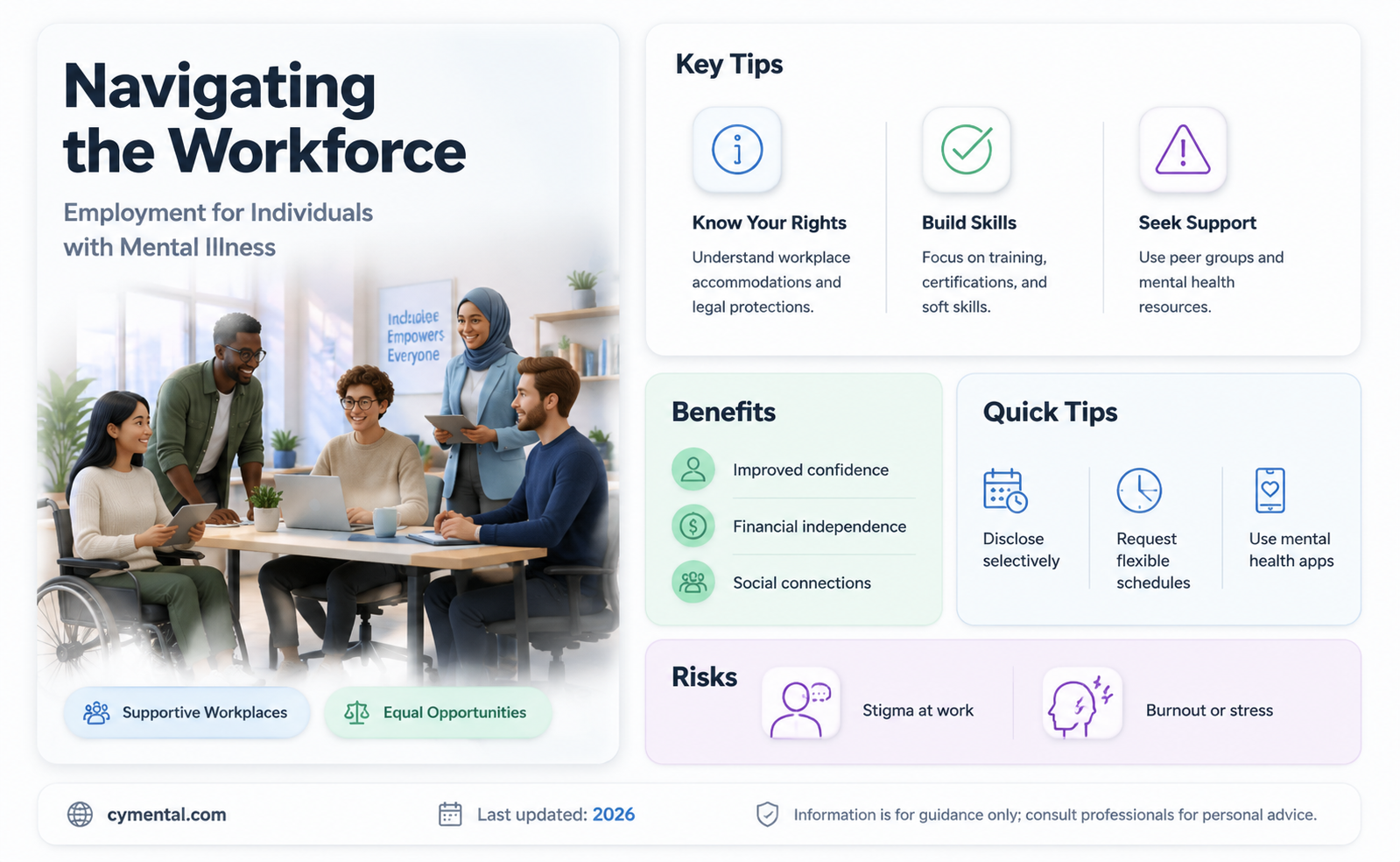
Navigating the job market can be challenging for anyone, but individuals with mental illnesses may face unique obstacles. Despite these challenges, many people with mental health conditions lead fulfilling and successful careers. The key is to understand your rights, prepare adequately, and find supportive employers. This guide will explore strategies for job seekers with mental illnesses, including how to disclose your condition, seek accommodations, and build a strong support network in the workplace. Remember, your mental health does not define your capabilities or worth as an employee. With the right approach and resources, you can thrive in your professional life.
Explore related products


What You'll Learn
- Disclosure Requirements: Understand when and how to disclose a mental illness to potential employers
- Legal Protections: Learn about laws protecting individuals with mental illnesses in the workplace
- Accommodation Requests: Know how to request reasonable accommodations to manage your mental health at work
- Stigma and Discrimination: Recognize and address potential stigma and discrimination faced by those with mental illnesses
- Support Resources: Identify resources and support systems available to help individuals with mental illnesses succeed in their careers

Disclosure Requirements: Understand when and how to disclose a mental illness to potential employers
Understanding when and how to disclose a mental illness to potential employers is a critical aspect of navigating the job market while managing your mental health. Disclosure requirements can vary significantly depending on the country, industry, and specific employer policies. It's essential to be aware of these requirements to make informed decisions about your disclosure strategy.
In some jurisdictions, employers may be legally prohibited from asking about mental health conditions during the initial stages of the hiring process. However, once a conditional offer of employment is made, they may require a medical examination, which could include mental health assessments. It's crucial to research the laws and regulations in your area to understand your rights and the employer's obligations.
When deciding whether to disclose a mental illness, consider the potential impact on your job prospects and the work environment. If your condition could affect your ability to perform the job duties, it may be necessary to disclose it to ensure that you can receive appropriate accommodations. However, if your mental illness is well-managed and does not impact your work, you may choose not to disclose it to avoid potential stigma or discrimination.
If you do decide to disclose your mental illness, it's important to do so in a professional and confident manner. Be prepared to discuss how your condition affects your work and what accommodations you may need. Focus on your strengths and how you manage your condition effectively. Consider providing documentation from a healthcare professional to support your disclosure and demonstrate your commitment to managing your mental health.
Remember that disclosure is a personal decision, and there is no one-size-fits-all approach. It's essential to weigh the potential benefits and risks of disclosure carefully and seek guidance from a mental health professional or a legal expert if needed. By understanding your rights, the employer's obligations, and the potential impact of disclosure, you can make an informed decision that aligns with your career goals and mental health needs.
Building Resilience: Strategies for a Stronger Mindset
You may want to see also
Explore related products


Legal Protections: Learn about laws protecting individuals with mental illnesses in the workplace
Individuals with mental illnesses are protected in the workplace by a variety of laws designed to ensure equal opportunity and prevent discrimination. The Americans with Disabilities Act (ADA) is a federal law that prohibits employers from discriminating against qualified individuals with disabilities, including mental illnesses. Under the ADA, employers are required to provide reasonable accommodations to enable individuals with mental illnesses to perform their job duties effectively.
The Family and Medical Leave Act (FMLA) is another important law that provides eligible employees with up to 12 weeks of unpaid leave per year for family and medical reasons, including mental health treatment. This law helps individuals with mental illnesses to take the time they need to recover without fear of losing their job.
In addition to federal laws, many states have their own laws and regulations that provide additional protections for individuals with mental illnesses in the workplace. For example, some states have laws that prohibit employers from asking about an applicant's mental health history during the hiring process.
It's important for individuals with mental illnesses to be aware of their rights under these laws and to know how to request accommodations or leave if needed. Employers are also responsible for understanding and complying with these laws to ensure a fair and inclusive workplace for all employees.
Overall, these legal protections help to create a more level playing field for individuals with mental illnesses in the workplace, ensuring that they have the same opportunities as their peers to succeed and thrive in their careers.
Overcoming Mental ED: Strategies for a Healthier Mindset
You may want to see also
Explore related products


Accommodation Requests: Know how to request reasonable accommodations to manage your mental health at work
Navigating the workplace with a mental illness often requires strategic planning and proactive communication. One crucial aspect of managing mental health at work is knowing how to request reasonable accommodations. These accommodations can significantly alleviate the challenges associated with mental health conditions, allowing individuals to perform their jobs effectively.
To initiate the process, it's essential to understand what constitutes a reasonable accommodation. According to the Americans with Disabilities Act (ADA), reasonable accommodations are modifications or adjustments to a job, work environment, or application process that enable qualified individuals with disabilities to enjoy equal employment opportunities. In the context of mental health, this might include flexible work schedules, adjustments to workload, access to mental health resources, or changes to the physical workspace.
When preparing to request accommodations, it's beneficial to consult with a mental health professional. They can provide valuable insights into the specific accommodations that would be most helpful based on your condition and work responsibilities. Additionally, they can offer guidance on how to communicate your needs effectively to your employer.
Approaching your employer with a clear and well-thought-out request is key. Start by scheduling a private meeting with your supervisor or human resources representative. During this meeting, explain your mental health condition and how it impacts your work. Be specific about the accommodations you are requesting and how they will help you perform your job better. It's also important to be open to feedback and willing to collaborate on finding solutions that work for both you and your employer.
Remember that you have rights under the ADA, and your employer is legally obligated to provide reasonable accommodations unless doing so would cause undue hardship. If your request is denied, you may want to seek assistance from an employment lawyer or a disability rights organization.
In conclusion, requesting reasonable accommodations is a proactive step towards managing mental health at work. By understanding your rights, consulting with professionals, and communicating effectively with your employer, you can create a more supportive and accommodating work environment that allows you to thrive in your career.
Exploring Mental Health Court Access for Juveniles: A Comprehensive Guide
You may want to see also
Explore related products


$29.13 $121


Stigma and Discrimination: Recognize and address potential stigma and discrimination faced by those with mental illnesses
Individuals with mental illnesses often face significant stigma and discrimination in the workplace, which can hinder their ability to secure and maintain employment. This stigma can manifest in various ways, including negative attitudes, stereotypes, and misconceptions about mental health conditions. Employers may unfairly assume that individuals with mental illnesses are less capable, less reliable, or more likely to cause disruptions in the workplace.
To address potential stigma and discrimination, it is essential to educate employers and coworkers about mental health conditions and their impact on work performance. This can be achieved through workshops, training sessions, and open discussions about mental health. By increasing awareness and understanding, employers can better accommodate the needs of individuals with mental illnesses and create a more inclusive work environment.
Individuals with mental illnesses can also take steps to combat stigma and discrimination in the workplace. This may include disclosing their condition to trusted colleagues or supervisors, seeking support from employee assistance programs, and advocating for their rights under the Americans with Disabilities Act (ADA). By being open about their experiences and needs, individuals can help to break down barriers and promote a more accepting and supportive workplace culture.
Furthermore, addressing stigma and discrimination requires a multifaceted approach that involves not only education and awareness but also policy changes and legal protections. Employers should review their hiring practices, performance evaluation criteria, and disciplinary policies to ensure that they do not inadvertently discriminate against individuals with mental illnesses. Additionally, policymakers can enact legislation that provides stronger protections for individuals with mental health conditions in the workplace.
In conclusion, recognizing and addressing stigma and discrimination faced by those with mental illnesses is crucial for creating a more equitable and inclusive workplace. By fostering a culture of understanding, support, and advocacy, employers and individuals can work together to overcome the challenges posed by mental health stigma and promote a more accepting and supportive work environment.
Navigating the Legal Process for a Court-Ordered Mental Health Evaluation
You may want to see also
Explore related products



$8.8 $15.99



Support Resources: Identify resources and support systems available to help individuals with mental illnesses succeed in their careers
Individuals with mental illnesses often face unique challenges in the workplace, but there are numerous resources and support systems available to help them succeed in their careers. One such resource is the Job Accommodation Network (JAN), which provides free consulting services to employers and employees to help identify and implement accommodations that enable individuals with disabilities, including mental illnesses, to perform their jobs effectively. JAN offers a wealth of information on its website, including a searchable database of accommodation ideas and a hotline for personalized assistance.
Another valuable resource is the National Alliance on Mental Illness (NAMI), which offers a variety of programs and services to support individuals with mental illnesses and their families. NAMI's Family-to-Family program, for example, provides education and support to family members of individuals with mental illnesses, helping them to better understand and navigate the challenges their loved ones face. NAMI also offers a Peer-to-Peer program, which connects individuals with mental illnesses to trained peer mentors who can provide support and guidance.
In addition to these national organizations, there are also numerous local resources available to support individuals with mental illnesses in the workplace. Many cities and towns have mental health centers that offer counseling, therapy, and other services to help individuals manage their symptoms and succeed in their careers. Local support groups can also be a valuable resource, providing individuals with mental illnesses the opportunity to connect with others who understand their experiences and challenges.
Employers can also play a critical role in supporting individuals with mental illnesses in the workplace. By creating a supportive and inclusive work environment, employers can help to reduce stigma and promote understanding of mental illness. This can include providing training on mental health awareness, offering flexible work arrangements, and ensuring that employees have access to mental health resources and support.
Ultimately, the key to success for individuals with mental illnesses in the workplace is to identify and utilize the resources and support systems available to them. By doing so, they can overcome the challenges they face and achieve their full potential in their careers.
Love Beyond Walls: Marriage Possibilities in Mental Health Facilities
You may want to see also
Frequently asked questions
Yes, you can get a job with a mental illness. Many people with mental health conditions lead successful careers. It's important to focus on your skills, qualifications, and the support you may need in the workplace.
Generally, you are not required to disclose a mental illness to potential employers unless it directly affects your ability to perform the job or if the employer specifically asks about mental health conditions. However, disclosing your condition can be beneficial if you require accommodations or support in the workplace.
Depending on your condition and its impact on your work, you might need various forms of support or accommodations. These can include flexible work hours, a quiet workspace, regular breaks, mental health days, or access to counseling services. It's important to communicate your needs to your employer to ensure you receive the necessary support.
Yes, there are resources and organizations dedicated to helping individuals with mental illnesses find employment. These organizations often provide job training, career counseling, and support services to help you succeed in the workplace. Contact your local mental health association or government employment services for more information.