Harper Lewis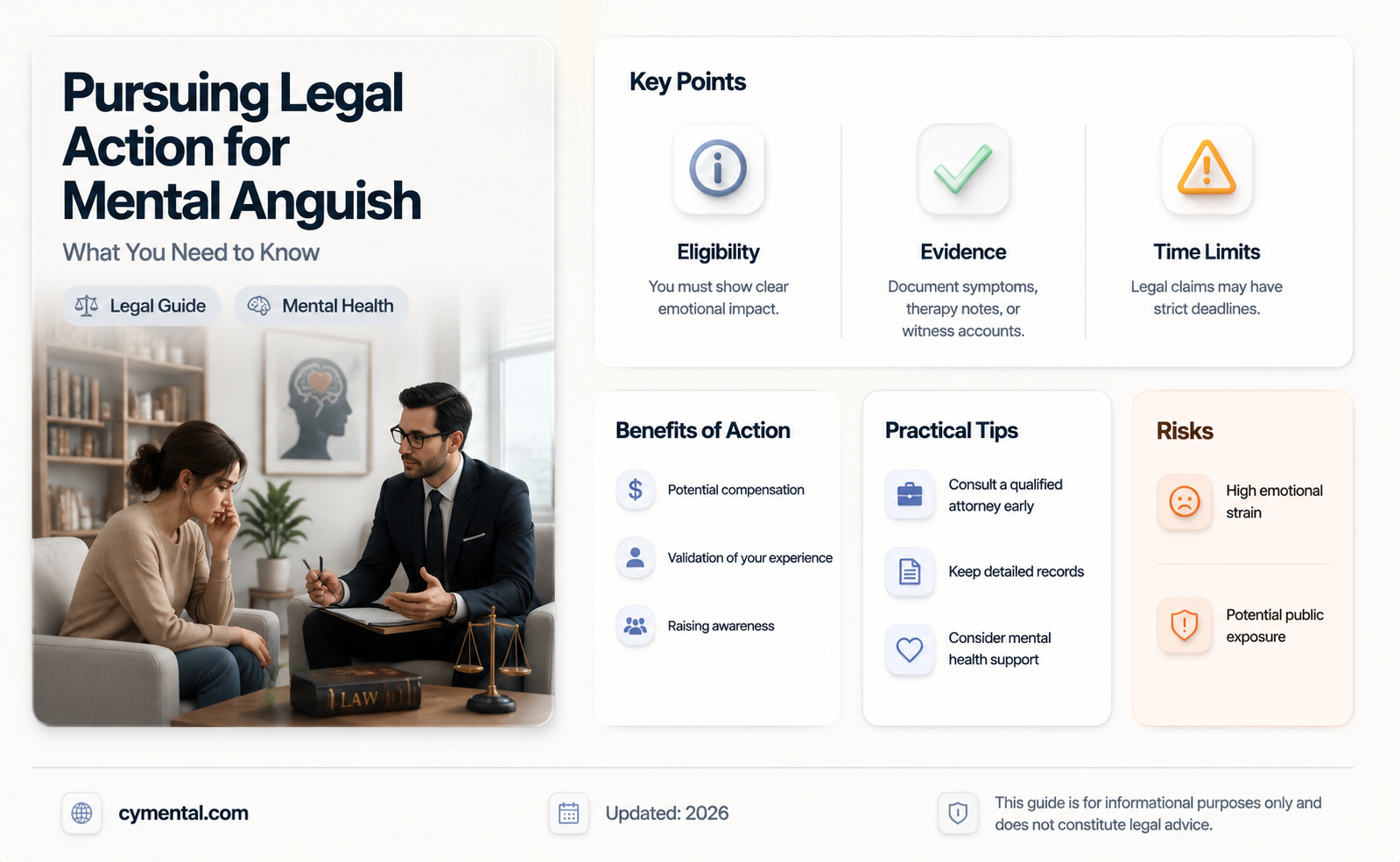
Mental anguish is a serious issue that can significantly impact a person's well-being and quality of life. If you have experienced mental anguish due to someone else's actions or negligence, you may be wondering if you can sue them for compensation. The answer depends on various factors, including the severity of your distress, the relationship between you and the defendant, and the specific circumstances surrounding the incident. In general, to successfully sue for mental anguish, you must be able to prove that the defendant's actions were extreme and outrageous, causing you severe emotional distress. It's essential to consult with a qualified attorney who can evaluate your case and provide guidance on the best course of action.
Explore related products




What You'll Learn
- Legal Grounds for Suing: Understand the specific circumstances under which you can file a lawsuit for mental anguish
- Types of Mental Anguish: Explore the different forms of emotional distress that may qualify for legal action
- Evidence Requirements: Learn about the necessary evidence to prove mental anguish in a court of law
- Potential Compensation: Discover the types of damages you might be eligible for if you win your case
- Finding Legal Representation: Get guidance on how to find and choose the right lawyer for your mental anguish lawsuit

Legal Grounds for Suing: Understand the specific circumstances under which you can file a lawsuit for mental anguish
To successfully sue for mental anguish, it's crucial to understand the legal grounds that justify such a claim. Mental anguish, also known as emotional distress, can result from various situations, but not all instances qualify for legal action. Generally, a lawsuit for mental anguish can be filed when someone has suffered severe emotional distress due to another party's intentional or negligent actions. This distress must be significant enough to impact the individual's daily life and well-being.
One common legal ground for suing for mental anguish is intentional infliction of emotional distress. This occurs when someone deliberately causes another person severe emotional harm. For example, if a person is subjected to relentless harassment, threats, or humiliation, they may have a case for intentional infliction of emotional distress. It's important to note that the actions must be extreme and outrageous, exceeding what a reasonable person would consider normal behavior.
Another legal basis for a mental anguish lawsuit is negligence. In such cases, the defendant's careless or reckless behavior leads to the plaintiff's emotional distress. For instance, if a doctor fails to diagnose a serious medical condition, leading to prolonged suffering and anxiety for the patient, this could constitute medical negligence resulting in mental anguish.
In some jurisdictions, mental anguish claims can also arise from breach of contract. If a party fails to fulfill their contractual obligations, and this breach leads to significant emotional distress for the other party, a lawsuit may be filed. For example, if a home builder fails to complete a house as promised, causing the homeowner considerable stress and anxiety, this could be grounds for a mental anguish claim based on breach of contract.
When pursuing a lawsuit for mental anguish, it's essential to gather strong evidence to support the claim. This may include medical records, witness testimonies, and documentation of the defendant's actions. Additionally, working with an experienced attorney who specializes in personal injury or emotional distress cases can significantly improve the chances of a successful outcome.
In conclusion, understanding the specific legal grounds for suing for mental anguish is crucial for anyone considering such a claim. Whether based on intentional infliction, negligence, or breach of contract, each case requires careful evaluation of the facts and circumstances to determine if a lawsuit is viable. By seeking legal advice and building a strong case, individuals can seek compensation and justice for the emotional harm they have endured.
Recognizing and Reporting Mental Abuse: A Guide to Protecting Yourself and Others
You may want to see also
Explore related products


Types of Mental Anguish: Explore the different forms of emotional distress that may qualify for legal action
Mental anguish encompasses a wide range of emotional distress states that can significantly impact an individual's well-being. In legal contexts, certain forms of mental anguish may qualify for legal action, particularly when they result from another party's negligence or intentional harm. Understanding the different types of mental anguish is crucial for determining the validity of a potential lawsuit.
One form of mental anguish that may warrant legal action is post-traumatic stress disorder (PTSD). PTSD can develop after experiencing or witnessing a traumatic event, such as a car accident, physical assault, or natural disaster. Symptoms include flashbacks, nightmares, severe anxiety, and uncontrollable thoughts about the event. If PTSD is diagnosed and it can be proven that the trauma was caused by another party's actions, a lawsuit may be filed to seek compensation for the emotional distress suffered.
Another type of mental anguish that could lead to legal action is severe depression or anxiety disorders. These conditions can arise from various stressors, including workplace harassment, bullying, or personal injury. If an individual can demonstrate that their depression or anxiety was directly caused by another party's actions and that it has significantly impacted their daily life and ability to function, they may have grounds for a lawsuit.
In some cases, mental anguish can also result from intentional infliction of emotional distress. This occurs when someone deliberately engages in behavior designed to cause severe emotional harm, such as stalking, verbal abuse, or spreading false rumors. Victims of such actions may be able to sue the perpetrator for the emotional distress they have endured.
It is important to note that the specific criteria for suing someone for mental anguish vary depending on the jurisdiction and the circumstances of the case. Generally, the plaintiff must be able to prove that the defendant's actions were the direct cause of their emotional distress and that the distress was severe enough to warrant compensation. Consulting with a legal professional is essential to determine the viability of a potential lawsuit for mental anguish.
Understanding Mental Capacity in Individuals with Down Syndrome
You may want to see also
Explore related products


$29.5 $59.99


Evidence Requirements: Learn about the necessary evidence to prove mental anguish in a court of law
To prove mental anguish in a court of law, you must provide substantial evidence that demonstrates the emotional distress you have suffered. This evidence can come in various forms, including medical records, psychological evaluations, and personal testimony. Medical records can show that you have sought treatment for your mental health issues, while psychological evaluations can provide a professional assessment of your emotional state. Personal testimony, either from yourself or from witnesses who can attest to your suffering, can also be powerful evidence.
In addition to these forms of evidence, it is important to document any incidents or events that have contributed to your mental anguish. This can include keeping a journal of your experiences, saving emails or messages that have caused you distress, and taking photographs or videos of any physical manifestations of your emotional suffering. By gathering and presenting this evidence in a clear and organized manner, you can strengthen your case and increase your chances of receiving compensation for your mental anguish.
It is also important to note that the burden of proof lies on the plaintiff, meaning that you must provide enough evidence to convince the court that your mental anguish is real and was caused by the defendant's actions. This can be a challenging task, but with the right evidence and legal representation, it is possible to successfully sue someone for mental anguish.
When preparing your case, it is crucial to work closely with your attorney to ensure that all necessary evidence is collected and presented in the most effective way possible. Your attorney can help you understand the specific requirements of your case and guide you through the process of gathering and presenting evidence. By following their advice and providing thorough documentation of your mental anguish, you can increase your chances of a successful outcome in court.
In conclusion, proving mental anguish in a court of law requires a combination of medical records, psychological evaluations, personal testimony, and documentation of incidents or events that have contributed to your suffering. By gathering and presenting this evidence in a clear and organized manner, and working closely with your attorney, you can strengthen your case and increase your chances of receiving compensation for your mental anguish.
Navigating Crisis: Where to Take Someone Having a Mental Breakdown
You may want to see also
Explore related products


$8.99 $9.71

![The Process of Legal Research: Practices and Resources [Connected eBook with Study Center]](https://m.media-amazon.com/images/I/71OG9MNqOCL._AC_UY218_.jpg)

Potential Compensation: Discover the types of damages you might be eligible for if you win your case
In the realm of legal recourse for mental anguish, understanding the potential compensation available is crucial. If you find yourself in a situation where you're considering suing someone for mental distress, it's important to know what types of damages you might be eligible for if your case is successful. This knowledge can help you make an informed decision about whether to proceed with legal action and what to expect in terms of financial recompense.
One type of damage you might be eligible for is compensatory damages. These are intended to restore you to the position you were in before the mental anguish occurred. Compensatory damages can include medical expenses, lost wages, and other financial losses directly related to the mental distress you've experienced. For instance, if you've had to take time off work due to anxiety or depression caused by the defendant's actions, you may be able to claim lost wages as part of your compensatory damages.
Another potential type of compensation is punitive damages. These are awarded not to compensate you for your losses, but to punish the defendant for their actions and to deter similar behavior in the future. Punitive damages are typically reserved for cases where the defendant's conduct was particularly egregious or reckless. For example, if the defendant intentionally caused you mental distress through harassment or abuse, you might be eligible for punitive damages in addition to compensatory damages.
In some cases, you might also be able to claim nominal damages. These are small amounts of money awarded to recognize that your rights have been violated, even if you haven't suffered significant financial losses. Nominal damages are often symbolic and can be as little as a few dollars. However, they can be important in cases where the primary goal is to establish that the defendant's actions were wrong and to obtain a legal judgment against them.
It's important to note that the availability and amount of these damages can vary depending on the jurisdiction and the specific circumstances of your case. Factors such as the severity of your mental distress, the defendant's intent, and the impact on your daily life will all play a role in determining the types and amounts of compensation you might be eligible for. Consulting with a legal professional who specializes in mental health law can help you understand your options and the potential outcomes of your case.
Liberating Yourself: The Art of Mental Detachment in Relationships
You may want to see also
Explore related products


Finding Legal Representation: Get guidance on how to find and choose the right lawyer for your mental anguish lawsuit
Navigating the legal landscape can be daunting, especially when dealing with the complexities of a mental anguish lawsuit. Finding the right legal representation is crucial to ensure your case is handled with the care and expertise it deserves. Here are some steps to guide you in selecting the appropriate lawyer for your situation.
Firstly, it's essential to understand that not all lawyers specialize in mental anguish cases. Look for attorneys who have experience in personal injury law, specifically those who have a track record of handling cases involving emotional distress. You can start by asking for referrals from friends, family, or other legal professionals. Online directories and bar association websites can also be valuable resources in your search.
Once you have a list of potential lawyers, schedule initial consultations to discuss your case. During these meetings, pay attention to how the lawyer listens to your concerns and explains the legal process. A good lawyer should be empathetic, knowledgeable, and able to communicate complex legal concepts in a way that's easy for you to understand. Don't hesitate to ask about their experience with cases similar to yours and inquire about their success rates.
It's also important to consider the lawyer's fees and billing practices. Some attorneys work on a contingency basis, meaning they only get paid if you win your case. Others may charge hourly rates or require a retainer. Make sure you understand the fee structure upfront to avoid any surprises later on.
Lastly, trust your instincts. If you feel uncomfortable or unsure about a lawyer after your initial consultation, it's okay to keep looking. Your lawyer will be your advocate throughout the legal process, so it's crucial to find someone you feel confident in and can work well with.
Remember, finding the right legal representation is a critical step in your mental anguish lawsuit. Take your time, do your research, and don't be afraid to ask questions. With the right lawyer by your side, you can navigate the legal system with greater ease and increase your chances of a successful outcome.
Understanding Involuntary Commitment to Mental Health Facilities
You may want to see also
Frequently asked questions
Yes, you can sue someone for causing mental anguish, but the specifics vary by jurisdiction. Generally, you must prove that the person's actions were intentional or reckless and directly caused you severe emotional distress.
To support a lawsuit for mental anguish, you'll need evidence such as medical records, therapy notes, witness testimonies, and any documentation that demonstrates the impact of the person's actions on your mental health.
Yes, there is typically a statute of limitations for filing a lawsuit for mental anguish. This time limit varies by state and type of claim, so it's important to consult with a legal professional to understand your specific timeframe.
Common defenses against a mental anguish lawsuit include arguing that the plaintiff's emotional distress was not severe enough to warrant compensation, that the defendant's actions were not the direct cause of the plaintiff's distress, or that the plaintiff failed to take reasonable steps to mitigate their emotional harm.