Lucas Bennett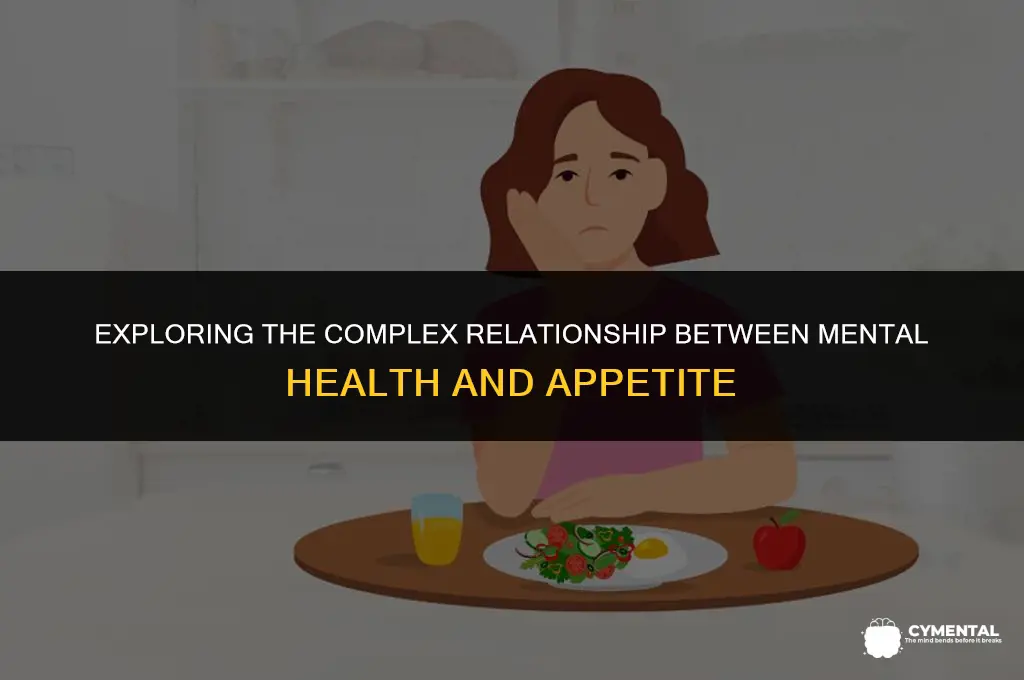
Mental health can significantly impact appetite, leading to changes in eating habits and overall nutritional intake. Conditions such as depression, anxiety, and stress can alter the body's hormonal balance, affecting hunger and satiety signals. For instance, some individuals may experience a decrease in appetite due to heightened stress levels, while others may turn to food as a coping mechanism, leading to overeating. Understanding the intricate relationship between mental health and appetite is crucial for developing holistic approaches to treatment and promoting overall well-being.
Explore related products


What You'll Learn
- Stress and Cortisol: Elevated cortisol levels can increase appetite, leading to weight gain and related health issues
- Depression and Serotonin: Low serotonin levels in depression can affect appetite regulation, often resulting in overeating or undereating
- Anxiety and Adrenaline: Anxiety triggers adrenaline release, which can suppress appetite initially but lead to increased hunger later
- Bipolar Disorder and Mood Swings: Mood swings in bipolar disorder can cause fluctuations in appetite, impacting overall nutritional intake
- PTSD and Emotional Eating: Individuals with PTSD may turn to food as a coping mechanism, leading to emotional eating and potential weight changes

Stress and Cortisol: Elevated cortisol levels can increase appetite, leading to weight gain and related health issues
Chronic stress can lead to elevated cortisol levels, which in turn can increase appetite and contribute to weight gain. This is because cortisol, a hormone produced by the adrenal glands, plays a crucial role in regulating metabolism and energy balance. When cortisol levels are high, it can trigger cravings for high-fat, high-sugar foods, which can lead to overeating and weight gain. Additionally, elevated cortisol levels can also contribute to other health issues such as high blood pressure, heart disease, and diabetes.
One of the ways that cortisol can increase appetite is by affecting the brain's reward system. Cortisol can stimulate the release of dopamine, a neurotransmitter that is associated with pleasure and reward. This can lead to cravings for foods that are high in sugar and fat, as these foods can activate the brain's reward system and provide a sense of pleasure. Over time, this can lead to a cycle of overeating and weight gain, as the brain becomes conditioned to associate high-calorie foods with pleasure.
Another way that cortisol can increase appetite is by affecting the body's energy balance. Cortisol can increase the amount of energy that is stored as fat, which can lead to weight gain. Additionally, cortisol can also decrease the amount of energy that is used for physical activity, which can further contribute to weight gain. This is because cortisol can suppress the production of growth hormone, which is important for maintaining muscle mass and promoting physical activity.
It is important to note that not all stress is created equal. Acute stress, which is short-term and intense, can actually decrease appetite. However, chronic stress, which is long-term and persistent, can lead to elevated cortisol levels and increased appetite. This is why it is important to manage stress levels through healthy coping mechanisms such as exercise, meditation, and social support.
In conclusion, elevated cortisol levels can increase appetite and contribute to weight gain and related health issues. This is because cortisol can affect the brain's reward system and the body's energy balance. Managing stress levels through healthy coping mechanisms can help to mitigate the negative effects of cortisol on appetite and weight gain.
Mind Over Matter: Exploring the Impact of Mental Attitude on Biological Disease
You may want to see also
Explore related products


Depression and Serotonin: Low serotonin levels in depression can affect appetite regulation, often resulting in overeating or undereating
Serotonin, a neurotransmitter often referred to as the "feel-good" hormone, plays a crucial role in regulating mood, sleep, and appetite. In individuals experiencing depression, serotonin levels are typically lower than average, which can disrupt the normal functioning of these processes. This disruption is particularly evident in appetite regulation, where low serotonin levels can lead to significant changes in eating habits.
One of the primary ways serotonin influences appetite is through its effect on the hypothalamus, a region of the brain responsible for controlling hunger and satiety. Serotonin helps to suppress appetite by signaling the hypothalamus that the body has had enough to eat. However, when serotonin levels are low, this signaling is impaired, leading to difficulties in recognizing feelings of fullness. As a result, individuals may overeat, consuming more calories than their body needs, which can contribute to weight gain and associated health problems.
Conversely, some individuals with depression may experience a decrease in appetite due to low serotonin levels. This can occur when serotonin's influence on the hypothalamus is diminished, leading to a lack of motivation to eat. In such cases, individuals may undereat, resulting in weight loss and potential nutritional deficiencies. The changes in appetite can further exacerbate the symptoms of depression, creating a vicious cycle that is challenging to break.
Understanding the relationship between serotonin and appetite is essential for developing effective treatment strategies for depression. Medications such as selective serotonin reuptake inhibitors (SSRIs) can help increase serotonin levels in the brain, thereby improving mood and appetite regulation. Additionally, lifestyle changes, including regular exercise and a balanced diet, can support overall mental health and contribute to more stable appetite patterns.
In conclusion, the interplay between depression and serotonin levels has a significant impact on appetite regulation. By addressing serotonin imbalances through appropriate medical and lifestyle interventions, individuals can better manage their symptoms and improve their overall well-being.
Exploring the Link: Kidney Stones and Mental Health Impact
You may want to see also
Explore related products


Anxiety and Adrenaline: Anxiety triggers adrenaline release, which can suppress appetite initially but lead to increased hunger later
Anxiety triggers a cascade of physiological responses, one of which is the release of adrenaline. This hormone, also known as epinephrine, prepares the body for a fight-or-flight response by increasing heart rate, blood pressure, and energy levels. In the short term, adrenaline can suppress appetite as the body prioritizes survival over sustenance. However, once the immediate threat passes, the body's energy reserves are depleted, leading to a rebound effect where hunger increases to replenish lost nutrients.
This complex interplay between anxiety, adrenaline, and appetite can have significant implications for mental health. Chronic anxiety, for instance, can lead to persistent suppression of appetite, potentially resulting in malnutrition or unhealthy weight loss. Conversely, the subsequent increase in hunger can lead to overeating or binge eating, contributing to weight gain and related health issues. Understanding this cycle is crucial for managing anxiety-related appetite disturbances.
Several strategies can help mitigate the impact of anxiety on appetite. Mindful eating practices, such as paying attention to hunger and fullness cues, can help individuals recognize when they are genuinely hungry rather than eating in response to stress. Regular physical activity can also help reduce anxiety levels and regulate appetite. Additionally, seeking professional help from a therapist or counselor can provide individuals with tools to manage anxiety and its effects on eating habits.
In conclusion, the relationship between anxiety, adrenaline, and appetite is a complex one, with short-term suppression of appetite potentially leading to long-term increases in hunger. By understanding this cycle and implementing strategies to manage anxiety and regulate appetite, individuals can better maintain their mental and physical health.
Unraveling the Mental Impact: Anxiety's Influence on Your Mind
You may want to see also
Explore related products


Bipolar Disorder and Mood Swings: Mood swings in bipolar disorder can cause fluctuations in appetite, impacting overall nutritional intake
Bipolar disorder is characterized by extreme mood swings that can range from manic highs to depressive lows. These mood fluctuations can significantly impact a person's appetite, leading to either overeating or undereating. During manic episodes, individuals may experience increased energy and a decreased need for sleep, which can result in irregular eating patterns. Conversely, during depressive episodes, a loss of appetite or overeating as a form of comfort can occur. These changes in eating habits can lead to nutritional deficiencies or excesses, further complicating the management of bipolar disorder.
The relationship between mood swings and appetite in bipolar disorder is complex and multifaceted. Neurotransmitters such as serotonin and dopamine play a crucial role in regulating both mood and appetite. Imbalances in these neurotransmitters can lead to the mood swings characteristic of bipolar disorder, as well as disruptions in the body's hunger and satiety signals. Additionally, the stress associated with mood swings can trigger the release of cortisol, a hormone that can increase appetite and lead to weight gain.
Managing appetite fluctuations in bipolar disorder requires a comprehensive approach that addresses both the psychological and physiological aspects of the condition. Medications used to treat bipolar disorder, such as mood stabilizers and antipsychotics, can sometimes cause weight gain or loss as a side effect, further complicating the issue. Therefore, it is essential for individuals with bipolar disorder to work closely with their healthcare providers to develop a personalized treatment plan that minimizes these side effects and promotes a healthy relationship with food.
In addition to medication, lifestyle interventions such as regular exercise, stress management techniques, and a balanced diet can help mitigate the impact of mood swings on appetite. Keeping a food diary can be a useful tool for tracking changes in appetite and identifying patterns that may be related to mood swings. Cognitive-behavioral therapy (CBT) can also be beneficial in helping individuals with bipolar disorder develop healthier coping mechanisms for managing stress and emotions, which can in turn lead to more stable eating habits.
Overall, the interplay between bipolar disorder and appetite is a critical aspect of the condition that requires careful attention and management. By addressing both the psychological and physiological factors that contribute to appetite fluctuations, individuals with bipolar disorder can work towards achieving a more balanced and healthy lifestyle.
Exploring the Link: Vitamin D Deficiency and Mental Health Impact
You may want to see also
Explore related products



PTSD and Emotional Eating: Individuals with PTSD may turn to food as a coping mechanism, leading to emotional eating and potential weight changes
Individuals with post-traumatic stress disorder (PTSD) often experience intense emotional distress, which can lead them to seek comfort in food. This coping mechanism, known as emotional eating, can result in significant weight changes and further complicate their mental health struggles. Emotional eating is a common response to stress and trauma, as food can provide a temporary sense of comfort and distraction from overwhelming emotions. However, this behavior can quickly become a vicious cycle, with individuals feeling guilty or ashamed about their eating habits, which in turn exacerbates their PTSD symptoms.
Research has shown that individuals with PTSD are more likely to struggle with weight management and have a higher risk of developing eating disorders such as binge eating disorder. This is partly due to the fact that PTSD can disrupt the body's natural hunger and fullness cues, leading to overeating or undereating. Additionally, the emotional numbing associated with PTSD can make it difficult for individuals to recognize their body's physical needs, further contributing to unhealthy eating patterns.
It is essential for mental health professionals to address the relationship between PTSD and emotional eating when treating patients. This can involve helping individuals develop healthier coping mechanisms, such as mindfulness practices or physical exercise, to manage their stress and anxiety. Cognitive-behavioral therapy (CBT) can also be effective in addressing the underlying thought patterns that contribute to emotional eating. By treating the root causes of PTSD and providing support for emotional regulation, mental health professionals can help individuals break the cycle of emotional eating and improve their overall well-being.
In addition to professional treatment, there are several practical tips that individuals with PTSD can use to manage their emotional eating. These include keeping a food diary to track eating patterns, practicing mindful eating by savoring each bite and paying attention to hunger and fullness cues, and engaging in regular physical activity to reduce stress and improve mood. It is also important for individuals to seek support from friends, family, or support groups, as social connection can help mitigate the feelings of isolation and shame that often accompany emotional eating.
Ultimately, addressing the link between PTSD and emotional eating requires a comprehensive approach that combines professional treatment, self-care practices, and social support. By understanding the complex relationship between mental health and appetite, individuals with PTSD can take steps to improve their emotional well-being and develop healthier eating habits.
Navigating Choices: The Impact of Mental Health on Decision-Making
You may want to see also
Frequently asked questions
Yes, mental health issues can significantly impact appetite. Conditions such as depression, anxiety, and stress can cause either an increase or decrease in appetite, leading to changes in eating habits and overall nutrition.
Common mental health conditions that can affect appetite include depression, anxiety disorders, bipolar disorder, and schizophrenia. These conditions can alter the body's stress response, hormone levels, and neurotransmitter function, all of which can influence appetite.
Managing changes in appetite due to mental health issues often involves a combination of strategies. These may include psychotherapy to address underlying mental health concerns, medication to regulate mood and appetite, and nutritional counseling to ensure a balanced diet. Additionally, practicing stress-reduction techniques and maintaining a regular eating schedule can help stabilize appetite fluctuations.