Caleb Wright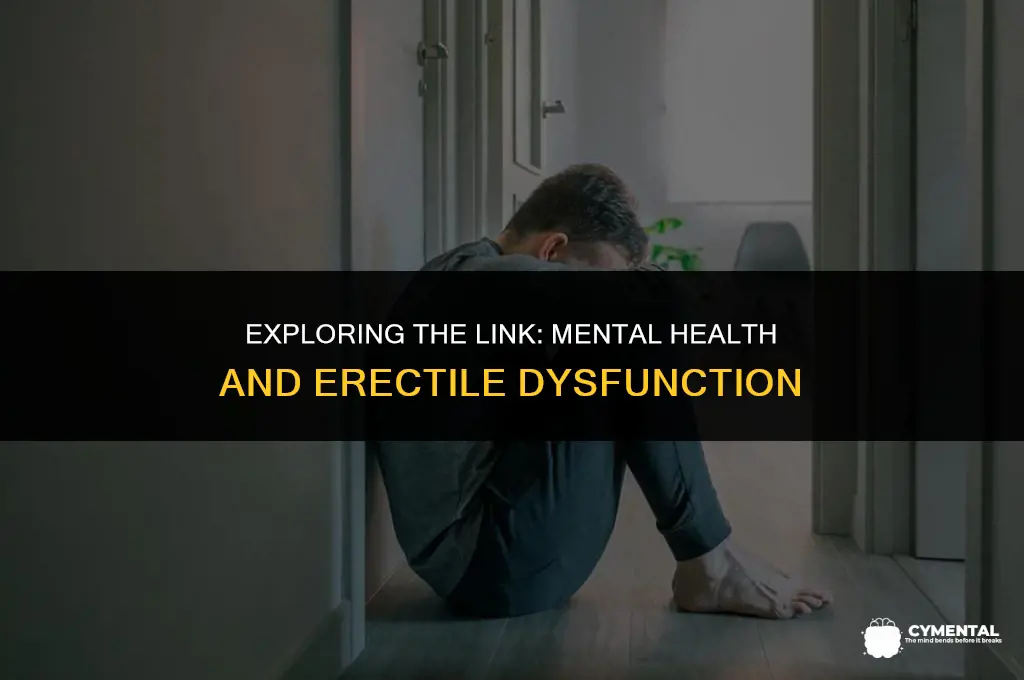
Mental health and erectile dysfunction are deeply interconnected, with psychological factors often playing a significant role in the development and exacerbation of ED. Conditions such as anxiety, depression, and stress can impact a person's ability to achieve and maintain an erection, as these emotional states can interfere with the body's natural response to sexual stimuli. Furthermore, the psychological impact of ED can create a vicious cycle, where the anxiety about performance leads to further difficulties, exacerbating the condition. Understanding this connection is crucial for effective treatment, as addressing underlying mental health issues can be an essential component of managing and overcoming erectile dysfunction.
| Characteristics | Values |
|---|---|
| Definition | Erectile dysfunction (ED) is the inability to get or keep an erection firm enough for sexual intercourse. Mental health can significantly impact ED. |
| Prevalence | ED affects approximately 1 in 10 men worldwide. Mental health issues such as depression and anxiety are also common, with depression affecting around 264 million people globally. |
| Risk Factors | Risk factors for ED include age, obesity, diabetes, cardiovascular disease, and certain medications. Mental health conditions like depression, anxiety, and stress can exacerbate ED. |
| Pathophysiology | ED can result from various factors, including psychological issues. Mental health conditions can affect the brain's ability to send signals to the penis, leading to ED. |
| Diagnosis | Diagnosis of ED typically involves a physical examination, medical history, and possibly psychological evaluation. Mental health assessments may include questionnaires and interviews. |
| Treatment | Treatment for ED may include medications like sildenafil, counseling, and lifestyle changes. Addressing underlying mental health conditions through therapy and medication can also improve ED. |
| Prognosis | The prognosis for ED varies depending on the cause and severity. Managing mental health conditions can lead to improved ED outcomes. |
| Complications | Complications of ED can include reduced quality of life, relationship problems, and increased risk of cardiovascular disease. Untreated mental health conditions can worsen these complications. |
| Prevention | Preventing ED involves maintaining a healthy lifestyle, managing chronic conditions, and addressing mental health issues promptly. |
| Research | Ongoing research is exploring the complex relationship between mental health and ED, including the development of new treatments and interventions. |
| Public Health Impact | ED and mental health issues have significant public health impacts, affecting individuals' well-being and healthcare systems. |
| Societal Stigma | Stigma surrounding both ED and mental health conditions can prevent individuals from seeking help, highlighting the need for increased awareness and education. |
Explore related products


What You'll Learn
- Stress and Anxiety: Elevated stress levels can lead to decreased sexual desire and impaired erectile function
- Depression: Symptoms of depression, such as low mood and fatigue, can negatively impact sexual health
- Trauma and PTSD: Past traumatic experiences can cause emotional distress, affecting sexual performance and intimacy
- Body Image Issues: Negative body image can lead to feelings of inadequacy, impacting sexual confidence and function
- Medication Side Effects: Certain mental health medications can have side effects that contribute to erectile dysfunction

Stress and Anxiety: Elevated stress levels can lead to decreased sexual desire and impaired erectile function
Chronic stress and anxiety can have a profound impact on sexual health, particularly in men. Elevated stress levels can lead to a decrease in sexual desire and impaired erectile function, contributing to erectile dysfunction (ED). This connection is rooted in the body's physiological response to stress, which involves the release of hormones such as cortisol and adrenaline. These hormones can interfere with the normal functioning of the reproductive system, leading to a reduction in libido and difficulties achieving or maintaining an erection.
One of the key mechanisms by which stress affects erectile function is through its impact on blood flow. Stress hormones can cause blood vessels to constrict, reducing blood flow to the penis and making it more difficult to achieve an erection. Additionally, stress can lead to muscle tension, which can further impede blood flow and contribute to ED. Over time, chronic stress can also lead to changes in the brain's structure and function, affecting the neural pathways that control sexual arousal and response.
It is important to note that the relationship between stress and ED is complex and can vary from person to person. Some individuals may be more susceptible to the effects of stress on sexual health due to genetic, psychological, or environmental factors. For example, men with a history of anxiety disorders or depression may be at a higher risk of developing ED in response to stress. Similarly, men who experience chronic stress due to work, relationship issues, or financial problems may be more likely to suffer from sexual dysfunction.
Fortunately, there are several strategies that can help mitigate the effects of stress on sexual health. Stress management techniques such as meditation, deep breathing exercises, and yoga can help reduce overall stress levels and improve sexual function. Additionally, lifestyle changes such as regular exercise, a healthy diet, and adequate sleep can also contribute to better sexual health. In some cases, therapy or counseling may be necessary to address underlying psychological issues that are contributing to stress and ED.
In conclusion, the link between stress and anxiety and erectile dysfunction is well-established, with chronic stress having a significant impact on sexual desire and function. By understanding the physiological and psychological mechanisms underlying this relationship, individuals can take steps to manage their stress levels and improve their sexual health.
Exploring the Eerie: Can Ghosts Impact Your Mental Health?
You may want to see also
Explore related products


$9.95 $10.43


Depression: Symptoms of depression, such as low mood and fatigue, can negatively impact sexual health
Depression is a pervasive mental health condition that can significantly impact various aspects of an individual's life, including sexual health. Symptoms such as persistent low mood, fatigue, and a lack of interest in activities can lead to a decrease in sexual desire and performance. This can manifest as erectile dysfunction, where an individual may struggle to achieve or maintain an erection sufficient for sexual intercourse. The psychological distress associated with depression can also contribute to anxiety and stress, further exacerbating sexual health issues.
One of the key mechanisms by which depression affects sexual health is through the disruption of neurotransmitters in the brain. Serotonin, dopamine, and norepinephrine are neurotransmitters that play crucial roles in regulating mood, motivation, and sexual function. In depression, the imbalance of these neurotransmitters can lead to a reduction in libido and sexual arousal, making it difficult for individuals to engage in sexual activities. Additionally, depression can impact the hypothalamic-pituitary-adrenal (HPA) axis, which is involved in the body's stress response. Chronic activation of the HPA axis can result in increased cortisol levels, which may further suppress sexual function.
It is also important to consider the role of medication in the treatment of depression and its potential impact on sexual health. Selective serotonin reuptake inhibitors (SSRIs), which are commonly prescribed for depression, can sometimes cause sexual side effects such as decreased libido, erectile dysfunction, and delayed orgasm. These side effects can be distressing for individuals and may lead to non-adherence to treatment regimens. In such cases, it may be necessary to explore alternative medications or treatment approaches that have a lower risk of sexual side effects.
In addition to pharmacological interventions, psychotherapy can be an effective treatment for depression and its associated sexual health issues. Cognitive-behavioral therapy (CBT) and interpersonal therapy (IPT) are two psychotherapeutic approaches that have been shown to be beneficial in addressing depression and improving sexual function. These therapies can help individuals identify and challenge negative thought patterns, improve communication skills, and develop healthier coping mechanisms for managing stress and anxiety.
Overall, it is crucial to recognize the complex interplay between depression and sexual health. By addressing the underlying psychological and physiological factors contributing to sexual dysfunction, individuals can work towards improving their overall well-being and quality of life.
Exploring the Mental Impact of Skipping a Day of Exercise
You may want to see also
Explore related products


Trauma and PTSD: Past traumatic experiences can cause emotional distress, affecting sexual performance and intimacy
Past traumatic experiences can have a profound impact on an individual's mental health, often leading to conditions such as Post-Traumatic Stress Disorder (PTSD). This emotional distress can manifest in various ways, including affecting sexual performance and intimacy. Trauma can lead to a heightened state of arousal, making it difficult for individuals to relax and engage in sexual activities. It can also result in feelings of guilt, shame, or fear, which can further exacerbate sexual dysfunction.
One of the key ways trauma affects sexual performance is through the disruption of the body's stress response system. Chronic stress, often associated with PTSD, can lead to an overproduction of cortisol, a hormone that, in excess, can interfere with the production of sex hormones like testosterone. This hormonal imbalance can contribute to erectile dysfunction, decreased libido, and other sexual health issues.
Moreover, trauma can impact the brain's ability to process and regulate emotions, leading to difficulties in forming and maintaining intimate relationships. Individuals with PTSD may experience flashbacks or nightmares related to their traumatic experiences, which can create a sense of emotional numbness or detachment. This emotional distancing can make it challenging to connect with partners on an intimate level, affecting overall sexual satisfaction and relationship stability.
In addressing the impact of trauma on sexual performance, it is crucial to adopt a holistic approach that considers both the physical and psychological aspects of the individual's well-being. Treatment options may include therapy, such as cognitive-behavioral therapy (CBT) or eye movement desensitization and reprocessing (EMDR), which can help individuals process their traumatic experiences and develop coping strategies. Additionally, medication may be prescribed to manage symptoms of PTSD and related sexual dysfunction.
It is also important for individuals to engage in self-care practices, such as mindfulness, meditation, and physical exercise, which can help reduce stress and improve overall mental health. Building a strong support network, including friends, family, and mental health professionals, can further aid in the recovery process. By addressing the underlying causes of trauma-related sexual dysfunction, individuals can work towards improving their sexual health and overall quality of life.
The Impact of Excessive Gaming on Mental Health: A Comprehensive Analysis
You may want to see also
Explore related products


Body Image Issues: Negative body image can lead to feelings of inadequacy, impacting sexual confidence and function
Negative body image can significantly impact a person's sexual confidence and function. When individuals feel inadequate or insecure about their physical appearance, it can lead to a decrease in self-esteem and an increase in anxiety, both of which are known to affect sexual performance. For example, a person with negative body image may avoid intimate situations or feel self-conscious during sexual encounters, which can contribute to erectile dysfunction.
Research has shown that body image issues are not limited to women; men also experience negative body image, which can have a direct impact on their sexual health. A study published in the Journal of Sexual Medicine found that men with negative body image were more likely to experience erectile dysfunction and other sexual problems. This highlights the importance of addressing body image issues in both men and women to improve sexual health and overall well-being.
One way to address negative body image is through cognitive-behavioral therapy (CBT), which can help individuals identify and challenge negative thought patterns related to their physical appearance. CBT can also teach individuals coping strategies to manage anxiety and improve self-esteem. In addition to therapy, lifestyle changes such as regular exercise, healthy eating, and stress management can also contribute to a more positive body image and improved sexual function.
It is important to note that body image issues can be complex and deeply rooted, often stemming from societal pressures, cultural norms, and personal experiences. Therefore, it may take time and effort to overcome negative body image and its impact on sexual health. However, with the right support and resources, individuals can learn to develop a more positive and realistic view of their bodies, which can lead to improved sexual confidence and function.
In conclusion, negative body image can have a significant impact on sexual health, leading to feelings of inadequacy and impacting sexual confidence and function. Addressing body image issues through therapy, lifestyle changes, and support can help individuals improve their sexual health and overall well-being. It is important to recognize that body image issues are not limited to women and that men also experience these challenges, which can contribute to erectile dysfunction and other sexual problems. By acknowledging and addressing body image issues, individuals can take steps towards a more positive and healthy relationship with their bodies and sexuality.
Exploring the Intriguing Link Between Left-Handedness and Mental Health
You may want to see also
Explore related products


Medication Side Effects: Certain mental health medications can have side effects that contribute to erectile dysfunction
Selective serotonin reuptake inhibitors (SSRIs), commonly prescribed for depression and anxiety, are known to affect sexual function. These medications work by increasing the levels of serotonin in the brain, which can lead to a decrease in libido and difficulties with sexual arousal. In some cases, SSRIs may also cause erectile dysfunction, although this side effect is less common. It is essential for individuals taking SSRIs to discuss any concerns about sexual function with their healthcare provider, as there may be alternative medications or dosage adjustments that can help mitigate these side effects.
Another class of mental health medications that can contribute to erectile dysfunction is antipsychotics. These drugs, often used to treat conditions such as schizophrenia and bipolar disorder, can affect the balance of neurotransmitters in the brain, leading to a range of sexual side effects. Antipsychotics may cause changes in libido, sexual arousal, and orgasm, as well as erectile dysfunction. The risk of sexual side effects varies depending on the specific antipsychotic medication and the individual's overall health. Patients experiencing sexual side effects from antipsychotics should consult with their healthcare provider to explore potential solutions, such as switching to a different medication or adjusting the dosage.
In addition to SSRIs and antipsychotics, other mental health medications, such as mood stabilizers and anxiolytics, can also have sexual side effects. Mood stabilizers like lithium and valproate may cause erectile dysfunction, while anxiolytics such as benzodiazepines can lead to decreased libido and sexual arousal. It is crucial for individuals taking any mental health medication to be aware of the potential sexual side effects and to discuss any concerns with their healthcare provider. In many cases, healthcare providers can offer strategies to manage or reduce these side effects, such as adjusting the medication dosage, switching to a different medication, or incorporating lifestyle changes.
When considering the impact of mental health medications on erectile dysfunction, it is important to weigh the benefits of the medication against the potential side effects. In many cases, the benefits of treating mental health conditions outweigh the risks of sexual side effects. However, it is essential for individuals to have open and honest conversations with their healthcare providers about their concerns and to work together to find the best course of treatment. By addressing sexual side effects proactively, individuals can improve their overall quality of life and maintain healthy sexual function while managing their mental health conditions.
The Evolutionary Impact on Mental Health: Unraveling the Connection
You may want to see also
Frequently asked questions
Yes, mental health issues such as stress, anxiety, and depression can contribute to erectile dysfunction. These conditions can affect the brain's ability to send signals to the penis, leading to difficulties in achieving or maintaining an erection.
It's quite common. Studies suggest that in many cases of erectile dysfunction, psychological factors play a significant role. In fact, it's estimated that up to 90% of cases may have a psychological component.
Specific mental health conditions that can lead to erectile dysfunction include generalized anxiety disorder, social anxiety disorder, depression, and stress-related disorders. These conditions can interfere with sexual function by affecting mood, reducing libido, and causing physical symptoms like rapid heartbeat or muscle tension.
Yes, there are effective treatments available. Cognitive-behavioral therapy (CBT) and other forms of psychotherapy can help address the underlying mental health issues contributing to erectile dysfunction. Additionally, medications like sildenafil (Viagra) or tadalafil (Cialis) can be prescribed to help with the physical symptoms of erectile dysfunction.


![Hard Wood: The Adult Features Of Ed Wood [Blu-ray]](https://m.media-amazon.com/images/I/81O-8Doq49L._AC_UY218_.jpg)