Caleb Wright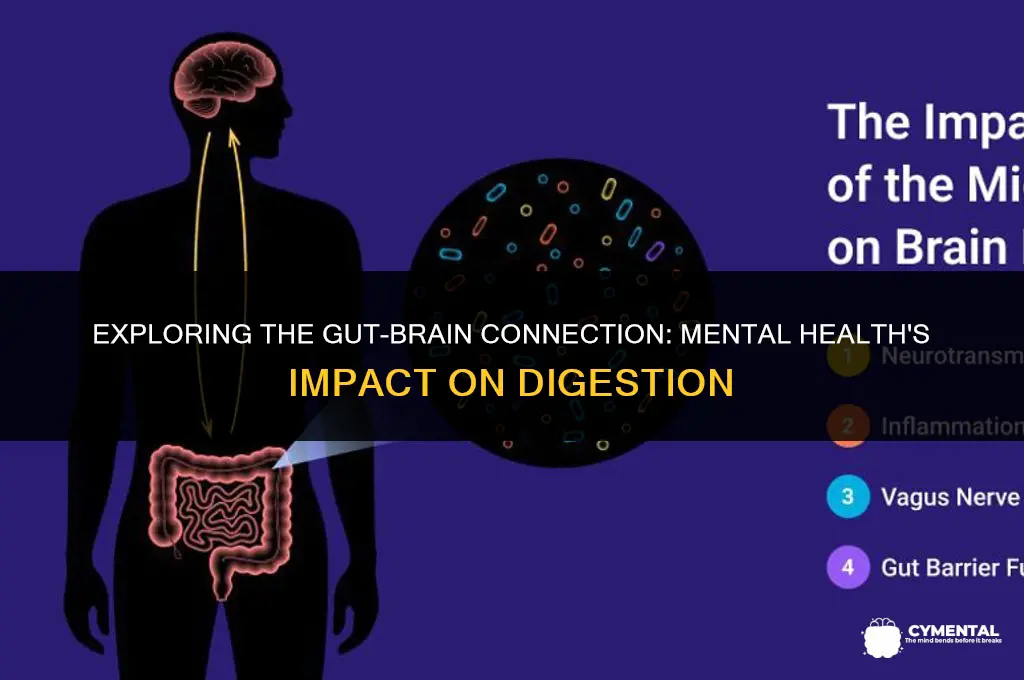
The intricate relationship between mental health and the digestive system is a fascinating area of study that has garnered significant attention in recent years. Research has shown that the gut and the brain are intimately connected, with the gut microbiome playing a crucial role in regulating mood, cognition, and overall mental well-being. Conversely, mental health conditions such as anxiety, depression, and stress can have a profound impact on digestive health, leading to issues like irritable bowel syndrome (IBS), inflammatory bowel disease (IBD), and gastroesophageal reflux disease (GERD). This bidirectional relationship highlights the importance of a holistic approach to healthcare, where mental and physical health are considered intertwined and equally important. By understanding the complex interplay between the mind and the gut, we can develop more effective strategies for promoting overall health and well-being.
| Characteristics | Values |
|---|---|
| Definition | Mental health refers to a person's emotional, psychological, and social well-being. It affects how we think, feel, and act. The digestive system is responsible for breaking down food, absorbing nutrients, and expelling waste. |
| Interconnection | The gut-brain axis is a bidirectional communication network between the central nervous system (CNS) and the gastrointestinal (GI) tract. This connection allows the brain to influence digestion and vice versa. |
| Impact of Stress | Chronic stress can negatively impact the digestive system by causing symptoms such as abdominal pain, diarrhea, constipation, and nausea. It can also exacerbate existing digestive disorders like irritable bowel syndrome (IBS). |
| Role of Serotonin | Serotonin is a neurotransmitter that plays a crucial role in regulating mood and digestion. Approximately 90% of serotonin is produced in the gut, and it helps control bowel movements and appetite. |
| Effect of Anxiety and Depression | Anxiety and depression can lead to digestive issues such as stomachaches, cramping, and changes in bowel habits. These conditions can also worsen symptoms of existing digestive disorders. |
| Psychological Factors | Psychological factors like stress, anxiety, and depression can alter the gut microbiome, leading to changes in digestion and overall gut health. |
| Digestive Disorders | Certain digestive disorders, such as IBS, Crohn's disease, and ulcerative colitis, can have a significant impact on mental health, causing symptoms like anxiety, depression, and stress. |
| Treatment Approaches | Treating mental health issues can help alleviate digestive symptoms. Cognitive-behavioral therapy (CBT), medication, and relaxation techniques are common treatment approaches. |
| Lifestyle Modifications | Making lifestyle changes, such as exercising regularly, eating a balanced diet, and practicing stress management techniques, can improve both mental health and digestive function. |
| Research Findings | Studies have shown that there is a strong link between mental health and digestive health. For example, a 2017 study published in the journal Gut found that people with depression had higher levels of inflammation in their gut. |
| Clinical Implications | Healthcare providers should consider the potential impact of mental health on digestive health when diagnosing and treating patients with digestive disorders. |
| Patient Education | Educating patients about the connection between mental health and digestive health can help them better understand their symptoms and take steps to improve their overall well-being. |
| Future Directions | Further research is needed to fully understand the complex relationship between mental health and digestive health. This could lead to the development of new treatment approaches that target both systems. |
| Public Health Impact | The connection between mental health and digestive health has significant implications for public health. Addressing mental health issues could help reduce the burden of digestive disorders on healthcare systems. |
| Policy Recommendations | Policymakers should consider the link between mental health and digestive health when developing healthcare policies and allocating resources for research and treatment. |
Explore related products


What You'll Learn
- Stress and Gut Health: Chronic stress impacts digestion, causing symptoms like bloating and abdominal pain
- Anxiety and Nausea: Anxiety disorders often lead to digestive issues, including nausea and vomiting
- Depression and Appetite: Depression can cause changes in appetite, leading to overeating or undereating
- Trauma and Digestive Disorders: Past trauma may contribute to digestive disorders like IBS and IBD
- Mind-Gut Connection: The gut-brain axis links mental health to digestive function, influencing overall well-being

Stress and Gut Health: Chronic stress impacts digestion, causing symptoms like bloating and abdominal pain
Chronic stress has a profound impact on the digestive system, leading to a range of uncomfortable and potentially debilitating symptoms. One of the most common issues associated with stress-related digestive problems is bloating, which occurs when the body retains excess gas in the intestines. This can be caused by a variety of factors, including changes in eating habits, reduced physical activity, and alterations in the gut microbiome. Abdominal pain is another frequent complaint, often resulting from increased muscle tension and changes in bowel movements.
The connection between stress and gut health is complex and multifaceted. Stress can affect the digestive system directly by altering the production of stomach acid, slowing down the movement of food through the intestines, and increasing the permeability of the gut lining. Indirectly, stress can lead to changes in behavior, such as overeating or undereating, which can further exacerbate digestive issues. Additionally, stress can disrupt the delicate balance of the gut microbiome, leading to an overgrowth of harmful bacteria and a decrease in beneficial bacteria.
Managing stress-related digestive problems often requires a multifaceted approach. Dietary changes, such as increasing fiber intake and avoiding trigger foods, can help alleviate symptoms. Regular exercise and relaxation techniques, like meditation and deep breathing, can also be beneficial in reducing stress levels. In some cases, supplements or medications may be necessary to address underlying issues, such as anxiety or depression. It is important to work with a healthcare professional to develop a personalized treatment plan that addresses the specific needs of the individual.
In conclusion, the relationship between stress and gut health is a critical area of study, with significant implications for overall well-being. By understanding the complex interplay between mental health and the digestive system, individuals can take proactive steps to manage stress-related digestive problems and improve their quality of life.
Unraveling the Impact: Trauma's Profound Influence on Mental Health
You may want to see also
Explore related products





Anxiety and Nausea: Anxiety disorders often lead to digestive issues, including nausea and vomiting
Anxiety disorders can have a profound impact on the digestive system, often leading to symptoms such as nausea and vomiting. This connection is rooted in the gut-brain axis, a bidirectional communication network between the central nervous system and the gastrointestinal tract. When anxiety levels are high, the body's stress response can disrupt this delicate balance, causing digestive issues.
One of the primary mechanisms by which anxiety affects digestion is through the release of stress hormones like cortisol and adrenaline. These hormones can alter the normal functioning of the digestive system, leading to symptoms like nausea, vomiting, and stomach pain. Additionally, anxiety can cause changes in eating habits, such as overeating or undereating, which can further exacerbate digestive problems.
Research has shown that individuals with anxiety disorders are more likely to experience gastrointestinal symptoms compared to those without anxiety. In fact, a study published in the Journal of Clinical Psychology found that 60% of individuals with generalized anxiety disorder reported experiencing digestive issues. This highlights the importance of addressing the mental health aspects of digestive problems, as treating anxiety can often lead to improvements in digestive symptoms.
There are several strategies that can be employed to manage anxiety-related digestive issues. Cognitive-behavioral therapy (CBT) has been shown to be effective in reducing anxiety and improving digestive symptoms. Additionally, relaxation techniques such as deep breathing, meditation, and yoga can help to alleviate stress and promote better digestion. In some cases, medication may be necessary to manage anxiety symptoms, which can in turn improve digestive health.
It is also important to maintain a healthy lifestyle, including a balanced diet and regular exercise, as these can help to reduce anxiety and improve overall digestive health. Avoiding trigger foods, such as those that are high in fat or sugar, can also be beneficial in managing digestive symptoms. By taking a holistic approach to managing anxiety and digestive health, individuals can experience significant improvements in their overall well-being.
The Impact of Your Job on Mental Health: A Comprehensive Guide
You may want to see also
Explore related products


Depression and Appetite: Depression can cause changes in appetite, leading to overeating or undereating
Depression can have a profound impact on an individual's appetite, leading to significant changes in eating habits. This can manifest as either overeating or undereating, both of which can have detrimental effects on physical health and exacerbate symptoms of depression. Overeating may lead to weight gain, further contributing to feelings of low self-esteem and worthlessness, while undereating can result in weight loss, fatigue, and a weakened immune system.
The relationship between depression and appetite is complex and multifaceted. Changes in appetite can be a direct result of the emotional and psychological distress associated with depression. For example, some individuals may turn to food as a form of comfort or coping mechanism, leading to overeating. On the other hand, the loss of appetite can be a symptom of the anhedonia experienced by many with depression, where the pleasure derived from activities, including eating, is diminished.
Furthermore, the physical symptoms of depression, such as changes in sleep patterns and energy levels, can also influence appetite. Lack of sleep can disrupt the body's natural hunger and fullness signals, leading to overeating or undereating. Similarly, the fatigue associated with depression can make it difficult to prepare meals or maintain a regular eating schedule, further contributing to changes in appetite.
It is essential to recognize the interplay between depression and appetite, as addressing these changes can be a crucial component of managing the overall condition. Healthcare providers may recommend a combination of psychotherapy, medication, and lifestyle changes to help individuals with depression regain a healthy relationship with food. This can include cognitive-behavioral therapy to address negative thought patterns related to eating, medication to manage symptoms of depression, and nutritional counseling to develop a balanced and sustainable eating plan.
In conclusion, the impact of depression on appetite is a significant and often overlooked aspect of the condition. By understanding the complex relationship between depression and changes in eating habits, individuals can take steps to address these symptoms and improve their overall mental and physical well-being.
Exploring the Surprising Link Between Dental Health and Mental Well-being
You may want to see also
Explore related products


Trauma and Digestive Disorders: Past trauma may contribute to digestive disorders like IBS and IBD
Past trauma can have a profound impact on an individual's digestive health, contributing to the development of disorders such as Irritable Bowel Syndrome (IBS) and Inflammatory Bowel Disease (IBD). This connection is rooted in the complex interplay between the brain and the gut, known as the gut-brain axis. Trauma can disrupt this delicate balance, leading to a range of gastrointestinal symptoms.
Research has shown that individuals who have experienced trauma, particularly in childhood, are more likely to develop IBS and IBD later in life. This increased risk is thought to be due to the long-term effects of trauma on the body's stress response system. Chronic stress can lead to inflammation in the gut, which is a hallmark of IBD, and can also cause the muscles in the digestive tract to contract more frequently, leading to the abdominal pain and cramping associated with IBS.
Furthermore, trauma can impact eating habits and overall nutrition, which are crucial factors in maintaining digestive health. Individuals who have experienced trauma may develop unhealthy coping mechanisms, such as overeating or undereating, which can exacerbate digestive issues. Additionally, trauma can lead to a heightened sense of anxiety and depression, which can further disrupt the gut-brain axis and worsen digestive symptoms.
It is important to note that the relationship between trauma and digestive disorders is complex and multifaceted. While trauma can contribute to the development of these conditions, it is not the sole cause. Other factors, such as genetics, diet, and lifestyle, also play a significant role. However, understanding the impact of trauma on digestive health can help individuals and healthcare providers develop more effective treatment strategies.
In conclusion, the link between past trauma and digestive disorders like IBS and IBD highlights the importance of addressing mental health in the context of digestive health. By recognizing and treating the psychological effects of trauma, individuals may be able to better manage their digestive symptoms and improve their overall well-being.
Exploring the Link: How Low B12 Levels Can Impact Mental Health
You may want to see also
Explore related products


Mind-Gut Connection: The gut-brain axis links mental health to digestive function, influencing overall well-being
The gut-brain axis is a bidirectional communication network that links the central nervous system with the gastrointestinal tract. This intricate connection allows for the exchange of information between the brain and the gut, influencing both mental health and digestive function. Research has shown that the gut microbiome plays a crucial role in this axis, with an imbalance of gut bacteria potentially leading to mental health issues such as anxiety and depression. Conversely, mental health conditions can also impact the gut, causing symptoms like irritable bowel syndrome (IBS) and inflammatory bowel disease (IBD).
One unique angle to explore within this topic is the role of the vagus nerve in the gut-brain axis. The vagus nerve is a key player in this communication network, transmitting signals from the gut to the brain and vice versa. Studies have shown that stimulating the vagus nerve through techniques like transcutaneous vagus nerve stimulation (tVNS) can have a positive impact on mental health, reducing symptoms of depression and anxiety. Additionally, the vagus nerve is involved in the regulation of digestion, with damage to the nerve potentially leading to gastrointestinal issues.
Another important aspect to consider is the impact of diet on the gut-brain axis. The food we eat can significantly influence the composition of our gut microbiome, which in turn affects our mental health. A diet rich in fiber, fruits, and vegetables has been shown to promote a healthy gut microbiome, while a diet high in processed foods and sugar can lead to an imbalance of gut bacteria. Furthermore, certain nutrients like omega-3 fatty acids and probiotics have been found to have a positive impact on both mental health and digestive function.
In conclusion, the mind-gut connection is a complex and multifaceted relationship that plays a crucial role in overall well-being. By understanding the various components of this axis, including the vagus nerve and the impact of diet, we can better appreciate the interconnectedness of mental health and digestive function. This knowledge can then be used to develop holistic approaches to treating mental health conditions and promoting overall wellness.
Exploring the Impact of Chemotherapy on Mental Well-being
You may want to see also
Frequently asked questions
Yes, mental health issues can significantly impact the digestive system. Stress, anxiety, and depression can lead to symptoms such as stomach pain, nausea, and changes in bowel habits.
Common digestive problems associated with poor mental health include irritable bowel syndrome (IBS), acid reflux, stomach ulcers, and chronic pain.
Stress affects the digestive system by altering the normal functioning of the gut-brain axis. It can lead to increased inflammation, changes in gut bacteria, and impaired digestion, resulting in symptoms like bloating, diarrhea, or constipation.
Effective treatments for digestive issues related to mental health include cognitive-behavioral therapy (CBT), mindfulness-based stress reduction (MBSR), and medication to manage symptoms. Additionally, lifestyle changes such as regular exercise, a balanced diet, and adequate sleep can also help improve both mental and digestive health.