Lucas Bennett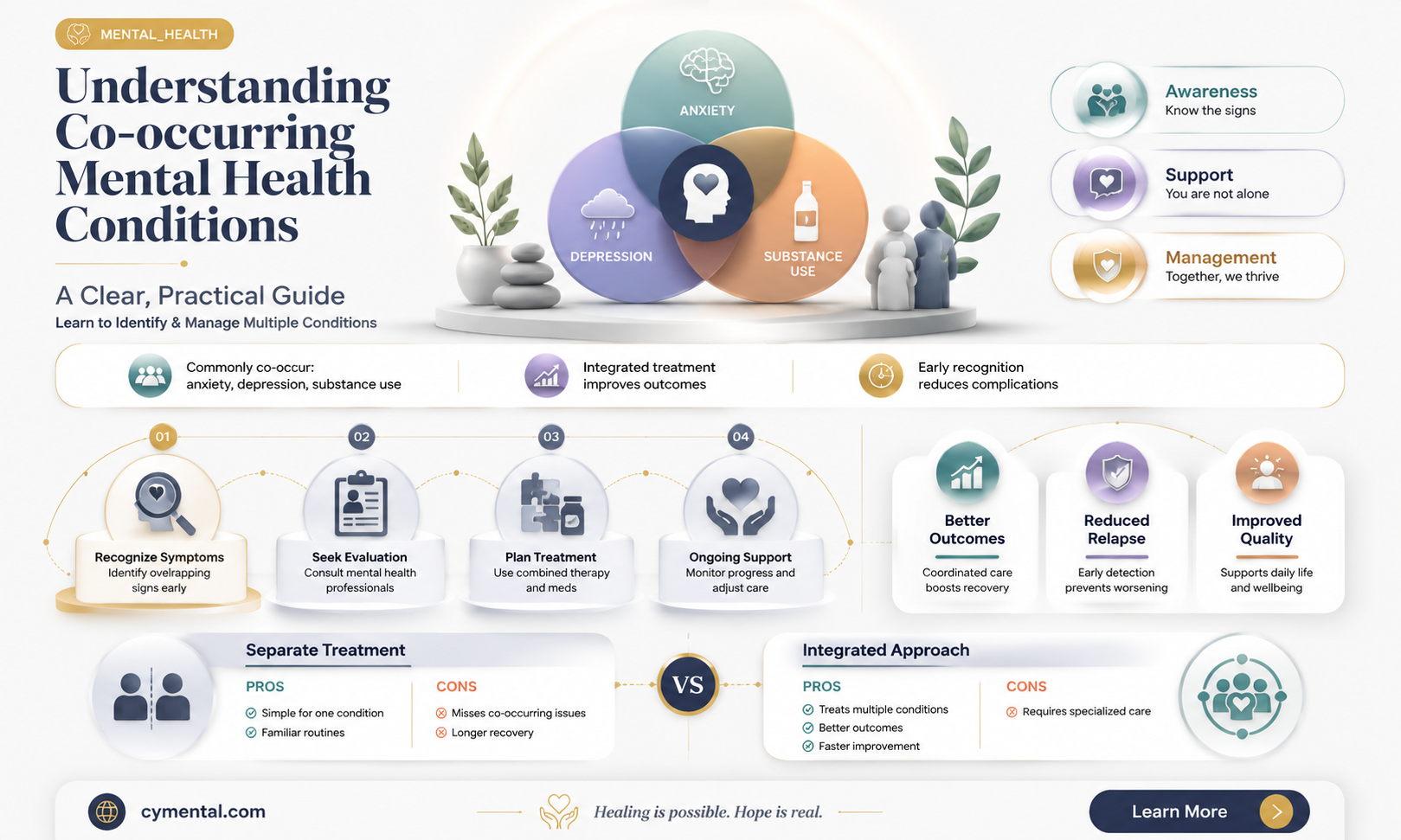
Yes, it is possible for an individual to have more than one mental disorder. This phenomenon is known as comorbidity. Comorbidity can involve any combination of mental disorders, such as depression and anxiety, or substance use disorders alongside other mental health conditions. The presence of multiple disorders can complicate diagnosis and treatment, as symptoms may overlap or interact in complex ways. Understanding comorbidity is crucial for developing effective treatment plans that address all co-occurring conditions simultaneously.
Explore related products


![Mental Health and Mental Disorders: An Encyclopedia of Conditions, Treatments, and Well-Being [3 volumes]](https://m.media-amazon.com/images/I/81Rp9ZjDRZL._AC_UY218_.jpg)


What You'll Learn
- Comorbidity: Co-occurrence of two or more mental disorders in an individual
- Overlapping Symptoms: Shared symptoms between different mental health conditions
- Diagnostic Challenges: Difficulty in diagnosing multiple disorders due to symptom overlap
- Treatment Approaches: Managing multiple mental disorders with combined therapeutic strategies
- Prognosis and Outcomes: Long-term outlook for individuals with multiple mental health diagnoses

Comorbidity: Co-occurrence of two or more mental disorders in an individual
Comorbidity in mental health refers to the presence of two or more mental disorders in an individual at the same time. This phenomenon is more common than one might think, and it can significantly complicate the diagnosis and treatment process. For instance, a person may suffer from both depression and anxiety, or from bipolar disorder and substance abuse. The interplay between different disorders can exacerbate symptoms, making it challenging for healthcare providers to determine the most effective course of treatment.
One of the key challenges in addressing comorbidity is the need for a comprehensive diagnostic approach. Clinicians must be vigilant in identifying all present disorders, as overlooking one condition can lead to inadequate treatment and poor outcomes. This often involves a thorough psychological evaluation, as well as consideration of the individual's medical history and current circumstances. In some cases, input from multiple healthcare professionals, such as psychiatrists, psychologists, and social workers, may be necessary to develop a holistic understanding of the patient's needs.
Treatment for comorbid mental disorders typically requires a multifaceted approach. This may include a combination of medication, psychotherapy, and lifestyle modifications. For example, a patient with depression and anxiety might benefit from selective serotonin reuptake inhibitors (SSRIs) to manage their symptoms, as well as cognitive-behavioral therapy (CBT) to address underlying thought patterns and behaviors. Additionally, incorporating stress management techniques, such as mindfulness meditation or regular exercise, can help improve overall well-being and reduce the severity of symptoms.
It is also important to consider the potential for interactions between different medications when treating comorbid disorders. Certain drug combinations can lead to adverse effects or reduce the efficacy of one or both medications. Therefore, careful monitoring and adjustment of medication regimens are crucial to ensure optimal outcomes. In some cases, it may be necessary to consult with a pharmacologist or other specialist to develop a safe and effective treatment plan.
In conclusion, comorbidity in mental health presents unique challenges that require a nuanced and comprehensive approach to diagnosis and treatment. By understanding the complexities of co-occurring disorders and tailoring interventions to address the individual's specific needs, healthcare providers can help improve outcomes and enhance the quality of life for those affected by mental illness.
Navigating Tough Choices: When to Distance Yourself from Mental Illness
You may want to see also
Explore related products


Overlapping Symptoms: Shared symptoms between different mental health conditions
It is common for individuals to experience symptoms that overlap between different mental health conditions. For example, anxiety and depression often share symptoms such as difficulty sleeping, changes in appetite, and feelings of worthlessness. This overlap can make it challenging for mental health professionals to diagnose and treat these conditions accurately.
One approach to addressing overlapping symptoms is to focus on the underlying causes of these symptoms rather than just the symptoms themselves. For instance, cognitive-behavioral therapy (CBT) can be used to help individuals identify and challenge negative thought patterns that contribute to both anxiety and depression. Additionally, lifestyle changes such as regular exercise, healthy eating, and stress management techniques can help alleviate symptoms of both conditions.
It is also important to consider the possibility of comorbidity, which is the presence of two or more mental health conditions in an individual. Comorbidity can complicate treatment and lead to poorer outcomes if not addressed properly. Mental health professionals should be aware of the potential for comorbidity and take steps to assess and treat all conditions present in an individual.
In some cases, medication may be necessary to treat overlapping symptoms. For example, selective serotonin reuptake inhibitors (SSRIs) are commonly used to treat both anxiety and depression. However, it is important to carefully monitor the use of medication and to consider the potential for side effects and interactions with other medications.
Overall, addressing overlapping symptoms requires a comprehensive and individualized approach that takes into account the unique needs and circumstances of each person. By focusing on the underlying causes of symptoms and considering the possibility of comorbidity, mental health professionals can help individuals achieve better outcomes and improve their overall quality of life.
Compassionate Words: Supporting Someone Through a Mental Breakdown
You may want to see also
Explore related products


Diagnostic Challenges: Difficulty in diagnosing multiple disorders due to symptom overlap
The complexity of diagnosing multiple mental disorders is compounded by the significant overlap of symptoms across different conditions. For instance, a patient presenting with symptoms of anxiety and depression might also exhibit signs of obsessive-compulsive disorder (OCD) or post-traumatic stress disorder (PTSD). This symptom overlap can lead to misdiagnosis or delayed diagnosis, as clinicians must carefully differentiate between the disorders.
One of the primary challenges is that many mental disorders share common symptoms such as mood swings, irritability, and sleep disturbances. For example, bipolar disorder and borderline personality disorder both involve mood instability, which can make it difficult to distinguish between the two. Additionally, symptoms like anxiety and avoidance behaviors can be present in multiple disorders, including generalized anxiety disorder, social anxiety disorder, and PTSD.
To address these diagnostic challenges, clinicians often rely on a combination of diagnostic tools, including structured interviews, questionnaires, and behavioral observations. They must also consider the patient's medical history, family history of mental illness, and any potential environmental factors that could contribute to the symptoms. Furthermore, the use of DSM-5 (Diagnostic and Statistical Manual of Mental Disorders, Fifth Edition) criteria can help standardize the diagnostic process and ensure that clinicians are considering all relevant symptoms and disorders.
Despite these tools and considerations, diagnosing multiple disorders remains a complex task that requires careful attention to detail and a nuanced understanding of the patient's symptoms. It is not uncommon for patients to receive multiple diagnoses over time as their symptoms evolve or as new information becomes available. This underscores the importance of ongoing assessment and collaboration between mental health professionals to ensure accurate diagnosis and effective treatment.
In conclusion, the difficulty in diagnosing multiple mental disorders due to symptom overlap is a significant challenge in the field of psychiatry. Addressing this challenge requires a multifaceted approach that includes the use of standardized diagnostic tools, careful consideration of the patient's history and environment, and ongoing collaboration among mental health professionals. By improving the diagnostic process, clinicians can better identify and treat co-occurring mental disorders, ultimately leading to improved patient outcomes.
Approaching the Conversation: Discussing Mental Health with Empathy
You may want to see also
Explore related products


Treatment Approaches: Managing multiple mental disorders with combined therapeutic strategies
Individuals diagnosed with multiple mental disorders, a condition known as comorbidity, often require a multifaceted treatment approach. This complexity necessitates a combination of therapeutic strategies tailored to address the unique interplay of symptoms and disorders present in each case. A comprehensive treatment plan may integrate pharmacological interventions, psychotherapy, lifestyle modifications, and support services to manage the various aspects of comorbid mental health conditions effectively.
One of the primary challenges in treating comorbid disorders is the potential for symptom overlap and the need to differentiate between the various conditions. For instance, symptoms of anxiety and depression can be interwoven, making it difficult to discern which disorder is driving which symptoms. In such cases, clinicians may employ a stepped-care approach, starting with the most impairing or urgent condition and gradually incorporating treatments for other disorders as needed. This methodical approach helps to ensure that each condition receives targeted attention and that the treatment plan remains manageable for the patient.
Pharmacological interventions often play a crucial role in managing comorbid mental disorders. Medications may be prescribed to address the core symptoms of each condition, with careful consideration given to potential drug interactions and side effects. For example, a patient with comorbid depression and anxiety might be prescribed an antidepressant that also has anxiolytic properties, such as a selective serotonin reuptake inhibitor (SSRI). In some cases, additional medications may be necessary to target specific symptoms or disorders.
Psychotherapy is another essential component of treatment for comorbid mental disorders. Cognitive-behavioral therapy (CBT) and dialectical behavior therapy (DBT) are two evidence-based approaches that can be particularly effective in addressing the complex needs of patients with multiple disorders. These therapies focus on identifying and changing maladaptive thought patterns and behaviors, improving emotional regulation, and enhancing coping skills. By addressing the underlying psychological mechanisms that contribute to symptom maintenance, psychotherapy can help patients achieve long-term recovery and improved quality of life.
Lifestyle modifications and support services also play a vital role in the comprehensive treatment of comorbid mental disorders. Encouraging patients to engage in regular physical activity, maintain a balanced diet, and practice stress management techniques can help to alleviate symptoms and improve overall well-being. Additionally, support groups, family therapy, and vocational rehabilitation services can provide patients with the social and practical support needed to navigate the challenges of living with multiple mental health conditions.
In conclusion, managing multiple mental disorders requires a nuanced and individualized treatment approach that combines pharmacological, psychotherapeutic, and lifestyle interventions. By addressing the unique needs of each patient and providing comprehensive support, clinicians can help individuals with comorbid mental health conditions achieve improved symptom management, enhanced functioning, and a better quality of life.
Liberating Yourself: The Art of Mental Detachment in Relationships
You may want to see also
Explore related products


$30.99 $43.99


Prognosis and Outcomes: Long-term outlook for individuals with multiple mental health diagnoses
Individuals with multiple mental health diagnoses often face a complex and challenging prognosis. The long-term outlook can be influenced by various factors, including the severity and combination of disorders, the effectiveness of treatment, and the individual's overall resilience and support system. Research suggests that comorbidity, the presence of two or more disorders, can lead to a more chronic and disabling course of illness compared to having a single diagnosis.
One unique angle to consider is the impact of stigma and societal perceptions on the prognosis of individuals with multiple mental health diagnoses. Stigma can exacerbate symptoms, hinder treatment adherence, and limit access to resources and support. Addressing stigma through education and advocacy can play a crucial role in improving outcomes for this population.
Another important aspect is the need for integrated and comprehensive treatment approaches. Treating multiple disorders simultaneously can be more effective than addressing each condition in isolation. This may involve a combination of medication, psychotherapy, and lifestyle interventions tailored to the individual's specific needs.
In terms of practical tips, individuals with multiple mental health diagnoses can benefit from developing a strong support network, maintaining a consistent treatment regimen, and engaging in self-care activities that promote overall well-being. It's also essential for healthcare providers to take a holistic approach, considering the interplay between different disorders and the potential for treatment interactions.
Ultimately, while the prognosis for individuals with multiple mental health diagnoses can be complex, there is hope for positive outcomes with the right combination of treatment, support, and self-care. By addressing stigma, promoting integrated care, and empowering individuals to take an active role in their recovery, we can work towards improving the long-term outlook for this vulnerable population.
Recognizing and Reporting Mental Abuse: A Guide to Protecting Yourself and Others
You may want to see also
Frequently asked questions
Yes, it is possible for an individual to have multiple mental disorders simultaneously. This is known as comorbidity.
Common examples include depression and anxiety disorders, bipolar disorder and substance use disorder, or post-traumatic stress disorder (PTSD) and obsessive-compulsive disorder (OCD).
Having multiple mental disorders can complicate treatment, as symptoms may overlap or interact. A comprehensive treatment plan that addresses all disorders is essential for effective management.
Factors such as genetics, environmental stressors, trauma, substance abuse, and chronic medical conditions can contribute to the development of multiple mental disorders.