Caleb Wright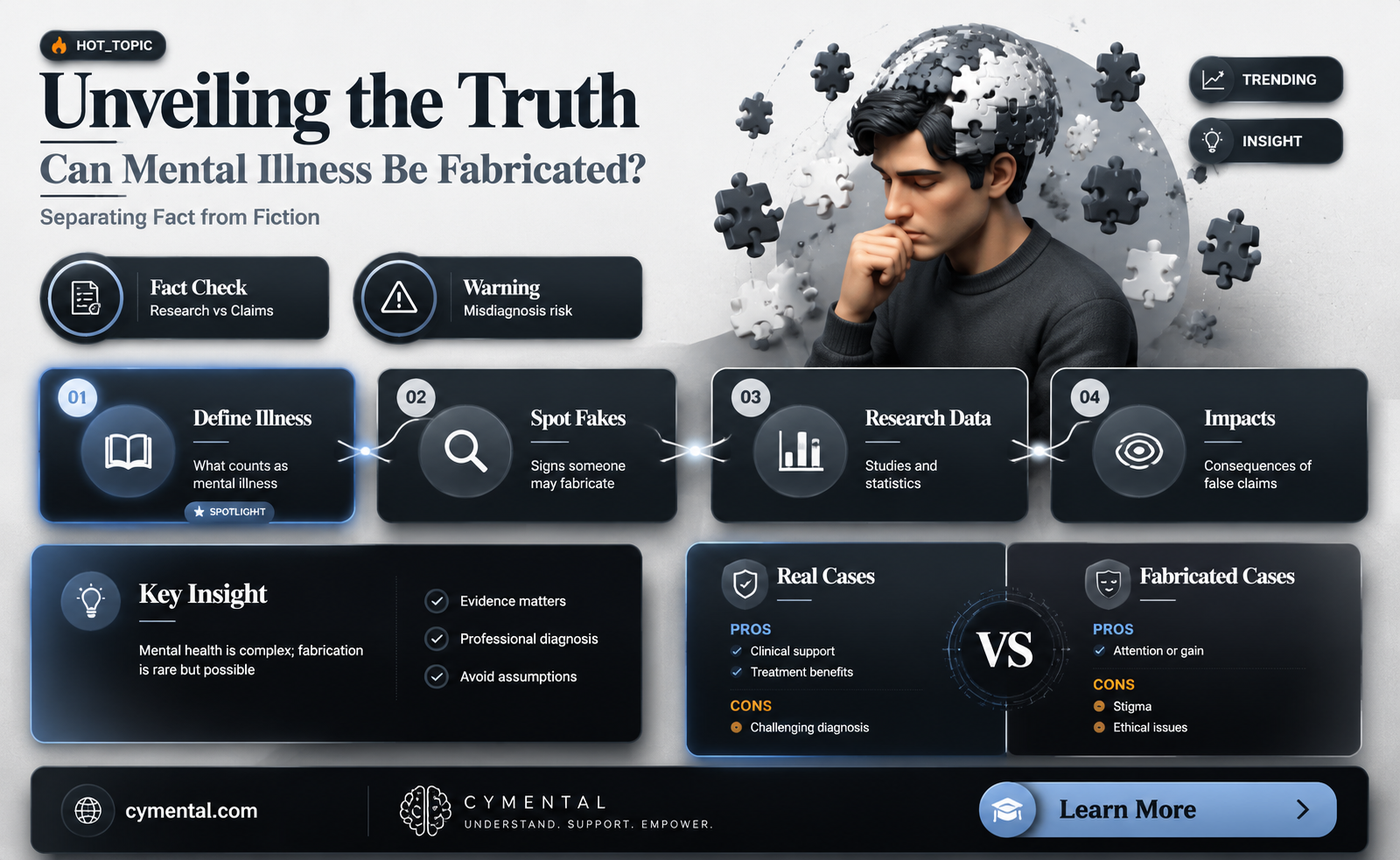
The question of whether someone can fake mental illness is a complex and sensitive topic that delves into the realms of psychology, ethics, and societal perceptions. While mental illnesses are genuine health conditions that affect millions of people worldwide, there are instances where individuals may feign or exaggerate symptoms for various reasons, such as seeking attention, avoiding responsibilities, or manipulating others. However, it is crucial to approach this topic with caution and empathy, recognizing that mental health struggles are real and should not be trivialized. In this discussion, we will explore the nuances of this issue, examining the motivations behind such actions, the potential consequences, and the importance of fostering a supportive and understanding environment for those genuinely affected by mental health challenges.
What You'll Learn
- Motivations for Faking: Explore reasons why individuals might fabricate mental health issues, such as seeking attention or avoiding responsibilities
- Common Disorders Faked: Identify which mental illnesses are most frequently claimed falsely, like depression, anxiety, or PTSD
- Warning Signs: Learn to recognize potential indicators that someone may be exaggerating or inventing mental health symptoms
- Consequences of Faking: Understand the ethical and legal ramifications of falsely claiming a mental illness, including impacts on healthcare and relationships
- Support and Resources: Discover how to offer help and connect individuals with genuine mental health concerns to appropriate professional resources

Motivations for Faking: Explore reasons why individuals might fabricate mental health issues, such as seeking attention or avoiding responsibilities
Individuals may fabricate mental health issues for a variety of reasons, often driven by a desire to achieve specific outcomes or avoid certain situations. One common motivation is the pursuit of attention. In a world where mental health awareness is increasingly prominent, claiming to have a mental illness can be a way to garner sympathy, support, and validation from others. This attention-seeking behavior may stem from feelings of loneliness, low self-esteem, or a lack of social connections.
Another reason individuals might fake mental health issues is to avoid responsibilities. By presenting themselves as mentally unwell, they may be able to sidestep obligations such as work, school, or social commitments. This avoidance can be particularly appealing to those who feel overwhelmed or unprepared to face their responsibilities head-on. In some cases, individuals may also use fabricated mental health issues as a means to excuse poor performance or behavior, shifting the blame from themselves to their supposed condition.
It's also worth noting that some individuals may fake mental illness as a form of manipulation. By presenting themselves as vulnerable or in need of help, they may be able to control or influence the behavior of others. This manipulation can be used to achieve a variety of goals, from gaining financial support to eliciting emotional responses from those around them.
In exploring these motivations, it's important to recognize that fabricating mental health issues can have serious consequences. Not only does it undermine the credibility of those who genuinely struggle with mental illness, but it can also lead to unnecessary interventions or treatments. Furthermore, individuals who fake mental illness may find themselves trapped in a cycle of deception, as they struggle to maintain their fabricated narrative over time.
Ultimately, understanding the motivations behind faking mental illness can help us better address the issue. By recognizing the underlying reasons for this behavior, we can develop more effective strategies for supporting individuals who genuinely need help, while also discouraging those who might be tempted to fabricate mental health issues for personal gain.
Understanding Mental Health Inpatient Care Duration
You may want to see also
Common Disorders Faked: Identify which mental illnesses are most frequently claimed falsely, like depression, anxiety, or PTSD
Depression, anxiety, and PTSD are among the most commonly claimed mental illnesses, and unfortunately, they are also frequently faked. This can be due to a variety of reasons, including seeking attention, avoiding responsibilities, or even for financial gain through disability claims. It's important to note that while these disorders are often claimed falsely, they are also very real and debilitating conditions that affect millions of people worldwide.
One of the reasons depression and anxiety are so commonly faked is because their symptoms can be subjective and difficult to verify. For example, someone may claim to be feeling sad or anxious, but without concrete evidence, it can be challenging to determine the authenticity of their claims. Additionally, the prevalence of these disorders in popular culture and media can lead to a lack of understanding about their true nature and severity.
PTSD, or post-traumatic stress disorder, is another mental illness that is often claimed falsely. This can be due to a misunderstanding of what constitutes trauma or an attempt to gain sympathy or compensation for past experiences. However, PTSD is a serious condition that can result from experiencing or witnessing traumatic events, and it should not be taken lightly.
It's crucial to approach claims of mental illness with empathy and understanding, while also maintaining a critical eye. Mental health professionals use a variety of tools and assessments to diagnose mental illnesses, including interviews, questionnaires, and behavioral observations. If someone is suspected of faking a mental illness, it's important to address this concern in a sensitive and appropriate manner, while also ensuring that those who are genuinely struggling receive the support and treatment they need.
In conclusion, while depression, anxiety, and PTSD are serious mental illnesses that should be treated with respect and compassion, they are also among the most commonly faked disorders. It's important to strike a balance between empathy and critical thinking when approaching claims of mental illness, and to ensure that those who are genuinely struggling receive the help they need.
Exploring the Origins: Can Mental Illness Be Present at Birth?
You may want to see also
Warning Signs: Learn to recognize potential indicators that someone may be exaggerating or inventing mental health symptoms
Individuals may exaggerate or invent mental health symptoms for various reasons, such as seeking attention, avoiding responsibilities, or manipulating others. Recognizing the warning signs of such behavior can be crucial in addressing the underlying issues and ensuring that genuine mental health concerns are not overshadowed. One potential indicator is a dramatic or sudden onset of symptoms, particularly if they appear to be severe and incapacitating. Another warning sign is inconsistency in the individual's reported symptoms or behaviors, such as claiming to experience extreme distress in one situation but appearing calm and composed in another.
It is also important to be aware of the individual's history and any past instances of dishonesty or manipulation. If someone has a pattern of lying or exaggerating in other areas of their life, it may be more likely that they are also fabricating or embellishing their mental health symptoms. Additionally, be cautious of individuals who seem overly eager to discuss their symptoms or who appear to be seeking validation or sympathy from others. While it is essential to approach such situations with empathy and understanding, it is also necessary to maintain a critical and discerning mindset.
In some cases, individuals may genuinely believe that they are experiencing mental health symptoms, even if they are not actually present. This can occur due to factors such as stress, anxiety, or a lack of understanding about mental health conditions. In these situations, it is important to provide support and guidance while also encouraging the individual to seek professional help. However, it is crucial to avoid enabling or reinforcing harmful behaviors by providing excessive reassurance or validation without proper assessment and diagnosis.
Ultimately, recognizing the warning signs of exaggerated or invented mental health symptoms requires a combination of empathy, critical thinking, and knowledge about mental health conditions. By being aware of these indicators and approaching such situations with caution and understanding, it is possible to address the underlying issues and ensure that genuine mental health concerns are not overlooked or dismissed.
Navigating Tough Choices: When to Distance Yourself from Mental Illness
You may want to see also
Consequences of Faking: Understand the ethical and legal ramifications of falsely claiming a mental illness, including impacts on healthcare and relationships
Falsely claiming a mental illness can have severe ethical and legal consequences, affecting not only the individual making the claim but also the healthcare system and personal relationships. One of the primary ethical concerns is the potential for resource misallocation within the healthcare system. Mental health services are often in high demand and limited in supply; when individuals fake mental illnesses, they may divert these scarce resources away from those who genuinely need them. This can lead to longer wait times for treatment, reduced access to care, and potentially poorer health outcomes for those with legitimate mental health conditions.
From a legal perspective, falsely claiming a mental illness can result in serious repercussions. In some jurisdictions, it may be considered fraud, particularly if the individual is seeking financial compensation or benefits. This can lead to legal action, including fines or even imprisonment. Additionally, making false claims about one's mental health can have long-term consequences on personal and professional relationships. Trust is a fundamental component of any relationship, and when an individual is discovered to have lied about their mental health, it can erode the trust of friends, family, and colleagues, potentially leading to strained or severed relationships.
The impact on healthcare professionals is another critical consideration. When patients fake mental illnesses, it can lead to misdiagnosis and inappropriate treatment. This not only wastes resources but can also cause harm to the patient if they receive unnecessary or incorrect interventions. Furthermore, it can contribute to a phenomenon known as "diagnostic creep," where the boundaries of what constitutes a mental illness become increasingly blurred, making it more challenging to accurately diagnose and treat genuine mental health conditions.
In conclusion, the consequences of faking a mental illness are multifaceted and far-reaching. It is essential to recognize the ethical and legal implications of such actions and to consider the broader impact on the healthcare system and personal relationships. By understanding these consequences, individuals can make more informed decisions about their mental health and the importance of honesty in seeking care and support.
Recognizing the Signs: Is Someone You Know Having a Mental Breakdown?
You may want to see also
Support and Resources: Discover how to offer help and connect individuals with genuine mental health concerns to appropriate professional resources
Identifying and supporting individuals with genuine mental health concerns is crucial in a society where mental illness is sometimes misunderstood or stigmatized. It's essential to recognize the signs of mental health issues and know how to connect those in need with professional resources. This guide will provide you with practical steps and insights on how to offer help effectively.
Firstly, educate yourself about the common symptoms of mental health disorders. This knowledge will help you distinguish between genuine concerns and potential fabrications. Familiarize yourself with the diagnostic criteria for various conditions, such as depression, anxiety, and bipolar disorder. Understanding these criteria will enable you to have more informed conversations with individuals who may be struggling.
When someone confides in you about their mental health, listen actively and without judgment. Validate their feelings and express empathy. It's important to create a safe and supportive environment where they feel comfortable sharing their experiences. Avoid making assumptions or offering unsolicited advice. Instead, ask open-ended questions to encourage them to elaborate on their thoughts and emotions.
If you suspect that someone is genuinely struggling with their mental health, encourage them to seek professional help. Offer to assist them in finding appropriate resources, such as therapists, psychiatrists, or support groups. Provide them with contact information for local mental health services or online resources that can be accessed anonymously. Remember that taking the first step towards seeking help can be daunting, so your support and guidance can make a significant difference.
In some cases, individuals may be hesitant to seek help due to financial constraints or lack of access to mental health services. In such situations, it's helpful to inform them about low-cost or free resources available in their community. Many organizations offer sliding scale fees or pro bono services for those in need. Additionally, online platforms and mobile apps can provide accessible and affordable mental health support.
Lastly, be patient and understanding throughout the process. Recovery from mental illness is not always linear, and setbacks may occur. Continue to offer your support and encouragement, and remind them that they are not alone in their journey. By providing a compassionate and non-judgmental space, you can help individuals with genuine mental health concerns feel more comfortable seeking the help they need.
Finding the Words: How to Share Your Mental Health Struggles
You may want to see also
Frequently asked questions
Yes, it is possible for someone to fake mental illness. This can be done for various reasons, such as to avoid work or school, to gain attention, or to manipulate others. However, it is important to note that mental illness is a serious issue, and faking it can have negative consequences for both the individual and those around them.
Some common signs that someone might be faking mental illness include inconsistent symptoms, a lack of genuine distress, and an inability to provide specific details about their condition. Additionally, individuals who are faking mental illness may exhibit behaviors that are inconsistent with their claimed diagnosis, such as engaging in activities that they claim to be unable to do.
It can be difficult to determine whether someone is genuinely struggling with mental illness or just faking it. However, some indicators of genuine mental illness include consistent symptoms over time, a willingness to seek help and treatment, and a genuine expression of distress. It is important to approach individuals with compassion and understanding, and to encourage them to seek professional help if they are struggling.
Faking mental illness can have negative consequences for both the individual and those around them. For the individual, it can lead to a lack of genuine support and treatment, as well as feelings of guilt and shame. For others, it can lead to mistrust and skepticism about mental illness in general, which can make it more difficult for those who are genuinely struggling to receive the help and support they need.
Confronting someone who you suspect is faking mental illness can be a delicate situation. It is important to approach the individual with compassion and understanding, and to express your concerns in a non-accusatory way. However, it is also important to recognize that mental illness is a serious issue, and that faking it can have negative consequences. Encouraging the individual to seek professional help and support is often the best course of action.