Harper Lewis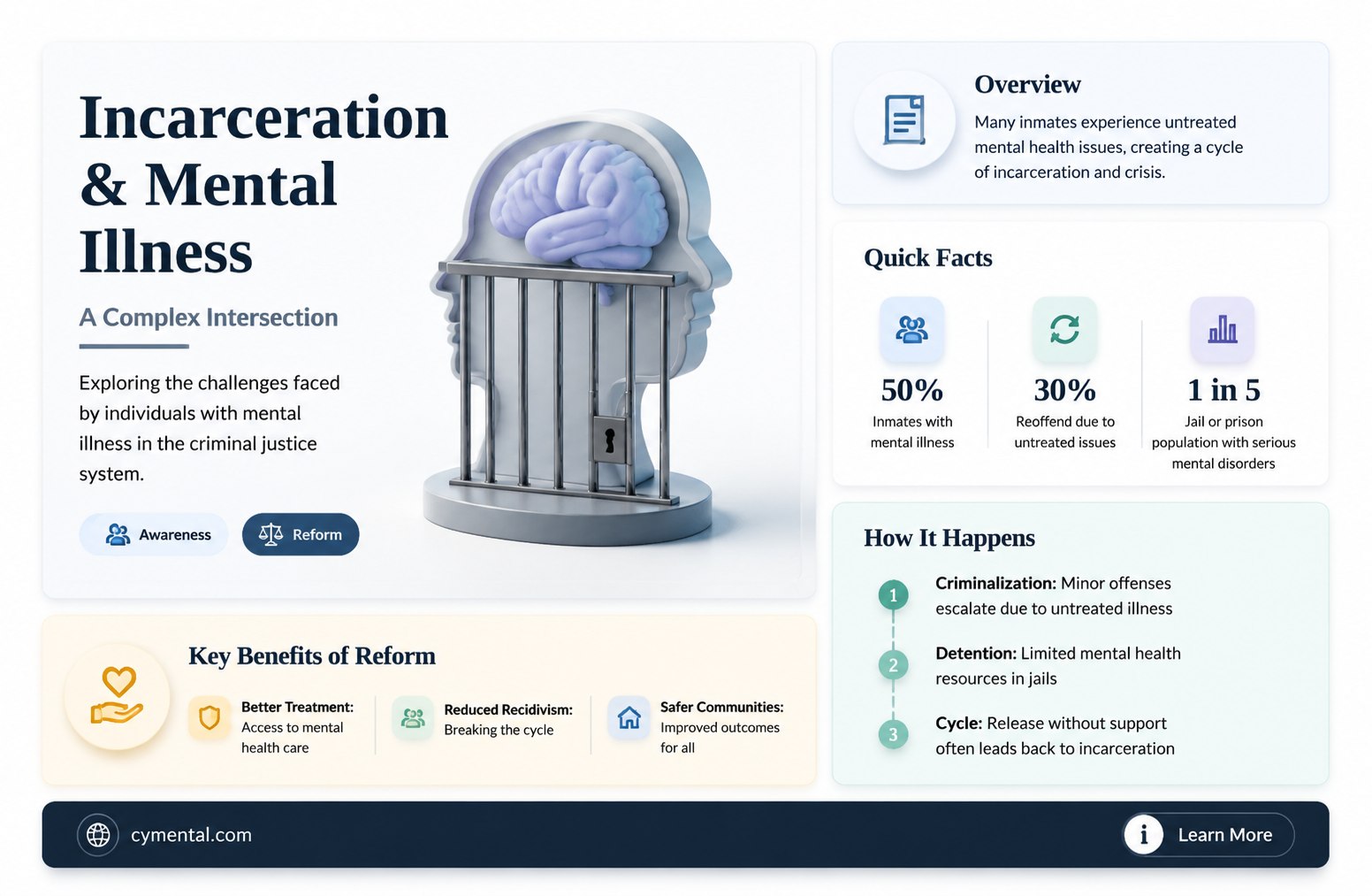
The question of whether someone who is mentally ill can go to prison is a complex and sensitive issue that intersects the fields of law, psychology, and social justice. In many jurisdictions, individuals with mental illnesses can indeed be incarcerated if they are convicted of a crime. However, there are often specific considerations and legal protections in place to ensure that their mental health needs are addressed within the prison system. This may include access to psychiatric care, medication, and other forms of mental health support. The goal is to provide a humane and therapeutic environment that can aid in their rehabilitation and reintegration into society. It's important to note that the approach to handling mental illness in the criminal justice system can vary significantly depending on the country and even the specific region within a country.
What You'll Learn
- Legal Competency: Determining if a mentally ill person can understand and participate in legal proceedings
- Insanity Defense: Using mental illness as a defense in criminal trials, and its success rate
- Prison Conditions: The impact of incarceration on mental health and the availability of psychiatric care in prisons
- Alternatives to Incarceration: Exploring options like mental health courts, treatment programs, and community support
- Ethical Considerations: Debating the morality of imprisoning individuals with severe mental health issues

Legal Competency: Determining if a mentally ill person can understand and participate in legal proceedings
Determining legal competency for individuals with mental illness is a complex process that requires careful evaluation by mental health professionals and legal experts. At its core, legal competency refers to a person's ability to understand the nature and purpose of legal proceedings, as well as their capacity to participate effectively in their own defense. This assessment is crucial in ensuring that individuals with mental illness are not unjustly deprived of their rights within the legal system.
The process of evaluating legal competency typically involves a thorough psychiatric examination, during which the individual's cognitive functioning, comprehension of legal concepts, and ability to communicate with their attorney are assessed. Mental health professionals may use standardized tests and interviews to gather information about the person's mental state, including their understanding of the charges against them, the potential consequences of the legal proceedings, and their ability to make informed decisions about their case.
In addition to the psychiatric evaluation, legal experts may also review the individual's medical history, previous legal encounters, and any relevant documentation related to their mental health treatment. This comprehensive approach helps to ensure that the assessment of legal competency is based on a full understanding of the individual's unique circumstances and needs.
Once the evaluation is complete, the findings are presented to the court, which will then make a determination about the individual's legal competency. If the person is found to be legally incompetent, they may be committed to a mental health facility for treatment and evaluation, or they may be appointed a guardian to manage their legal affairs on their behalf. In some cases, the court may also order additional evaluations or hearings to further assess the individual's competency.
It is important to note that the determination of legal competency is not a permanent decision, and individuals with mental illness may have their competency restored if their mental state improves with treatment. Conversely, individuals who are initially found to be legally competent may later be re-evaluated if there are concerns about their ability to participate effectively in legal proceedings.
In conclusion, the assessment of legal competency for individuals with mental illness is a critical component of the legal system, ensuring that these individuals are afforded their rights and are able to participate fully in their own defense. By combining the expertise of mental health professionals and legal experts, the legal system can provide a fair and just process for all individuals, regardless of their mental health status.
Approaching the Conversation: Discussing Mental Health with Empathy
You may want to see also
Insanity Defense: Using mental illness as a defense in criminal trials, and its success rate
The insanity defense is a legal strategy employed in criminal trials where the defendant claims that they were not responsible for their actions due to mental illness. This defense is rooted in the principle that individuals who are unable to understand the nature and quality of their actions or who are unable to conform their conduct to the law should not be held criminally responsible. The success rate of the insanity defense varies widely depending on the jurisdiction, the specific circumstances of the case, and the quality of the legal representation.
In the United States, the insanity defense is used in only a small percentage of criminal cases, and its success rate is relatively low. According to some studies, the insanity defense is successful in less than 1% of felony cases. However, when it is successful, it can result in the defendant being acquitted or found not guilty by reason of insanity. In such cases, the defendant may be committed to a psychiatric facility for treatment and evaluation, rather than being sent to prison.
One of the challenges of using the insanity defense is that it requires the defendant to prove that they were insane at the time of the crime. This can be a difficult and complex process, involving expert testimony from psychiatrists and psychologists. The prosecution may also present their own experts to challenge the defendant's claim of insanity. Additionally, the legal standards for determining insanity can vary from state to state, adding another layer of complexity to the defense.
Despite its low success rate, the insanity defense remains an important legal tool for protecting the rights of individuals with mental illness. It serves as a safeguard against the unjust punishment of those who are unable to control their actions due to mental health issues. However, it is also a controversial defense, with some arguing that it can be abused by defendants who are trying to avoid responsibility for their crimes.
In conclusion, the insanity defense is a complex and nuanced legal strategy that can be used to protect individuals with mental illness in criminal trials. While its success rate is relatively low, it remains an important tool for ensuring that those who are unable to understand or control their actions are not held criminally responsible. The use of the insanity defense requires careful consideration of the legal standards, expert testimony, and the specific circumstances of the case.
Concealing Struggles: The Hidden Reality of Mental Illness
You may want to see also
Prison Conditions: The impact of incarceration on mental health and the availability of psychiatric care in prisons
Incarceration can have a profound impact on an individual's mental health, often exacerbating existing conditions or leading to the development of new psychiatric issues. The confined and restrictive environment of a prison can trigger anxiety, depression, and psychosis, particularly in those who are already vulnerable. Furthermore, the lack of privacy, autonomy, and social support can contribute to a sense of hopelessness and despair.
Despite the significant mental health needs of the prison population, access to psychiatric care is often limited. Many prisons are understaffed and underfunded, resulting in inadequate mental health services. Inmates may have to wait for extended periods to receive treatment, and even when they do, the care may be insufficient or of poor quality. This can lead to a worsening of symptoms and an increased risk of self-harm or suicide.
The impact of incarceration on mental health is further compounded by the stigma associated with mental illness in the prison system. Inmates may be reluctant to seek help for fear of being labeled as "crazy" or "weak," which can lead to further isolation and marginalization. Additionally, the use of solitary confinement as a disciplinary measure can have devastating effects on the mental health of inmates, particularly those with pre-existing conditions.
To address these issues, it is essential to improve the availability and quality of mental health services in prisons. This can be achieved through increased funding, training for prison staff, and the implementation of evidence-based treatment programs. Additionally, efforts should be made to reduce the stigma associated with mental illness and to promote a culture of support and understanding within the prison system.
Ultimately, the impact of incarceration on mental health is a complex and multifaceted issue that requires a comprehensive and compassionate approach. By addressing the unique challenges faced by inmates with mental health conditions, we can work towards creating a more just and humane prison system.
Navigating Tough Choices: When to Distance Yourself from Mental Illness
You may want to see also
Alternatives to Incarceration: Exploring options like mental health courts, treatment programs, and community support
Individuals with mental illness often face a complex and challenging journey through the criminal justice system. While incarceration may seem like a straightforward solution, it can exacerbate mental health issues and lead to a cycle of recidivism. Alternatives to incarceration, such as mental health courts, treatment programs, and community support, offer a more nuanced and effective approach to addressing the needs of mentally ill individuals who have committed crimes.
Mental health courts, for example, provide a specialized judicial process that focuses on treatment and rehabilitation rather than punishment. These courts work closely with mental health professionals to develop individualized treatment plans for defendants, which may include medication, therapy, and regular check-ins with a case manager. By addressing the underlying mental health issues that contribute to criminal behavior, mental health courts can help reduce recidivism rates and improve outcomes for both defendants and the community.
Treatment programs, both inpatient and outpatient, offer a range of therapeutic interventions designed to help individuals with mental illness manage their symptoms and develop coping strategies. These programs may include cognitive-behavioral therapy, medication management, and skills training, among other components. By providing access to evidence-based treatments, these programs can help individuals with mental illness stabilize their lives and reduce the likelihood of future criminal behavior.
Community support, including peer support groups, housing assistance, and job training programs, can also play a critical role in helping mentally ill individuals reintegrate into society. By providing a supportive network and access to essential resources, these programs can help individuals with mental illness overcome the challenges they face and lead more stable, productive lives.
In conclusion, alternatives to incarceration offer a more compassionate and effective approach to addressing the needs of mentally ill individuals who have committed crimes. By focusing on treatment, rehabilitation, and community support, these programs can help break the cycle of recidivism and improve outcomes for both individuals and the community as a whole.
Empowering Mental Health Advocacy: A Guide to Supportive Petitioning
You may want to see also
Ethical Considerations: Debating the morality of imprisoning individuals with severe mental health issues
The ethical debate surrounding the imprisonment of individuals with severe mental health issues is complex and multifaceted. At the heart of this discussion is the question of whether it is morally justifiable to incarcerate someone who may not fully understand the consequences of their actions due to their mental state. This raises concerns about accountability, rehabilitation, and the potential for further harm within the prison system.
One perspective argues that individuals with severe mental health issues should be held accountable for their actions, regardless of their mental state. Proponents of this view believe that the law should be applied equally to all, and that mental illness does not absolve someone from responsibility. They may also argue that imprisonment can provide a sense of justice for victims and deter future offenses.
On the other hand, many argue that imprisoning individuals with severe mental health issues is not only ineffective but also inhumane. They contend that the prison system is ill-equipped to provide the necessary mental health care and support that these individuals need. Instead, they advocate for alternative approaches, such as mental health courts and diversion programs, which focus on treatment and rehabilitation rather than punishment.
A key consideration in this debate is the potential for further harm to individuals with severe mental health issues within the prison system. Prisons are often overcrowded and understaffed, which can exacerbate mental health symptoms and lead to increased rates of self-harm and suicide. Additionally, the lack of access to adequate mental health care can result in the deterioration of an individual's condition, making it more difficult for them to reintegrate into society upon release.
Ultimately, the ethical considerations surrounding the imprisonment of individuals with severe mental health issues highlight the need for a more nuanced and compassionate approach to criminal justice. Rather than relying solely on incarceration, society should invest in mental health services and support systems that can address the underlying causes of criminal behavior and provide individuals with the help they need to lead productive and fulfilling lives.
Navigating Disability Benefits for Mental Health Conditions: A Comprehensive Guide
You may want to see also
Frequently asked questions
Yes, a person with a mental illness can be sent to prison if they commit a crime. However, the justice system often takes mental health into consideration during sentencing and may provide treatment or alternative sentencing options.
If a mentally ill person commits a crime, they may be arrested and charged just like anyone else. The court will determine if the person is fit to stand trial. If found fit, the trial proceeds as usual. If not, the person may be hospitalized until they are deemed fit. Upon conviction, the court may consider the person's mental health when deciding on a sentence.
Yes, mentally ill inmates are often provided with special considerations in prison. These may include access to mental health treatment, medication, and counseling. Prisons may also have specialized units or programs designed to address the needs of mentally ill inmates. Additionally, these inmates may be monitored more closely for their well-being and safety.