Noah Parker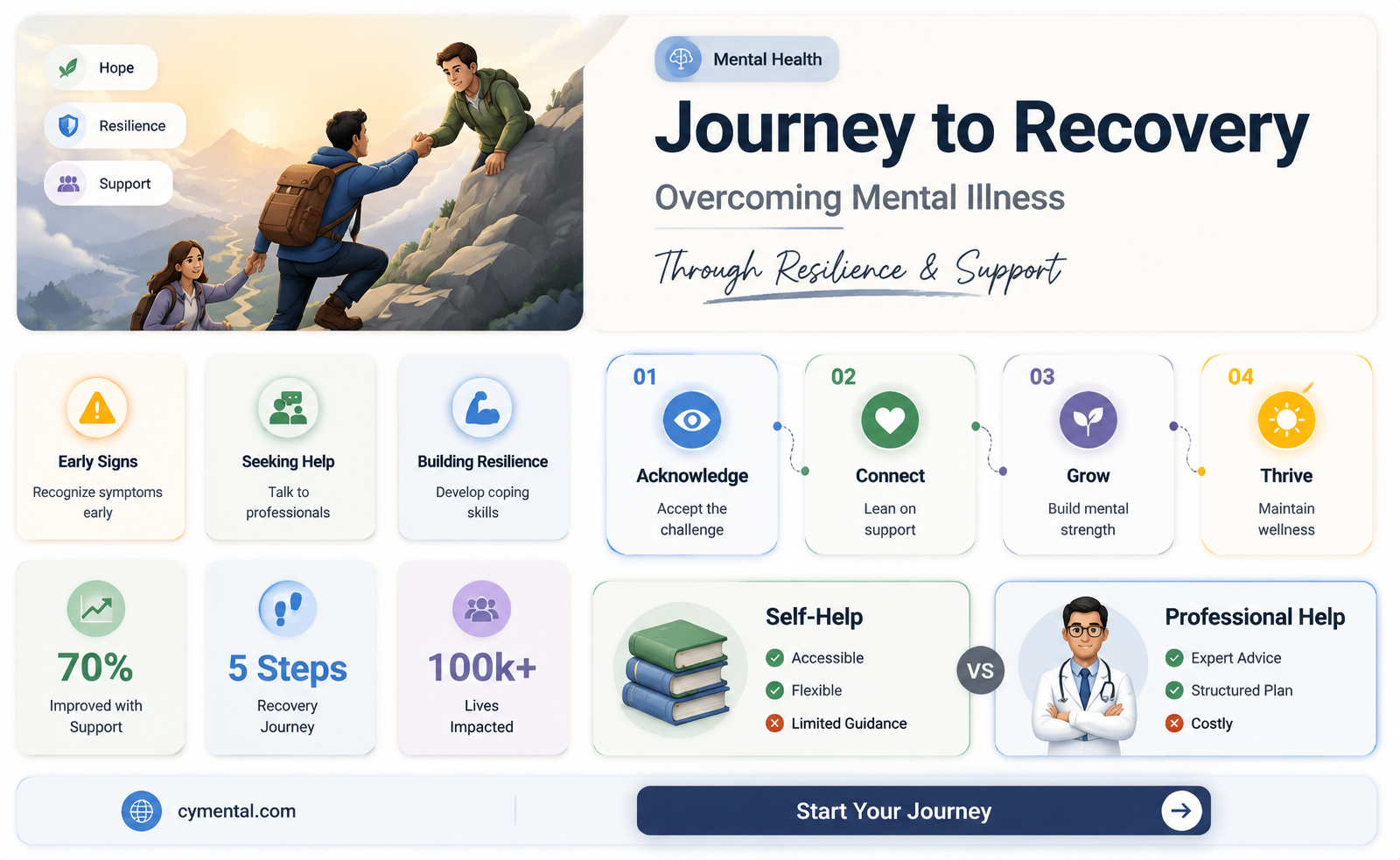
Mental illness is a complex and multifaceted issue that affects millions of people worldwide. While it can be challenging to navigate, the question of whether someone can overcome mental illness is an important and hopeful one. The answer is not straightforward, as it depends on various factors, including the type and severity of the illness, the individual's circumstances, and the availability of support and resources. However, with the right treatment, support, and self-care, many people are able to manage their symptoms, improve their quality of life, and even achieve remission. It's essential to approach this topic with sensitivity, understanding, and a commitment to reducing stigma and promoting mental health awareness.
| Characteristics | Values |
|---|---|
| Definition | Mental illness refers to a wide range of mental health conditions that affect mood, thinking, and behavior. Overcoming mental illness means managing symptoms, improving overall well-being, and leading a fulfilling life despite challenges. |
| Types of Mental Illness | Anxiety disorders, depressive disorders, bipolar disorder, schizophrenia, post-traumatic stress disorder (PTSD), obsessive-compulsive disorder (OCD), eating disorders, substance use disorders, and personality disorders. |
| Symptoms | Symptoms vary depending on the type of mental illness but can include persistent sadness, anxiety, mood swings, hallucinations, delusions, changes in appetite or sleep, and difficulty concentrating or making decisions. |
| Causes | Mental illness can be caused by a combination of genetic, environmental, and psychological factors. Trauma, stress, substance abuse, and family history can contribute to the development of mental health conditions. |
| Diagnosis | Mental illness is typically diagnosed by a mental health professional through a combination of physical exams, psychological evaluations, and interviews with the patient and their family members. |
| Treatment Options | Treatment for mental illness often involves a combination of medication, psychotherapy, and lifestyle changes. Medications can help manage symptoms, while psychotherapy can help individuals develop coping strategies and improve their mental well-being. |
| Medications | Antidepressants, anti-anxiety medications, mood stabilizers, antipsychotics, and stimulants are commonly used to treat mental illness. The specific medication prescribed depends on the type and severity of the condition. |
| Psychotherapy | Cognitive-behavioral therapy (CBT), dialectical behavior therapy (DBT), exposure therapy, and talk therapy are effective forms of psychotherapy for treating mental illness. These therapies help individuals identify and change negative thought patterns and behaviors. |
| Lifestyle Changes | Regular exercise, a balanced diet, sufficient sleep, stress management techniques, and social support can all contribute to improved mental health and well-being. |
| Prognosis | The prognosis for mental illness varies depending on the type and severity of the condition, as well as the individual's access to treatment and support. With proper treatment and support, many individuals can manage their symptoms and lead fulfilling lives. |
| Relapse Prevention | Relapse prevention strategies include ongoing treatment, monitoring symptoms, identifying triggers, developing a crisis plan, and maintaining a healthy lifestyle. |
| Support Systems | Support systems can include family members, friends, mental health professionals, support groups, and online resources. Having a strong support system can improve treatment outcomes and overall well-being. |
| Stigma and Discrimination | Stigma and discrimination against individuals with mental illness can lead to social isolation, reduced access to treatment, and poorer health outcomes. Raising awareness and promoting understanding can help reduce stigma and discrimination. |
| Research and Advances | Ongoing research is leading to new treatments and interventions for mental illness. Advances in technology, such as telemedicine and mobile apps, are also improving access to mental health care. |
| Personal Stories | Personal stories and testimonials from individuals who have overcome mental illness can provide hope and inspiration for others. These stories can also help reduce stigma and promote understanding. |
| Resources | Resources for individuals seeking help with mental illness include mental health hotlines, online therapy platforms, community mental health centers, and national organizations such as the National Alliance on Mental Illness (NAMI). |
Explore related products

$11.5 $23.6


What You'll Learn
- Seeking Professional Help: Consulting therapists, psychiatrists, or counselors for diagnosis, treatment, and support
- Medication and Therapy: Exploring the effectiveness of psychiatric medications and various therapeutic approaches like CBT
- Lifestyle Changes: Adopting healthy habits such as regular exercise, balanced diet, and sufficient sleep to manage symptoms
- Support Networks: Building and maintaining relationships with family, friends, and support groups for emotional backing
- Coping Strategies: Learning and practicing stress management techniques, mindfulness, and self-care routines to enhance well-being

Seeking Professional Help: Consulting therapists, psychiatrists, or counselors for diagnosis, treatment, and support
Seeking professional help is a crucial step in the journey toward overcoming mental illness. Therapists, psychiatrists, and counselors are trained to provide diagnosis, treatment, and support tailored to each individual's unique needs. This section will explore the importance of consulting with mental health professionals and the various ways they can assist in managing and recovering from mental health challenges.
One of the primary benefits of seeking professional help is the accurate diagnosis of mental health conditions. Mental illness can manifest in various ways, and symptoms can overlap between different disorders. A trained professional can conduct a thorough evaluation, considering medical history, symptoms, and other factors, to provide a precise diagnosis. This is essential for developing an effective treatment plan.
Therapists and counselors offer a range of therapeutic approaches to help individuals manage their symptoms and improve their overall well-being. Cognitive-behavioral therapy (CBT), for example, is a common and effective method for treating conditions like depression and anxiety. It focuses on identifying and changing negative thought patterns and behaviors. Other therapeutic techniques, such as mindfulness-based stress reduction (MBSR) and dialectical behavior therapy (DBT), can also be beneficial in managing symptoms and enhancing emotional regulation.
In some cases, medication may be prescribed to help manage symptoms of mental illness. Psychiatrists are medical doctors who specialize in the diagnosis, treatment, and prevention of mental health disorders and are qualified to prescribe medications. They can work with individuals to find the right medication and dosage to alleviate symptoms while minimizing side effects. Medication can be particularly helpful for conditions like schizophrenia, bipolar disorder, and severe depression.
In addition to diagnosis and treatment, mental health professionals provide valuable support and guidance. They can help individuals develop coping strategies, improve communication skills, and build a strong support network. They can also offer education about mental health conditions, helping individuals understand their symptoms and how to manage them effectively.
Seeking professional help is a sign of strength, not weakness. It is essential to recognize when additional support is needed and to take the initiative to seek it out. With the right help and support, individuals can learn to manage their mental health conditions and lead fulfilling lives.
Understanding Mental Capacity in Individuals with Down Syndrome
You may want to see also
Explore related products


Medication and Therapy: Exploring the effectiveness of psychiatric medications and various therapeutic approaches like CBT
Psychiatric medications and therapy, particularly Cognitive Behavioral Therapy (CBT), are often considered the twin pillars of mental health treatment. The effectiveness of these interventions can vary widely depending on several factors, including the type of mental illness, the individual's specific symptoms, and their personal circumstances. Medications such as antidepressants, antipsychotics, and mood stabilizers can help manage symptoms by altering the balance of neurotransmitters in the brain. For example, Selective Serotonin Reuptake Inhibitors (SSRIs) like fluoxetine and sertraline are commonly prescribed for depression and anxiety disorders due to their ability to increase serotonin levels, which can improve mood and reduce anxiety.
CBT, on the other hand, is a form of talk therapy that focuses on identifying and changing negative thought patterns and behaviors. It is based on the idea that our thoughts, feelings, and actions are interconnected, and that by changing one aspect, we can influence the others. CBT is typically a short-term treatment, lasting anywhere from 12 to 20 sessions, and is often used in conjunction with medication. Research has shown that CBT can be effective in treating a variety of mental health conditions, including depression, anxiety, and post-traumatic stress disorder (PTSD).
One of the key benefits of combining medication and therapy is that it can lead to a more comprehensive treatment plan. Medication can help alleviate severe symptoms, making it easier for individuals to engage in therapy and benefit from it. Therapy, in turn, can help individuals develop coping strategies and make lifestyle changes that can reduce the risk of symptom recurrence. For instance, a person with depression may be prescribed an SSRI to help manage their symptoms, while also attending CBT sessions to learn how to identify and challenge negative thought patterns that contribute to their depression.
However, it is important to note that both medication and therapy come with potential risks and side effects. Psychiatric medications can cause a range of side effects, from mild (e.g., dry mouth, drowsiness) to severe (e.g., increased risk of suicide in young people). CBT, while generally considered safe, can be emotionally challenging and may lead to increased anxiety or distress in some individuals. It is crucial for individuals to work closely with their healthcare providers to weigh the potential benefits and risks of these treatments and to develop a personalized plan that meets their unique needs.
In conclusion, medication and therapy, particularly CBT, can be effective tools in the treatment of mental illness. By combining these approaches, individuals can benefit from a more comprehensive treatment plan that addresses both the biological and psychological aspects of their condition. However, it is important to be aware of the potential risks and side effects associated with these treatments and to work closely with healthcare providers to develop a plan that is tailored to individual needs.
Unveiling the Telltale Signs: When to Seek Mental Health Treatment
You may want to see also
Explore related products


Lifestyle Changes: Adopting healthy habits such as regular exercise, balanced diet, and sufficient sleep to manage symptoms
Regular exercise is a cornerstone of managing mental health symptoms. It helps reduce stress, improve mood, and enhance cognitive function. Aim for at least 30 minutes of moderate-intensity physical activity most days of the week. Activities like brisk walking, cycling, or swimming are excellent choices. Exercise releases endorphins, which are natural mood lifters, and can also improve sleep quality.
A balanced diet is equally crucial. Focus on consuming a variety of fruits, vegetables, whole grains, lean proteins, and healthy fats. Limit processed foods, sugary drinks, and excessive caffeine, as these can exacerbate mental health symptoms. Omega-3 fatty acids, found in fish like salmon and mackerel, have been shown to have a positive impact on mood and cognitive function.
Sufficient sleep is vital for overall mental health. Aim for 7-9 hours of sleep per night. Establish a regular sleep schedule, create a relaxing bedtime routine, and make sure your sleep environment is comfortable and conducive to rest. Poor sleep can worsen symptoms of mental illness, so prioritizing good sleep hygiene is essential.
Mindfulness and relaxation techniques can also be beneficial. Practices like meditation, deep breathing exercises, and yoga can help reduce stress and improve mental clarity. These techniques can be incorporated into your daily routine to promote a sense of calm and well-being.
Social support is another important aspect of managing mental health. Building and maintaining strong relationships with friends and family can provide emotional support and help reduce feelings of isolation. Joining support groups or seeking professional counseling can also be valuable in managing symptoms and improving overall mental health.
In summary, adopting healthy lifestyle habits such as regular exercise, a balanced diet, sufficient sleep, mindfulness practices, and social support can significantly impact the management of mental health symptoms. These changes can help improve mood, reduce stress, and enhance overall well-being, contributing to a more fulfilling life.
Navigating Mental Health in the Workplace: Employer's Dilemma
You may want to see also
Explore related products


Support Networks: Building and maintaining relationships with family, friends, and support groups for emotional backing
Building a robust support network is a cornerstone in the journey toward overcoming mental illness. This network can include family members, close friends, mental health professionals, and support groups. Each of these relationships offers a unique form of emotional backing that can be crucial during times of crisis and recovery.
Family and friends provide a sense of belonging and unconditional love, which can be incredibly uplifting for someone struggling with mental health issues. They can offer a listening ear, help with daily tasks, and provide encouragement. However, it's important to recognize that not all family members or friends may be equipped to handle the complexities of mental illness, and some may need education and support themselves to understand and assist effectively.
Support groups, on the other hand, offer a community of individuals who are going through similar experiences. These groups can be found online or in-person and often provide a safe space to share feelings, experiences, and coping strategies. They can also offer a sense of camaraderie and reduce feelings of isolation. Many support groups are led by trained facilitators who can guide discussions and provide resources.
Mental health professionals play a vital role in the support network by offering expert guidance, therapy, and medication management. They can help individuals develop coping mechanisms, address underlying issues, and monitor progress over time. Regular sessions with a therapist or psychiatrist can provide a structured and supportive environment for healing.
Maintaining these relationships requires effort and communication. It's important to set boundaries, express needs clearly, and be open to receiving help. Building trust and fostering open dialogue can strengthen these connections and ensure that they remain a source of support during challenging times.
In conclusion, a strong support network is essential for overcoming mental illness. By cultivating relationships with family, friends, support groups, and mental health professionals, individuals can create a safety net of emotional backing that can help them navigate the complexities of their mental health journey.
Finding Support: Where to Talk About Mental Health
You may want to see also
Explore related products


Coping Strategies: Learning and practicing stress management techniques, mindfulness, and self-care routines to enhance well-being
Learning and practicing stress management techniques, mindfulness, and self-care routines can significantly enhance well-being and contribute to overcoming mental illness. One effective coping strategy is deep breathing exercises, which can help reduce anxiety and stress levels. Practicing deep breathing for just a few minutes a day can lead to noticeable improvements in mood and overall mental health.
Mindfulness meditation is another powerful tool for managing mental health. By focusing on the present moment and observing thoughts and feelings without judgment, individuals can develop a greater sense of self-awareness and control over their emotions. Regular mindfulness practice has been shown to reduce symptoms of depression and anxiety, improve sleep quality, and increase overall life satisfaction.
In addition to mindfulness and deep breathing, engaging in regular physical activity can also play a crucial role in enhancing well-being. Exercise has been proven to release endorphins, which are natural mood elevators, and can help reduce symptoms of mental illness. Aiming for at least 30 minutes of moderate exercise per day, such as walking, jogging, or cycling, can lead to significant improvements in mental health.
Self-care routines, such as getting enough sleep, eating a balanced diet, and engaging in activities that bring joy and relaxation, are also essential for maintaining good mental health. Prioritizing self-care can help individuals build resilience against stress and mental illness, and improve their overall quality of life.
It's important to note that while these coping strategies can be highly effective, they may not work for everyone. It's essential to experiment with different techniques and find what works best for the individual. Additionally, seeking professional help from a mental health expert can provide personalized guidance and support in developing effective coping strategies.
In conclusion, learning and practicing stress management techniques, mindfulness, and self-care routines can be powerful tools in enhancing well-being and overcoming mental illness. By incorporating these strategies into daily life, individuals can develop greater resilience and control over their mental health, leading to improved overall quality of life.
Legal Guide: Establishing Mental Incompetence in a Loved One
You may want to see also
Frequently asked questions
Yes, many people can and do overcome mental illness with the right treatment, support, and self-care strategies. Recovery is possible, and it often involves a combination of medication, therapy, lifestyle changes, and social support.
Common treatments for mental illness include psychotherapy (such as cognitive-behavioral therapy or talk therapy), medication (like antidepressants or antipsychotics), support groups, and lifestyle changes (such as regular exercise, healthy eating, and stress management techniques). In some cases, hospitalization or intensive outpatient programs may be necessary.
Supporting a loved one with mental illness involves being patient, understanding, and non-judgmental. You can offer emotional support by listening and validating their feelings, help them stick to their treatment plan, and encourage healthy lifestyle choices. It's also important to educate yourself about their condition and be aware of any triggers or warning signs of relapse.