Ava Ramirez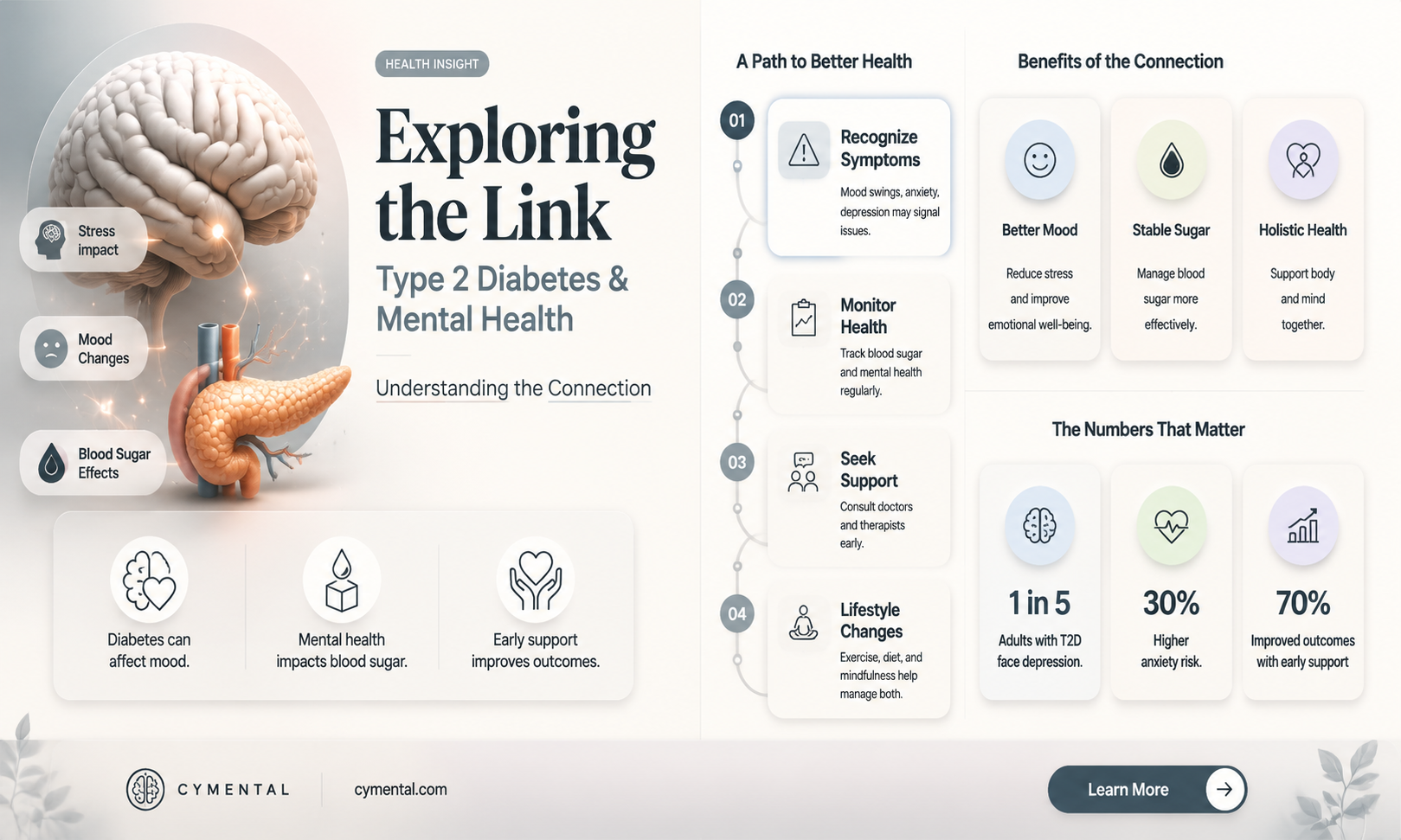
Type 2 diabetes is a chronic condition characterized by high blood sugar levels, which can have far-reaching effects on both physical and mental health. While the physical complications of type 2 diabetes are well-documented, including cardiovascular disease, kidney damage, and nerve damage, the potential mental health impacts are often overlooked. However, research suggests that individuals with type 2 diabetes may be at an increased risk of developing mental illnesses such as depression, anxiety, and cognitive impairment. This connection is thought to be due to the complex interplay between blood sugar levels, insulin resistance, and neurotransmitter function in the brain. Understanding the relationship between type 2 diabetes and mental illness is crucial for providing comprehensive care to individuals with this condition, as it highlights the importance of addressing both physical and emotional well-being in diabetes management.
| Characteristics | Values |
|---|---|
| Relationship | Can type 2 diabetes cause mental illness? |
| Cause and Effect | Type 2 diabetes may contribute to mental health issues |
| Mechanism | High blood sugar levels can affect brain function |
| Common Mental Health Issues | Depression, anxiety, cognitive impairment |
| Importance of Management | Managing diabetes can help alleviate mental health symptoms |
| Seeking Help | Consult a healthcare professional for proper diagnosis and treatment |
Explore related products


What You'll Learn
- Diabetes and Depression: Exploring the link between type 2 diabetes and increased risk of depression
- Anxiety Disorders: Investigating how type 2 diabetes may contribute to the development of anxiety disorders
- Cognitive Impairment: Discussing potential cognitive decline associated with type 2 diabetes and its management
- Psychosis Risk: Examining rare cases where type 2 diabetes might be linked to psychotic episodes
- Mental Health Management: Strategies for managing mental health conditions in individuals with type 2 diabetes

Diabetes and Depression: Exploring the link between type 2 diabetes and increased risk of depression
Research has consistently shown a bidirectional relationship between type 2 diabetes and depression, where each condition increases the risk of developing the other. This complex interplay is believed to be influenced by various biological, psychological, and social factors. For instance, the chronic stress associated with managing diabetes can lead to depressive symptoms, while depression itself can impair one's ability to adhere to diabetes treatment regimens, further exacerbating the condition.
One unique angle to explore is the role of inflammation in this relationship. Studies have suggested that chronic inflammation, a hallmark of type 2 diabetes, may contribute to the development of depression. Inflammatory markers such as C-reactive protein (CRP) and interleukin-6 (IL-6) have been found to be elevated in individuals with both diabetes and depression, indicating a potential causal link. This inflammation may affect brain function and mood regulation, leading to depressive symptoms.
Another important aspect to consider is the impact of diabetes complications on mental health. The development of complications such as neuropathy, retinopathy, or cardiovascular disease can significantly worsen depressive symptoms in individuals with type 2 diabetes. This is likely due to the increased stress and anxiety associated with managing these additional health challenges, as well as the potential for reduced quality of life and social isolation.
Screening for depression in individuals with type 2 diabetes is crucial, as early detection and treatment can improve both mental and physical health outcomes. Healthcare providers should regularly assess patients for symptoms of depression using validated screening tools and provide appropriate referrals for mental health services when necessary. Additionally, lifestyle interventions such as exercise, healthy diet, and stress management techniques can help mitigate the risk of developing depression in individuals with type 2 diabetes.
In conclusion, the link between type 2 diabetes and depression is multifaceted and requires a comprehensive approach to address. By understanding the underlying biological mechanisms and the impact of diabetes complications on mental health, healthcare providers can better support individuals with type 2 diabetes in managing their condition and improving their overall well-being.
Exploring the Link: Bladder Infections and Mental Confusion
You may want to see also
Explore related products


Anxiety Disorders: Investigating how type 2 diabetes may contribute to the development of anxiety disorders
Recent studies have suggested a bidirectional relationship between type 2 diabetes and anxiety disorders, where each condition may exacerbate the other. This complex interplay is believed to be influenced by various biological, psychological, and social factors. For instance, the chronic stress associated with managing diabetes can lead to increased levels of cortisol, a hormone that, when elevated over time, can contribute to the development of anxiety.
Moreover, the physiological changes that occur with type 2 diabetes, such as insulin resistance and fluctuations in blood sugar levels, can impact neurotransmitter function and brain chemistry, potentially leading to anxiety symptoms. Additionally, the psychological burden of living with a chronic illness like diabetes can result in feelings of worry, fear, and helplessness, which are characteristic of anxiety disorders.
Research has also indicated that individuals with type 2 diabetes may be more prone to developing specific types of anxiety disorders, such as generalized anxiety disorder (GAD) and social anxiety disorder (SAD). This increased risk could be attributed to the constant monitoring and management of blood sugar levels, the fear of complications, and the social stigma associated with diabetes.
To mitigate the risk of anxiety disorders in individuals with type 2 diabetes, a comprehensive approach that addresses both the physical and psychological aspects of the condition is essential. This may include lifestyle modifications, such as regular exercise and a balanced diet, as well as stress management techniques like mindfulness meditation and cognitive-behavioral therapy (CBT). Furthermore, healthcare providers should consider screening for anxiety symptoms in patients with type 2 diabetes and provide appropriate referrals for mental health support when necessary.
In conclusion, the relationship between type 2 diabetes and anxiety disorders is multifaceted and requires a nuanced understanding of the underlying mechanisms. By addressing the interplay between these conditions, healthcare professionals can develop more effective strategies for improving the overall well-being of individuals with type 2 diabetes.
Exploring the Link: UTIs and Mental Confusion
You may want to see also
Explore related products


$17.99 $17.99


Cognitive Impairment: Discussing potential cognitive decline associated with type 2 diabetes and its management
Type 2 diabetes is often associated with a range of physical health complications, but its impact on cognitive function is a growing area of concern. Research suggests that individuals with type 2 diabetes may be at an increased risk of cognitive decline, which can manifest as difficulties with memory, attention, and problem-solving. This decline can be attributed to several factors, including chronic hyperglycemia, insulin resistance, and inflammation, all of which can affect brain health.
Managing cognitive impairment in the context of type 2 diabetes involves a multifaceted approach. Firstly, maintaining optimal blood glucose levels is crucial, as persistent hyperglycemia can exacerbate cognitive decline. This can be achieved through a combination of medication, diet, and regular physical activity. Additionally, addressing other risk factors such as hypertension, dyslipidemia, and smoking is essential, as these conditions can further contribute to cognitive impairment.
Lifestyle modifications play a significant role in managing cognitive decline associated with type 2 diabetes. Engaging in regular aerobic exercise has been shown to improve cognitive function, likely due to its effects on increasing blood flow to the brain and promoting neurogenesis. Cognitive training exercises, such as those focusing on memory, attention, and executive function, can also be beneficial in maintaining and even improving cognitive abilities.
Nutritional interventions are another important aspect of managing cognitive impairment in individuals with type 2 diabetes. A diet rich in fruits, vegetables, whole grains, and lean proteins can help support brain health, while limiting intake of processed foods, saturated fats, and added sugars is advisable. Certain supplements, such as omega-3 fatty acids and antioxidants, may also have a role in supporting cognitive function, although more research is needed to confirm their efficacy.
In conclusion, cognitive impairment is a significant concern for individuals with type 2 diabetes, but it can be managed through a combination of medical, lifestyle, and nutritional interventions. By taking a proactive approach to managing blood glucose levels, addressing other health risks, engaging in regular physical and cognitive activity, and following a brain-healthy diet, individuals with type 2 diabetes can help mitigate the risk of cognitive decline and maintain their cognitive function.
Unveiling the Link: Depression's Impact on Cognitive Clarity
You may want to see also
Explore related products

$14.99


Psychosis Risk: Examining rare cases where type 2 diabetes might be linked to psychotic episodes
Recent studies have uncovered a potential link between type 2 diabetes and an increased risk of psychotic episodes. While the connection is not yet fully understood, researchers are exploring the possibility that certain complications of diabetes may contribute to the development of psychosis. One theory is that diabetic ketoacidosis, a serious condition that occurs when the body produces too much ketone acid, could be a trigger for psychotic symptoms. Another area of investigation is the role of inflammation in both diabetes and psychosis, suggesting that the two conditions may share common underlying mechanisms.
It is important to note that the risk of psychosis in individuals with type 2 diabetes is still considered rare. However, the potential implications of this connection are significant, as it could lead to improved screening and treatment strategies for both conditions. Healthcare providers are now being encouraged to monitor patients with diabetes for any signs of mental health issues, and to consider the possibility of psychosis in those who exhibit unexplained changes in behavior or cognition.
Further research is needed to determine the exact nature of the relationship between type 2 diabetes and psychosis risk. Studies are underway to investigate the genetic and environmental factors that may contribute to this association, as well as the potential benefits of early intervention and treatment. In the meantime, individuals with diabetes should be aware of the possible symptoms of psychosis, such as hallucinations, delusions, and disorganized thinking, and seek medical attention if they experience any of these signs.
The emerging link between type 2 diabetes and psychosis risk highlights the complex interplay between physical and mental health. It underscores the need for a holistic approach to healthcare, one that recognizes the potential for seemingly unrelated conditions to have a significant impact on an individual's overall well-being. As our understanding of this connection continues to evolve, it is likely that we will see new strategies for preventing and managing both diabetes and psychosis, ultimately leading to better outcomes for patients.
Exploring the Link: Childhood Head Injuries and Mental Health
You may want to see also
Explore related products


$11.99 $8.99


Mental Health Management: Strategies for managing mental health conditions in individuals with type 2 diabetes
Individuals with type 2 diabetes are at an increased risk of developing mental health conditions such as depression and anxiety. Effective mental health management is crucial to improve overall well-being and diabetes control. A multifaceted approach that combines lifestyle modifications, psychological interventions, and pharmacological treatments can be beneficial. Regular physical activity, a balanced diet, and adequate sleep are essential components of a healthy lifestyle that can positively impact mental health.
Cognitive-behavioral therapy (CBT) and other forms of psychotherapy can help individuals with diabetes manage stress, cope with emotional challenges, and improve their quality of life. Medications such as antidepressants and anti-anxiety drugs may be prescribed by a healthcare provider if necessary. It is important for individuals with diabetes to communicate openly with their healthcare team about their mental health concerns to receive appropriate support and treatment.
In addition to individual strategies, social support networks and community resources can play a vital role in mental health management. Connecting with others who have similar experiences, joining support groups, and seeking guidance from mental health professionals can provide valuable assistance. Online resources and mobile applications can also offer convenient access to mental health tools and information.
Healthcare providers should routinely screen individuals with type 2 diabetes for mental health conditions and provide referrals to specialists when needed. Collaborative care models that integrate mental health services into primary care settings can improve outcomes and ensure that individuals receive comprehensive care. By addressing mental health concerns proactively, individuals with diabetes can better manage their condition and enhance their overall health and well-being.
Unraveling the Link: Mental Illness and Excessive Talking
You may want to see also
Frequently asked questions
While type 2 diabetes itself does not directly cause mental illness, the chronic stress of managing the condition, the impact on daily life, and the potential complications can contribute to mental health issues such as depression and anxiety.
Individuals with type 2 diabetes may face challenges such as depression, anxiety, stress, and cognitive impairment. These mental health issues can be influenced by the physical and emotional demands of managing diabetes.
Effective management of mental health for individuals with type 2 diabetes includes seeking professional help, maintaining a support network, practicing stress-reduction techniques, engaging in regular physical activity, and ensuring proper diabetes management through diet, medication, and monitoring blood sugar levels.