Harper Lewis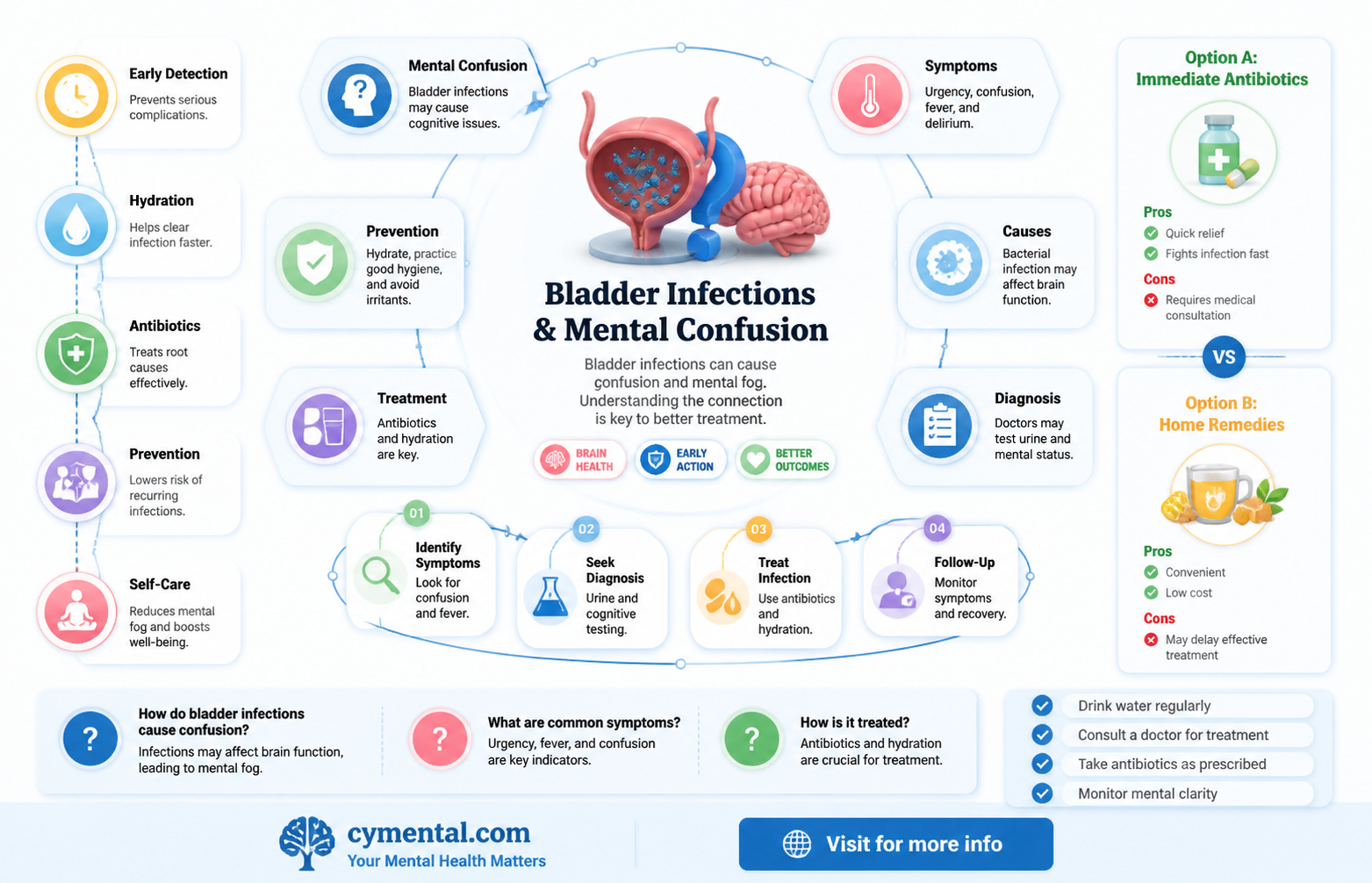
A bladder infection, also known as a urinary tract infection (UTI), is a common medical condition that can lead to a range of uncomfortable symptoms, including frequent urination, pain during urination, and abdominal discomfort. While bladder infections are typically treated with antibiotics and other medications, there is growing evidence to suggest that they may also have an impact on mental health and cognitive function. In particular, some studies have found that bladder infections can cause mental confusion, especially in older adults. This is thought to be due to the fact that UTIs can lead to inflammation and the release of certain chemicals in the body, which can then affect brain function. As a result, it is important for healthcare providers to consider the potential mental health implications of bladder infections, especially in patients who are experiencing persistent or severe symptoms.
| Characteristics | Values |
|---|---|
| Condition | Bladder infection |
| Symptom | Mental confusion |
| Possible Cause | Bacterial infection |
| Common in | Elderly individuals |
| Diagnosis | Medical evaluation |
| Treatment | Antibiotics |
| Prevention | Proper hygiene, frequent urination |
| Complications | Sepsis, kidney infection |
| Outlook | Generally good with prompt treatment |
Explore related products


What You'll Learn
- Symptoms of Bladder Infection: Frequent urination, blood in urine, pelvic pain, and possible fever
- Causes of Bladder Infection: Bacterial infection, often from E. coli, due to poor hygiene or catheter use
- Complications of Untreated Infection: Can lead to kidney infection, sepsis, or other serious health issues
- Mental Confusion and Bladder Infection: In severe cases, untreated infections can cause delirium or confusion
- Treatment Options: Antibiotics are typically prescribed to clear the infection and prevent complications

Symptoms of Bladder Infection: Frequent urination, blood in urine, pelvic pain, and possible fever
Bladder infections, also known as urinary tract infections (UTIs), are common medical conditions that can affect anyone. While they are often associated with physical symptoms such as frequent urination, blood in urine, pelvic pain, and possible fever, it is less commonly discussed that they can also cause mental confusion. This is particularly true in certain populations, such as the elderly or those with weakened immune systems.
One of the primary reasons why a bladder infection can lead to mental confusion is due to the body's inflammatory response. When the bladder is infected, the body releases various chemicals to fight off the infection. These chemicals can sometimes cross the blood-brain barrier and affect brain function, leading to symptoms such as confusion, disorientation, and even delirium.
In addition to the inflammatory response, bladder infections can also cause dehydration, which can further exacerbate mental confusion. Dehydration occurs when the body loses more fluids than it takes in, and this can happen when a person is urinating frequently due to a bladder infection. Dehydration can lead to a decrease in cognitive function, making it difficult for a person to think clearly and make rational decisions.
It is also worth noting that bladder infections can sometimes be caused by underlying medical conditions, such as diabetes or kidney disease, which can also contribute to mental confusion. For example, high blood sugar levels in diabetes can damage blood vessels in the brain, leading to cognitive impairment. Similarly, kidney disease can cause a buildup of toxins in the blood, which can affect brain function.
If you or someone you know is experiencing symptoms of a bladder infection, it is important to seek medical attention promptly. A healthcare professional can diagnose the infection and prescribe appropriate treatment, which may include antibiotics, pain relievers, and fluids to prevent dehydration. In some cases, additional testing may be necessary to determine the underlying cause of the infection and to rule out other potential complications.
In conclusion, while bladder infections are often thought of as a minor inconvenience, they can have serious implications for mental health, particularly in vulnerable populations. By recognizing the symptoms and seeking prompt medical attention, it is possible to prevent or minimize the cognitive effects of a bladder infection.
Exploring the Link: Lyme Disease and Mental Health
You may want to see also
Explore related products




Causes of Bladder Infection: Bacterial infection, often from E. coli, due to poor hygiene or catheter use
Bladder infections, also known as urinary tract infections (UTIs), are primarily caused by bacterial contamination. The most common culprit is Escherichia coli (E. coli), a bacterium that resides in the gastrointestinal tract. E. coli can enter the urinary tract through various means, including poor personal hygiene, improper catheter use, or sexual activity. Once in the urinary tract, E. coli can multiply rapidly, leading to inflammation and infection of the bladder lining.
Poor personal hygiene is a significant risk factor for bladder infections. Failure to clean the genital area properly, especially after using the toilet, can allow bacteria to enter the urethra and travel to the bladder. Women are particularly susceptible to UTIs due to their shorter urethras, which provide a more direct pathway for bacteria to reach the bladder.
Catheter use is another common cause of bladder infections, especially in healthcare settings. Catheters can introduce bacteria into the urinary tract, either through improper insertion techniques or by allowing bacteria to travel along the catheter surface into the bladder. Long-term catheter use increases the risk of infection, as does the use of contaminated or poorly maintained catheters.
Sexual activity can also contribute to bladder infections, as the physical act of intercourse can push bacteria into the urethra. Women are more likely to develop UTIs after sexual activity due to the proximity of the urethra to the vagina and anus.
In addition to E. coli, other bacteria such as Staphylococcus saprophyticus and Klebsiella pneumoniae can also cause bladder infections. These bacteria may be present in the environment or on the skin and can enter the urinary tract through similar routes as E. coli.
Preventing bladder infections involves maintaining good personal hygiene, using catheters only when necessary and ensuring they are properly inserted and maintained, and practicing safe sexual habits. Drinking plenty of water and urinating regularly can also help flush bacteria out of the urinary tract, reducing the risk of infection.
Exploring the Link: UTIs and Mental Confusion
You may want to see also
Explore related products





Complications of Untreated Infection: Can lead to kidney infection, sepsis, or other serious health issues
Untreated urinary tract infections (UTIs) can escalate into more severe health complications, posing significant risks to individuals. One of the primary concerns is the potential for the infection to spread to the kidneys. When bacteria from a UTI travel up the ureters to the kidneys, it can lead to pyelonephritis, a condition characterized by inflammation and infection of the kidney tissue. This can result in symptoms such as fever, chills, and severe abdominal pain. If left untreated, pyelonephritis can cause permanent damage to the kidneys, impairing their function and potentially leading to chronic kidney disease.
Sepsis is another grave complication that can arise from untreated UTIs. Sepsis occurs when the body's immune system overreacts to an infection, causing widespread inflammation and tissue damage. This condition can rapidly progress, leading to organ failure, shock, and even death if not promptly treated. Individuals with weakened immune systems, such as the elderly or those with underlying health conditions, are particularly susceptible to developing sepsis from UTIs.
In addition to kidney infections and sepsis, untreated UTIs can also contribute to other serious health issues. For example, the infection can spread to the prostate gland in men, leading to prostatitis, or to the pelvic organs in women, causing conditions such as pelvic inflammatory disease (PID). Furthermore, recurrent UTIs can increase the risk of developing antibiotic resistance, making future infections more challenging to treat.
It is crucial for individuals to seek medical attention promptly if they suspect they have a UTI. Early treatment with antibiotics can effectively eliminate the infection and prevent it from progressing to more severe complications. Additionally, maintaining good hygiene practices, such as drinking plenty of water and urinating frequently, can help reduce the risk of developing UTIs in the first place.
In summary, untreated UTIs can lead to a range of serious health complications, including kidney infections, sepsis, and other conditions. Prompt medical treatment and preventive measures are essential for minimizing these risks and maintaining overall health.
Exploring the Complex Factors Behind Altered Mental Status
You may want to see also
Explore related products


Mental Confusion and Bladder Infection: In severe cases, untreated infections can cause delirium or confusion
In severe cases, untreated bladder infections can lead to a state of mental confusion or delirium. This is particularly concerning as it can affect individuals who may already be vulnerable, such as the elderly or those with compromised immune systems. The progression from a simple urinary tract infection to a condition that impacts cognitive function underscores the importance of timely medical intervention.
The link between bladder infections and mental confusion is often due to the body's response to the infection. As the immune system fights off the invading bacteria, it can release chemicals that may affect brain function. Additionally, the discomfort and pain associated with a bladder infection can lead to restlessness and agitation, further contributing to mental distress.
It is crucial for caregivers and healthcare professionals to recognize the signs of mental confusion in patients with bladder infections. These signs may include disorientation, difficulty concentrating, and changes in behavior. Early detection can lead to prompt treatment, which may involve antibiotics to clear the infection and supportive care to manage symptoms.
Preventive measures are also key in reducing the risk of bladder infections and their potential complications. This includes maintaining good hygiene, staying hydrated, and avoiding irritants such as caffeine and alcohol. For individuals who are prone to recurrent bladder infections, proactive strategies such as cranberry supplements or low-dose antibiotics may be recommended.
In conclusion, the relationship between bladder infections and mental confusion highlights the need for awareness and vigilance. By understanding the risks and taking appropriate action, we can help prevent the progression of simple infections to more serious conditions that affect both physical and mental health.
Exploring the Link: Kidney Failure and Altered Mental Status
You may want to see also
Explore related products




Treatment Options: Antibiotics are typically prescribed to clear the infection and prevent complications
Antibiotics are a common and effective treatment for bladder infections, which can help alleviate symptoms and prevent potential complications. These medications work by targeting and eliminating the bacteria responsible for the infection. Typically, a healthcare provider will prescribe a specific type of antibiotic based on the severity and nature of the infection, as well as the patient's medical history and any allergies they may have. It is crucial to follow the prescribed dosage and duration of the antibiotic treatment to ensure the infection is fully cleared and to minimize the risk of antibiotic resistance.
In some cases, over-the-counter pain relievers may also be recommended to help manage discomfort and pain associated with the infection. Additionally, increasing fluid intake, particularly water, can help flush out the bacteria and promote healing. It is important to note that while these measures can be helpful, they should not replace antibiotic treatment if an infection is present.
For individuals who experience recurrent bladder infections, a healthcare provider may recommend a different treatment approach, such as a longer course of antibiotics or a different type of medication. In some instances, further diagnostic testing may be necessary to identify underlying causes of the recurrent infections and to develop an appropriate treatment plan.
It is also worth noting that certain populations, such as older adults or individuals with weakened immune systems, may be at a higher risk for complications from bladder infections. In these cases, prompt medical attention and aggressive treatment may be necessary to prevent serious health issues.
Overall, antibiotic treatment is a critical component in managing bladder infections and preventing potential complications. By following the prescribed treatment plan and taking additional measures to promote healing, individuals can effectively address the infection and reduce the risk of future health problems.
Exploring the Link: Childhood Head Injuries and Mental Health
You may want to see also
Frequently asked questions
Yes, a bladder infection can cause mental confusion, especially in older adults. This is because the infection can lead to a condition called delirium, which is characterized by sudden changes in mental status, including confusion, disorientation, and altered consciousness.
The symptoms of a bladder infection, also known as cystitis, include frequent urination, a strong urge to urinate, blood in the urine, pain during urination, and lower abdominal pain. In some cases, people may also experience fever, chills, and nausea.
A bladder infection is typically diagnosed through a combination of medical history, physical examination, and laboratory tests. A urine culture is the most common test used to diagnose a bladder infection, as it can identify the type of bacteria causing the infection.
The treatment for a bladder infection usually involves antibiotics to kill the bacteria causing the infection. The type and duration of antibiotic treatment will depend on the severity of the infection and the individual's overall health. In some cases, pain relievers and fever reducers may also be recommended.
Yes, there are several steps that can be taken to prevent bladder infections. These include drinking plenty of water, urinating frequently, wiping from front to back after using the bathroom, avoiding feminine hygiene products, and practicing good sexual hygiene. Additionally, some people may benefit from taking preventive antibiotics or using a catheter to drain the bladder.