Noah Parker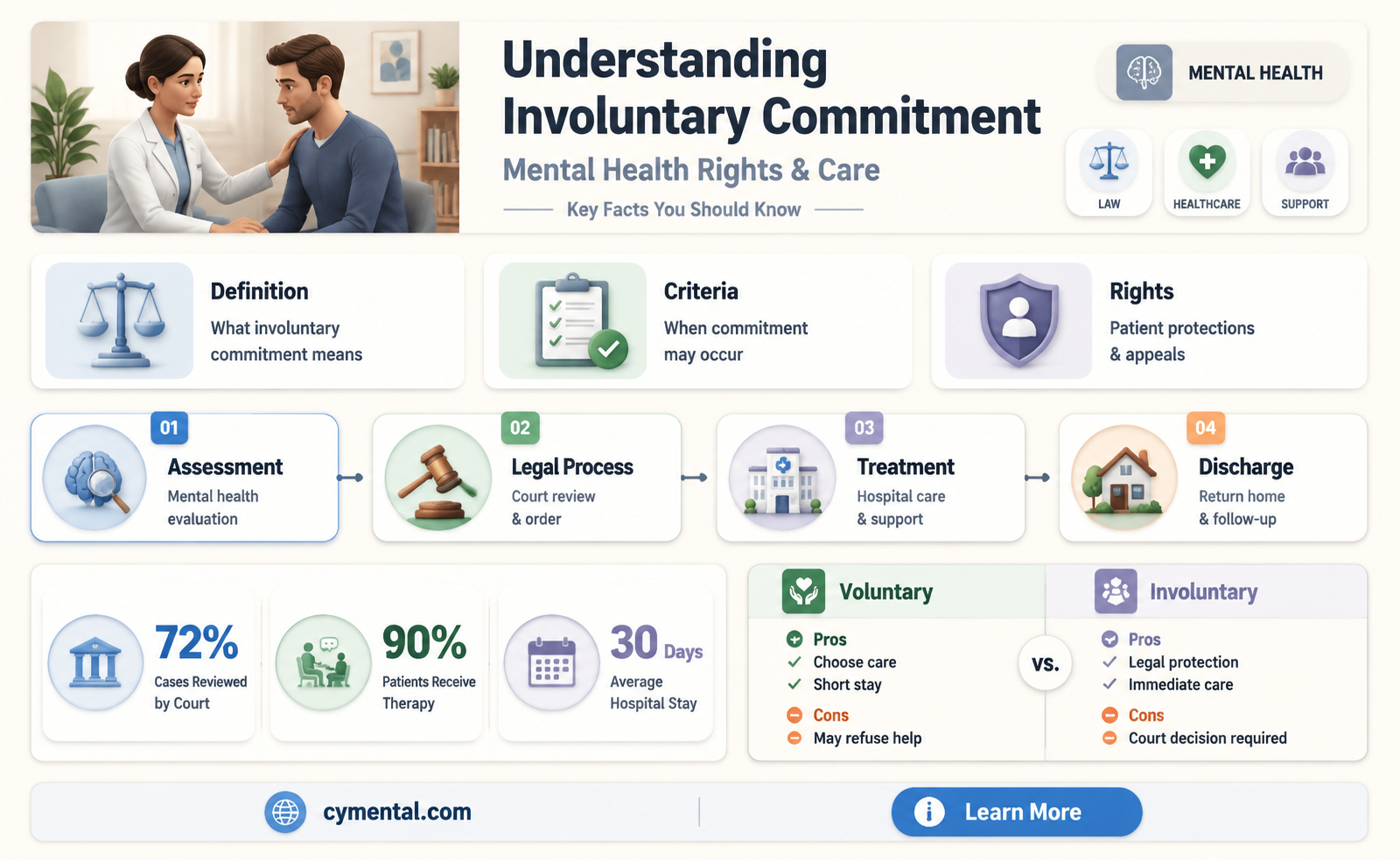
The question of whether someone can be committed for mental illness is a complex and sensitive topic that intersects with legal, ethical, and medical considerations. In many jurisdictions, involuntary commitment laws allow for individuals who are deemed a danger to themselves or others due to mental illness to be hospitalized against their will. However, the criteria for such commitments vary widely, and the process is often subject to legal safeguards to protect the rights of the individual. The discussion surrounding involuntary commitment must balance the need to provide necessary care and protection with the fundamental rights to autonomy and liberty. It's essential to approach this topic with a nuanced understanding of mental health, legal frameworks, and the potential impacts on individuals and society.
Explore related products

![When Someone You Love Has a Mental Illness [WHEN SOMEONE YOU LOVE HAS A ME]](https://m.media-amazon.com/images/I/412b+RMBsDL._AC_UY218_.jpg)


What You'll Learn
- Legal Criteria for Commitment: Understanding the legal standards and processes for involuntary psychiatric commitment
- Types of Mental Illness: Exploring various mental health conditions that may lead to consideration of commitment
- Involuntary vs. Voluntary Treatment: Differentiating between forced and voluntary mental health treatment options
- Rights of the Individual: Discussing the legal rights and protections afforded to individuals facing mental health commitments
- Support Systems and Resources: Identifying available support networks and resources for those affected by mental illness commitment

Legal Criteria for Commitment: Understanding the legal standards and processes for involuntary psychiatric commitment
Involuntary psychiatric commitment is a legal process that allows for the detention and treatment of individuals who are deemed to be a danger to themselves or others due to their mental illness. The legal criteria for commitment vary by jurisdiction, but generally require a showing that the individual is unable to care for themselves or is likely to harm themselves or others if not committed.
The process typically begins with a petition for commitment filed by a concerned party, such as a family member, healthcare provider, or law enforcement officer. The petition must allege specific facts that support the claim that the individual meets the legal criteria for commitment. A hearing is then held, at which the individual has the right to be represented by counsel and to present evidence in their defense.
If the court finds that the individual meets the legal criteria for commitment, an order of commitment is issued. The individual is then taken into custody and transported to a psychiatric facility for evaluation and treatment. The length of the commitment varies depending on the jurisdiction and the individual's condition, but it is typically for a period of several days to several weeks.
During the commitment, the individual is entitled to receive appropriate psychiatric care and treatment. They also have the right to appeal the commitment order and to request a review of their case by a higher court. If the individual's condition improves, they may be released from the commitment early. However, if their condition does not improve, the commitment may be extended or converted to a longer-term guardianship or conservatorship.
It is important to note that involuntary psychiatric commitment is a serious legal process that should only be used as a last resort when all other options have been exhausted. It is also important to ensure that the individual's rights are protected throughout the process and that they receive appropriate care and treatment.
Navigating Involuntary Commitment: A Guide to Mental Health Support in California
You may want to see also
Explore related products

Types of Mental Illness: Exploring various mental health conditions that may lead to consideration of commitment
Certain mental health conditions may necessitate the consideration of commitment due to the potential risks they pose to the individual or others. These conditions often involve severe symptoms that impair judgment, perception, or impulse control. For instance, schizophrenia, characterized by delusions and hallucinations, can lead to dangerous behaviors if left untreated. Similarly, bipolar disorder, with its extreme mood swings, may result in manic episodes where the individual engages in risky or harmful activities.
Another condition that may warrant consideration of commitment is severe depression, particularly when accompanied by suicidal ideation or attempts. In such cases, the individual may be unable to care for themselves or may pose a significant risk of self-harm. Anxiety disorders, while generally not as severe, can also lead to commitment if they manifest in extreme forms, such as agoraphobia that prevents the individual from leaving their home or performing daily activities.
Personality disorders, such as borderline personality disorder, can also be associated with commitment due to the individual's difficulty in maintaining stable relationships and their tendency to engage in self-destructive behaviors. Additionally, substance use disorders may necessitate commitment if the individual is unable to control their substance use, which can lead to severe health complications or dangerous behaviors.
It is important to note that commitment should always be considered a last resort and should be based on a thorough evaluation of the individual's condition and circumstances. Mental health professionals should explore all available treatment options and work closely with the individual and their support system to develop a comprehensive care plan before considering commitment.
Understanding Mental Health Inpatient Care Duration
You may want to see also
Involuntary vs. Voluntary Treatment: Differentiating between forced and voluntary mental health treatment options
In the realm of mental health treatment, the distinction between involuntary and voluntary treatment is crucial. Involuntary treatment refers to the provision of mental health services without the individual's consent, often due to concerns about their safety or the safety of others. This can include hospitalization, medication, and therapy sessions mandated by a court or authorized by a mental health professional. Voluntary treatment, on the other hand, involves the individual actively choosing to seek help and participate in their own care plan.
One of the key considerations in differentiating between these two types of treatment is the level of autonomy and agency the individual has in their care. Involuntary treatment can be a necessary intervention in cases where a person's mental state poses a significant risk to themselves or others, but it also raises ethical concerns about personal freedom and the potential for abuse. Voluntary treatment, while preferable in many cases, may not always be feasible for individuals who are unable to make informed decisions about their care due to the severity of their symptoms.
Another important factor to consider is the legal framework surrounding mental health treatment. Laws vary by jurisdiction, but generally, involuntary treatment is governed by specific statutes that outline the criteria for commitment and the procedures that must be followed. Voluntary treatment, while not subject to the same legal constraints, still requires adherence to ethical guidelines and standards of practice.
In practice, the decision to pursue involuntary or voluntary treatment often involves a complex interplay of clinical, legal, and ethical considerations. Mental health professionals must carefully assess the individual's condition, weigh the potential benefits and risks of each approach, and ensure that the chosen treatment plan aligns with the person's rights and best interests. This process can be challenging, particularly in cases where the individual's capacity to make informed decisions is impaired.
Ultimately, the goal of both involuntary and voluntary treatment is to support individuals in achieving and maintaining optimal mental health. While the approaches differ in terms of consent and coercion, both can play a vital role in helping people overcome mental health challenges and improve their quality of life. By understanding the distinctions between these two types of treatment and the contexts in which they are appropriate, mental health professionals can better navigate the complex landscape of mental health care and provide effective, compassionate support to those in need.
Empowering Mental Health Advocacy: A Guide to Petitioning for Support in Arizona
You may want to see also
Rights of the Individual: Discussing the legal rights and protections afforded to individuals facing mental health commitments
Individuals facing mental health commitments are afforded several legal rights and protections to ensure their well-being and autonomy are respected. One fundamental right is the presumption of competence, meaning that individuals are assumed to be capable of making their own decisions regarding their mental health care unless a court determines otherwise. This presumption is crucial as it places the burden of proof on those seeking to commit an individual, requiring them to demonstrate that the person is indeed incapable of making informed decisions about their care.
Another key protection is the right to due process, which guarantees that individuals will receive a fair hearing before a neutral decision-maker. During this hearing, the individual has the right to present evidence, cross-examine witnesses, and be represented by legal counsel. This ensures that the commitment process is transparent and that the individual's perspective is fully considered.
Additionally, individuals have the right to be informed about the reasons for their commitment, the specific mental health issues they are facing, and the treatment plan that will be implemented. This right to information is essential for enabling individuals to participate in their own care and to make informed decisions about their treatment.
Furthermore, individuals facing mental health commitments have the right to appeal the decision of the court. This means that if they disagree with the court's ruling, they can request that a higher court review the case. This right to appeal provides an additional layer of protection against unjust commitments.
Lastly, individuals have the right to be free from discrimination based on their mental health status. This means that they should not be subjected to different treatment or consideration solely because of their mental health condition. This right is important for ensuring that individuals facing mental health commitments are treated with dignity and respect.
In conclusion, the legal rights and protections afforded to individuals facing mental health commitments are designed to safeguard their autonomy, ensure due process, and promote their overall well-being. These rights are essential for balancing the need to provide necessary mental health care with the individual's right to self-determination.
Navigating Tough Choices: When to Distance Yourself from Mental Illness
You may want to see also
Support Systems and Resources: Identifying available support networks and resources for those affected by mental illness commitment
Individuals and families affected by mental illness commitment often require a robust support system to navigate the complexities of the process. Identifying available resources and networks can be crucial in providing the necessary assistance and guidance. One key resource is the National Alliance on Mental Illness (NAMI), which offers a wealth of information, support groups, and advocacy services for those impacted by mental illness. Additionally, local mental health organizations and community centers can provide valuable resources, such as counseling services, educational workshops, and peer support groups.
In addition to these formal support structures, informal networks can also play a significant role in the lives of those affected by mental illness commitment. Friends, family members, and community leaders can offer emotional support, practical assistance, and a sense of belonging. It is essential to recognize the importance of these informal networks and to encourage their development and maintenance.
Furthermore, online resources and digital platforms can provide accessible and convenient support for individuals and families. Websites such as the Substance Abuse and Mental Health Services Administration (SAMHSA) and the American Psychological Association (APA) offer a range of resources, including treatment locators, educational materials, and online support groups. Mobile applications and social media platforms can also facilitate connections between individuals, providing a sense of community and support.
When seeking support, it is crucial to consider the specific needs and preferences of the individual or family. Some may prefer in-person support groups, while others may find online resources more convenient. It is also essential to be aware of the potential barriers to accessing support, such as financial constraints, transportation issues, or language barriers. By understanding these factors, individuals and families can better navigate the available resources and find the support that best meets their needs.
In conclusion, identifying and accessing support systems and resources is a critical component of the mental illness commitment process. By recognizing the value of both formal and informal networks, and by leveraging the range of available resources, individuals and families can better cope with the challenges of mental illness commitment and work towards positive outcomes.
Understanding Mental Incompetency: A Guide to the Legal Process
You may want to see also