Madison Cole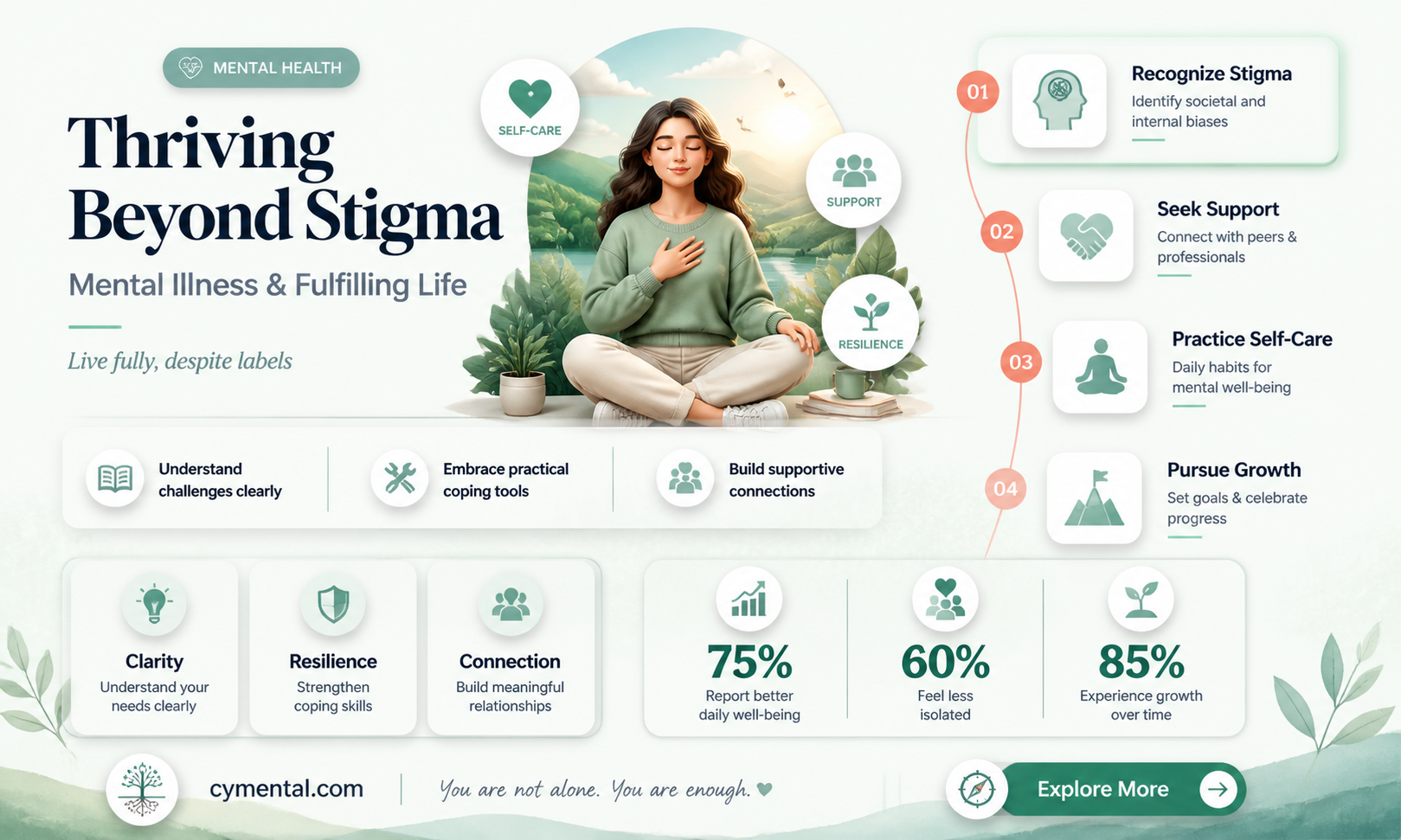
Living with mental illness does not equate to an inability to lead a fulfilling and productive life. Many individuals with mental health conditions manage their symptoms effectively through a combination of medication, therapy, and lifestyle adjustments, allowing them to maintain relationships, pursue careers, and engage in everyday activities. While mental illness can present challenges, it is important to recognize that with proper support and treatment, individuals can achieve a sense of normalcy and well-being. This includes developing coping strategies, building a strong support network, and focusing on personal strengths and goals. By fostering a greater understanding and reducing stigma, society can help create an environment where those with mental illness can thrive and contribute meaningfully to their communities.
| Characteristics | Values |
|---|---|
| Definition of 'normal life' | Varies based on cultural and individual perspectives; generally refers to a life with stable relationships, a consistent routine, and the ability to fulfill personal and social roles. |
| Types of mental illnesses | Anxiety disorders, mood disorders, personality disorders, psychotic disorders, eating disorders, substance use disorders, etc. |
| Impact on daily functioning | Can range from mild to severe; may affect ability to work, maintain relationships, and perform daily tasks. |
| Treatment options | Medication, psychotherapy, lifestyle changes, support groups, etc. |
| Prognosis | Varies depending on the specific mental illness, individual circumstances, and access to treatment. |
| Social support | Crucial for individuals with mental illness; can include family, friends, mental health professionals, and community resources. |
| Employment | Many individuals with mental illness can work, but may require accommodations or modifications to their work environment. |
| Education | Access to education is important for individuals with mental illness, but may be challenging due to symptoms or stigma. |
| Housing | Stable housing is essential for individuals with mental illness; may require support or modifications to living arrangements. |
| Healthcare access | Regular access to healthcare is crucial for managing mental illness and maintaining overall health. |
| Stigma and discrimination | Can be significant barriers for individuals with mental illness, affecting their ability to access resources and participate in society. |
| Self-care | Important for individuals with mental illness to manage symptoms and maintain overall well-being. |
| Coping strategies | Can include mindfulness, exercise, creative expression, and other activities that promote mental health. |
| Recovery | Possible for many individuals with mental illness, but may be a long and ongoing process. |
| Quality of life | Can be high for individuals with mental illness who receive appropriate treatment and support. |
Explore related products

$20.32 $22.95

$18.49 $19.95


What You'll Learn
- Treatment and Management: Exploring therapy, medication, and coping strategies to control symptoms and improve daily functioning
- Social Support: Discussing the importance of friends, family, and community in providing emotional support and fostering inclusion
- Employment and Education: Addressing challenges and opportunities in the workplace and educational settings for individuals with mental illness
- Self-Care and Wellness: Emphasizing the role of physical health, mindfulness, and stress management in maintaining overall well-being
- Reducing Stigma: Strategies for combating societal stigma and promoting understanding and acceptance of mental health conditions

Treatment and Management: Exploring therapy, medication, and coping strategies to control symptoms and improve daily functioning
Effective treatment and management of mental illness often involve a combination of therapy, medication, and coping strategies. Therapy can take many forms, including cognitive-behavioral therapy (CBT), dialectical behavior therapy (DBT), and psychodynamic therapy. These approaches help individuals understand and change negative thought patterns, manage emotions, and improve relationships. Medication can also play a crucial role in controlling symptoms. For example, antidepressants like selective serotonin reuptake inhibitors (SSRIs) can help alleviate symptoms of depression, while antipsychotics can manage symptoms of schizophrenia. It's important to note that medication should always be prescribed and monitored by a healthcare professional.
Coping strategies are essential for daily functioning and can include techniques such as mindfulness meditation, deep breathing exercises, and journaling. These practices can help individuals manage stress and anxiety, improve focus, and enhance overall well-being. Additionally, lifestyle changes like maintaining a balanced diet, engaging in regular physical activity, and ensuring adequate sleep can significantly impact mental health.
It's also crucial to address the importance of a support system. Friends, family, and support groups can provide emotional support, encouragement, and practical assistance. Peer support, in particular, can be invaluable, as individuals with lived experience can offer unique insights and understanding.
In conclusion, a comprehensive approach to treatment and management, incorporating therapy, medication, coping strategies, and support systems, can empower individuals with mental illness to control their symptoms and improve their daily functioning. By addressing the multifaceted nature of mental health, individuals can work towards achieving a fulfilling and meaningful life.
Navigating the Road: Mental Illness and Driving Capabilities
You may want to see also
Explore related products


![When Someone You Love Has a Mental Illness [WHEN SOMEONE YOU LOVE HAS A ME]](https://m.media-amazon.com/images/I/412b+RMBsDL._AC_UY218_.jpg)


Social Support: Discussing the importance of friends, family, and community in providing emotional support and fostering inclusion
Social support plays a crucial role in the lives of individuals with mental illness, significantly impacting their ability to lead fulfilling and inclusive lives. Friends, family, and community members can provide emotional support, which is essential for managing symptoms and improving overall well-being. This support can manifest in various ways, such as active listening, offering encouragement, and helping with daily tasks. By fostering a sense of belonging and acceptance, social support can counteract the isolation and stigma often experienced by those with mental health conditions.
In addition to emotional support, social connections can also facilitate practical assistance. For instance, friends and family can help individuals with mental illness navigate healthcare systems, adhere to treatment plans, and maintain a stable living environment. Community resources, such as support groups and mental health organizations, can provide additional avenues for assistance, including access to therapy, medication, and other essential services. By leveraging these resources, individuals with mental illness can better manage their conditions and participate more fully in society.
Moreover, social support can contribute to the development of coping strategies and resilience. By sharing experiences and insights, individuals with mental illness can learn from one another and develop new ways of dealing with challenges. This peer support can be particularly valuable, as it offers a unique perspective that is not always available from healthcare professionals. Furthermore, social connections can help individuals build a sense of purpose and self-worth, which are critical components of recovery and overall life satisfaction.
However, it is important to recognize that not all social interactions are positive or supportive. Some individuals may encounter discrimination, judgment, or rejection from their social circles, which can exacerbate feelings of isolation and worsen mental health outcomes. Therefore, it is crucial to cultivate relationships that are supportive and accepting, and to seek out communities that promote inclusivity and understanding.
In conclusion, social support is a vital component of living a fulfilling life with mental illness. By providing emotional support, practical assistance, and opportunities for connection, friends, family, and community members can help individuals with mental health conditions manage their symptoms, build resilience, and lead inclusive lives. As such, it is essential to prioritize and nurture these social connections, and to seek out supportive communities that foster a sense of belonging and acceptance.
Unraveling Mental Stability: A Guide for Legal Proceedings
You may want to see also
Explore related products

Employment and Education: Addressing challenges and opportunities in the workplace and educational settings for individuals with mental illness
Individuals with mental illness often face unique challenges in employment and educational settings. These environments can be particularly demanding, with high expectations for productivity, social interaction, and adaptability. However, with the right support and strategies, individuals with mental illness can thrive in these settings and lead fulfilling lives.
One of the key challenges in the workplace is managing symptoms while maintaining job responsibilities. This may involve developing coping mechanisms, such as mindfulness practices or cognitive-behavioral techniques, to handle stress and anxiety. Employers can also play a crucial role by providing accommodations, such as flexible work schedules or remote work options, to help individuals with mental illness balance their health needs with their professional obligations.
In educational settings, students with mental illness may struggle with academic performance, social integration, and self-advocacy. To address these challenges, schools and universities can offer specialized support services, such as counseling, tutoring, and disability accommodations. Additionally, educators can be trained to recognize signs of mental illness and provide appropriate referrals and resources.
Another important aspect of addressing mental illness in employment and education is reducing stigma and promoting awareness. This can be achieved through training programs, workshops, and campaigns that educate colleagues, classmates, and the broader community about mental health issues and the importance of support and understanding.
Ultimately, the goal is to create inclusive environments that recognize and value the contributions of individuals with mental illness. By addressing challenges and seizing opportunities, we can help ensure that these individuals have equal access to education and employment, and can lead meaningful and productive lives.
Nurturing Resilience: How to Comfort a Mentally Exhausted Friend
You may want to see also
Self-Care and Wellness: Emphasizing the role of physical health, mindfulness, and stress management in maintaining overall well-being
Engaging in regular physical activity is a cornerstone of self-care for individuals with mental illness. Exercise has been shown to reduce symptoms of depression and anxiety, improve mood, and enhance cognitive function. Aim for at least 30 minutes of moderate-intensity exercise, such as brisk walking, cycling, or swimming, most days of the week. Incorporating strength training and flexibility exercises can also provide additional benefits. Remember, finding an activity you enjoy is key to maintaining a consistent routine.
Mindfulness practices, such as meditation and deep breathing exercises, can help individuals with mental illness manage stress and improve emotional regulation. Set aside a few minutes each day to practice mindfulness, focusing on your breath and observing your thoughts without judgment. Gradually increase the duration of your practice as you become more comfortable. There are also many guided meditation apps and online resources available to support your mindfulness journey.
In addition to exercise and mindfulness, proper nutrition plays a crucial role in maintaining overall well-being. A balanced diet rich in fruits, vegetables, whole grains, and lean proteins can help support mental health. Limit processed foods, sugary drinks, and excessive caffeine, which can exacerbate symptoms of mental illness. Staying hydrated by drinking plenty of water throughout the day is also essential for optimal brain function.
Adequate sleep is vital for both physical and mental health. Establish a consistent sleep schedule by going to bed and waking up at the same time each day, even on weekends. Create a relaxing bedtime routine, such as reading a book or taking a warm bath, to signal to your body that it's time to wind down. Avoid screens and stimulating activities before bedtime, as they can interfere with your ability to fall asleep. If you struggle with sleep, consider consulting a healthcare professional for guidance.
Finally, don't underestimate the importance of social connections in maintaining overall well-being. Building and maintaining strong relationships with friends and family can provide emotional support, reduce feelings of isolation, and improve self-esteem. Make an effort to stay connected with loved ones, even if it's just through regular phone calls or video chats. Joining support groups or community organizations can also help expand your social network and provide opportunities for meaningful connections.
Navigating Mental Health and Military Service: A Complex Intersection
You may want to see also
Reducing Stigma: Strategies for combating societal stigma and promoting understanding and acceptance of mental health conditions
Stigma surrounding mental health conditions can be a significant barrier to individuals seeking help and living fulfilling lives. Combating this stigma requires a multifaceted approach that involves education, advocacy, and community engagement. One effective strategy is to increase awareness about mental health conditions through public campaigns and educational programs. By providing accurate information about mental illness, its causes, and its treatments, we can dispel myths and misconceptions that contribute to stigma.
Another important strategy is to promote representation and visibility of individuals with mental health conditions in media and popular culture. By showcasing diverse experiences and perspectives, we can humanize mental illness and challenge stereotypes. This can be achieved through initiatives such as mental health awareness months, film festivals, and social media campaigns that highlight personal stories and achievements.
In addition to raising awareness and promoting representation, it is crucial to address the structural factors that perpetuate stigma. This includes advocating for policies that protect the rights of individuals with mental health conditions and ensure equal access to healthcare and social services. By working to eliminate discrimination and promote inclusivity, we can create a more supportive environment for those affected by mental illness.
Community engagement and grassroots activism also play a vital role in reducing stigma. Local organizations and support groups can provide a platform for individuals to share their experiences, connect with others, and access resources. By fostering a sense of community and belonging, these initiatives can help to break down the isolation and shame often associated with mental illness.
Ultimately, reducing stigma requires a sustained effort from individuals, organizations, and society as a whole. By working together to promote understanding, acceptance, and support for those with mental health conditions, we can create a more compassionate and inclusive world where everyone has the opportunity to thrive.
Approaching the Conversation: Discussing Mental Health with Empathy
You may want to see also
Frequently asked questions
Yes, with appropriate treatment and support, many individuals with mental illnesses can lead fulfilling and productive lives.
"Normal" can vary greatly from person to person. It generally refers to the ability to function in daily life, maintain relationships, and pursue personal goals and interests.
Some mental illnesses, such as schizophrenia or bipolar disorder, can present more significant challenges due to their severe symptoms. However, with proper management, individuals can still achieve a good quality of life.
Effective support and treatment often include a combination of medication, therapy (such as cognitive-behavioral therapy), lifestyle changes, and social support networks.
Society can help by reducing stigma, increasing access to mental health services, providing educational resources, and fostering supportive communities that encourage inclusion and understanding.