Lucas Bennett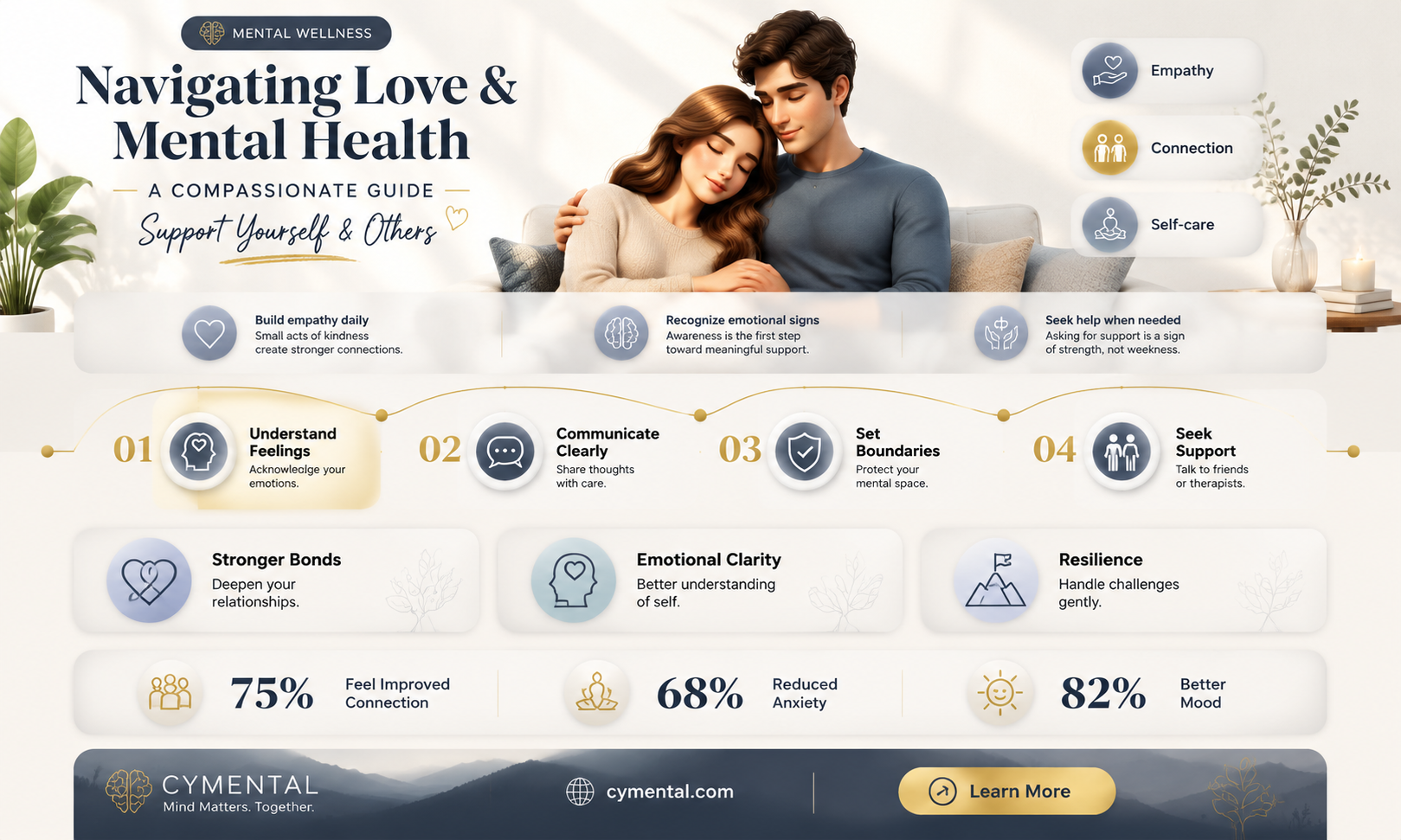
Dating someone with mental illness can be a complex and sensitive topic. It requires empathy, understanding, and a willingness to support your partner through their challenges. Mental illness can affect anyone, and it's important to approach relationships with an open mind and a compassionate heart. In this discussion, we'll explore the considerations and strategies for navigating a relationship with someone who has a mental illness, emphasizing the importance of communication, patience, and mutual respect.
Explore related products

$12.4 $16.95


$12.99 $19.99


What You'll Learn
- Understanding Mental Illness: Educate yourself about the specific condition and its impact on daily life
- Communication is Key: Open and honest dialogue about feelings, needs, and boundaries is essential
- Supporting Your Partner: Learn how to offer emotional support and help them manage their symptoms
- Self-Care: Ensure you maintain your own mental and emotional well-being while in the relationship
- Seeking Professional Help: Encourage your partner to continue treatment and consider couples therapy if needed

Understanding Mental Illness: Educate yourself about the specific condition and its impact on daily life
Understanding a partner's mental illness requires more than just empathy; it demands a proactive approach to learning about their specific condition. This involves researching the symptoms, triggers, and treatment options associated with their illness. For instance, if your partner has bipolar disorder, it's crucial to understand the differences between manic and depressive episodes and how these might affect their behavior and needs.
Educating yourself about the impact of mental illness on daily life can significantly enhance your ability to support your partner. This includes recognizing how their condition might influence their energy levels, social interactions, and cognitive functioning. For example, someone with anxiety might struggle with social situations, while a person with depression might find it challenging to maintain regular routines.
A practical approach to this education is to ask your partner about their experiences and how you can best support them. This open communication can help you tailor your understanding to their unique situation. Additionally, consider attending therapy sessions or support groups with your partner, if they are comfortable with it, to gain deeper insights into their condition and how it affects them.
It's also important to be aware of the potential challenges that come with dating someone with a mental illness. These might include managing your own emotions, setting boundaries, and ensuring that you are not enabling harmful behaviors. By being informed and proactive, you can navigate these challenges more effectively and foster a healthier, more supportive relationship.
In summary, understanding mental illness in the context of a romantic relationship involves a commitment to learning, open communication, and practical support. By educating yourself about your partner's specific condition and its impact on their daily life, you can provide more effective support and build a stronger, more resilient relationship.
Seeking Help: Who to Call When Concerned About Someone's Mental Health
You may want to see also
Explore related products





Communication is Key: Open and honest dialogue about feelings, needs, and boundaries is essential
Effective communication is the cornerstone of any healthy relationship, but it becomes even more crucial when dating someone with mental illness. Open and honest dialogue about feelings, needs, and boundaries is essential for both partners to feel heard, understood, and supported. This means creating a safe space where both individuals can express themselves without fear of judgment or rejection.
One practical way to foster this kind of communication is by setting aside regular time for check-ins, where both partners can share their thoughts and feelings about the relationship. This can help prevent misunderstandings and ensure that both partners are on the same page. Additionally, it's important to be aware of your partner's triggers and to communicate about them openly. This can help you both develop strategies for managing difficult situations and avoiding unnecessary conflicts.
Another key aspect of communication in this context is active listening. This means giving your full attention to your partner when they are speaking, and making an effort to understand their perspective. Avoid interrupting or offering unsolicited advice, and instead focus on validating their feelings and experiences. This can help your partner feel more comfortable opening up to you, and can also help you gain a deeper understanding of their mental health challenges.
Finally, it's important to remember that communication is a two-way street. While it's essential to be open and honest about your own feelings and needs, it's equally important to be receptive to your partner's feedback. This means being willing to compromise, adapt, and grow together as a couple. By prioritizing open and honest communication, you can build a strong foundation for a healthy and supportive relationship, even in the face of mental health challenges.
Empowering Support: A Compassionate Guide to Mental Health Advocacy
You may want to see also
Explore related products

$10.19 $11.99


Supporting Your Partner: Learn how to offer emotional support and help them manage their symptoms
One of the most crucial aspects of supporting a partner with a mental illness is understanding the importance of emotional support. This involves being present, empathetic, and validating their feelings. It's essential to create a safe space where your partner feels comfortable expressing themselves without fear of judgment or criticism. Active listening is a valuable skill in this context; it means giving your undivided attention, asking open-ended questions, and reflecting back what you've heard to ensure understanding.
In addition to emotional support, helping your partner manage their symptoms can involve practical assistance. This might include accompanying them to therapy sessions, helping them maintain a medication schedule, or assisting with daily tasks when symptoms are particularly debilitating. It's important to approach these tasks with sensitivity and respect, recognizing that your partner's autonomy and independence are crucial.
Another key component of support is educating yourself about your partner's specific mental health condition. This can help you better understand what they're experiencing and provide more targeted support. It also allows you to recognize potential triggers or warning signs of symptom escalation, enabling you to intervene early and effectively.
Self-care is often overlooked but is essential when supporting a partner with a mental illness. Ensuring your own emotional and physical well-being is crucial, as it allows you to provide more effective support. This might involve setting boundaries, seeking support from friends or a therapist, and engaging in stress-reducing activities.
Finally, it's important to recognize that supporting a partner with a mental illness is not a one-size-fits-all approach. Each individual's needs are unique, and it's essential to tailor your support to their specific requirements. This might involve trial and error, patience, and flexibility, but it's crucial for providing the most effective support possible.
Recognizing and Reporting Mental Abuse: A Guide to Protecting Yourself and Others
You may want to see also
Explore related products


$18.49 $19.95


Self-Care: Ensure you maintain your own mental and emotional well-being while in the relationship
Maintaining your mental and emotional well-being is crucial when dating someone with mental illness. This doesn't mean you should avoid relationships with people who have mental health conditions, but rather that you should be aware of the potential challenges and take steps to care for yourself. Here are some practical tips for ensuring your own mental and emotional health while in a relationship with someone who has a mental illness:
- Set Boundaries: It's important to establish clear boundaries in any relationship, but especially so when dating someone with a mental illness. This might include setting limits on how often you can provide emotional support, ensuring you have time for your own self-care activities, and communicating your needs clearly.
- Practice Self-Compassion: It's easy to feel guilty or overwhelmed when your partner is struggling, but remember that you can't pour from an empty cup. Practicing self-compassion means treating yourself with the same kindness and understanding you would offer to a friend. This can involve taking time for yourself, engaging in activities you enjoy, and reminding yourself that your feelings are valid.
- Seek Support: You don't have to navigate this journey alone. Consider reaching out to friends, family, or a therapist for support. There are also support groups available for people who are in relationships with someone who has a mental illness.
- Educate Yourself: Understanding your partner's condition can help you better support them and maintain your own well-being. Take the time to learn about their diagnosis, treatment options, and any triggers or warning signs. This knowledge can empower you to be a more supportive partner and help you manage your own emotions.
- Communicate Openly: Communication is key in any relationship, but it's especially important when dating someone with a mental illness. Encourage open and honest conversations about your partner's feelings, needs, and any challenges they're facing. This can help you better understand their perspective and find ways to support them effectively.
Remember, self-care isn't selfish—it's essential. By taking care of your own mental and emotional well-being, you can be a more supportive and loving partner.
Serving with Strength: Mental Illness and Military Service Explored
You may want to see also
Explore related products


Seeking Professional Help: Encourage your partner to continue treatment and consider couples therapy if needed
Encouraging your partner to seek professional help is a crucial step in supporting their mental health journey. This can involve a range of strategies, from gently suggesting therapy to actively helping them find a suitable mental health professional. It's important to approach this conversation with empathy and understanding, recognizing that seeking help can be a daunting process for many individuals.
One effective way to encourage your partner to continue treatment is to educate yourself about their condition and the available treatment options. This not only demonstrates your commitment to their well-being but also allows you to provide informed support and guidance. You can offer to accompany them to appointments, help them manage their medication, or simply be a listening ear when they need to talk about their experiences.
In some cases, couples therapy may be beneficial for both partners. This type of therapy can help you better understand each other's needs and develop strategies for supporting one another. It can also provide a safe space for addressing any issues or concerns that may arise in the relationship as a result of the mental health condition.
When encouraging your partner to seek help, it's essential to be patient and persistent. Recognize that it may take time for them to feel comfortable with the idea of therapy, and be prepared to offer ongoing support throughout the process. Avoid pushing too hard or making ultimatums, as this can create additional stress and anxiety.
Ultimately, the goal of seeking professional help is to improve the overall quality of life for both partners. By working together and supporting each other, you can navigate the challenges of mental illness and build a stronger, more resilient relationship.
Empowering Civic Participation: Mental Disability and the Right to Vote
You may want to see also
Frequently asked questions
Yes, you can date someone with mental illness. However, it's important to approach the relationship with empathy, understanding, and patience. Educate yourself about their condition and be supportive of their treatment and coping strategies.
Supporting a partner with mental illness involves active listening, validating their feelings, and helping them stick to their treatment plan. Be patient and flexible, and remember that their illness is not a reflection of their worth or your relationship's strength.
Dating someone with mental illness can present challenges such as navigating mood swings, managing stress, and dealing with potential stigma. Communication is key; be open about your feelings and concerns, and work together to find ways to cope with difficult situations.