Noah Parker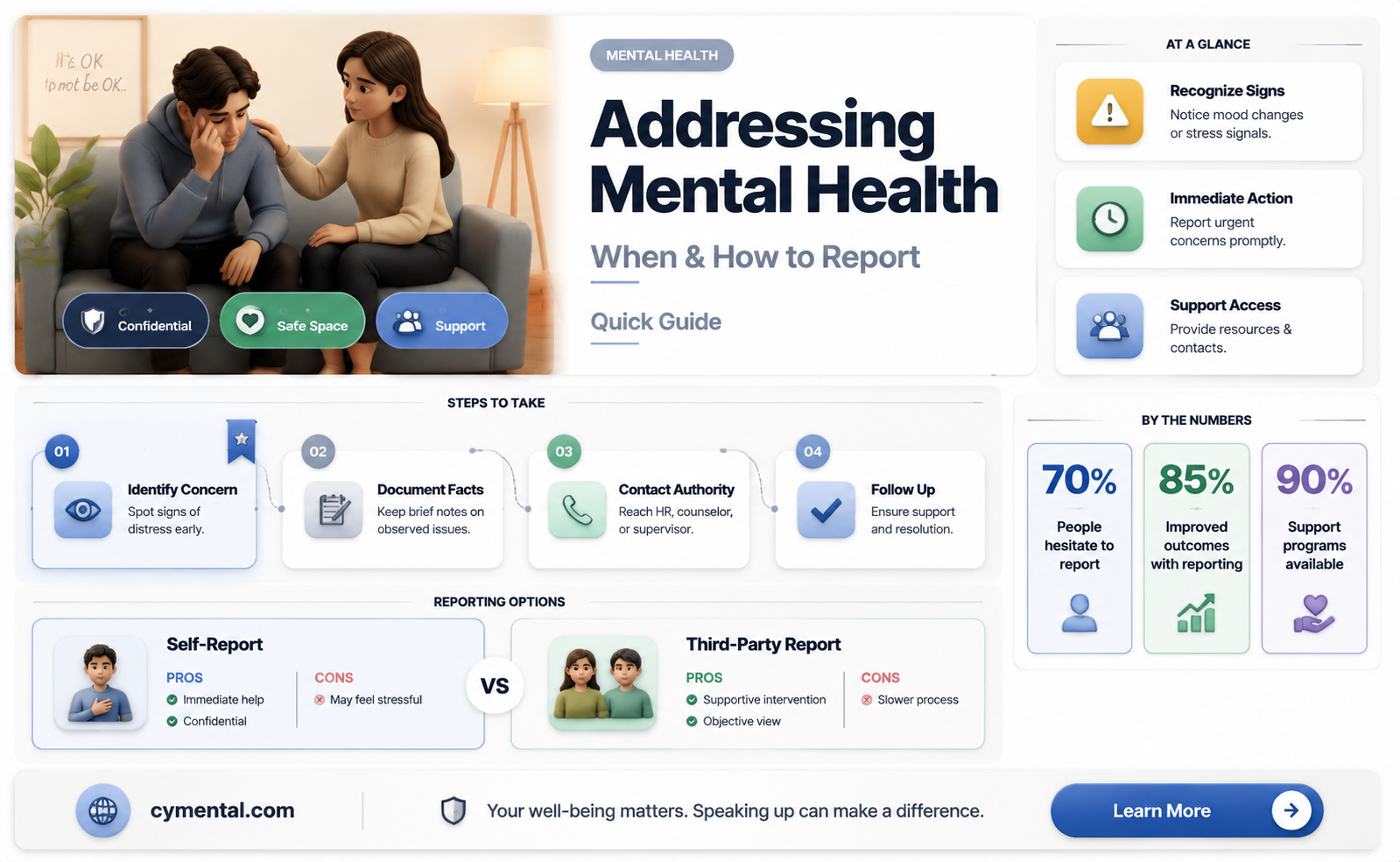
The question of whether you can report someone for mental health concerns is a complex and sensitive issue. It's important to approach this topic with empathy and understanding, recognizing that mental health struggles are often deeply personal and can be influenced by a multitude of factors. In many jurisdictions, there are specific protocols and guidelines in place for addressing mental health concerns, which may include reporting mechanisms for situations where an individual's mental health is deemed to be at risk. However, these processes are typically designed to support and assist the individual rather than to penalize or stigmatize them. It's crucial to consider the potential impact of reporting on the person's well-being and to seek out resources and support systems that can provide appropriate care and guidance.
Explore related products


What You'll Learn
- Recognizing Warning Signs: Identifying behaviors that may indicate a mental health crisis
- Appropriate Reporting Methods: Understanding the best ways to report concerns about someone's mental health
- Legal and Ethical Considerations: Navigating the legal and ethical aspects of reporting mental health issues
- Support Resources: Exploring available resources and support systems for individuals struggling with mental health
- Impact on Relationships: Considering how reporting mental health concerns can affect personal and professional relationships

Recognizing Warning Signs: Identifying behaviors that may indicate a mental health crisis
Recognizing warning signs is crucial in identifying behaviors that may indicate a mental health crisis. One key indicator is a sudden change in behavior or mood. This could manifest as a person becoming withdrawn, agitated, or displaying extreme mood swings. Such changes can be alarming and may signal an underlying mental health issue that requires attention.
Another important warning sign is a change in physical appearance or hygiene. A person who is experiencing a mental health crisis may neglect their personal care, leading to noticeable changes in their grooming habits. This could include unkempt hair, dirty clothes, or a general lack of interest in their appearance. These changes can be subtle but are often indicative of a deeper problem.
Additionally, a person in crisis may exhibit risky behaviors, such as substance abuse, reckless driving, or unsafe sexual practices. These behaviors can be a cry for help or a way to cope with overwhelming emotions. It is essential to recognize these signs and take appropriate action to support the individual.
In some cases, a person may express suicidal thoughts or feelings. This is a critical warning sign that requires immediate attention. It is important to take such statements seriously and encourage the person to seek professional help. Offering support and resources can make a significant difference in their journey towards recovery.
Recognizing these warning signs is not only crucial for the individual in crisis but also for their loved ones and the community at large. By being vigilant and proactive, we can help prevent mental health crises from escalating and provide the necessary support for those in need.
Understanding Judicial Authority: Mental Health Sentencing Explained
You may want to see also
Explore related products

$17 $8.99


Appropriate Reporting Methods: Understanding the best ways to report concerns about someone's mental health
If you suspect that someone is experiencing a mental health crisis, it's crucial to know how to report your concerns effectively. The first step is to approach the individual privately and express your worries in a non-judgmental and supportive manner. Listen actively to their response and validate their feelings. If they are receptive, encourage them to seek professional help and offer to assist them in finding appropriate resources.
However, if the person is not willing to engage in conversation or appears to be in immediate danger, it's essential to take more direct action. In many countries, you can contact emergency services or a local mental health crisis line to report your concerns. These services are equipped to handle such situations and can dispatch trained professionals to assess the individual's condition and provide necessary support.
When reporting concerns about someone's mental health, it's important to provide as much information as possible to the relevant authorities. This may include details about the individual's behavior, any statements they have made about self-harm or suicide, and any known history of mental health issues. Be prepared to answer questions about your relationship with the person and the context in which you observed the concerning behavior.
It's also crucial to be aware of the legal and ethical considerations surrounding mental health reporting. In some jurisdictions, there may be specific laws or protocols that govern how and when to report concerns about someone's mental health. Familiarize yourself with these guidelines to ensure that you are acting within the appropriate legal framework.
Finally, remember that reporting concerns about someone's mental health is not a substitute for providing ongoing support and encouragement. After making a report, continue to check in with the individual and offer your assistance as they navigate the mental health system. Your support can play a vital role in their recovery and well-being.
Understanding Mental Incompetency: A Guide to the Legal Process
You may want to see also
Explore related products


Legal and Ethical Considerations: Navigating the legal and ethical aspects of reporting mental health issues
Navigating the legal and ethical aspects of reporting mental health issues requires a delicate balance between ensuring individual safety and respecting personal autonomy. Mental health professionals, educators, and concerned citizens often find themselves in a quandary when they suspect someone may be struggling with a mental health condition. The decision to report such concerns can have significant legal and ethical implications.
From a legal standpoint, the duty to report varies by jurisdiction and the specific circumstances of the case. In some regions, mental health professionals are mandated reporters, meaning they are legally required to report suspected cases of mental illness to the appropriate authorities. However, the criteria for reporting and the process itself can be complex and nuanced. For example, in some cases, a person may be deemed a danger to themselves or others, triggering a legal obligation to intervene. In other situations, the individual's right to privacy and autonomy may take precedence, making reporting a more discretionary decision.
Ethically, the decision to report mental health concerns is equally complex. On one hand, there is a moral imperative to protect individuals from harm, especially when they may not be able to advocate for themselves. On the other hand, there is a risk of stigmatizing mental illness and eroding trust between mental health professionals and their clients. The American Psychological Association's ethical guidelines emphasize the importance of maintaining confidentiality and respecting clients' rights to self-determination, while also acknowledging the need to protect individuals from harm.
In practice, navigating these legal and ethical considerations often involves a careful assessment of the situation, consultation with colleagues and legal experts, and a thoughtful consideration of the potential consequences of reporting. Mental health professionals must also be aware of their own biases and assumptions, ensuring that their decisions are based on objective evidence rather than subjective judgments.
Ultimately, the decision to report mental health concerns is a deeply personal and professional one, requiring a nuanced understanding of the legal and ethical frameworks that govern such situations. By approaching these decisions with care and consideration, mental health professionals can help to ensure that individuals receive the support and care they need, while also respecting their rights and dignity.
Navigating the Complex Process of Declaring Mental Incompetence
You may want to see also
Explore related products


Support Resources: Exploring available resources and support systems for individuals struggling with mental health
Individuals struggling with mental health issues often require a multifaceted approach to recovery, involving various support resources and systems. One crucial aspect of this support network is the availability of mental health professionals, such as psychiatrists, psychologists, and therapists, who can provide diagnosis, treatment, and ongoing care. These professionals can be found through private practices, community mental health centers, or online platforms that offer virtual consultations.
In addition to professional help, peer support groups play a vital role in the mental health recovery process. These groups, often facilitated by trained volunteers or mental health professionals, provide a safe and supportive environment for individuals to share their experiences, receive encouragement, and learn coping strategies from others who have faced similar challenges. Peer support groups can be found through local mental health organizations, online forums, or social media platforms dedicated to mental health awareness and support.
Another important resource for individuals struggling with mental health issues is the availability of crisis hotlines and emergency services. These services provide immediate support and intervention for individuals experiencing acute mental health crises, such as suicidal thoughts or behaviors, self-harm, or psychotic episodes. Crisis hotlines are typically staffed by trained counselors or mental health professionals who can offer emotional support, crisis intervention, and referrals to local mental health services.
Furthermore, many communities offer mental health education and awareness programs, which aim to reduce stigma, increase understanding, and promote early intervention for mental health issues. These programs may include workshops, seminars, or online courses that cover topics such as mental health first aid, stress management, and resilience building. By increasing awareness and knowledge about mental health, these programs can empower individuals to seek help earlier and more effectively.
Lastly, it is essential to recognize the role of technology in providing mental health support and resources. Mobile apps, online platforms, and virtual reality programs are increasingly being developed to offer accessible and convenient mental health services. These digital tools can provide a range of support options, from meditation and mindfulness exercises to cognitive-behavioral therapy modules and virtual support groups. By leveraging technology, individuals can access mental health resources anytime, anywhere, which can be particularly beneficial for those in remote or underserved areas.
Navigating Love and Mental Health: Can You Marry Someone with Mental Illness?
You may want to see also
Explore related products


Impact on Relationships: Considering how reporting mental health concerns can affect personal and professional relationships
Reporting mental health concerns can have a profound impact on personal and professional relationships. In personal relationships, disclosing mental health issues can lead to increased empathy and support from loved ones. However, it may also result in feelings of guilt, shame, or inadequacy for the individual reporting the concerns. Loved ones may struggle to understand the severity of the mental health issues or may feel helpless in providing the necessary support.
In professional relationships, reporting mental health concerns can be more complex. On one hand, it can lead to accommodations and support from employers, such as modified work schedules or access to mental health resources. On the other hand, it may result in stigma, discrimination, or even termination of employment. Colleagues may view the individual as less capable or reliable, which can damage professional relationships and hinder career advancement.
When reporting mental health concerns, it is essential to consider the potential impact on relationships. Individuals should weigh the benefits of disclosure against the potential risks and choose a trusted person to confide in. In professional settings, it may be helpful to consult with a human resources representative or a mental health professional to understand the available resources and protections.
Ultimately, the decision to report mental health concerns is a personal one that should be made with careful consideration of the potential consequences. By understanding the impact on relationships, individuals can make informed decisions and seek the support they need while minimizing the risk of negative outcomes.
Navigating Disability Benefits for Mental Health Conditions: A Comprehensive Guide
You may want to see also
Frequently asked questions
Yes, if you believe someone is a danger to themselves or others due to their mental health, you can report them to local authorities or mental health services.
Provide as much information as possible, including the person's name, location, and specific behaviors or statements that indicate they may be a risk.
It depends on the policies of the local authorities or mental health services. In some cases, the person may be notified, while in others, the report may be kept confidential.
The local authorities or mental health services will assess the situation and determine the appropriate course of action. This may include an evaluation, counseling, or involuntary commitment if the person is deemed a significant risk.
Yes, in many cases, you can report someone anonymously by contacting local authorities or mental health services and providing the necessary information without revealing your identity.