Madison Cole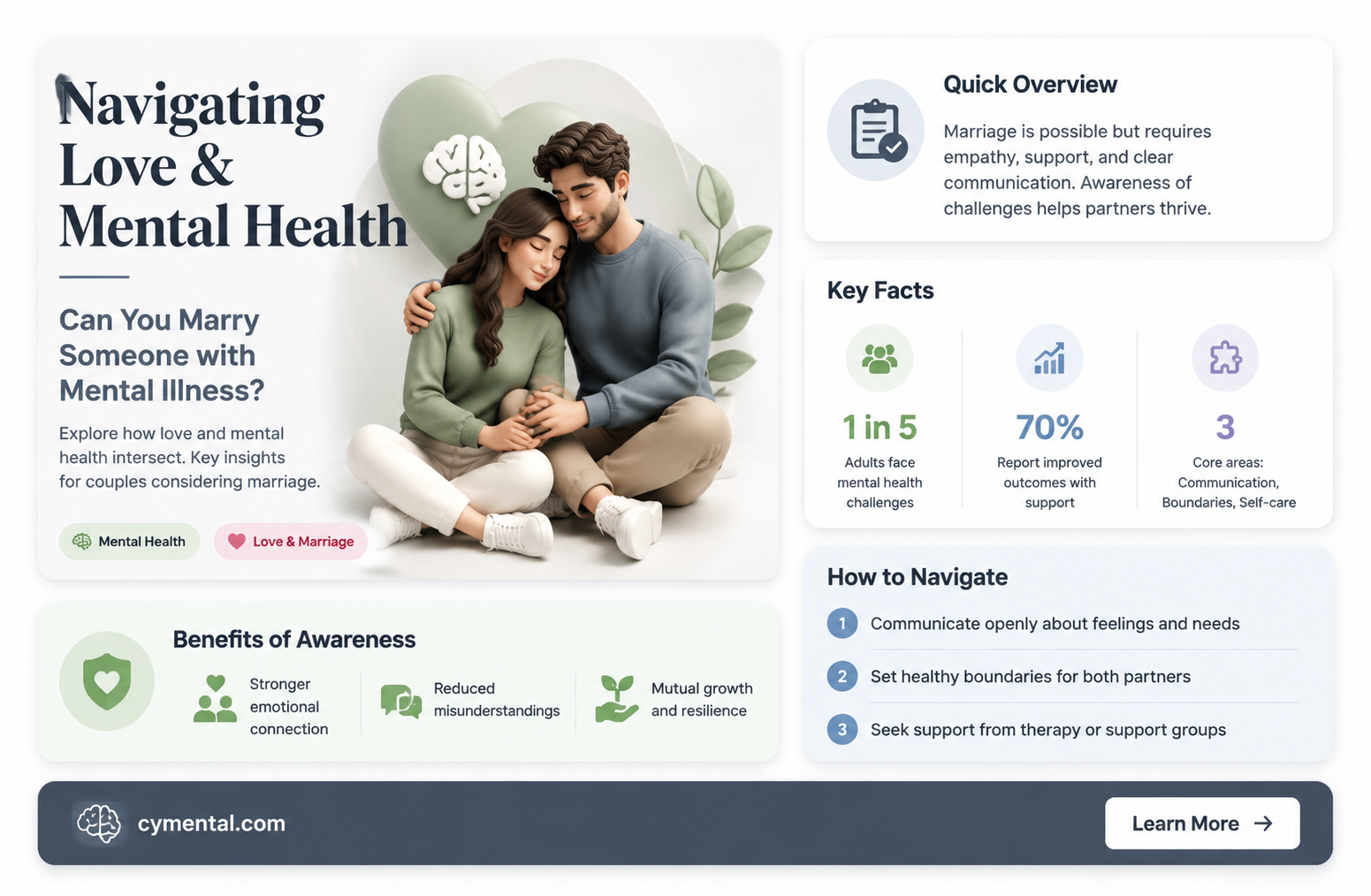
Marriage is a significant life decision that involves deep emotional commitment and understanding between partners. When one or both individuals have a mental illness, it adds a layer of complexity to the relationship. It's essential to approach this topic with sensitivity and awareness, recognizing that mental illness does not define a person's worth or their ability to love and be loved. Marrying someone with a mental illness requires open communication, empathy, and a willingness to support each other through challenges. It's crucial to understand the specific mental health conditions involved, their impact on daily life, and how they might affect the relationship. With the right support, resources, and mutual understanding, many couples with mental illness can build strong, fulfilling marriages. However, it's also important to acknowledge that every situation is unique, and what works for one couple may not work for another. Ultimately, the decision to marry should be based on love, respect, and a realistic assessment of the couple's ability to navigate the complexities of mental illness together.
| Characteristics | Values |
|---|---|
| Definition | Mental illness refers to a wide range of mental health conditions that affect a person's mood, thinking, and behavior. Marriage to someone with mental illness involves understanding, support, and sometimes navigating complex emotional and psychological landscapes. |
| Types of Mental Illness | Common types include depression, anxiety disorders, bipolar disorder, schizophrenia, and personality disorders. Each type has unique symptoms and challenges. |
| Impact on Marriage | The impact varies widely depending on the type and severity of the illness. It can include emotional strain, changes in communication, and shifts in roles and responsibilities within the marriage. |
| Support Systems | Effective support systems are crucial. This includes therapy, medication, support groups, and a strong network of friends and family. Spouses can play a significant role in providing emotional support and helping manage symptoms. |
| Communication | Open and honest communication is vital. Couples should discuss feelings, needs, and concerns regularly to maintain a healthy relationship. |
| Stigma | There is often a stigma associated with mental illness that can affect both the individual and their spouse. Educating oneself and others can help reduce this stigma. |
| Legal Considerations | In some cases, mental illness can impact legal aspects of marriage, such as prenuptial agreements or decisions regarding children. It's important to seek legal advice if needed. |
| Financial Implications | Mental illness can have financial implications, including medical bills, therapy costs, and potential loss of income. Couples should plan and manage finances together. |
| Emotional Resilience | Both spouses need to develop emotional resilience to cope with the challenges that mental illness can bring to a marriage. |
| Seeking Help | It's important for both the individual with mental illness and their spouse to seek professional help when needed. This can include couples therapy or individual counseling. |
| Building Trust | Trust is a key component of any marriage, but it can be particularly important when one spouse has a mental illness. Building and maintaining trust through honesty and reliability is crucial. |
| Celebrating Strengths | Despite the challenges, many couples find strength and growth in their relationship through shared experiences and mutual support. Celebrating these strengths can help foster a positive and resilient marriage. |
Explore related products

![When Someone You Love Has a Mental Illness [WHEN SOMEONE YOU LOVE HAS A ME]](https://m.media-amazon.com/images/I/412b+RMBsDL._AC_UY218_.jpg)


What You'll Learn
- Understanding Mental Illness: Educating oneself about the condition and its impact on relationships
- Communication and Support: Open dialogue and providing emotional support are crucial for a healthy relationship
- Treatment and Management: Encouraging professional help and adhering to treatment plans can improve outcomes
- Legal and Financial Considerations: Planning for potential legal and financial implications of marrying someone with mental illness
- Self-Care and Boundaries: Prioritizing one's own mental health and setting clear boundaries to maintain a balanced relationship

Understanding Mental Illness: Educating oneself about the condition and its impact on relationships
Educating oneself about mental illness is crucial when considering a long-term relationship with someone who has a mental health condition. This involves understanding the specific diagnosis, its symptoms, and how it may affect daily life and interactions. For instance, if a partner has depression, it’s important to recognize the signs of a depressive episode and know how to offer support without enabling harmful behaviors. Similarly, understanding the triggers and warning signs of a manic episode in bipolar disorder can help prevent misunderstandings and conflicts.
One effective way to educate oneself is through reading reputable sources and attending support groups or workshops focused on mental health. Engaging with professionals, such as therapists or psychiatrists, can also provide valuable insights tailored to the individual’s specific situation. Additionally, open communication with the partner about their experiences and needs is essential. This dialogue can help build empathy and trust, fostering a stronger relationship.
It’s also important to consider the impact of mental illness on relationships. Mental health conditions can sometimes lead to changes in behavior, mood swings, and difficulties with emotional regulation. These challenges can strain relationships if not managed proactively. Couples therapy can be beneficial in navigating these issues, providing a safe space to discuss concerns and develop strategies for coping.
Moreover, understanding the role of medication and treatment plans is vital. Knowing how medications work, their potential side effects, and the importance of adherence to treatment can significantly influence the relationship dynamics. Supporting a partner in maintaining their treatment regimen can be a practical way to show care and commitment.
Lastly, it’s crucial to recognize the signs of caregiver burnout. Supporting a partner with mental illness can be emotionally and physically taxing. Ensuring self-care and seeking support when needed is essential to maintain a healthy relationship. This might involve setting boundaries, practicing stress management techniques, and seeking respite care when necessary.
In conclusion, educating oneself about mental illness and its impact on relationships is a multifaceted process that involves continuous learning, open communication, and proactive support. By understanding the complexities of mental health conditions and their effects on daily life, individuals can foster more empathetic, supportive, and resilient relationships.
Navigating Mental Health and Military Service: A Complex Intersection
You may want to see also
Communication and Support: Open dialogue and providing emotional support are crucial for a healthy relationship
Effective communication is the cornerstone of any healthy relationship, but it becomes even more critical when one or both partners are dealing with mental illness. Open dialogue allows for the expression of feelings, concerns, and needs, which can help prevent misunderstandings and conflicts. It’s essential to create a safe space where both partners feel comfortable sharing their thoughts and emotions without fear of judgment or rejection.
Providing emotional support is equally important. This can involve active listening, offering words of encouragement, and being present during difficult times. Emotional support can help alleviate the symptoms of mental illness by reducing feelings of isolation and increasing a sense of security and stability. It’s also important to be patient and understanding, as mental health issues can be complex and recovery may take time.
In addition to emotional support, practical support can also be beneficial. This might include helping with daily tasks, managing medications, or accompanying the person to therapy appointments. By sharing responsibilities and providing assistance where needed, you can help reduce stress and improve overall well-being.
However, it’s crucial to remember that you cannot be the sole source of support for your partner. Encouraging them to seek professional help and build a support network outside of the relationship is essential. This can include therapists, support groups, and other mental health resources. By fostering a culture of openness and support, you can help create a strong foundation for your relationship and improve the chances of long-term success.
Ultimately, the key to a healthy relationship with someone who has a mental illness is to approach the situation with empathy, understanding, and a willingness to learn and grow together. By prioritizing communication and support, you can navigate the challenges of mental illness and build a strong, resilient partnership.
Unveiling the Truth: Can Mental Illness Be Fabricated?
You may want to see also
Treatment and Management: Encouraging professional help and adhering to treatment plans can improve outcomes
Seeking professional help is a crucial step in managing mental illness, and it can significantly improve outcomes for individuals and their relationships. When considering marrying someone with a mental illness, it's essential to understand the importance of treatment and management. Encouraging your partner to seek professional help and supporting them in adhering to their treatment plan can make a substantial difference in their well-being and the success of your relationship.
One unique angle to consider is the role of technology in treatment and management. Telehealth services, mobile apps, and online support groups can provide accessible and convenient resources for individuals with mental illness. These tools can help bridge gaps in care, especially for those in rural or underserved areas. As a partner, you can support your loved one in exploring and utilizing these technological resources to supplement their traditional treatment plan.
Another important aspect is the need for a collaborative approach to treatment. It's essential to work together with your partner and their healthcare providers to develop a comprehensive treatment plan that addresses their specific needs. This plan should include a combination of medication, therapy, and lifestyle changes, as well as strategies for managing stress and triggers. By taking an active role in the treatment process, you can help ensure that your partner receives the best possible care and support.
In addition to professional help, it's crucial to prioritize self-care and support for yourself as well. Caring for someone with a mental illness can be emotionally and physically draining, and it's essential to maintain your own well-being to provide effective support. This may include seeking counseling or therapy, engaging in stress-reducing activities, and building a support network of friends and family.
Finally, it's important to recognize that treatment and management are ongoing processes. Mental illness is often chronic, and it requires continuous care and attention. As a partner, you need to be prepared to provide long-term support and understanding, even during challenging times. By committing to this journey together, you can help your partner achieve better outcomes and build a strong, resilient relationship.
Understanding Mental Incompetency: A Guide to the Legal Process
You may want to see also
Legal and Financial Considerations: Planning for potential legal and financial implications of marrying someone with mental illness
Marrying someone with a mental illness can have significant legal and financial implications that need careful consideration and planning. One crucial aspect is understanding the potential impact on your spouse's mental health treatment and benefits. For instance, if your spouse is receiving government-funded mental health services, getting married could affect their eligibility or the level of support they receive. It's essential to consult with a legal professional who specializes in mental health law to understand how marriage might influence these benefits.
Another important consideration is the possibility of needing to make medical decisions on behalf of your spouse if they become unable to do so themselves. This could involve understanding their treatment plan, medication regimen, and any advance directives they may have in place. It's also vital to discuss these matters openly with your spouse and their healthcare providers to ensure that you are fully informed and prepared to make decisions that align with their wishes.
Financial planning is also a key component when marrying someone with a mental illness. This may include setting up a budget that accounts for potential medical expenses, therapy costs, and any other financial needs related to your spouse's condition. It's important to have a clear understanding of your spouse's financial situation, including any debts or assets they may have, and to discuss how these will be managed within the marriage.
Additionally, you may need to consider the impact of your spouse's mental illness on your own financial stability. For example, if your spouse's condition affects their ability to work, you may need to adjust your own career plans or financial expectations accordingly. It's also important to have a plan in place for managing finances if your spouse's condition worsens or if they require more intensive care.
In conclusion, marrying someone with a mental illness requires careful legal and financial planning to ensure that both partners are protected and supported. By consulting with legal and financial professionals, discussing these matters openly with your spouse and their healthcare providers, and creating a comprehensive plan that addresses potential challenges, you can help to secure a stable and fulfilling future together.
Understanding Mental Incompetence: A Guide to Legal Declarations
You may want to see also
Self-Care and Boundaries: Prioritizing one's own mental health and setting clear boundaries to maintain a balanced relationship
Maintaining a balanced relationship when one partner has a mental illness requires a deep understanding of self-care and the ability to set clear boundaries. This is not about being selfish or distant; rather, it's about ensuring that both partners can thrive within the relationship. Here are some practical steps to prioritize your own mental health while supporting your partner:
- Educate Yourself: Learn about your partner's mental illness, including its symptoms, triggers, and treatment options. This knowledge will help you better understand what your partner is going through and how you can support them effectively.
- Communicate Openly: Encourage honest and open communication about both partners' needs, feelings, and limitations. This can help prevent misunderstandings and ensure that both partners feel heard and supported.
- Set Clear Boundaries: Establish clear boundaries regarding what you can and cannot handle in the relationship. This might include setting limits on how often you can provide emotional support or specifying times when you need to focus on your own self-care.
- Practice Self-Care: Make time for your own mental health by engaging in activities that bring you joy and relaxation. This could include exercise, meditation, hobbies, or spending time with friends and family.
- Seek Support: Don't hesitate to seek support from a therapist or support group. A mental health professional can provide guidance on how to navigate the challenges of supporting a partner with a mental illness while also maintaining your own well-being.
- Be Patient and Understanding: Recognize that recovery from mental illness is a journey, and there will be ups and downs. Be patient with your partner and understand that their needs may change over time.
By prioritizing self-care and setting clear boundaries, you can maintain a balanced and healthy relationship while supporting your partner through their mental health challenges. Remember, taking care of yourself is not a sign of weakness; it's a necessary step in ensuring that both partners can lead fulfilling lives together.
Navigating Employment with Mental Health: Challenges and Triumphs
You may want to see also
Frequently asked questions
Yes, you can marry someone with mental illness. Mental illness does not inherently disqualify someone from marriage. However, it's important to consider the specific circumstances and how the illness might impact the relationship.
Before marrying someone with mental illness, consider the following:
- The nature and severity of the illness
- How the illness affects their daily life and ability to function
- Their treatment plan and prognosis
- Your own emotional and mental well-being
- The potential impact on your future together, including family planning
Supporting a partner with mental illness involves:
- Educating yourself about their condition
- Encouraging them to seek and maintain treatment
- Offering emotional support and understanding
- Helping them manage stress and triggers
- Being patient and flexible when symptoms arise
Legal considerations may vary by jurisdiction, but generally:
- A person with mental illness has the right to marry unless they are deemed legally incompetent.
- If incompetency is a concern, a court may require a guardian or conservator to oversee the marriage.
- Prenuptial agreements can be used to outline responsibilities and expectations in the event of incapacity.
It's crucial to approach these conversations with sensitivity and respect for the individual's autonomy and dignity.