Ava Ramirez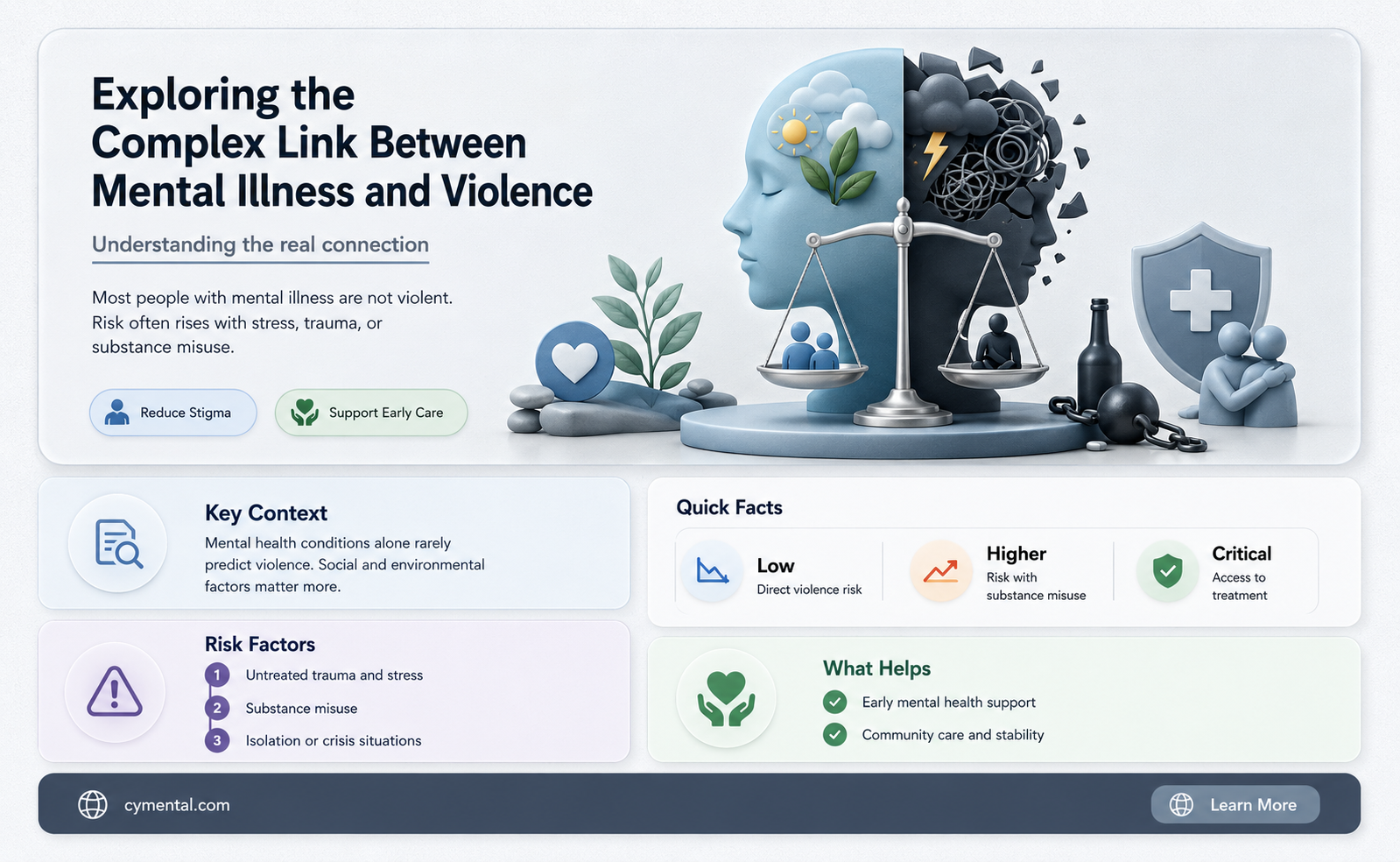
The question of whether one must be mentally ill to commit a violent act like murder is a complex and contentious issue. It delves into the realms of psychology, criminology, and ethics, challenging our understanding of human behavior and responsibility. While some argue that only those with severe mental health issues could perpetrate such heinous crimes, others contend that factors like societal influence, personal circumstances, and even banal motivations can lead individuals to commit acts of violence without necessarily being mentally ill. This discussion forces us to confront uncomfortable truths about human nature and the multifaceted reasons behind violent behavior.
What You'll Learn
- Nature vs. Nurture: Exploring whether genetic predispositions or environmental factors contribute more to violent behavior
- Psychological Profiling: Analyzing common traits among individuals who commit violent acts to understand potential warning signs
- Mental Illness Stigma: Discussing how societal perceptions of mental illness can influence the understanding of violent crimes
- Legal Implications: Examining how mental health status can impact legal outcomes for those accused of violent offenses
- Preventive Measures: Investigating strategies for early intervention and support to prevent potential violent behavior

Nature vs. Nurture: Exploring whether genetic predispositions or environmental factors contribute more to violent behavior
The debate between nature and nurture has long been a contentious issue in the field of psychology, particularly when it comes to understanding the roots of violent behavior. While some argue that genetic predispositions play a significant role in shaping an individual's propensity for violence, others contend that environmental factors, such as upbringing and societal influences, are more influential. This dichotomy is further complicated when considering the question of whether mental illness is a prerequisite for committing acts of violence.
Recent studies have suggested that the interplay between genetic and environmental factors is more complex than previously thought. For instance, research has shown that certain genetic markers may increase the risk of violent behavior, but only in the presence of specific environmental stressors, such as childhood trauma or exposure to violence. This interactionist perspective challenges the simplistic notion that either nature or nurture is solely responsible for violent tendencies.
Moreover, the notion that mental illness is a necessary condition for violence is not supported by the evidence. While some mental health conditions, such as antisocial personality disorder, have been linked to an increased risk of violent behavior, the majority of individuals with mental illnesses do not engage in violence. In fact, people with mental illnesses are more likely to be victims of violence than perpetrators. This highlights the importance of avoiding stigmatization and promoting a nuanced understanding of the relationship between mental health and violence.
In conclusion, the nature vs. nurture debate, as it pertains to violent behavior, is a multifaceted issue that cannot be reduced to a simple either/or proposition. Both genetic and environmental factors play a role, and their interaction is likely to be influenced by a range of individual and contextual variables. Furthermore, the question of whether mental illness is a prerequisite for violence is a misguided one, as the evidence suggests that mental health conditions are neither necessary nor sufficient for violent behavior.
Breaking Free: Strategies to Confront Mental Torture and Reclaim Your Peace
You may want to see also
Psychological Profiling: Analyzing common traits among individuals who commit violent acts to understand potential warning signs
Psychological profiling is a method used by law enforcement and forensic psychologists to analyze common traits among individuals who commit violent acts. The goal is to identify potential warning signs that may indicate a person is at risk of engaging in violent behavior. This approach is based on the assumption that certain psychological characteristics or patterns of behavior are more prevalent among violent offenders.
One common trait among individuals who commit violent acts is a history of antisocial behavior. This may include a pattern of lying, cheating, or stealing, as well as a lack of empathy or remorse for their actions. Violent offenders may also have a history of substance abuse, which can contribute to impulsive and aggressive behavior.
Another important factor to consider is the presence of any mental health disorders. While not all individuals with mental health issues are violent, certain conditions such as schizophrenia, bipolar disorder, or borderline personality disorder can increase the risk of violent behavior. It is important to note, however, that the majority of people with mental health issues are not violent and should not be stigmatized.
In addition to these factors, psychological profiling may also consider an individual's social and environmental circumstances. For example, a history of abuse or neglect, exposure to violence in the home or community, and a lack of social support can all contribute to an increased risk of violent behavior.
By analyzing these common traits and warning signs, psychological profiling can help law enforcement and mental health professionals identify individuals who may be at risk of committing violent acts. This information can then be used to develop targeted interventions and prevention strategies, with the goal of reducing the incidence of violence in society.
Understanding Mental Health Inpatient Care Duration
You may want to see also
Mental Illness Stigma: Discussing how societal perceptions of mental illness can influence the understanding of violent crimes
Societal perceptions of mental illness play a significant role in shaping our understanding of violent crimes. The stigma surrounding mental health issues often leads to a skewed narrative, where individuals with mental illnesses are unfairly blamed for acts of violence. This misconception not only perpetuates harmful stereotypes but also distracts from the complex interplay of factors that contribute to violent behavior.
One of the primary ways in which mental illness stigma influences our understanding of violent crimes is through the media's portrayal of perpetrators. Sensationalized news stories and fictional depictions often paint individuals with mental illnesses as inherently dangerous, reinforcing the notion that mental health issues are a direct cause of violence. This oversimplification ignores the vast majority of people with mental illnesses who are not violent and the many other factors that can contribute to violent behavior, such as socioeconomic status, substance abuse, and environmental influences.
Furthermore, the stigma surrounding mental illness can lead to a lack of empathy and understanding for those who do commit violent crimes. By dismissing these individuals as simply "crazy" or "insane," society fails to acknowledge the underlying issues that may have contributed to their actions. This lack of empathy can hinder efforts to address the root causes of violence and prevent future incidents.
To combat the harmful effects of mental illness stigma, it is essential to promote a more nuanced understanding of the relationship between mental health and violence. This includes recognizing that mental illnesses are complex conditions that do not inherently predispose individuals to violent behavior. Additionally, efforts should be made to address the broader societal factors that contribute to violence, such as poverty, inequality, and access to mental health care.
In conclusion, the stigma surrounding mental illness significantly impacts our understanding of violent crimes, leading to harmful stereotypes and oversimplifications. By promoting a more nuanced and empathetic perspective, we can work towards a more accurate understanding of the complex factors that contribute to violence and develop more effective strategies for prevention and intervention.
Navigating Mental Health Commitments: A Compassionate Guide for Families
You may want to see also
Legal Implications: Examining how mental health status can impact legal outcomes for those accused of violent offenses
The legal system often grapples with cases where defendants are accused of violent crimes, and their mental health status becomes a critical factor in determining their culpability and sentencing. In many jurisdictions, the insanity defense is a legal strategy used by defendants to argue that they were not mentally capable of understanding the nature of their actions or distinguishing right from wrong at the time of the offense. This defense can significantly impact legal outcomes, potentially leading to acquittals or reduced sentences if successful.
One of the key challenges in these cases is establishing a clear link between the defendant's mental health condition and their actions. Psychiatric evaluations and expert testimony play a crucial role in this process, as they provide insights into the defendant's state of mind and ability to comprehend their behavior. However, the subjective nature of mental health assessments and the varying standards for evaluating insanity across different jurisdictions can lead to inconsistencies and controversies in legal decisions.
Moreover, the use of the insanity defense raises ethical and societal questions about the treatment of individuals with mental illnesses within the criminal justice system. While some argue that it is a necessary safeguard to prevent the unjust punishment of those who are genuinely unable to control their actions, others contend that it can be exploited by defendants seeking to avoid accountability for their crimes. This debate underscores the need for a nuanced and evidence-based approach to addressing mental health issues in legal contexts.
In recent years, there has been a growing recognition of the importance of addressing mental health concerns within the criminal justice system. Many jurisdictions have implemented specialized courts and programs aimed at diverting individuals with mental illnesses away from traditional criminal proceedings and into treatment and support services. These initiatives reflect a shift towards a more compassionate and rehabilitative approach to dealing with mentally ill offenders, emphasizing the need for early intervention and ongoing support rather than solely punitive measures.
Ultimately, the intersection of mental health and the law is a complex and multifaceted issue that requires careful consideration of legal, ethical, and societal factors. By examining how mental health status can impact legal outcomes for those accused of violent offenses, we can gain a deeper understanding of the challenges and opportunities within the criminal justice system to address the needs of individuals with mental illnesses while also ensuring public safety and accountability.
Mental Health and Gun Ownership: Navigating the Complex Debate
You may want to see also
Preventive Measures: Investigating strategies for early intervention and support to prevent potential violent behavior
Effective preventive measures are crucial in addressing potential violent behavior before it escalates into harmful actions. One key strategy involves early intervention through mental health screenings and assessments. By identifying individuals at risk, professionals can provide targeted support and resources to mitigate the likelihood of violent acts.
Another important approach is to foster a supportive community environment. This can be achieved through initiatives that promote social inclusion, reduce stigma around mental health issues, and encourage open communication. By creating a sense of belonging and connectedness, individuals are more likely to seek help and support when needed.
Educational programs also play a vital role in preventing violent behavior. These programs can focus on teaching conflict resolution skills, emotional regulation techniques, and promoting empathy and understanding. By equipping individuals with these tools, they are better prepared to navigate challenging situations without resorting to violence.
Additionally, addressing underlying risk factors such as substance abuse, poverty, and exposure to trauma is essential. By providing resources and support to address these issues, the likelihood of violent behavior can be significantly reduced.
It is important to note that preventive measures should be tailored to the specific needs of the individual and the community. A one-size-fits-all approach is unlikely to be effective. Instead, a comprehensive and multifaceted strategy is necessary to address the complex factors that contribute to violent behavior.
In conclusion, preventive measures are a critical component in addressing potential violent behavior. By focusing on early intervention, community support, education, and addressing underlying risk factors, we can work towards creating a safer and more supportive environment for all individuals.
Unraveling Mental Stability: A Guide for Legal Proceedings
You may want to see also
Frequently asked questions
No, mental illness is not a prerequisite for committing murder. While some individuals who commit violent acts may have mental health issues, many others do not. Various factors such as anger, fear, jealousy, or even ideological beliefs can motivate individuals to commit acts of violence without the presence of a mental illness.
Mental illness can sometimes contribute to violent behavior, but it is not the sole cause. Research suggests that individuals with certain mental health conditions, such as psychosis or antisocial personality disorder, may have an increased risk of committing violent acts. However, it is essential to note that the vast majority of people with mental illnesses are not violent, and many violent crimes are committed by individuals without any diagnosable mental health issues.
Addressing the issue of violence and mental health requires a multifaceted approach. Improving access to mental health care, promoting early intervention and treatment, and reducing the stigma associated with mental illness can help prevent some acts of violence. Additionally, implementing evidence-based prevention programs, enhancing community support systems, and addressing socioeconomic factors that contribute to violence can also play a crucial role in reducing the incidence of violent crimes.