Harper Lewis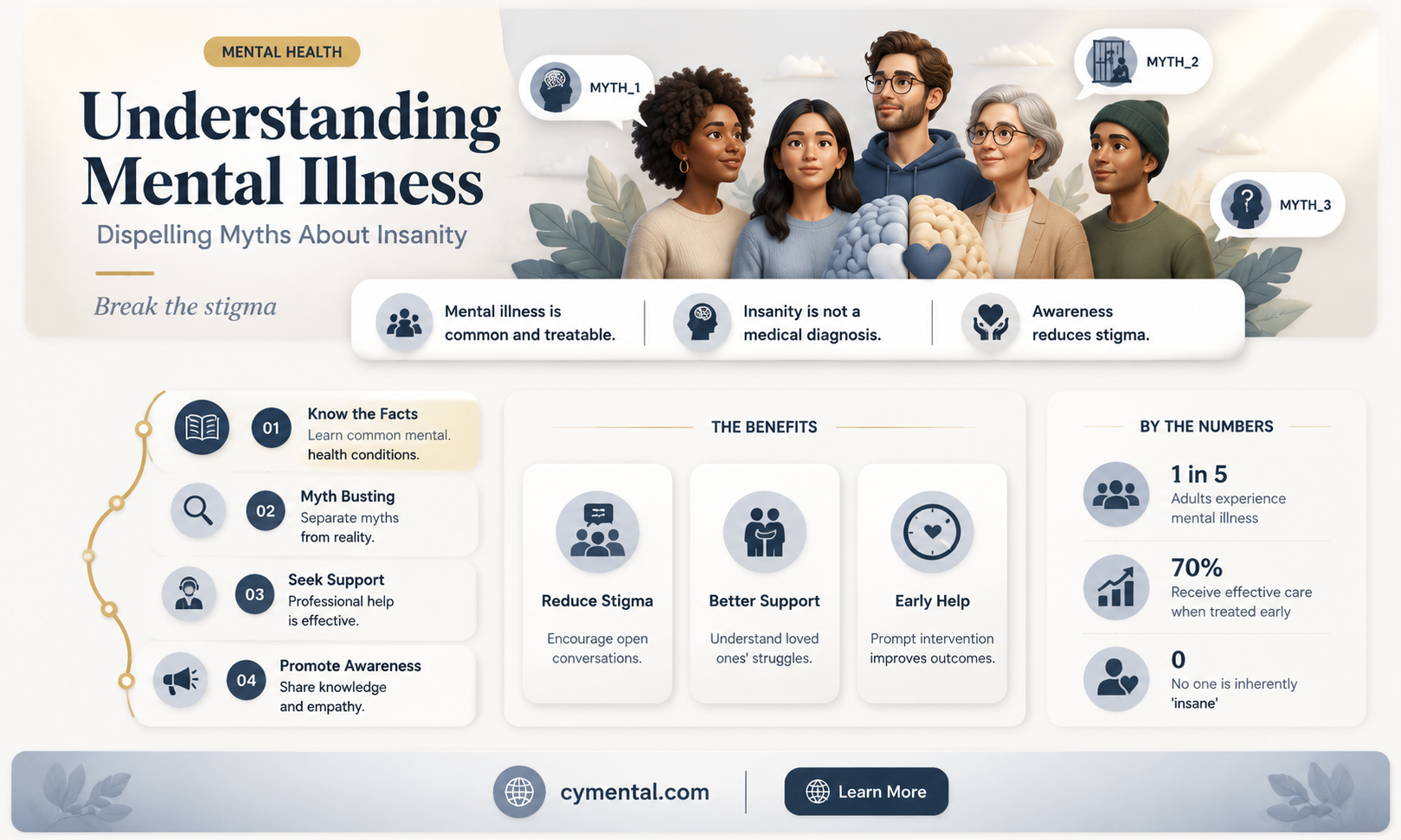
Mental illness is a complex and multifaceted issue that affects millions of people worldwide. It encompasses a wide range of conditions, including depression, anxiety, schizophrenia, and bipolar disorder, among others. While mental illness can significantly impact a person's thoughts, emotions, and behaviors, it does not inherently make someone insane. The term insanity is often stigmatizing and oversimplifies the diverse experiences of individuals with mental health challenges. Instead, it's crucial to approach mental illness with empathy, understanding, and a commitment to providing appropriate support and treatment. By fostering a more compassionate and informed dialogue, we can work towards reducing the stigma surrounding mental health and promoting a more inclusive and supportive society for all.
Explore related products


What You'll Learn
- Defining Mental Illness: Understanding the spectrum of mental health conditions and their impact on daily life
- Stigma and Misconceptions: Addressing common myths and the societal stigma surrounding mental illness
- Treatment and Management: Exploring various therapeutic approaches and strategies for managing mental health conditions
- Impact on Relationships: Discussing how mental illness can affect interpersonal relationships and social interactions
- Recovery and Resilience: Highlighting stories of recovery and the importance of resilience in mental health journeys

Defining Mental Illness: Understanding the spectrum of mental health conditions and their impact on daily life
Mental illness encompasses a broad spectrum of conditions that affect an individual's thinking, feeling, and behavior. These conditions can range from mild to severe and can impact daily life in various ways. Understanding the different types of mental illnesses and their symptoms is crucial in addressing the stigma surrounding mental health and providing appropriate support to those affected.
One common misconception is that mental illness equates to insanity. However, this is far from the truth. Mental illness is a medical condition that can be treated with therapy, medication, and other interventions. Insanity, on the other hand, is a legal term used to describe a person who is unable to understand the consequences of their actions due to a mental disorder. It is important to differentiate between the two to avoid perpetuating harmful stereotypes and to ensure that individuals with mental illnesses receive the help they need.
The spectrum of mental health conditions includes anxiety disorders, mood disorders, personality disorders, psychotic disorders, and many others. Each condition has its own set of symptoms and can affect daily life in different ways. For example, anxiety disorders can cause excessive worry and fear, while mood disorders can lead to persistent feelings of sadness or mania. Personality disorders can affect an individual's relationships and social interactions, and psychotic disorders can cause hallucinations and delusions.
It is also important to recognize that mental illness can affect anyone, regardless of age, gender, or socioeconomic status. Factors such as genetics, environment, and life experiences can contribute to the development of mental health conditions. By understanding these factors, we can better support individuals who are struggling with mental illness and work towards preventing the onset of these conditions.
In conclusion, mental illness is a complex and multifaceted issue that requires a nuanced understanding. By recognizing the spectrum of mental health conditions and their impact on daily life, we can work towards reducing stigma, providing appropriate support, and promoting overall mental wellbeing.
Legal Guide: Establishing Mental Incompetence in a Loved One
You may want to see also
Explore related products


Stigma and Misconceptions: Addressing common myths and the societal stigma surrounding mental illness
Mental illness is often shrouded in stigma and misconceptions, leading to a pervasive societal myth that equates mental illness with insanity. This harmful stereotype not only perpetuates discrimination but also discourages individuals from seeking necessary help. It's crucial to dismantle these myths and foster a more compassionate and informed understanding of mental health.
One common misconception is that mental illness is a sign of weakness or a lack of willpower. This myth is particularly damaging as it implies that individuals can simply 'snap out of it' or overcome their conditions through sheer determination. In reality, mental illnesses are complex conditions that often require professional treatment and support. Another prevalent myth is that people with mental illnesses are violent or dangerous. This stereotype is not only inaccurate but also contributes to the marginalization and fear of those struggling with mental health issues.
The stigma surrounding mental illness also manifests in the workplace and educational settings. Employers and educators may view mental health issues as a liability, leading to discrimination in hiring, promotion, and academic opportunities. This discrimination can exacerbate the symptoms of mental illness and hinder an individual's ability to lead a fulfilling life.
To combat these stigmas and misconceptions, it's essential to promote mental health literacy and awareness. This includes educating the public about the realities of mental illness, the importance of seeking help, and the availability of effective treatments. Additionally, sharing personal stories and experiences can help humanize mental illness and reduce the sense of shame and isolation that often accompanies it.
In conclusion, addressing the stigma and misconceptions surrounding mental illness is a critical step in creating a more supportive and inclusive society. By challenging these myths and promoting a better understanding of mental health, we can encourage more individuals to seek help and lead healthier, more fulfilling lives.
Empowering Civic Participation: Mental Disability and the Right to Vote
You may want to see also
Explore related products


$13.69 $8.99


Treatment and Management: Exploring various therapeutic approaches and strategies for managing mental health conditions
Cognitive-behavioral therapy (CBT) is a widely recognized therapeutic approach for managing mental health conditions. It focuses on identifying and challenging negative thought patterns and behaviors, replacing them with more constructive ones. CBT is often used to treat anxiety disorders, depression, and post-traumatic stress disorder (PTSD). A typical CBT session involves setting specific goals, examining thought patterns, and practicing new coping strategies. This approach is goal-oriented and typically involves weekly sessions over several months.
Medication can also play a crucial role in managing mental health conditions. Antidepressants, such as selective serotonin reuptake inhibitors (SSRIs), are commonly prescribed for depression and anxiety disorders. These medications work by increasing the levels of serotonin in the brain, which can help improve mood and reduce anxiety. It's important to note that medication should be used in conjunction with therapy and under the guidance of a healthcare professional, as it can have side effects and may not be suitable for everyone.
In addition to CBT and medication, lifestyle changes can also be beneficial in managing mental health conditions. Regular exercise, a balanced diet, and adequate sleep are essential for maintaining overall well-being. Mindfulness practices, such as meditation and yoga, can also help reduce stress and improve mental clarity. These lifestyle changes can be incorporated into daily routines and can complement other treatment approaches.
For more severe mental health conditions, inpatient treatment may be necessary. This involves staying in a hospital or residential facility for a period of time to receive intensive therapy and support. Inpatient treatment can provide a safe and structured environment for individuals to focus on their recovery. It may include a combination of individual therapy, group therapy, and medication management.
It's important to recognize that each individual's journey with mental health is unique, and what works for one person may not work for another. A comprehensive treatment plan should be tailored to the individual's specific needs and circumstances. This may involve a combination of different therapeutic approaches, medications, and lifestyle changes. Seeking professional help and working closely with a healthcare provider can help individuals find the most effective treatment and management strategies for their mental health conditions.
Navigating Mental Health Commitments: A Compassionate Guide for Families
You may want to see also
Impact on Relationships: Discussing how mental illness can affect interpersonal relationships and social interactions
Mental illness can significantly impact interpersonal relationships and social interactions, often creating a ripple effect that touches not only the individual but also their loved ones and broader social circles. One of the primary ways mental illness affects relationships is through changes in communication patterns. For instance, individuals experiencing depression may withdraw from social engagements, leading to feelings of isolation and misunderstanding among friends and family. Similarly, those with anxiety disorders might exhibit heightened sensitivity to social cues, potentially resulting in misinterpretations and conflicts.
Another critical aspect is the emotional toll mental illness can take on both the affected individual and their support network. Caregivers and loved ones may experience burnout, frustration, and helplessness as they navigate the complexities of supporting someone with a mental health condition. This emotional strain can lead to strained relationships, highlighting the importance of seeking professional help and support groups to manage these challenges effectively.
Moreover, mental illness can alter the dynamics of relationships by introducing new roles and expectations. For example, a partner may take on more responsibilities to compensate for their loved one's struggles, leading to an imbalance in the relationship. This shift can create resentment and further exacerbate the emotional distance between partners. It underscores the need for couples therapy and other forms of counseling to address these changes and foster healthier relationship dynamics.
In the context of broader social interactions, mental illness can also lead to stigma and discrimination, which can severely limit an individual's social opportunities and sense of belonging. This societal stigma can manifest in various ways, from social exclusion to negative attitudes and stereotypes, further isolating individuals with mental health conditions. Combating this stigma requires education, awareness campaigns, and efforts to promote inclusivity and understanding within communities.
Ultimately, the impact of mental illness on relationships and social interactions is multifaceted, requiring a comprehensive approach that addresses both the individual's needs and the broader social context. By fostering open communication, seeking professional support, and working to reduce stigma, it is possible to mitigate the negative effects of mental illness on interpersonal relationships and promote more supportive and inclusive social environments.
Navigating Love and Mental Health: Can You Marry Someone with Mental Illness?
You may want to see also
Recovery and Resilience: Highlighting stories of recovery and the importance of resilience in mental health journeys
Amidst the complex landscape of mental health, stories of recovery and resilience stand out as beacons of hope. These narratives not only challenge the stigma surrounding mental illness but also underscore the human capacity to overcome even the most daunting challenges. By sharing these stories, we can inspire others to seek help, persevere through their struggles, and ultimately find a path to healing.
One such story is that of Sarah, a young woman who battled severe depression for years. Despite feeling overwhelmed and hopeless, Sarah refused to give up. She sought professional help, engaged in therapy, and gradually began to rebuild her life. Today, Sarah is a mental health advocate, using her experiences to help others navigate their own journeys. Her story is a testament to the power of resilience and the importance of seeking support.
Resilience is not merely about enduring hardship; it is about learning from it and growing stronger as a result. In the context of mental health, resilience involves developing coping mechanisms, fostering a support network, and cultivating a positive mindset. By building resilience, individuals can better navigate the challenges posed by mental illness and work towards recovery.
Moreover, highlighting stories of recovery can help to humanize mental illness, reminding us that those affected are not defined by their conditions. These stories also serve as a reminder that recovery is possible, even in the face of seemingly insurmountable obstacles. By celebrating these successes, we can encourage others to seek treatment and support, fostering a culture of hope and healing.
In conclusion, the importance of resilience in mental health journeys cannot be overstated. By sharing stories of recovery and emphasizing the role of resilience, we can inspire hope, challenge stigma, and promote a more compassionate understanding of mental illness. Through these efforts, we can help individuals to not only survive but thrive, even in the face of adversity.
Legal Recourse for Mental Harassment: Understanding Your Rights and Options
You may want to see also
Frequently asked questions
Mental illness does not inherently make someone insane. Mental illnesses are health conditions that affect a person's thinking, feeling, mood, or behavior. They can range from mild to severe and can impact daily functioning. However, the term "insane" is often stigmatizing and not a clinical term used in mental health. It's important to approach mental illness with understanding and compassion, recognizing that individuals with mental health conditions are not defined by their illness and can lead fulfilling lives with appropriate treatment and support.
Some common types of mental illnesses include depression, anxiety disorders, bipolar disorder, schizophrenia, obsessive-compulsive disorder (OCD), post-traumatic stress disorder (PTSD), and attention deficit hyperactivity disorder (ADHD). Each of these conditions has its own set of symptoms and treatment approaches.
Mental illness can affect a person's daily life in various ways, depending on the type and severity of the condition. It can impact their ability to work or attend school, maintain relationships, take care of their physical health, and perform daily tasks. Symptoms such as persistent sadness, anxiety, or delusions can make it challenging for individuals to function normally. However, with proper treatment and support, many people with mental illnesses can manage their symptoms and lead productive lives.
Effective treatments for mental illness often include a combination of medication and psychotherapy. Medications such as antidepressants, anti-anxiety drugs, and antipsychotics can help manage symptoms. Psychotherapy, or talk therapy, involves working with a mental health professional to address underlying issues, develop coping strategies, and improve communication skills. Other treatments may include cognitive-behavioral therapy (CBT), dialectical behavior therapy (DBT), and mindfulness-based therapies.
Society can reduce the stigma associated with mental illness by promoting education and awareness, using respectful and inclusive language, and supporting individuals with mental health conditions. Encouraging open conversations about mental health, avoiding negative stereotypes in media, and providing equal opportunities for people with mental illnesses can also help combat stigma. Additionally, advocating for better access to mental health care and supporting research into mental health can contribute to a more understanding and supportive society.