Ava Ramirez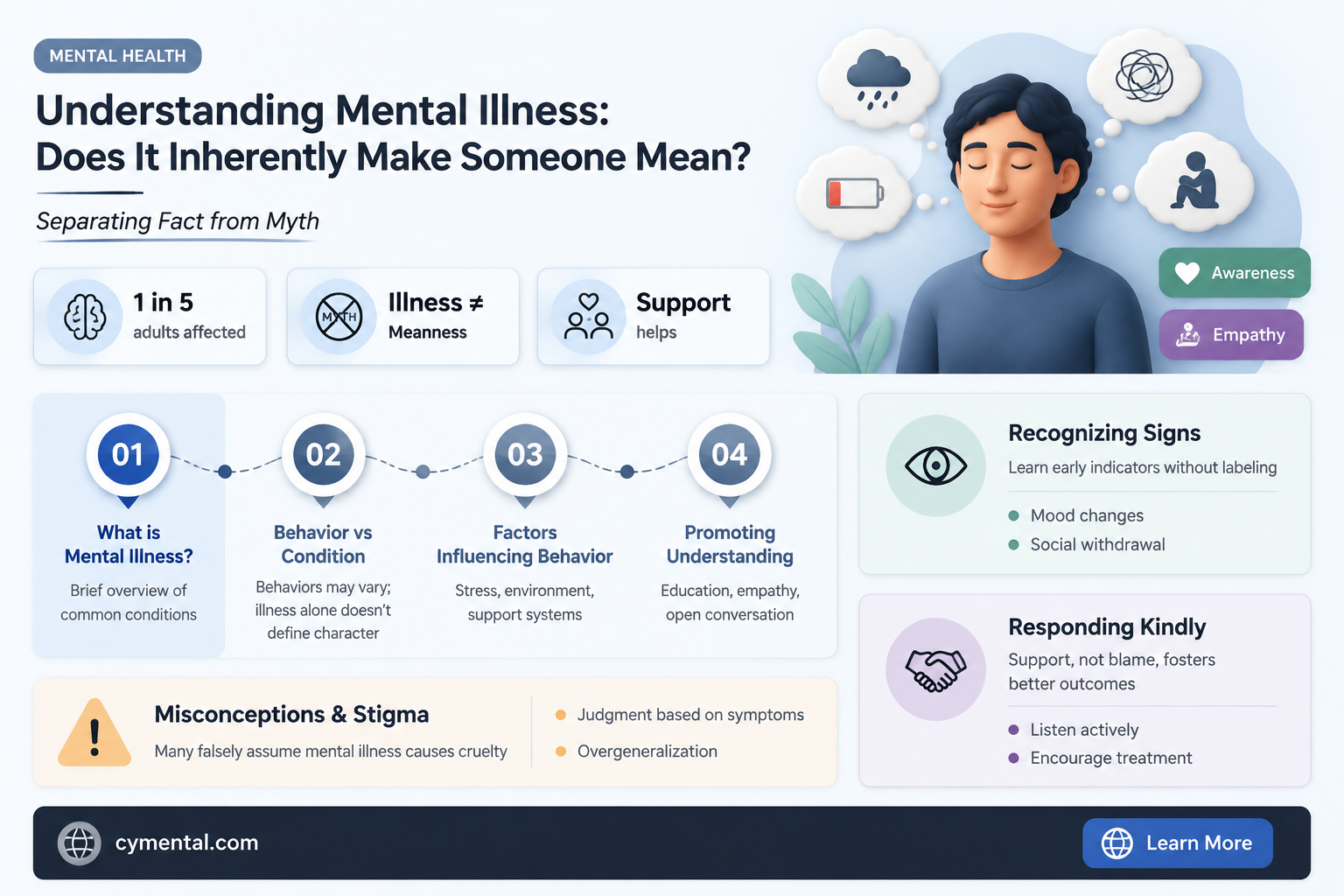
Mental illness is a complex and multifaceted issue that affects millions of people worldwide. It can manifest in various ways, impacting an individual's thoughts, emotions, and behaviors. One common misconception is that mental illness inherently makes someone mean or aggressive. However, this is a harmful stereotype that oversimplifies the nature of mental health conditions. In reality, people with mental illnesses are more likely to be victims of violence than perpetrators. It's essential to approach this topic with sensitivity and understanding, recognizing that mental illness is not a character flaw but rather a medical condition that requires support and treatment. By fostering empathy and compassion, we can work towards reducing stigma and promoting a more inclusive society for those affected by mental health challenges.
Explore related products


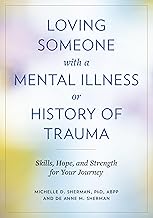


What You'll Learn
- Myth vs. Reality: Dispelling misconceptions about mental illness and its impact on personality
- Symptoms and Behavior: Understanding how mental health symptoms can influence actions and attitudes
- Individual Variability: Recognizing that people with mental illnesses are unique and diverse
- Treatment and Management: Exploring how proper care can help manage symptoms and improve interactions
- Stigma and Discrimination: Addressing societal attitudes that contribute to the misunderstanding of mental illness

Myth vs. Reality: Dispelling misconceptions about mental illness and its impact on personality
Mental illness does not inherently make someone mean. This is a common misconception that perpetuates stigma and misunderstanding. In reality, mental health conditions are complex and multifaceted, affecting individuals in various ways. While some symptoms may manifest as irritability or mood swings, these are not indicative of a person's overall character or propensity for kindness.
It's crucial to recognize that mental illness is not a choice, and individuals struggling with these conditions often face significant challenges in managing their symptoms. Rather than attributing negative traits to their character, it's more constructive to view these challenges as obstacles that require support and understanding.
Moreover, many people with mental health conditions are acutely aware of the stigma surrounding their illnesses and may go to great lengths to hide their struggles. This can lead to feelings of isolation and shame, further exacerbating their condition. By dispelling the myth that mental illness equates to meanness, we can foster a more compassionate and supportive environment for those affected.
In conclusion, it's essential to approach mental health with empathy and understanding, recognizing that individuals with mental health conditions are not defined by their symptoms. By challenging harmful stereotypes and promoting a more nuanced view of mental illness, we can work towards creating a more inclusive and supportive society for all.
Navigating Love and Mental Health: A Guide to Supportive Relationships
You may want to see also
Explore related products

$32.99 $32.99


Symptoms and Behavior: Understanding how mental health symptoms can influence actions and attitudes
Mental health symptoms can significantly influence an individual's actions and attitudes, often in ways that are not immediately apparent to others. For instance, a person experiencing severe depression may exhibit irritability and a short temper, which could be misinterpreted as meanness. Similarly, someone with anxiety might avoid social situations or appear overly critical, behaviors that could be seen as unkind or antisocial. It's crucial to recognize that these actions are often a manifestation of the individual's internal struggle rather than a deliberate choice to be mean.
Understanding the impact of mental health symptoms on behavior requires empathy and education. By learning about different mental health conditions and their symptoms, we can better interpret the actions of others and respond with compassion rather than judgment. For example, a person with obsessive-compulsive disorder (OCD) may engage in repetitive behaviors or have strict routines that others might find annoying or intrusive. However, these behaviors are a coping mechanism for managing their anxiety and are not intended to be disruptive or mean-spirited.
In addition to influencing behavior, mental health symptoms can also affect attitudes. A person with schizophrenia, for instance, may have delusions or hallucinations that alter their perception of reality, leading to unusual or seemingly irrational attitudes. It's important to approach such situations with patience and understanding, recognizing that the individual's attitudes are shaped by their mental health condition rather than a lack of kindness or empathy.
One of the challenges in understanding the relationship between mental health symptoms and behavior is the stigma surrounding mental illness. This stigma can lead to misconceptions and judgments, making it difficult for individuals to seek help and for others to offer support. By fostering a more open and accepting dialogue about mental health, we can create an environment where individuals feel comfortable discussing their symptoms and seeking treatment.
In conclusion, mental health symptoms can have a profound impact on an individual's actions and attitudes, often leading to behaviors that might be misinterpreted as mean or unkind. By educating ourselves about mental health conditions and their symptoms, we can better understand and support those who are struggling, fostering a more compassionate and empathetic society.
Navigating Legal Options When Confronting Mental Health Challenges
You may want to see also
Explore related products


Individual Variability: Recognizing that people with mental illnesses are unique and diverse
Individuals with mental illnesses are as unique as fingerprints, with each person's experience and expression of their condition being inherently diverse. This variability is crucial to recognize when addressing the question of whether mental illness makes someone mean, as it prevents the dangerous oversimplification of a complex issue. Mental illnesses encompass a broad spectrum of conditions, each with its own set of symptoms, severity levels, and impacts on daily functioning. For instance, someone with depression may experience persistent sadness and fatigue, while another with schizophrenia might have delusions or hallucinations. These differences mean that attributing a single characteristic, such as meanness, to all individuals with mental illnesses is not only inaccurate but also harmful.
Moreover, the manifestation of mental illness can vary greatly depending on a multitude of factors, including genetics, environment, life experiences, and access to treatment. Two individuals with the same diagnosis can have vastly different responses to the same situation, influenced by their unique backgrounds and coping mechanisms. For example, a person with anxiety might react to a stressful event with avoidance behaviors, while another might confront it head-on. This diversity in response underscores the importance of avoiding blanket statements about the behavior of those with mental illnesses.
Recognizing individual variability also means acknowledging that people with mental illnesses are not defined solely by their condition. They have interests, hobbies, relationships, and goals that contribute to their identity. A person with bipolar disorder, for instance, is not just their diagnosis but also a musician, a friend, a parent, or an employee. This holistic view encourages empathy and understanding, fostering a more inclusive and supportive society.
In practical terms, this recognition translates to tailored treatment plans and support strategies that address the specific needs of each individual. A one-size-fits-all approach is ineffective and can exacerbate symptoms or lead to non-compliance with treatment. Personalized care, on the other hand, improves outcomes and enhances the quality of life for those with mental illnesses.
Ultimately, understanding and respecting individual variability is essential in combating stigma and promoting mental health awareness. By recognizing the unique experiences and challenges faced by each person with a mental illness, we can work towards creating a more compassionate and informed community. This approach not only benefits those directly affected by mental illness but also enriches society as a whole by fostering a deeper appreciation for the complexities of the human experience.
Recognizing and Reporting Mental Health Concerns Responsibly
You may want to see also
Treatment and Management: Exploring how proper care can help manage symptoms and improve interactions
Proper treatment and management of mental illness can significantly alleviate symptoms and improve social interactions. This often involves a combination of medication, therapy, and lifestyle changes. Medications such as antidepressants, antipsychotics, and mood stabilizers can help regulate brain chemistry and reduce symptoms like depression, anxiety, and hallucinations. Therapy, particularly cognitive-behavioral therapy (CBT), can teach individuals coping mechanisms and help them reframe negative thought patterns. Lifestyle changes, including regular exercise, a balanced diet, and sufficient sleep, can also play a crucial role in managing symptoms and enhancing overall well-being.
In addition to these conventional treatments, alternative therapies such as mindfulness meditation, art therapy, and animal-assisted therapy can provide additional benefits. Mindfulness meditation, for example, can help reduce stress and improve focus, while art therapy can offer a creative outlet for expressing emotions. Animal-assisted therapy has been shown to reduce anxiety and improve mood, likely due to the calming presence of animals.
It's important to note that treatment plans should be individualized, taking into account the specific needs and circumstances of each person. This may involve trial and error to find the most effective combination of treatments. Regular monitoring by a healthcare professional is essential to adjust the treatment plan as needed and to address any side effects or concerns.
Support from friends and family can also be a critical component of managing mental illness. Educating loved ones about the condition and its treatment can help them provide better support and understanding. Additionally, joining support groups can connect individuals with others who are facing similar challenges, offering a sense of community and shared experience.
In conclusion, while mental illness can present significant challenges, proper treatment and management can help individuals lead fulfilling and productive lives. By combining medication, therapy, lifestyle changes, and support from loved ones, it is possible to effectively manage symptoms and improve social interactions.
Understanding Mental Capacity in Individuals with Down Syndrome
You may want to see also
Stigma and Discrimination: Addressing societal attitudes that contribute to the misunderstanding of mental illness
Stigma and discrimination are pervasive issues that significantly contribute to the misunderstanding of mental illness. Societal attitudes often perpetuate harmful stereotypes, leading to the marginalization of individuals struggling with mental health challenges. This section aims to address these attitudes and provide a unique perspective on combating stigma and discrimination.
One of the primary ways to tackle stigma is through education and awareness. By increasing public knowledge about mental health conditions, their causes, and their treatments, we can dispel myths and misconceptions that fuel discriminatory behaviors. Educational campaigns can be conducted through various mediums, including social media, schools, workplaces, and community centers. These initiatives should focus on providing accurate information and promoting empathy and understanding.
Another crucial aspect of addressing stigma and discrimination is fostering inclusive environments. This involves creating spaces where individuals with mental illness feel safe, supported, and valued. Organizations and communities can achieve this by implementing policies and practices that promote mental health awareness, providing resources for mental health support, and encouraging open conversations about mental health challenges.
Moreover, media representation plays a significant role in shaping societal attitudes towards mental illness. The portrayal of mental health conditions in movies, television shows, and news articles often perpetuates stereotypes and stigmatizes individuals with mental illness. Therefore, it is essential to advocate for more accurate and positive representations of mental health in the media. This can be achieved through collaborations between mental health professionals, advocates, and media creators to ensure that mental illness is depicted in a fair and respectful manner.
In addition to these efforts, it is crucial to address the language used when discussing mental illness. The use of stigmatizing language, such as terms that label individuals as "crazy" or "insane," contributes to negative perceptions and discriminatory behaviors. Instead, we should use person-first language that emphasizes the individual's humanity and experiences, such as "person with a mental illness" or "individual experiencing mental health challenges."
Finally, combating stigma and discrimination requires a collective effort from all members of society. Each person has a role to play in promoting mental health awareness, challenging harmful stereotypes, and creating inclusive environments. By working together, we can foster a more compassionate and understanding society that supports individuals with mental illness and promotes their well-being.
Finding Words of Comfort: How to Support Someone Struggling Mentally
You may want to see also
Frequently asked questions
No, mental illness does not inherently make someone mean or aggressive. Mental illnesses are health conditions that affect a person's thinking, feeling, and behavior, but they do not determine a person's character or propensity for kindness or meanness.
Yes, certain mental health conditions can contribute to aggressive behavior in some individuals. For example, conditions like antisocial personality disorder or paranoid schizophrenia may sometimes be associated with increased aggression. However, it's important to note that not everyone with these conditions will exhibit aggressive behavior, and many other factors can influence aggression.
Society's perception of mental illness can have a significant impact on individuals with these conditions. Stigma and misconceptions about mental illness can lead to discrimination, social isolation, and barriers to accessing care. It's crucial to challenge these perceptions and promote understanding and support for those affected by mental health issues.
To reduce stigma and promote understanding of mental illness, education and awareness campaigns can be effective. Encouraging open conversations about mental health, sharing personal stories, and providing accurate information can help dispel myths and misconceptions. Additionally, supporting initiatives that advocate for mental health rights and resources can contribute to creating a more inclusive and supportive society.