Caleb Wright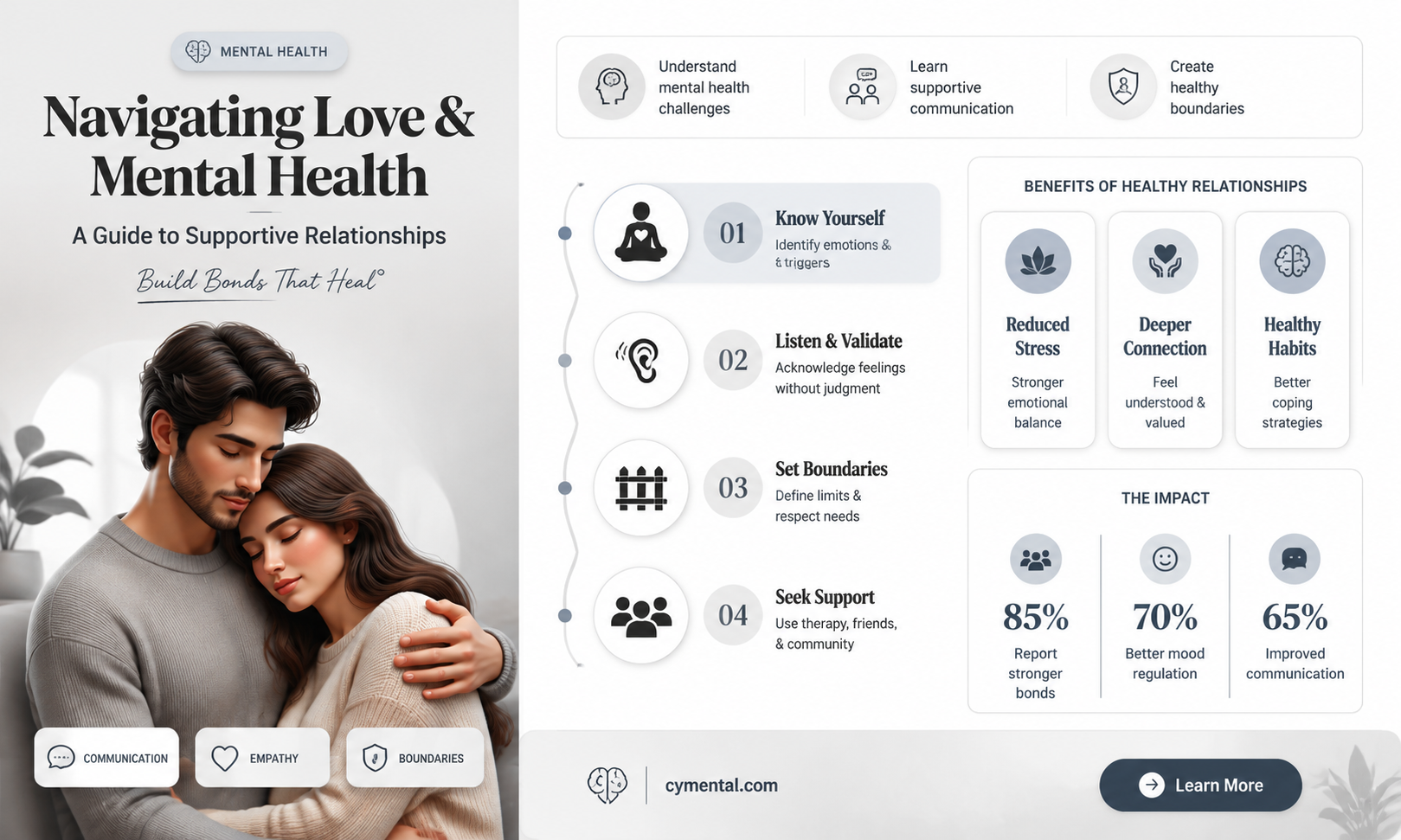
Living with someone who is mentally ill can be a complex and challenging experience, filled with a range of emotions and practical considerations. It requires a deep understanding, empathy, and patience, as well as a willingness to support and advocate for the person's needs. Mental illness can affect anyone, and when it does, it often impacts not just the individual but also their loved ones. In this discussion, we'll explore the dynamics of living with someone who is mentally ill, including the potential challenges, the importance of support systems, and strategies for coping and thriving in such a situation.
Explore related products


What You'll Learn
- Understanding Mental Illness: Educate yourself about the specific mental health condition your loved one is facing
- Setting Boundaries: Establish clear boundaries to maintain your own mental and emotional well-being
- Seeking Support: Reach out to support groups, therapists, or friends to help you cope with the situation
- Communication Strategies: Learn effective communication techniques to better understand and support your loved one
- Self-Care: Prioritize your own self-care to ensure you can provide the best support possible

Understanding Mental Illness: Educate yourself about the specific mental health condition your loved one is facing
Understanding a loved one's mental illness is crucial for providing effective support. Begin by researching the specific condition they are diagnosed with, as each mental illness has its own set of symptoms, triggers, and treatment options. For instance, if your loved one is dealing with depression, learn about the different types of depressive disorders, their common symptoms, and how they might impact daily life. Familiarize yourself with the medications they might be prescribed and any potential side effects. This knowledge will help you better understand their experiences and offer informed support.
It's also important to recognize the emotional toll that mental illness can take on both the individual and their caregivers. Educate yourself on the importance of self-care and how to maintain your own mental health while supporting your loved one. This might include setting boundaries, seeking support from friends or a therapist, and engaging in stress-reducing activities. By taking care of yourself, you can provide more effective and sustainable support to your loved one.
Another aspect of understanding mental illness is recognizing the signs of a crisis. Learn the warning signs that indicate your loved one might be experiencing a severe episode or relapse. This could include changes in behavior, increased isolation, or expressions of hopelessness. Knowing these signs will enable you to intervene early and seek professional help when necessary.
In addition to research, consider attending support groups or workshops for caregivers of individuals with mental illness. These resources can provide valuable insights, practical advice, and a sense of community. Hearing from others who have experienced similar challenges can be both comforting and informative.
Lastly, maintain open and honest communication with your loved one. Ask them about their experiences, feelings, and needs. Listen without judgment and validate their emotions. This will help build trust and strengthen your relationship, making it easier to provide support during difficult times.
By educating yourself about your loved one's mental illness, you can offer more effective support, improve communication, and better navigate the challenges that come with caring for someone with a mental health condition.
Navigating Employment with Mental Health: Challenges and Triumphs
You may want to see also
Explore related products


Setting Boundaries: Establish clear boundaries to maintain your own mental and emotional well-being
Establishing clear boundaries is crucial when supporting someone with mental illness. It's essential to recognize that while you can offer support, you cannot pour from an empty cup. Setting boundaries helps you maintain your own mental and emotional well-being, ensuring you can continue to be a supportive presence in the long term. Start by identifying your limits – what are you comfortable with, and what drains your energy? Communicate these boundaries openly and honestly with the person you're supporting.
One practical way to set boundaries is to create a schedule for your interactions. This could include designated times for phone calls, visits, or other forms of support. By having a predictable routine, both you and the person you're supporting can plan accordingly, reducing stress and anxiety. Additionally, it's important to establish boundaries around your own self-care. Make time for activities that recharge you, such as exercise, hobbies, or spending time with friends and family.
Another aspect of setting boundaries is learning to say no. It's okay to decline requests for support if they exceed your capacity or compromise your own well-being. Remember that you are not responsible for fixing the person's mental illness – your role is to offer support and encouragement. By setting clear boundaries, you can avoid feelings of guilt or obligation that may lead to resentment or burnout.
Setting boundaries also involves recognizing when professional help is needed. If the person you're supporting is in crisis or their mental illness is worsening, it's important to encourage them to seek professional treatment. This may include therapy, medication, or inpatient care. By acknowledging your own limitations and encouraging professional help when needed, you can ensure that the person receives the most appropriate level of care.
In conclusion, setting boundaries is a key component of maintaining your own mental and emotional well-being while supporting someone with mental illness. By establishing clear limits, communicating openly, and prioritizing self-care, you can provide sustainable support without compromising your own health. Remember that boundaries are not a sign of weakness, but rather a necessary tool for maintaining a healthy and supportive relationship.
Seeking Help: Who to Call When Concerned About Someone's Mental Health
You may want to see also
Explore related products

![Surviving an Eating Disorder [Fourth Revised Edition]: Strategies for Family and Friends – The Classic Psychological Resource for Parents Supporting Loved Ones Through Recovery](https://m.media-amazon.com/images/I/71XAt-GTyaS._AC_UY218_.jpg)


Seeking Support: Reach out to support groups, therapists, or friends to help you cope with the situation
Navigating the complexities of a relationship with someone who is mentally ill can be emotionally taxing and isolating. It's crucial to recognize that you don't have to face these challenges alone. Seeking support from external sources can provide you with the tools and comfort needed to cope effectively.
One avenue for support is joining a support group specifically tailored for individuals in relationships with mentally ill partners. These groups offer a safe space to share experiences, receive validation, and learn from others who are going through similar situations. They often meet regularly, either in person or online, and can connect you with a community that understands your unique struggles.
Therapy is another valuable resource. A mental health professional can help you process your emotions, develop coping strategies, and improve communication with your partner. They can also assist you in setting healthy boundaries and prioritizing your own well-being. Therapy can be individual or couples-based, depending on your specific needs and circumstances.
In addition to formal support structures, reaching out to friends and family can provide a vital lifeline. Trusted loved ones can offer emotional support, practical assistance, and a listening ear. They can help you feel less isolated and more connected, which is essential when dealing with the stress of a mentally ill partner.
When seeking support, it's important to be proactive and persistent. Don't be afraid to ask for help or to keep asking until you find the resources that best suit your needs. Remember, taking care of yourself is not selfish; it's necessary to maintain your own mental health and to be a supportive partner.
In conclusion, seeking support is a crucial step in coping with the challenges of a relationship with someone who is mentally ill. Whether through support groups, therapy, or friends and family, reaching out for help can provide you with the strength and guidance needed to navigate these difficult waters.
Unveiling the Truth: Can Mental Illness Be Fabricated?
You may want to see also
Explore related products


Communication Strategies: Learn effective communication techniques to better understand and support your loved one
Effective communication is crucial when supporting a loved one with mental illness. It's essential to approach conversations with empathy, patience, and a willingness to listen without judgment. One strategy is to use open-ended questions that encourage your loved one to express their feelings and thoughts. For example, asking "How are you feeling today?" or "What's been on your mind lately?" can help create a safe space for them to share their experiences.
Another important technique is active listening. This involves giving your full attention to what your loved one is saying, maintaining eye contact, and using nonverbal cues like nodding to show you're engaged. It's also helpful to paraphrase what they've said to ensure you understand their perspective accurately. For instance, you could say, "So, what I'm hearing is that you're feeling overwhelmed by your symptoms right now."
When communicating with someone who is mentally ill, it's vital to avoid making assumptions or offering unsolicited advice. Instead, focus on validating their emotions and experiences. You could say something like, "I can't imagine how difficult this must be for you," or "Your feelings are valid, and I'm here to support you."
It's also important to be aware of your own emotions and reactions during these conversations. If you feel yourself becoming frustrated or upset, take a step back and try to regain your composure. Remember that your loved one's illness is not a reflection of your own abilities or shortcomings.
Finally, don't forget to take care of yourself. Supporting someone with mental illness can be emotionally draining, so it's essential to prioritize your own well-being. Make sure to set boundaries, practice self-care, and seek support from friends, family, or a therapist if needed. By taking care of yourself, you'll be better equipped to provide the support your loved one needs.
Exploring the Mysteries of Telepathic Communication: Can You Send Mental Messages to Someone?
You may want to see also
Explore related products


Self-Care: Prioritize your own self-care to ensure you can provide the best support possible
Prioritizing self-care is crucial when supporting someone with a mental illness. This doesn't mean indulging in luxurious activities or neglecting your responsibilities, but rather ensuring that you maintain your own physical, emotional, and mental well-being. This can include getting enough sleep, eating a balanced diet, engaging in regular exercise, and practicing stress-reducing techniques such as meditation or deep breathing. By taking care of yourself, you'll be better equipped to handle the challenges that come with supporting a loved one.
One important aspect of self-care is setting boundaries. It's essential to establish clear limits on what you can and cannot do, both for your own sake and for the sake of the person you're supporting. This might mean saying no to certain requests, taking time for yourself when needed, or seeking help from others when the situation becomes overwhelming. Remember, you can't pour from an empty cup – if you're not taking care of yourself, you won't be able to provide the support your loved one needs.
Another key component of self-care is seeking support for yourself. This could involve talking to friends or family members, joining a support group, or even seeking professional counseling. It's important to remember that you don't have to go through this alone – there are resources available to help you navigate the challenges of supporting someone with a mental illness. By reaching out for help when needed, you're not only taking care of yourself, but also ensuring that you can provide the best possible support for your loved one.
Finally, it's important to practice self-compassion. Supporting someone with a mental illness can be emotionally draining, and it's easy to feel guilty or overwhelmed. Remember to be kind to yourself, and acknowledge that you're doing the best you can. Celebrate your successes, no matter how small, and don't be too hard on yourself when things don't go as planned. By treating yourself with the same kindness and understanding you would offer to others, you'll be better able to maintain your own well-being and provide the support your loved one needs.
Unveiling the Telltale Signs: When to Seek Mental Health Treatment
You may want to see also
Frequently asked questions
Yes, it is possible to stay with someone who is mentally ill, but it requires careful consideration and planning to ensure the well-being of both parties.
Important factors include the nature and severity of the mental illness, the individual's treatment plan, the availability of support services, and the impact on your own mental and emotional well-being.
Supporting someone who is mentally ill involves being patient, understanding, and encouraging them to seek professional help. It's also crucial to set boundaries, prioritize your own self-care, and seek support from friends, family, or mental health professionals.
Resources include mental health support groups, counseling services, educational materials on mental illness, and respite care services. Additionally, many communities offer programs specifically designed for caregivers of individuals with mental health conditions.