Lucas Bennett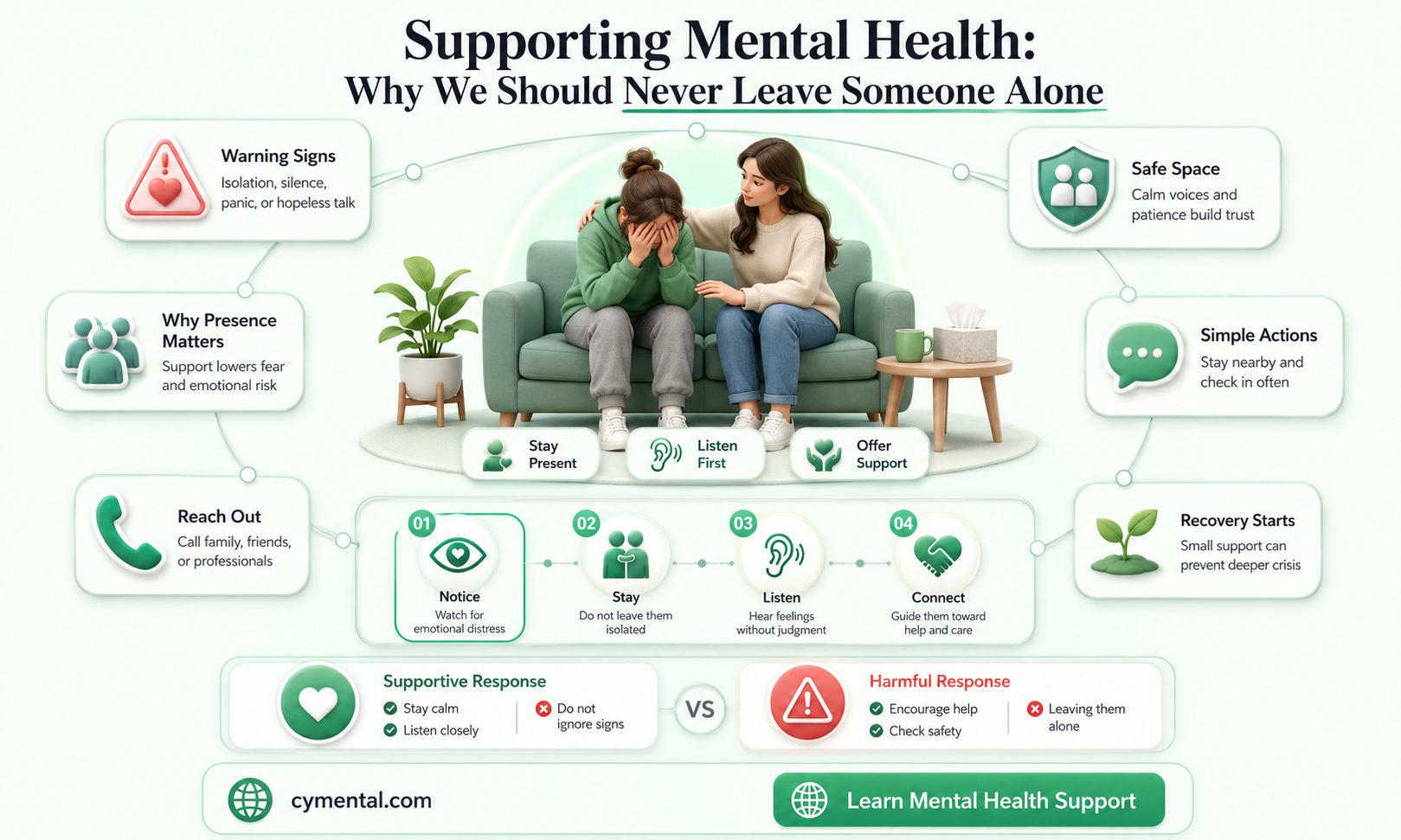
Mental illness can be a challenging and isolating experience, both for those who suffer from it and for their loved ones. It's crucial to remember that individuals with mental health conditions are not alone, and they deserve support, understanding, and compassion. Leaving someone with mental illness without adequate care and attention can exacerbate their condition, leading to severe consequences such as self-harm, substance abuse, or even suicide. As a society, we must prioritize mental health awareness and provide resources for those in need, ensuring that no one is left to face their struggles alone. By offering a listening ear, a comforting presence, and access to professional help, we can make a significant difference in the lives of those affected by mental illness.
Explore related products


What You'll Learn
- Recognize the Signs: Learn to identify symptoms of mental health struggles, such as changes in behavior or mood
- Offer Support: Reach out, listen without judgment, and let them know you're there to help and support them
- Encourage Professional Help: Gently suggest seeking professional assistance, like therapy or counseling, and offer to help find resources
- Stay Connected: Maintain regular contact, check in on their well-being, and show consistent care and concern
- Educate Yourself: Learn about mental health conditions, treatments, and how to effectively support someone in need

Recognize the Signs: Learn to identify symptoms of mental health struggles, such as changes in behavior or mood
Recognizing the signs of mental health struggles is crucial in providing timely support and preventing the escalation of issues. One key indicator is a noticeable change in behavior or mood. This could manifest as a sudden withdrawal from social activities, a significant decrease in energy levels, or an unexplained increase in irritability. It's essential to pay attention to these shifts, as they may signal underlying mental health challenges.
To identify symptoms effectively, it's helpful to establish a baseline understanding of the individual's typical behavior and mood patterns. This way, deviations from the norm become more apparent. Keep in mind that everyone experiences fluctuations in mood and behavior, but persistent and pronounced changes warrant closer attention.
In addition to observing changes in behavior and mood, it's important to be aware of other potential symptoms of mental health struggles. These may include alterations in sleep patterns, appetite changes, difficulty concentrating, or expressions of hopelessness and helplessness. By recognizing these signs, you can initiate conversations and offer support before the situation worsens.
When approaching someone who may be struggling with their mental health, it's crucial to do so with empathy and sensitivity. Avoid making assumptions or judgments, and instead, express your concern and willingness to listen. Encourage them to seek professional help and offer to assist in finding resources or making appointments.
Remember that early intervention can significantly impact the course of mental health treatment. By being vigilant and proactive in recognizing the signs, you can play a vital role in supporting individuals on their journey to recovery. Don't hesitate to reach out if you suspect someone is dealing with mental health challenges – your actions could make a life-changing difference.
Pursuing Legal Action for Mental Anguish: What You Need to Know
You may want to see also
Explore related products


Offer Support: Reach out, listen without judgment, and let them know you're there to help and support them
One of the most powerful ways to support someone with mental illness is to simply be present and listen. This means setting aside your own judgments and preconceptions, and giving them your full attention. It can be helpful to ask open-ended questions that encourage them to share their thoughts and feelings, such as "How are you feeling today?" or "What's been on your mind lately?" Remember that your goal is not to fix their problems or offer solutions, but to provide a safe and supportive space for them to express themselves.
Another important aspect of offering support is to let the person know that you're there for them, no matter what. This can be as simple as saying "I'm here for you" or "You're not alone in this." It's also important to follow through on your commitments, such as checking in on them regularly or offering to help with specific tasks or errands. By showing that you're reliable and trustworthy, you can help build a strong support network that can make a significant difference in their lives.
In addition to listening and offering emotional support, it can also be helpful to provide practical assistance. This might include helping them with daily tasks, such as grocery shopping or household chores, or offering to accompany them to appointments or social events. Remember that people with mental illness may face significant challenges in their daily lives, and even small acts of support can make a big difference.
Finally, it's important to recognize that supporting someone with mental illness can be challenging at times. It's normal to feel overwhelmed or frustrated, and it's important to take care of yourself as well. This might include setting boundaries, seeking support from others, or taking breaks when needed. By prioritizing your own well-being, you can ensure that you're able to provide the best possible support to your loved one.
Understanding Mental Capacity in Individuals with Down Syndrome
You may want to see also
Explore related products


Encourage Professional Help: Gently suggest seeking professional assistance, like therapy or counseling, and offer to help find resources
Recognizing the signs of mental illness in a loved one can be challenging, but it's crucial to act when you notice persistent changes in behavior, mood, or cognitive function. Once you've identified these signs, one of the most effective ways to support your loved one is by encouraging them to seek professional help. This can be a delicate conversation, but approaching it with empathy and understanding is key. Start by expressing your concern and support, and then gently suggest that they might benefit from speaking with a mental health professional.
It's important to be prepared with resources when you have this conversation. Research local therapists, counselors, or mental health clinics that specialize in the type of support your loved one might need. You can also look into online resources and support groups that can provide additional assistance and community. Offering to help find these resources can make the process feel less daunting and show your commitment to supporting their journey towards healing.
When discussing professional help, it's essential to avoid making your loved one feel judged or pressured. Use open-ended questions to encourage them to share their thoughts and feelings, and listen actively without offering unsolicited advice. Validate their emotions and experiences, and emphasize that seeking help is a sign of strength, not weakness. By creating a safe and supportive environment, you can help your loved one feel more comfortable considering professional assistance.
Remember that your role is to support, not to fix. It's important to set boundaries and take care of your own mental health while helping your loved one. Encourage them to take small steps towards seeking help, and celebrate their progress along the way. By being patient, understanding, and resourceful, you can play a vital role in helping your loved one access the professional care they need.
Navigating the Ethical Dilemma of Disclosure in Mental Competency
You may want to see also
Explore related products


Stay Connected: Maintain regular contact, check in on their well-being, and show consistent care and concern
Regular contact is crucial when supporting someone with mental illness. This doesn't necessarily mean daily interactions, but rather consistent check-ins that show you're invested in their well-being. Depending on the individual's needs and your relationship, this could involve weekly phone calls, bi-weekly video chats, or even just occasional text messages to touch base. The key is to find a rhythm that works for both of you and stick to it, providing a sense of stability and reassurance.
Checking in on their well-being goes beyond just asking how they're doing. It involves actively listening to their responses, picking up on subtle cues, and being aware of any changes in their behavior or mood. This might include noticing if they seem more withdrawn, anxious, or irritable than usual, and gently probing to understand what's going on. By doing so, you can help identify potential issues early on and encourage them to seek professional help if needed.
Showing consistent care and concern is about more than just words – it's about actions. This could involve offering to help with daily tasks, accompanying them to appointments, or simply being present during difficult times. Small gestures, like sending a care package or cooking a meal, can also go a long way in demonstrating your support. The goal is to make the person feel seen, heard, and valued, even when they're struggling.
It's important to remember that supporting someone with mental illness can be challenging, and it's okay to set boundaries to protect your own well-being. However, by maintaining regular contact, checking in on their well-being, and showing consistent care and concern, you can make a significant difference in their life. This approach not only helps to prevent feelings of isolation and abandonment but also fosters a sense of community and belonging, which is essential for mental health recovery.
Understanding Mental Incompetency: A Guide to the Legal Process
You may want to see also
Explore related products





Educate Yourself: Learn about mental health conditions, treatments, and how to effectively support someone in need
Understanding mental health conditions is the first step in providing effective support. Educate yourself on the various disorders, their symptoms, and how they impact daily life. For instance, learning about the different types of anxiety disorders can help you recognize when someone is struggling and needs assistance. Familiarize yourself with the warning signs of suicide, such as withdrawal from social activities or talking about feeling hopeless. Knowing these signs can be crucial in intervening and getting help for the person in need.
Treatments for mental health conditions vary widely, from medication to therapy to lifestyle changes. Research the different options available and understand their potential benefits and side effects. For example, cognitive-behavioral therapy (CBT) is a common treatment for depression and anxiety, focusing on changing negative thought patterns. Medications like selective serotonin reuptake inhibitors (SSRIs) can also be effective, but they require a prescription from a healthcare provider. Alternative treatments, such as mindfulness meditation or yoga, can complement traditional methods and provide additional support.
Supporting someone with a mental illness requires more than just offering a listening ear. Learn how to actively engage with the person, validate their feelings, and help them feel understood. Practice empathy by putting yourself in their shoes and acknowledging the challenges they face. Encourage them to seek professional help and offer to accompany them to appointments if needed. Be patient and understanding, as recovery from mental illness is often a slow and difficult process.
Educating yourself about mental health also means being aware of the resources available for both you and the person you're supporting. Know the contact information for local mental health services, crisis hotlines, and support groups. Websites like the National Alliance on Mental Illness (NAMI) and the American Psychological Association (APA) offer valuable information and resources for those seeking help. By arming yourself with knowledge and resources, you can provide more effective support and help guide the person towards recovery.
Remember that taking care of your own mental health is also important when supporting someone else. Make sure to set boundaries, practice self-care, and seek help if you feel overwhelmed. By educating yourself and taking a proactive approach, you can make a significant difference in the life of someone struggling with mental illness.
Can Mentally Unstable Humans Influence Dog Aggression?
You may want to see also
Frequently asked questions
It means to provide continuous support and care to individuals struggling with mental health issues, ensuring they do not feel isolated or abandoned in their time of need.
It is crucial because people with mental illness often require ongoing support to manage their symptoms and maintain their well-being. Abandoning them can lead to worsening of their condition, increased risk of self-harm, and a higher likelihood of relapse.
Supporting someone with mental illness can be challenging, but it is essential to set boundaries, seek professional help when needed, and prioritize self-care. Encouraging open communication, offering emotional support, and helping them access resources can make a significant difference without overwhelming oneself.