Lucas Bennett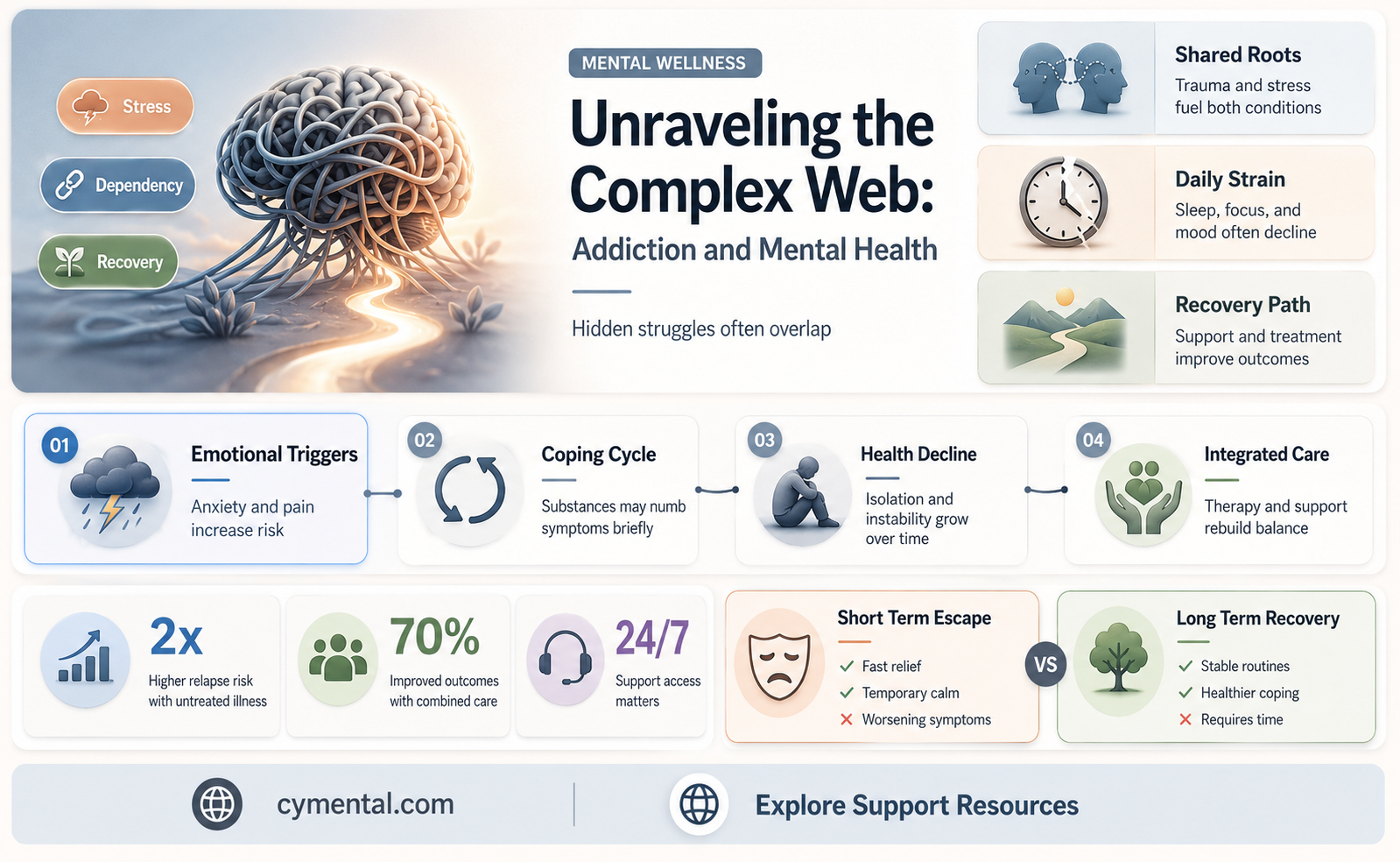
Addiction is a pervasive issue that profoundly impacts an individual's mental health. It is characterized by compulsive substance use or engagement in behaviors despite harmful consequences. Addiction can lead to a range of mental health issues, including anxiety, depression, and paranoia. The constant pursuit of the addictive substance or behavior can cause significant stress and strain on the brain, leading to changes in brain chemistry and function. This can result in a vicious cycle where the individual seeks out the substance or behavior to alleviate the negative feelings, but ultimately exacerbates their mental health issues. Understanding the complex relationship between addiction and mental health is crucial for developing effective treatment strategies and supporting those struggling with these challenges.
Explore related products


What You'll Learn
- Neurochemical Changes: Addiction alters brain chemistry, impacting mood, behavior, and cognitive function
- Increased Anxiety and Depression: Substance abuse often exacerbates underlying mental health conditions like anxiety and depression
- Impaired Decision-Making: Addiction affects the brain's prefrontal cortex, leading to poor decision-making and impulse control
- Social Isolation: Addictive behaviors can lead to social withdrawal, damaging relationships and support networks
- Co-occurring Disorders: Addiction frequently co-occurs with other mental health disorders, complicating treatment and recovery

Neurochemical Changes: Addiction alters brain chemistry, impacting mood, behavior, and cognitive function
Addiction fundamentally alters the brain's neurochemistry, leading to profound changes in mood, behavior, and cognitive function. At the core of these changes is the disruption of the brain's reward system, which is primarily mediated by the neurotransmitter dopamine. In a healthy brain, dopamine is released in response to pleasurable activities, such as eating, exercising, or socializing, and it reinforces these behaviors by creating a sense of reward. However, addictive substances like drugs and alcohol can hijack this system, causing an excessive release of dopamine and creating a powerful association between the substance and pleasure.
Over time, this can lead to a decrease in the brain's natural ability to produce dopamine, resulting in a state of anhedonia, or the inability to experience pleasure from normal activities. This can further drive the addictive behavior, as the individual may feel compelled to use the substance in order to experience any sense of reward or pleasure. Additionally, the chronic use of addictive substances can lead to changes in other neurotransmitter systems, such as serotonin and GABA, which can contribute to mood disorders, anxiety, and sleep disturbances.
The impact of addiction on cognitive function is also significant. Chronic substance use can impair memory, attention, and decision-making abilities, making it difficult for individuals to function effectively in their daily lives. This can be particularly problematic in the context of mental health, as cognitive impairments can exacerbate symptoms of depression, anxiety, and other disorders. Furthermore, the neurochemical changes associated with addiction can also affect the brain's stress response system, leading to increased reactivity to stressors and a heightened risk of relapse.
Understanding these neurochemical changes is crucial for developing effective treatments for addiction. Medications that target specific neurotransmitter systems, such as dopamine agonists or serotonin reuptake inhibitors, can help to restore balance to the brain's chemistry and reduce cravings. Behavioral therapies, such as cognitive-behavioral therapy and motivational interviewing, can also be effective in helping individuals to overcome addiction by addressing the underlying psychological and emotional factors that contribute to substance use.
In conclusion, the neurochemical changes associated with addiction have far-reaching implications for mental health, impacting mood, behavior, and cognitive function. By understanding these changes and developing targeted interventions, it is possible to help individuals overcome addiction and improve their overall well-being.
The Psychological Impact of Infidelity on Men: A Deep Dive
You may want to see also
Explore related products


Increased Anxiety and Depression: Substance abuse often exacerbates underlying mental health conditions like anxiety and depression
Substance abuse can significantly worsen pre-existing mental health conditions, particularly anxiety and depression. This exacerbation occurs due to the complex interplay between the neurochemical effects of substances and the psychological vulnerabilities of individuals. For instance, alcohol, which is a depressant, can initially seem to alleviate symptoms of anxiety by producing a calming effect. However, prolonged use can lead to increased anxiety levels as the brain adapts and requires higher amounts of the substance to achieve the same effect. This cycle of tolerance and dependence can deepen the severity of anxiety disorders.
Similarly, drugs like cocaine and amphetamines, which are stimulants, can temporarily boost mood and energy levels, seemingly offering relief from depressive symptoms. Nevertheless, the aftermath of their use often results in intense mood crashes, further entrenching depressive episodes. The chronic use of these substances can also disrupt the brain's natural reward system, making it more challenging for individuals to experience pleasure from everyday activities, thereby worsening their overall mental health.
The relationship between substance abuse and mental health is bidirectional. Not only does substance abuse aggravate mental health conditions, but individuals with anxiety and depression are also more susceptible to developing substance use disorders. This susceptibility may stem from attempts to self-medicate or escape from the distressing symptoms of their mental health conditions. Unfortunately, this coping mechanism can lead to a vicious cycle of addiction and worsening mental health.
Breaking this cycle requires a comprehensive approach to treatment that addresses both the substance use disorder and the underlying mental health conditions. Integrated treatment programs, which combine psychotherapy with medication management, have shown promise in helping individuals recover from both addiction and mental health issues. Cognitive-behavioral therapy (CBT), for example, can help individuals identify and change negative thought patterns and behaviors associated with both their addiction and mental health conditions. Medications such as antidepressants and anti-anxiety drugs may also be prescribed to manage symptoms and support recovery.
In addition to professional treatment, support from peers and loved ones plays a crucial role in the recovery process. Encouragement, understanding, and patience from a strong support network can provide the emotional stability needed for individuals to navigate the challenges of overcoming addiction and mental health issues. Furthermore, lifestyle changes, such as adopting a healthy diet, engaging in regular exercise, and practicing stress management techniques, can also contribute to improved mental health and reduced cravings for substances.
Ultimately, addressing the interplay between substance abuse and mental health requires a multifaceted strategy that combines professional treatment, peer support, and lifestyle modifications. By tackling both aspects of the problem simultaneously, individuals can increase their chances of achieving lasting recovery and improved overall well-being.
The Impact of School on Students' Mental Health: A Comprehensive Look
You may want to see also
Explore related products


Impaired Decision-Making: Addiction affects the brain's prefrontal cortex, leading to poor decision-making and impulse control
The prefrontal cortex, a critical region of the brain responsible for executive functions, is significantly impacted by addiction. This area, which governs decision-making, impulse control, and planning, undergoes structural and functional changes due to prolonged substance abuse. Research indicates that addicts often exhibit reduced activity in the prefrontal cortex, leading to impaired cognitive abilities and a diminished capacity for rational thought.
One of the primary ways addiction affects the prefrontal cortex is through the alteration of dopamine pathways. Dopamine, a neurotransmitter associated with reward and motivation, plays a crucial role in reinforcing addictive behaviors. Chronic exposure to drugs or alcohol can lead to an overstimulation of dopamine receptors, causing long-term changes in the brain's reward system. This can result in a decreased ability to experience pleasure from natural rewards, driving the individual to seek out substances as a means of achieving gratification.
Furthermore, addiction can lead to a reduction in the volume of gray matter in the prefrontal cortex. Studies using magnetic resonance imaging (MRI) have shown that individuals with substance use disorders often have smaller prefrontal cortices compared to healthy controls. This reduction in brain matter can contribute to difficulties in regulating emotions, making decisions, and controlling impulses, further perpetuating the cycle of addiction.
Impaired decision-making and impulse control can have far-reaching consequences for individuals struggling with addiction. These cognitive deficits can interfere with their ability to maintain relationships, hold down a job, and manage their finances. Moreover, they can increase the risk of engaging in risky behaviors, such as driving under the influence or participating in criminal activities, which can lead to legal problems and further health complications.
Treatment for addiction often involves addressing these cognitive impairments through various therapeutic approaches. Cognitive-behavioral therapy (CBT), for example, can help individuals develop strategies for improving decision-making and impulse control. Additionally, medications such as naltrexone and acamprosate have been shown to modulate dopamine pathways and reduce cravings, thereby supporting the recovery process.
In conclusion, the impact of addiction on the prefrontal cortex is a complex and multifaceted issue. By understanding the underlying neurobiological mechanisms, clinicians and researchers can develop more effective interventions for treating addiction and improving the lives of those affected by this debilitating condition.
The Dark Side: Religion's Negative Impact on Mental Health
You may want to see also
Explore related products


Social Isolation: Addictive behaviors can lead to social withdrawal, damaging relationships and support networks
Addictive behaviors often lead to social isolation, a detrimental consequence that can exacerbate the mental health challenges associated with addiction. As individuals become increasingly consumed by their addictive habits, they may withdraw from social interactions, leading to strained relationships and a diminished support network. This isolation can be particularly damaging, as social connections are vital for emotional well-being and can play a crucial role in the recovery process.
One of the primary reasons for social withdrawal in addiction is the shame and stigma that individuals may feel about their behaviors. This can lead to a reluctance to engage with others, fearing judgment or rejection. Additionally, the time and energy devoted to feeding the addiction can leave little room for nurturing relationships, causing friends and family to feel neglected or abandoned. As a result, individuals may find themselves increasingly alone, with their addiction serving as their primary source of comfort or escape.
The impact of social isolation on mental health can be severe. Without the support and encouragement of loved ones, individuals may struggle to cope with the emotional turmoil associated with addiction. This can lead to increased feelings of loneliness, depression, and anxiety, which can further fuel the addictive behaviors. Moreover, social isolation can hinder access to resources and support systems that are essential for recovery, such as counseling, support groups, and rehabilitation programs.
Breaking the cycle of social isolation is a critical step in addressing the mental health implications of addiction. This can involve reaching out to friends and family, joining support groups, or engaging in community activities. By rebuilding social connections, individuals can regain a sense of belonging and purpose, which can be instrumental in their journey towards recovery. It is also essential for society to address the stigma surrounding addiction, creating a more supportive and understanding environment for those struggling with these issues.
In conclusion, social isolation is a significant consequence of addictive behaviors, with far-reaching implications for mental health. By recognizing the importance of social connections and taking steps to rebuild relationships, individuals can begin to mitigate the damaging effects of addiction and move towards a path of recovery and healing.
The Silent Struggle: Poverty's Impact on Mental Health
You may want to see also
Explore related products


Co-occurring Disorders: Addiction frequently co-occurs with other mental health disorders, complicating treatment and recovery
Addiction rarely exists in isolation. Instead, it frequently co-occurs with other mental health disorders, creating a complex web of challenges for both treatment providers and individuals seeking recovery. This phenomenon, known as co-occurring disorders or dual diagnosis, significantly complicates the therapeutic process and often leads to poorer outcomes if not addressed comprehensively.
One of the most common co-occurring disorders with addiction is depression. The relationship between depression and addiction is bidirectional: individuals with depression may turn to substances as a form of self-medication to alleviate their symptoms, while substance abuse can exacerbate or even trigger depressive episodes. This interplay makes it crucial for treatment programs to address both conditions simultaneously. Failure to do so can result in a cycle of relapse, where treating one disorder inadvertently worsens the other.
Another prevalent co-occurring disorder is anxiety. Like depression, anxiety can both contribute to and be exacerbated by substance abuse. Individuals with anxiety disorders may use drugs or alcohol to cope with their symptoms, leading to a temporary reduction in anxiety but ultimately worsening the condition over time. Effective treatment must therefore integrate strategies for managing anxiety alongside addiction recovery, such as cognitive-behavioral therapy and medication management.
Personality disorders, particularly borderline personality disorder, also frequently co-occur with addiction. These disorders are characterized by impulsive behavior, emotional instability, and difficulties in interpersonal relationships, all of which can contribute to substance abuse. Treating co-occurring personality disorders requires a nuanced approach that addresses the underlying psychological issues driving addictive behavior, often involving long-term psychotherapy and skills training.
The presence of co-occurring disorders significantly impacts the prognosis for recovery. Individuals with dual diagnoses tend to have more severe symptoms, experience more frequent relapses, and face greater challenges in maintaining long-term sobriety. However, with comprehensive and integrated treatment that addresses all co-occurring conditions, recovery is possible. This often involves a multidisciplinary approach, combining medication, therapy, and support groups to provide a holistic framework for healing.
In conclusion, co-occurring disorders represent a critical challenge in the field of addiction treatment. By understanding the complex interplay between addiction and other mental health conditions, and by providing integrated and comprehensive care, we can improve outcomes for individuals struggling with these intertwined issues. Effective treatment must be tailored to the unique needs of each individual, addressing the full spectrum of co-occurring disorders to foster lasting recovery and improved mental health.
Understanding Grief's Impact: How Loss Affects Mental Health
You may want to see also
Frequently asked questions
Common mental health issues associated with addiction include depression, anxiety, paranoia, and mood swings. These issues can arise due to the chemical changes in the brain caused by substance abuse, as well as the stress and isolation often experienced by individuals struggling with addiction.
Addiction can significantly impact cognitive function, leading to difficulties with memory, attention, and decision-making. Prolonged substance abuse can cause changes in brain structure and function, particularly in areas responsible for executive control and impulse regulation.
Yes, addiction can lead to psychosis in some cases. Psychosis is a mental health condition characterized by a disconnection from reality, often manifesting as hallucinations or delusions. Certain substances, such as methamphetamine and cocaine, can induce psychotic symptoms, particularly with heavy or prolonged use.
Addiction can have a detrimental impact on self-esteem. As individuals struggle with addiction, they may experience feelings of guilt, shame, and worthlessness, which can erode their sense of self-worth. Additionally, the negative consequences of addiction, such as job loss or strained relationships, can further contribute to low self-esteem.
Addiction can disrupt emotional regulation, making it difficult for individuals to manage their emotions effectively. This can lead to mood swings, irritability, and an increased risk of developing co-occurring mental health disorders such as depression or anxiety. The emotional dysregulation associated with addiction can also contribute to impulsive behaviors and relapse.