Caleb Wright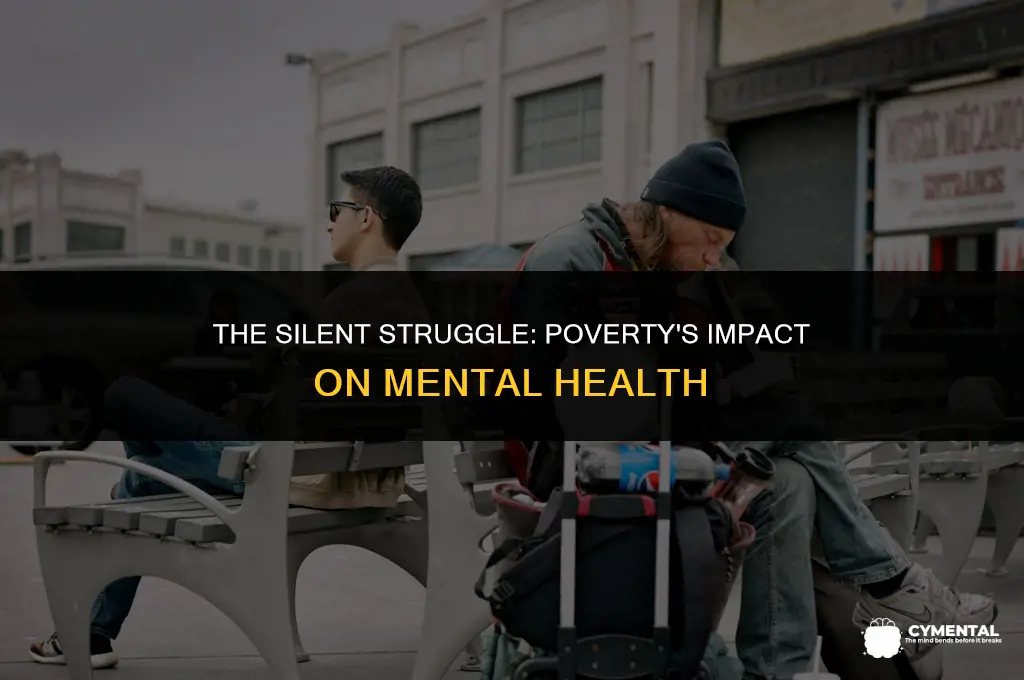
Poverty has a profound impact on mental health, often leading to increased stress, anxiety, and depression. Individuals living in poverty may face constant worry about basic needs such as food, shelter, and healthcare, which can result in chronic stress. This stress can further exacerbate mental health issues, making it difficult for individuals to cope with daily challenges. Additionally, poverty can limit access to mental health services, leaving many without the support they need. The cycle of poverty and mental health issues can be difficult to break, highlighting the importance of addressing both economic and psychological factors in efforts to improve overall well-being.
| Characteristics | Values |
|---|---|
| Increased stress | Poverty can lead to heightened stress levels due to financial insecurity and the constant worry about meeting basic needs. |
| Anxiety and depression | The uncertainty and lack of resources associated with poverty can contribute to the development of anxiety and depressive disorders. |
| Limited access to healthcare | Individuals living in poverty may have restricted access to mental health services, exacerbating existing conditions or delaying treatment. |
| Social isolation | Poverty can result in social withdrawal and isolation, as individuals may feel stigmatized or unable to participate in social activities due to financial constraints. |
| Lower self-esteem | The experience of poverty can negatively impact self-esteem and self-worth, leading to feelings of inadequacy and hopelessness. |
| Cognitive impairment | Chronic poverty has been linked to cognitive impairments, including reduced problem-solving abilities and memory issues, likely due to the constant stress and lack of resources. |
| Substance abuse | Some individuals may turn to substance abuse as a coping mechanism for the stress and emotional turmoil associated with poverty. |
| Intergenerational impact | Poverty can have long-lasting effects, with children growing up in impoverished environments more likely to experience mental health issues later in life. |
| Increased risk of trauma | Living in poverty can expose individuals to higher rates of trauma, such as violence, abuse, or natural disasters, which can have severe and lasting mental health consequences. |
| Reduced resilience | The cumulative stress and adversity faced by those in poverty can erode resilience, making it more challenging to cope with life's difficulties and setbacks. |
Explore related products

What You'll Learn
- Increased stress levels due to financial insecurity and uncertainty about the future
- Limited access to mental health services and resources, exacerbating existing conditions
- Higher rates of depression and anxiety among individuals living in poverty
- Social isolation and stigma associated with poverty, impacting mental well-being
- Adverse childhood experiences related to poverty, affecting long-term mental health outcomes

Increased stress levels due to financial insecurity and uncertainty about the future
Financial insecurity and uncertainty about the future are significant contributors to increased stress levels, particularly among individuals living in poverty. This stress can manifest in various ways, including anxiety, depression, and even physical health problems. The constant worry about making ends meet, paying bills, and providing for oneself and one's family can create a pervasive sense of unease and helplessness.
Research has shown that individuals living in poverty are more likely to experience chronic stress, which can have long-term negative effects on mental health. This stress can be exacerbated by factors such as unemployment, lack of access to healthcare, and social isolation. Furthermore, the uncertainty about the future can lead to a sense of hopelessness and despair, making it difficult for individuals to see a way out of their current situation.
The impact of financial insecurity on mental health can also be seen in the increased prevalence of anxiety disorders among individuals living in poverty. Anxiety can manifest as excessive worry, fear, and avoidance behaviors, which can further hinder an individual's ability to cope with their financial situation. Additionally, the stress of living in poverty can lead to depression, characterized by feelings of sadness, worthlessness, and a lack of interest in activities once enjoyed.
It is important to note that the effects of financial insecurity on mental health can vary depending on individual circumstances and coping mechanisms. Some individuals may be more resilient and able to manage their stress effectively, while others may struggle to cope with the constant pressure of financial uncertainty.
In conclusion, increased stress levels due to financial insecurity and uncertainty about the future are a significant concern for individuals living in poverty. This stress can have far-reaching consequences for mental health, including anxiety, depression, and physical health problems. Addressing these issues requires a multifaceted approach that includes access to healthcare, social support, and economic opportunities to help individuals build financial stability and improve their overall well-being.
Navigating Love and Mental Health: A Delicate Balance
You may want to see also
Limited access to mental health services and resources, exacerbating existing conditions
Individuals living in poverty often face significant barriers in accessing mental health services and resources. This limited access can exacerbate existing mental health conditions, leading to a vicious cycle of worsening symptoms and increased socioeconomic hardship. The lack of affordable healthcare options, coupled with the stigma surrounding mental illness, prevents many from seeking the help they need.
One of the primary challenges is the scarcity of mental health professionals in low-income areas. This shortage results in long wait times for appointments and limited availability of specialized care. Furthermore, the cost of therapy sessions, medications, and hospitalizations can be prohibitively expensive for those without adequate insurance coverage. As a result, individuals may forgo necessary treatment, leading to the deterioration of their mental health.
Additionally, poverty can limit access to resources that support mental well-being, such as healthy food, safe housing, and social support networks. The stress of living in poverty can also contribute to the development of mental health issues, including anxiety, depression, and post-traumatic stress disorder. Without proper access to care, these conditions can become chronic and debilitating, further entrenching individuals in poverty.
To address this issue, it is essential to increase funding for mental health services in underserved communities and to implement policies that reduce the cost of care. Telehealth options and community-based programs can also help to bridge the gap in access to mental health resources. By improving access to care, we can help to mitigate the impact of poverty on mental health and support individuals in achieving better overall well-being.
The Pandemic's Impact: Mental Health Amidst COVID-19
You may want to see also
Higher rates of depression and anxiety among individuals living in poverty
Individuals living in poverty are disproportionately affected by mental health issues, with higher rates of depression and anxiety compared to their more affluent counterparts. This disparity is not merely a correlation but a causative relationship, where the stressors and challenges associated with poverty directly contribute to the development of these mental health conditions. The constant struggle to meet basic needs, such as food, shelter, and healthcare, creates a pervasive sense of insecurity and hopelessness that can lead to depression.
Moreover, the social isolation often experienced by those in poverty can exacerbate feelings of loneliness and disconnection, further fueling depressive symptoms. Anxiety, on the other hand, is heightened by the unpredictable nature of life in poverty, where sudden changes in circumstances, such as job loss or unexpected expenses, can create a sense of constant threat and uncertainty. The lack of access to mental health services and resources in impoverished communities also means that these conditions often go untreated, leading to a cycle of worsening mental health and deepening poverty.
To address this issue, it is crucial to implement policies and programs that not only alleviate the economic burdens of poverty but also provide targeted mental health support. This could include increasing access to affordable healthcare, offering free or low-cost counseling services, and creating community-based initiatives that promote social connection and emotional well-being. By taking a holistic approach that addresses both the financial and psychological aspects of poverty, we can work towards reducing the prevalence of depression and anxiety among individuals living in poverty.
The Impact of Procrastination on Mental Health: A Comprehensive Guide
You may want to see also
Social isolation and stigma associated with poverty, impacting mental well-being
Social isolation is a pervasive issue among individuals living in poverty. The lack of financial resources often limits their ability to participate in social activities, leading to a sense of disconnection from the broader community. This isolation can be exacerbated by the stigma associated with poverty, which can result in individuals being ostracized or marginalized by society. The constant feeling of being judged or looked down upon can have a profound impact on mental well-being, contributing to the development of anxiety, depression, and other mental health disorders.
The stigma associated with poverty can also lead to a lack of access to mental health services. Individuals may be reluctant to seek help due to fear of being labeled or judged, and even when they do seek help, they may face barriers such as long wait times, high costs, or lack of culturally competent care. This can result in mental health issues going untreated, further exacerbating the negative impact on well-being.
Moreover, social isolation and stigma can have a ripple effect on the mental health of entire communities. When individuals feel disconnected and unsupported, they may be less likely to engage in community activities or support systems, leading to a breakdown in social cohesion. This can create a cycle of poverty and mental health issues that is difficult to break.
To address these issues, it is essential to implement strategies that reduce social isolation and stigma. This can include community-based programs that provide opportunities for social interaction and support, as well as initiatives that promote awareness and understanding of poverty and its impact on mental health. By working to create more inclusive and supportive communities, we can help to mitigate the negative effects of poverty on mental well-being.
The Dark Side of Sports: Unveiling Mental Health Challenges
You may want to see also
Adverse childhood experiences related to poverty, affecting long-term mental health outcomes
Adverse childhood experiences (ACEs) related to poverty can have a profound and lasting impact on an individual's mental health outcomes. These experiences, which may include neglect, abuse, parental substance use, or household instability, can significantly alter the developmental trajectory of a child's brain and psychological functioning. Research has shown that children who experience multiple ACEs are at a higher risk for developing mental health disorders such as depression, anxiety, and post-traumatic stress disorder (PTSD) later in life.
One of the key mechanisms by which poverty contributes to ACEs is through the chronic stress it imposes on families. Financial strain can lead to increased parental conflict, reduced ability to provide for basic needs, and limited access to mental health services. This chronic stress can affect the child's developing brain, particularly the areas responsible for emotional regulation and stress response, leading to long-term changes in mental health functioning.
Furthermore, poverty can also lead to social isolation and stigma, which can exacerbate the negative effects of ACEs on mental health. Children growing up in poverty may have fewer opportunities for social interaction and support, which are critical for healthy emotional development. Additionally, the stigma associated with poverty can lead to feelings of shame and low self-worth, further contributing to mental health problems.
Interventions aimed at reducing the impact of ACEs related to poverty on mental health outcomes should focus on both prevention and treatment. Preventive measures could include programs that provide financial assistance to families, parenting education, and access to mental health services. Treatment interventions should be tailored to address the specific needs of individuals who have experienced ACEs, including trauma-focused therapies and interventions that promote resilience and coping skills.
In conclusion, addressing the impact of ACEs related to poverty on mental health outcomes requires a comprehensive approach that includes both prevention and treatment strategies. By understanding the complex interplay between poverty, ACEs, and mental health, we can develop more effective interventions to support individuals and families affected by these challenges.
The Psychological Impact of Infidelity on Men: A Deep Dive
You may want to see also
Frequently asked questions
Poverty can significantly impact mental health by causing stress, anxiety, and depression. The constant struggle to meet basic needs can lead to feelings of hopelessness and despair.
Specific mental health issues linked to poverty include depression, anxiety disorders, post-traumatic stress disorder (PTSD), and substance abuse. The stress of living in poverty can also exacerbate existing mental health conditions.
There is a higher prevalence of mental health issues in impoverished communities due to factors such as lack of access to healthcare, poor living conditions, unemployment, and social isolation. These factors can contribute to increased stress and a sense of helplessness.
To address the mental health needs of individuals living in poverty, it is essential to provide access to affordable healthcare, including mental health services. Community-based programs, support groups, and educational initiatives can also help reduce stigma and promote mental wellness in impoverished communities.