Ava Ramirez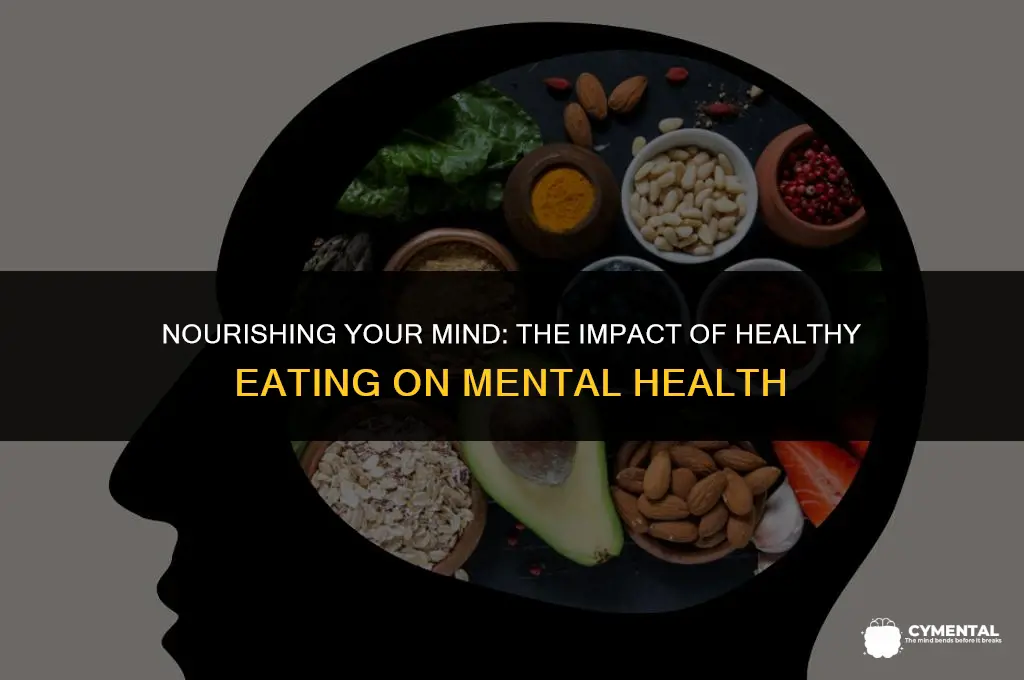
Eating a healthy diet has a profound impact on mental health, as the nutrients we consume play a crucial role in brain function and overall well-being. A balanced diet rich in fruits, vegetables, whole grains, lean proteins, and healthy fats provides the necessary building blocks for optimal brain health. These nutrients help regulate mood, reduce stress, and improve cognitive function. Conversely, a diet high in processed foods, sugar, and unhealthy fats can contribute to mental health issues such as depression, anxiety, and cognitive decline. By making informed dietary choices, individuals can support their mental health and enhance their overall quality of life.
Explore related products


What You'll Learn
- Nutrient-rich foods boost brain function and mood regulation
- Balanced diet reduces stress and anxiety levels
- Healthy eating improves sleep quality, enhancing mental well-being
- Gut-brain connection: probiotics and fiber support mental health
- Consuming antioxidants and omega-3s may alleviate symptoms of depression

Nutrient-rich foods boost brain function and mood regulation
The brain requires a constant supply of nutrients to function optimally, and a diet rich in essential vitamins, minerals, and antioxidants can significantly enhance cognitive performance and emotional well-being. For instance, omega-3 fatty acids, commonly found in fatty fish like salmon and mackerel, play a crucial role in maintaining brain health by reducing inflammation and promoting the growth of new brain cells. Similarly, foods high in vitamin B, such as whole grains, legumes, and leafy greens, help regulate mood by supporting the production of neurotransmitters like serotonin and dopamine.
In addition to these specific nutrients, a balanced diet that includes a variety of fruits, vegetables, lean proteins, and healthy fats can provide the brain with the necessary fuel to function efficiently. Consuming a diet rich in antioxidants, such as berries, nuts, and seeds, can help protect the brain from oxidative stress and reduce the risk of neurodegenerative diseases like Alzheimer's and Parkinson's. Moreover, staying hydrated by drinking plenty of water throughout the day is essential for maintaining cognitive function and emotional stability.
Research has also shown that the gut microbiome plays a significant role in brain function and mood regulation. Eating foods rich in fiber, such as fruits, vegetables, and whole grains, can help promote the growth of beneficial gut bacteria, which in turn can improve mental health by reducing symptoms of anxiety and depression. Furthermore, fermented foods like yogurt, kefir, and sauerkraut contain probiotics that can help support the gut-brain axis and enhance overall well-being.
While a nutrient-rich diet can have a profound impact on brain function and mood regulation, it is essential to note that dietary changes should be implemented gradually and in conjunction with other lifestyle modifications, such as regular exercise, adequate sleep, and stress management techniques. Consulting with a healthcare professional or a registered dietitian can help individuals develop a personalized nutrition plan that meets their specific needs and goals.
In conclusion, the relationship between nutrient-rich foods and brain function is complex and multifaceted. By incorporating a variety of nutrient-dense foods into one's diet and adopting a holistic approach to health, individuals can optimize their cognitive performance and emotional well-being, leading to a more fulfilling and balanced life.
The Dark Side: Religion's Negative Impact on Mental Health
You may want to see also
Explore related products


$11.7 $18.99


$11.99 $8.99


Balanced diet reduces stress and anxiety levels
A balanced diet plays a crucial role in reducing stress and anxiety levels. Research has shown that consuming a variety of nutrient-dense foods can positively impact mental health by regulating mood and promoting overall well-being. Foods rich in omega-3 fatty acids, such as salmon and walnuts, have been found to reduce inflammation and promote brain health, which can help alleviate symptoms of anxiety and depression.
In addition to omega-3s, a diet high in fruits, vegetables, whole grains, and lean proteins can provide essential vitamins and minerals that support mental health. For example, vitamin D, found in foods like eggs and fortified milk, has been linked to improved mood and reduced risk of depression. Similarly, complex carbohydrates, such as those found in whole grains, can help regulate blood sugar levels and promote a feeling of fullness, which can reduce stress and anxiety related to hunger and cravings.
Moreover, maintaining a balanced diet can also help reduce stress and anxiety by promoting healthy digestion. A diet high in fiber, found in foods like fruits, vegetables, and whole grains, can help regulate bowel movements and prevent constipation, which can contribute to feelings of stress and discomfort. Additionally, staying hydrated by drinking plenty of water can help reduce stress and anxiety by promoting proper bodily functions and preventing dehydration, which can lead to fatigue and irritability.
It is also important to note that a balanced diet can help reduce stress and anxiety by promoting healthy sleep patterns. Consuming foods rich in tryptophan, such as turkey and bananas, can help increase the production of serotonin, a neurotransmitter that regulates sleep and mood. Additionally, avoiding caffeine and alcohol, which can disrupt sleep patterns, can help promote restful sleep and reduce stress and anxiety levels.
In conclusion, a balanced diet that includes a variety of nutrient-dense foods can play a significant role in reducing stress and anxiety levels. By promoting healthy digestion, regulating mood, and supporting overall well-being, a balanced diet can help individuals manage stress and anxiety and improve their mental health.
Unveiling the Impact: Nicotine's Effects on Mental Health Explored
You may want to see also
Explore related products



Healthy eating improves sleep quality, enhancing mental well-being
A balanced diet rich in nutrients not only fuels the body but also significantly impacts mental health. One of the key ways healthy eating affects mental well-being is by improving sleep quality. Research indicates that consuming a diet high in fruits, vegetables, whole grains, and lean proteins can lead to better sleep patterns. These foods provide essential vitamins and minerals, such as vitamin B6, magnesium, and tryptophan, which are crucial for the production of melatonin, the hormone responsible for regulating sleep.
On the other hand, a diet high in processed foods, sugars, and unhealthy fats can disrupt sleep patterns. These foods can cause fluctuations in blood sugar levels and inflammation, which can interfere with the body's ability to fall asleep and stay asleep. Poor sleep quality is linked to a range of mental health issues, including anxiety, depression, and cognitive decline. Therefore, adopting a healthy diet can be a powerful tool in enhancing mental well-being by promoting restful sleep.
Incorporating healthy eating habits can also have a direct impact on brain function. Nutrient-dense foods support the brain's structure and function, improving cognitive performance and emotional regulation. For instance, omega-3 fatty acids found in fish and nuts play a critical role in brain health, reducing inflammation and promoting the growth of new brain cells. Similarly, antioxidants in fruits and vegetables help protect the brain from oxidative stress, which can contribute to mental health disorders.
Moreover, a healthy diet can influence the gut-brain axis, a bidirectional communication system between the gut and the brain. A diverse gut microbiome, supported by a diet rich in fiber and fermented foods, can positively affect mood and mental health. Probiotics, for example, have been shown to reduce symptoms of anxiety and depression by promoting a healthy gut environment.
In conclusion, the connection between healthy eating and mental well-being is multifaceted. By improving sleep quality, supporting brain function, and influencing the gut-brain axis, a balanced diet can play a pivotal role in enhancing mental health. Making informed dietary choices is not only essential for physical health but also for maintaining a healthy mind.
The Impact of Racism on Mental Health: A Comprehensive Exploration
You may want to see also
Explore related products

$15.99 $8.99


$16.72 $19.95


Gut-brain connection: probiotics and fiber support mental health
The gut-brain connection is a fascinating area of research that highlights the intricate relationship between our digestive system and mental health. Probiotics and fiber play a crucial role in maintaining this connection, and their impact on mental well-being is significant.
Probiotics are live microorganisms that, when administered in adequate amounts, confer a health benefit on the host. They are commonly found in fermented foods such as yogurt, kefir, sauerkraut, and kimchi. These beneficial bacteria help maintain a healthy balance of gut flora, which is essential for proper digestion and absorption of nutrients. An imbalance in gut flora, also known as dysbiosis, has been linked to various mental health issues, including anxiety, depression, and even autism spectrum disorder.
Fiber, on the other hand, is a type of carbohydrate that the body cannot digest. It is found in plant-based foods such as fruits, vegetables, whole grains, and legumes. Fiber plays a vital role in maintaining digestive health by promoting regular bowel movements, preventing constipation, and supporting the growth of beneficial gut bacteria. A diet rich in fiber has been shown to reduce the risk of developing mental health disorders, improve mood, and enhance cognitive function.
The gut-brain axis is a bidirectional communication system that allows the gut and the brain to influence each other's function. This connection is facilitated by the vagus nerve, which runs from the brain to the gut, and by the release of neurotransmitters and hormones that can affect both systems. When the gut is healthy, it sends signals to the brain that promote a sense of well-being and reduce stress. Conversely, when the gut is unhealthy, it can send signals to the brain that contribute to mental health issues.
Incorporating probiotics and fiber into one's diet can have a profound impact on mental health. Probiotics can help reduce symptoms of anxiety and depression, improve mood, and enhance cognitive function. Fiber can support the growth of beneficial gut bacteria, reduce inflammation, and promote a healthy gut-brain axis. To reap the benefits of these nutrients, it is essential to consume a balanced diet that includes a variety of probiotic-rich and fiber-rich foods.
In conclusion, the gut-brain connection is a critical aspect of mental health that should not be overlooked. By incorporating probiotics and fiber into one's diet, individuals can support their mental well-being and promote a healthy gut-brain axis. This approach offers a natural and effective way to improve mental health and should be considered as part of a comprehensive mental health strategy.
The Impact of Phones on Mental Health in Schools
You may want to see also
Explore related products


Consuming antioxidants and omega-3s may alleviate symptoms of depression
Research has shown that incorporating antioxidants and omega-3 fatty acids into one's diet may have a positive impact on mental health, particularly in alleviating symptoms of depression. Antioxidants, such as vitamins C and E, help protect the body's cells from damage caused by free radicals, which are unstable molecules that can harm cells and contribute to inflammation and oxidative stress. These processes have been linked to the development of depression.
Omega-3 fatty acids, found in fatty fish like salmon, mackerel, and sardines, as well as in flaxseeds, chia seeds, and walnuts, play a crucial role in brain function and development. They are essential for the production of neurotransmitters like serotonin and dopamine, which regulate mood, motivation, and pleasure. Studies have suggested that people with depression may have lower levels of omega-3s in their bodies, and that increasing their intake of these fatty acids may help improve their symptoms.
One way to increase antioxidant intake is to consume a variety of fruits and vegetables, particularly those that are rich in color, as these tend to be higher in antioxidants. Berries, leafy greens, and cruciferous vegetables like broccoli and cauliflower are all good sources. For omega-3s, incorporating fatty fish into meals two to three times a week can be beneficial. For those who do not eat fish or prefer a plant-based diet, taking an omega-3 supplement derived from algae can be an effective alternative.
It is important to note that while these dietary changes may be helpful in alleviating symptoms of depression, they should not replace traditional treatments like therapy and medication. Rather, they should be seen as complementary approaches that can support overall mental health and well-being. Additionally, it is always advisable to consult with a healthcare professional before making significant changes to one's diet or starting any new supplements.
In conclusion, consuming antioxidants and omega-3s may be a useful strategy for those looking to support their mental health through dietary changes. By incorporating these nutrients into their diet, individuals may be able to alleviate symptoms of depression and improve their overall well-being. However, it is essential to approach these changes in a balanced and informed manner, and to seek guidance from a healthcare professional when necessary.
The Impact of Cell Phones on Mental Health: A Comprehensive Guide
You may want to see also
Frequently asked questions
Eating a balanced diet rich in fruits, vegetables, whole grains, and lean proteins can significantly improve mental health by providing essential nutrients that support brain function and mood regulation.
Yes, foods high in omega-3 fatty acids, such as salmon and walnuts, as well as those rich in antioxidants like berries, can help reduce symptoms of depression and anxiety.
Absolutely, a nutritious diet can help mitigate stress by supporting the body's natural stress response systems and promoting the production of mood-enhancing neurotransmitters like serotonin.
Staying properly hydrated is crucial for maintaining cognitive function and emotional well-being. Dehydration can lead to symptoms such as fatigue, irritability, and difficulty concentrating.
Eating regular, balanced meals throughout the day helps maintain stable blood sugar levels, which can prevent mood swings and support overall mental health.