Ava Ramirez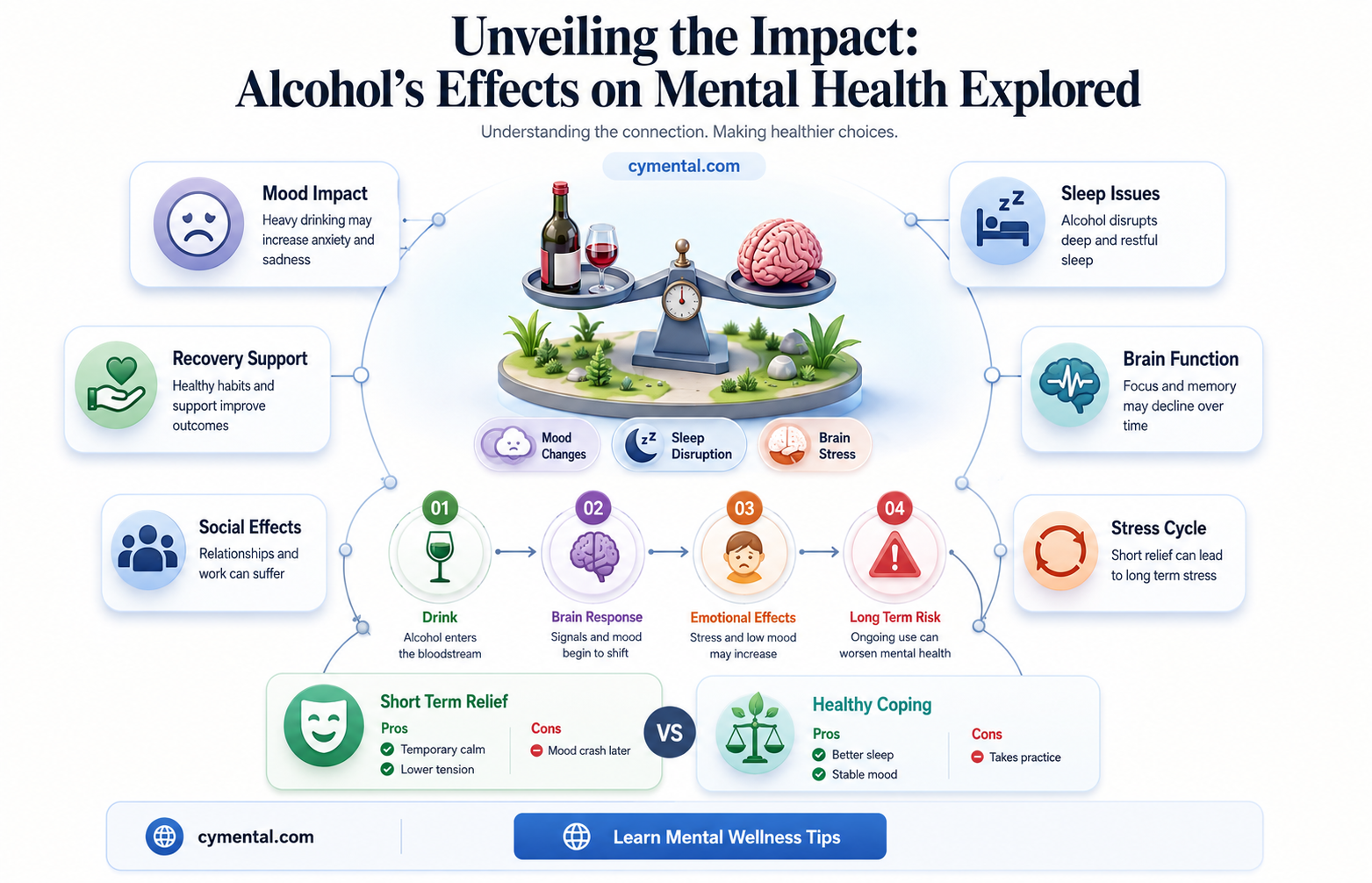
Alcohol consumption has a profound impact on mental health, influencing mood, behavior, and cognitive function. While moderate drinking may have some social and relaxation benefits, excessive alcohol intake can lead to a range of mental health issues, including anxiety, depression, and impaired decision-making. Understanding the complex relationship between alcohol and mental health is crucial for promoting responsible drinking habits and addressing the potential risks associated with alcohol abuse.
| Characteristics | Values |
|---|---|
| Impacts mood | Can lead to feelings of euphoria, relaxation, or sadness |
| Alters perception | Changes how a person sees and interprets reality |
| Impairs judgment | Reduces ability to make sound decisions |
| Affects memory | Can cause blackouts or memory lapses |
| Influences behavior | May lead to risky or aggressive actions |
| Disrupts sleep | Can cause insomnia or poor sleep quality |
| Impacts appetite | May decrease or increase appetite |
| Alters energy levels | Can cause fatigue or restlessness |
| Affects concentration | Reduces ability to focus and concentrate |
| Impacts relationships | Can strain relationships with friends and family |
| Alters self-esteem | May lead to feelings of guilt, shame, or low self-worth |
| Impacts overall well-being | Can contribute to mental health disorders like depression and anxiety |
Explore related products


What You'll Learn
- Short-term Effects: Alcohol can impair cognitive function, reduce inhibitions, and alter mood temporarily
- Long-term Consequences: Chronic alcohol use may lead to depression, anxiety, and increased risk of suicide
- Addiction and Dependency: Regular consumption can result in physical dependence and addiction, impacting mental well-being
- Social and Relationship Issues: Alcohol misuse can strain relationships and lead to social isolation
- Neurological Impact: Excessive drinking can damage brain cells and disrupt neurotransmitter balance, affecting mental health

Short-term Effects: Alcohol can impair cognitive function, reduce inhibitions, and alter mood temporarily
Alcohol's immediate impact on the brain is multifaceted, with cognitive impairment being one of the most notable short-term effects. This impairment can manifest as difficulty concentrating, slowed reaction times, and impaired decision-making abilities. For instance, a person might find it challenging to perform tasks that require quick thinking or precise coordination, such as driving or operating machinery.
In addition to cognitive impairment, alcohol consumption can lead to a reduction in inhibitions. This effect is often characterized by increased talkativeness, a sense of euphoria, and a willingness to engage in behaviors that might otherwise be considered risky or socially inappropriate. While this disinhibition can sometimes lead to positive social interactions, it can also result in regrettable actions or situations that compromise personal safety.
Mood alteration is another significant short-term effect of alcohol. Depending on the individual and the amount consumed, alcohol can induce a range of emotional states, from relaxation and happiness to anxiety and aggression. These mood changes are often temporary and can be influenced by various factors, including the person's genetic makeup, tolerance to alcohol, and the social context in which the drinking occurs.
It's important to note that the short-term effects of alcohol can vary widely among individuals. Factors such as age, weight, gender, and overall health can all play a role in how alcohol affects a person's cognitive function, inhibitions, and mood. Additionally, the type and amount of alcohol consumed, as well as the speed at which it is ingested, can significantly influence the intensity and duration of these effects.
Understanding the short-term effects of alcohol is crucial for making informed decisions about drinking. By recognizing how alcohol can impair cognitive function, reduce inhibitions, and alter mood, individuals can take steps to mitigate potential risks and ensure their own safety and well-being. This might include setting limits on alcohol consumption, avoiding drinking in situations where cognitive function is critical, and being aware of how alcohol interacts with other substances or health conditions.
The Dark Side: Religion's Negative Impact on Mental Health
You may want to see also
Explore related products


Long-term Consequences: Chronic alcohol use may lead to depression, anxiety, and increased risk of suicide
Chronic alcohol use has a profound impact on mental health, leading to a range of long-term consequences that can significantly affect an individual's well-being. One of the most concerning outcomes is the increased risk of depression and anxiety. Studies have shown that prolonged exposure to alcohol can alter the brain's chemistry, leading to imbalances in neurotransmitters such as serotonin and dopamine, which are crucial for regulating mood.
Furthermore, chronic alcohol use can lead to a heightened risk of suicide. This is particularly alarming given that suicide is already a leading cause of death worldwide. The relationship between alcohol and suicide is complex, involving factors such as impaired judgment, increased impulsivity, and a sense of hopelessness that can result from long-term substance abuse. It is essential to recognize the warning signs of suicidal ideation in individuals struggling with alcohol addiction, such as persistent feelings of sadness, withdrawal from social activities, and changes in sleep patterns.
In addition to these mental health risks, chronic alcohol use can also lead to physical health problems, including liver damage, cardiovascular issues, and neurological disorders. These physical health consequences can further exacerbate mental health issues, creating a vicious cycle that is difficult to break. It is crucial for individuals struggling with alcohol addiction to seek professional help, as early intervention can significantly improve outcomes and reduce the risk of long-term consequences.
Treatment for alcohol addiction often involves a combination of medical and psychological interventions. Medications such as naltrexone and acamprosate can help reduce cravings and withdrawal symptoms, while behavioral therapies such as cognitive-behavioral therapy (CBT) and motivational interviewing can help individuals identify and change negative thought patterns and behaviors associated with alcohol use. Support groups such as Alcoholics Anonymous can also provide valuable social support and a sense of community for those in recovery.
In conclusion, the long-term consequences of chronic alcohol use on mental health are severe and far-reaching. It is essential to raise awareness about these risks and to provide accessible and effective treatment options for those struggling with alcohol addiction. By addressing the root causes of addiction and providing comprehensive support, we can help individuals overcome the challenges of alcohol abuse and improve their overall well-being.
The Silent Struggle: Poverty's Impact on Mental Health
You may want to see also
Explore related products


Addiction and Dependency: Regular consumption can result in physical dependence and addiction, impacting mental well-being
Regular alcohol consumption can lead to physical dependence and addiction, significantly impacting mental well-being. This process often begins with tolerance, where the body requires increasing amounts of alcohol to achieve the same effects. Over time, this can escalate into dependence, where the individual feels compelled to drink despite negative consequences. Addiction, a chronic disorder characterized by compulsive alcohol use, loss of control over intake, and negative emotional states when not consuming, can severely disrupt mental health.
The development of addiction involves complex interactions between genetic, environmental, and psychological factors. For instance, individuals with a family history of addiction may be more susceptible due to genetic predispositions. Environmental factors, such as social influences and availability of alcohol, also play a crucial role. Psychological factors, including stress, anxiety, and depression, can further contribute to the risk of developing an addiction.
Addiction can exacerbate existing mental health conditions and lead to new ones. For example, it can worsen symptoms of depression and anxiety, and increase the risk of developing psychotic disorders. The chronic stress associated with addiction can also lead to changes in brain structure and function, particularly in areas responsible for decision-making, impulse control, and emotional regulation.
Breaking the cycle of addiction often requires professional help, including detoxification, behavioral therapies, and medication. Cognitive-behavioral therapy (CBT) is a common approach, helping individuals identify and change negative thought patterns and behaviors associated with alcohol use. Medications like naltrexone, acamprosate, and disulfiram can also be effective in reducing cravings and preventing relapse.
Prevention is key in addressing addiction. Strategies include limiting alcohol intake, avoiding binge drinking, and seeking support from friends, family, or professionals if alcohol use becomes problematic. Public health initiatives, such as education campaigns and policies regulating alcohol sales and marketing, can also play a vital role in reducing the prevalence of addiction.
In conclusion, addiction and dependency are serious consequences of regular alcohol consumption, with far-reaching impacts on mental well-being. Understanding the factors contributing to addiction and the available treatment options is crucial in addressing this complex issue. By prioritizing prevention and providing support for those affected, we can work towards reducing the burden of addiction on individuals and society.
Boost Your Mood: The Power of Physical Activity on Mental Health
You may want to see also
Explore related products


Social and Relationship Issues: Alcohol misuse can strain relationships and lead to social isolation
Alcohol misuse can have profound effects on an individual's social and relational well-being. One of the most significant impacts is the strain it places on personal relationships. Family members and friends may struggle to understand and cope with the behavioral changes that accompany excessive drinking, leading to feelings of frustration, anger, and helplessness. Over time, these strained relationships can result in emotional distance and even estrangement, exacerbating the individual's sense of loneliness and isolation.
Social isolation is a particularly insidious consequence of alcohol misuse. As individuals become increasingly reliant on alcohol, they may withdraw from social activities and engagements, preferring the solitude of drinking alone. This withdrawal can be driven by a variety of factors, including the fear of judgment from others, the shame associated with their drinking habits, or the physical and emotional toll of alcohol consumption. As social connections dwindle, individuals may find themselves lacking the support networks that are crucial for maintaining mental and emotional health.
The impact of alcohol misuse on relationships and social connections can also have broader societal implications. For example, alcohol-related problems can contribute to workplace issues, such as absenteeism, decreased productivity, and conflicts with colleagues. These professional difficulties can further erode an individual's sense of self-worth and social standing, creating a vicious cycle of isolation and despair.
Addressing the social and relationship issues stemming from alcohol misuse requires a multifaceted approach. Individuals struggling with alcohol dependency may benefit from counseling and therapy that focuses on rebuilding relationships and developing healthy social skills. Support groups, such as Alcoholics Anonymous, can also provide a sense of community and connection for those in recovery. Additionally, public health initiatives and educational programs can help to reduce the stigma surrounding alcohol misuse, encouraging individuals to seek help and support before their relationships and social connections are irreparably damaged.
In conclusion, the social and relationship issues associated with alcohol misuse are complex and far-reaching. By understanding the dynamics of these issues and implementing targeted interventions, individuals and communities can work towards mitigating the harmful effects of alcohol dependency and fostering healthier, more supportive social environments.
Understanding Grief's Impact: How Loss Affects Mental Health
You may want to see also
Explore related products


$10.99 $18.99


Neurological Impact: Excessive drinking can damage brain cells and disrupt neurotransmitter balance, affecting mental health
Excessive alcohol consumption has a profound impact on the brain's structure and function. One of the primary ways it affects mental health is by damaging brain cells. The brain is composed of billions of neurons that communicate with each other through electrical and chemical signals. Alcohol, particularly when consumed in large quantities, can interfere with these signals, leading to a disruption in normal brain function.
Neurotransmitters, such as serotonin, dopamine, and GABA, play a crucial role in regulating mood, motivation, and anxiety. Alcohol can disrupt the balance of these neurotransmitters, leading to a range of mental health issues. For example, excessive drinking can decrease the levels of serotonin, which is involved in mood regulation, leading to feelings of depression and anxiety. Similarly, it can affect dopamine levels, which are associated with reward and motivation, potentially leading to a decrease in motivation and an increase in compulsive behaviors.
The damage to brain cells and disruption of neurotransmitter balance can have long-lasting effects on mental health. Chronic excessive drinking can lead to conditions such as Wernicke-Korsakoff syndrome, a serious neurological disorder characterized by memory loss, confusion, and difficulty with coordination. Additionally, it can increase the risk of developing psychiatric disorders such as depression, anxiety, and psychosis.
It is important to note that the effects of alcohol on the brain can vary depending on factors such as the amount and frequency of consumption, age, and individual differences in metabolism and genetics. However, it is clear that excessive drinking can have significant and potentially irreversible consequences for mental health. Therefore, it is crucial to consume alcohol in moderation and to seek help if drinking becomes problematic.
The Impact of Cell Phones on Mental Health: A Comprehensive Guide
You may want to see also
Frequently asked questions
Yes, alcohol can have immediate effects on mental health. It can lead to mood swings, reduced inhibitions, and impaired judgment. While some people may feel more relaxed or sociable after drinking, others may experience anxiety, depression, or even aggression.
Regular alcohol consumption can lead to a range of long-term mental health issues. These include depression, anxiety, and addiction. Alcohol can also exacerbate existing mental health conditions and increase the risk of developing new ones. Over time, it can affect brain chemistry and function, leading to mood instability and cognitive impairment.
Alcohol can interact negatively with many mental health medications. It can reduce the effectiveness of antidepressants, mood stabilizers, and antipsychotics. Additionally, mixing alcohol with these medications can increase the risk of side effects, such as drowsiness, dizziness, and impaired coordination. It's generally advised to avoid alcohol while taking mental health medications.