Lucas Bennett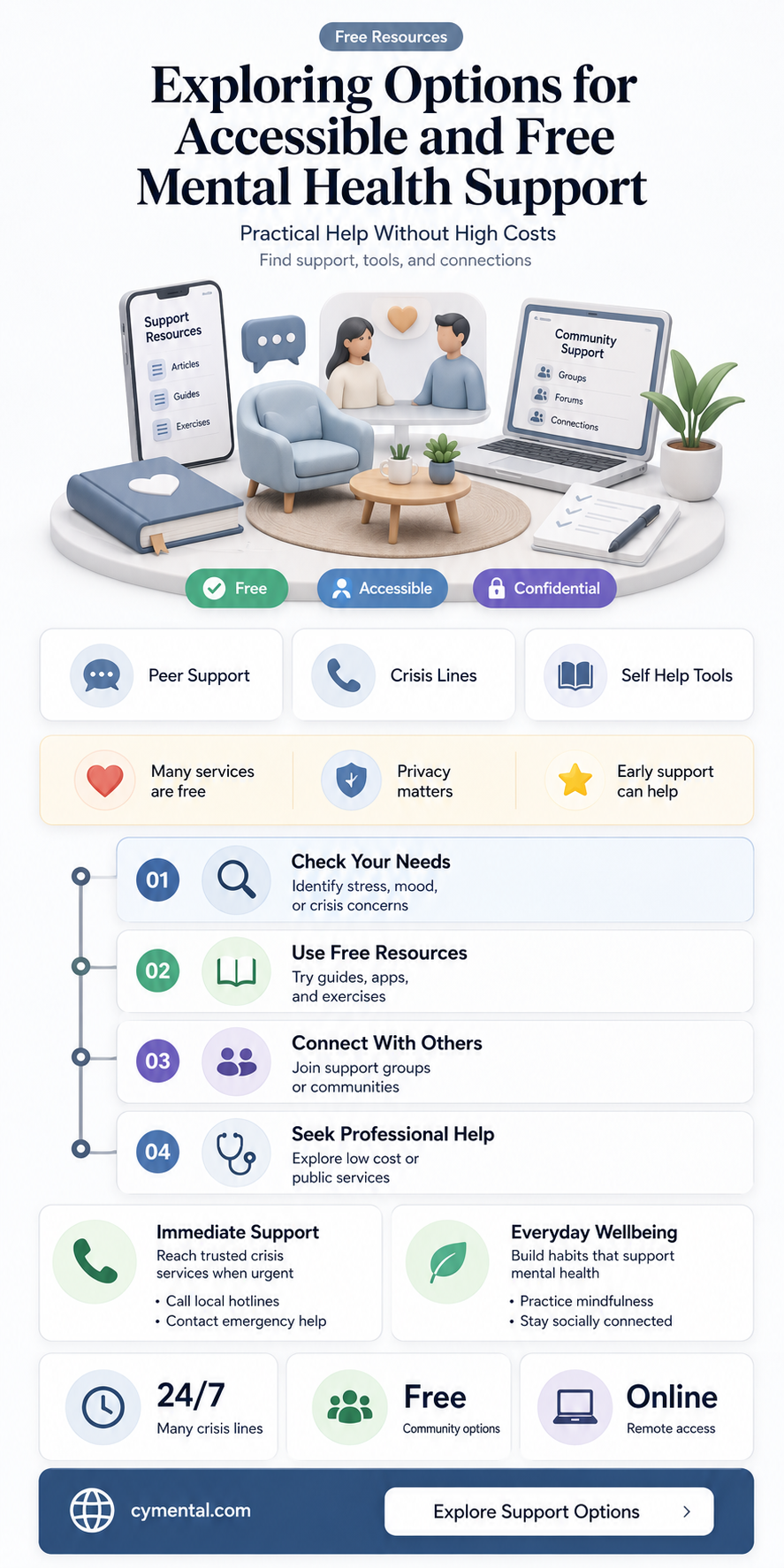
Seeking free therapy can be a crucial step towards mental health recovery, and there are several avenues to explore. Many community health centers offer sliding scale fees based on income, making therapy more accessible. Additionally, some universities with psychology programs provide free or low-cost therapy sessions as part of their training programs. Online platforms and apps like BetterHelp and Talkspace occasionally offer free trials or discounted rates. It's also worth checking with your employer's health insurance plan, as some cover mental health services. Lastly, support groups and local non-profit organizations often provide free counseling services. Remember, taking the first step to seek help is commendable, and there are resources available to support your journey towards better mental health.
| Characteristics | Values |
|---|---|
| Availability | Widely available online and in-person |
| Cost | Free of charge |
| Types of therapy | Various, including cognitive-behavioral, mindfulness, and talk therapy |
| Accessibility | Accessible to individuals with internet access or local community resources |
| Confidentiality | Typically confidential, with some exceptions for safety concerns |
| Effectiveness | Can be highly effective for treating mental health issues |
| Support | Often provides ongoing support and resources |
| Stigma reduction | Helps reduce stigma associated with seeking mental health treatment |
| Flexibility | Offers flexible scheduling and session lengths |
| Professional guidance | Usually conducted by trained mental health professionals |
Explore related products


What You'll Learn
- Community Mental Health Centers: Local facilities offering sliding scale or free therapy services based on income
- University Training Clinics: Graduate students provide therapy under supervision for reduced or no fees
- Non-Profit Organizations: Charities and NGOs may offer free counseling sessions for specific issues or demographics
- Online Therapy Platforms: Some websites provide free therapy sessions, often with limitations on frequency or duration
- Government Assistance Programs: Medicaid, Medicare, and other government programs may cover therapy costs for eligible individuals

Community Mental Health Centers: Local facilities offering sliding scale or free therapy services based on income
Community Mental Health Centers are local facilities that provide essential mental health services, including therapy, to individuals regardless of their ability to pay. These centers operate on a sliding scale fee structure, which means that the cost of services is adjusted based on the client's income. This approach ensures that everyone has access to mental health care, including those who may not be able to afford it otherwise.
One of the key benefits of Community Mental Health Centers is their focus on serving the local community. They are often staffed by professionals who are familiar with the specific needs and challenges of the area, and they may offer specialized programs and services tailored to those needs. Additionally, these centers may provide a range of services beyond therapy, such as psychiatric evaluations, medication management, and support groups.
To access services at a Community Mental Health Center, individuals typically need to complete an intake process, which may involve filling out paperwork and meeting with a staff member to discuss their needs and financial situation. Once this process is complete, the center will determine the appropriate fee based on the client's income and begin providing services.
It's important to note that while Community Mental Health Centers offer sliding scale or free therapy services, they may have limited resources and funding. As a result, there may be waitlists for services, and the availability of certain programs or providers may be restricted. However, these centers remain a vital resource for individuals seeking affordable mental health care.
In conclusion, Community Mental Health Centers play a crucial role in providing accessible mental health services to local communities. Their sliding scale fee structure ensures that everyone, regardless of income, can receive the care they need. While there may be limitations to the services offered, these centers remain an essential resource for individuals seeking affordable therapy and other mental health support.
Navigating the Process: How to Get a Mental Evaluation on Someone
You may want to see also
Explore related products


University Training Clinics: Graduate students provide therapy under supervision for reduced or no fees
University training clinics offer a valuable resource for individuals seeking affordable therapy. These clinics are typically affiliated with graduate programs in psychology, counseling, or social work, and provide a platform for students to gain practical experience while offering therapeutic services to the community. Here's how you can access free or low-cost therapy through these clinics:
First, research local universities with graduate programs in mental health fields. Many institutions have training clinics that offer therapy services as part of their curriculum. You can usually find this information on the university's website or by contacting their psychology or counseling department directly.
Once you've identified potential clinics, reach out to inquire about their services, fees, and availability. Some clinics may offer sliding scale fees based on income, while others may provide services at no cost. Be prepared to provide some basic information about your needs and circumstances to help the clinic determine if they can accommodate you.
If you're accepted into a clinic, you'll typically be matched with a graduate student therapist who is supervised by a licensed professional. The quality of care can be comparable to that of a private practice, as students are trained to provide evidence-based treatments and are closely monitored by their supervisors.
Keep in mind that there may be some limitations to consider. The availability of appointments might be more restricted than in a private practice, and you may need to commit to a certain number of sessions. Additionally, since the therapists are in training, they may not have the same level of experience as a fully licensed professional. However, many people find that the benefits of accessing affordable therapy outweigh these potential drawbacks.
In conclusion, university training clinics can be an excellent option for those seeking free or low-cost therapy. By doing some research and reaching out to local institutions, you can access quality mental health services while supporting the training of future therapists.
Navigating Disability Benefits for Mental Health Conditions: A Comprehensive Guide
You may want to see also
Explore related products



Non-Profit Organizations: Charities and NGOs may offer free counseling sessions for specific issues or demographics
Many non-profit organizations, charities, and NGOs provide free counseling sessions tailored to specific issues or demographics. These sessions can be a valuable resource for individuals seeking therapy without the financial burden. To access these services, one can start by researching local non-profit organizations that focus on the specific issue they are facing, such as domestic violence, addiction, or mental health.
Once a suitable organization is identified, the individual can reach out to inquire about their free counseling services. Some organizations may have eligibility criteria based on income, location, or the nature of the issue. It is essential to be honest and transparent about one's situation to ensure the best possible support.
In addition to traditional counseling, some non-profit organizations offer alternative forms of therapy, such as group sessions, workshops, or online resources. These options can be particularly beneficial for individuals who may not have access to one-on-one counseling or prefer a more community-based approach.
When seeking free therapy through non-profit organizations, it is crucial to be patient and persistent. Waiting lists can be long, and funding may be limited. However, by continuing to reach out and explore different options, individuals can eventually find the support they need.
Overall, non-profit organizations, charities, and NGOs can be a vital source of free therapy for those in need. By doing thorough research, being open and honest about one's situation, and exploring various forms of support, individuals can access the help they require to improve their mental health and well-being.
Navigating Mental Health in the Workplace: Understanding Your Rights
You may want to see also
Explore related products


Online Therapy Platforms: Some websites provide free therapy sessions, often with limitations on frequency or duration
Online therapy platforms have emerged as a valuable resource for individuals seeking mental health support without the barriers of cost. These platforms often operate on a freemium model, providing basic services at no charge while offering additional features or extended sessions for a fee. To access free therapy sessions, users typically need to create an account and may be required to complete an initial assessment to match them with a suitable therapist.
One of the key benefits of online therapy platforms is their accessibility. Individuals can access therapy from the comfort of their own homes, eliminating the need for travel and reducing the stigma associated with seeking mental health care. Additionally, these platforms often offer flexible scheduling options, allowing users to book sessions at times that are convenient for them.
However, it is important to note that free therapy sessions on these platforms may have limitations. For instance, the frequency and duration of sessions might be restricted, and users may not have the option to choose their therapist. Furthermore, the quality of care can vary, and it is essential to research the platform and its therapists to ensure that they are reputable and qualified.
Despite these limitations, online therapy platforms can be a valuable tool for those who are unable to afford traditional therapy or who are seeking a more convenient and accessible option. By leveraging technology, these platforms are helping to democratize mental health care and make it more available to a wider audience.
Will Life Improve? A Journey Through Hard Times and Hope
You may want to see also
Explore related products


Government Assistance Programs: Medicaid, Medicare, and other government programs may cover therapy costs for eligible individuals
Medicaid and Medicare are two of the most well-known government assistance programs that can help cover the costs of therapy for eligible individuals. Medicaid is a joint federal and state program that provides health coverage to low-income adults, children, pregnant women, elderly adults, and people with disabilities. Medicare, on the other hand, is a federal program that provides health coverage to individuals aged 65 and older, as well as some younger people with disabilities.
To qualify for Medicaid, individuals must meet certain income and asset requirements, which vary by state. Once enrolled, Medicaid can cover a wide range of mental health services, including individual and group therapy, counseling, and psychiatric care. Medicare also covers mental health services, but there may be limits on the number of sessions covered and the types of services provided.
In addition to Medicaid and Medicare, there are other government programs that can help individuals access free or low-cost therapy. For example, the Substance Abuse and Mental Health Services Administration (SAMHSA) offers grants to community mental health centers, which can provide therapy services to individuals regardless of their ability to pay. The Veterans Health Administration (VHA) also offers mental health services to veterans, including therapy, counseling, and psychiatric care.
To access therapy through these government programs, individuals will typically need to apply for coverage and meet certain eligibility requirements. This may involve providing documentation of income, assets, and medical history. Once enrolled, individuals can work with their healthcare provider to develop a treatment plan that includes therapy services.
It's important to note that while these government programs can provide valuable support, they may not cover all types of therapy or all individuals in need. Private insurance plans may also offer coverage for therapy services, and some therapists offer sliding scale fees or pro bono services for individuals who cannot afford to pay.
Exploring Options: Where to Obtain Brain Scans for Mental Health Assessments
You may want to see also
Frequently asked questions
There are several options for accessing free therapy, even if you're facing financial difficulties. You can explore local community mental health centers, which often offer sliding scale fees or free services based on income. Additionally, some therapists offer pro bono sessions, and you can find these through professional associations or online directories. Non-profit organizations and support groups may also provide free counseling services.
Yes, there are online platforms that provide free therapy sessions. Some websites and apps connect you with licensed therapists who offer pro bono or low-cost services. These platforms may have a vetting process to ensure the quality of care. It's essential to research and choose reputable platforms that prioritize your privacy and well-being.
It's possible to access free therapy through your employer or insurance provider. Many companies offer Employee Assistance Programs (EAPs) that include counseling services. Check with your HR department to see if this is an option. Additionally, some insurance plans cover mental health services, including therapy, with little to no out-of-pocket cost. Review your insurance policy or contact your provider to understand your coverage.
While therapy is valuable, there are alternative ways to manage your mental health. You can explore self-help resources such as books, online articles, and podcasts that offer strategies for coping with various mental health challenges. Engaging in regular exercise, practicing mindfulness and meditation, and maintaining a strong support network of friends and family can also be beneficial. Additionally, consider reaching out to local support groups or community organizations that may offer free or low-cost resources and guidance.