 Madison Cole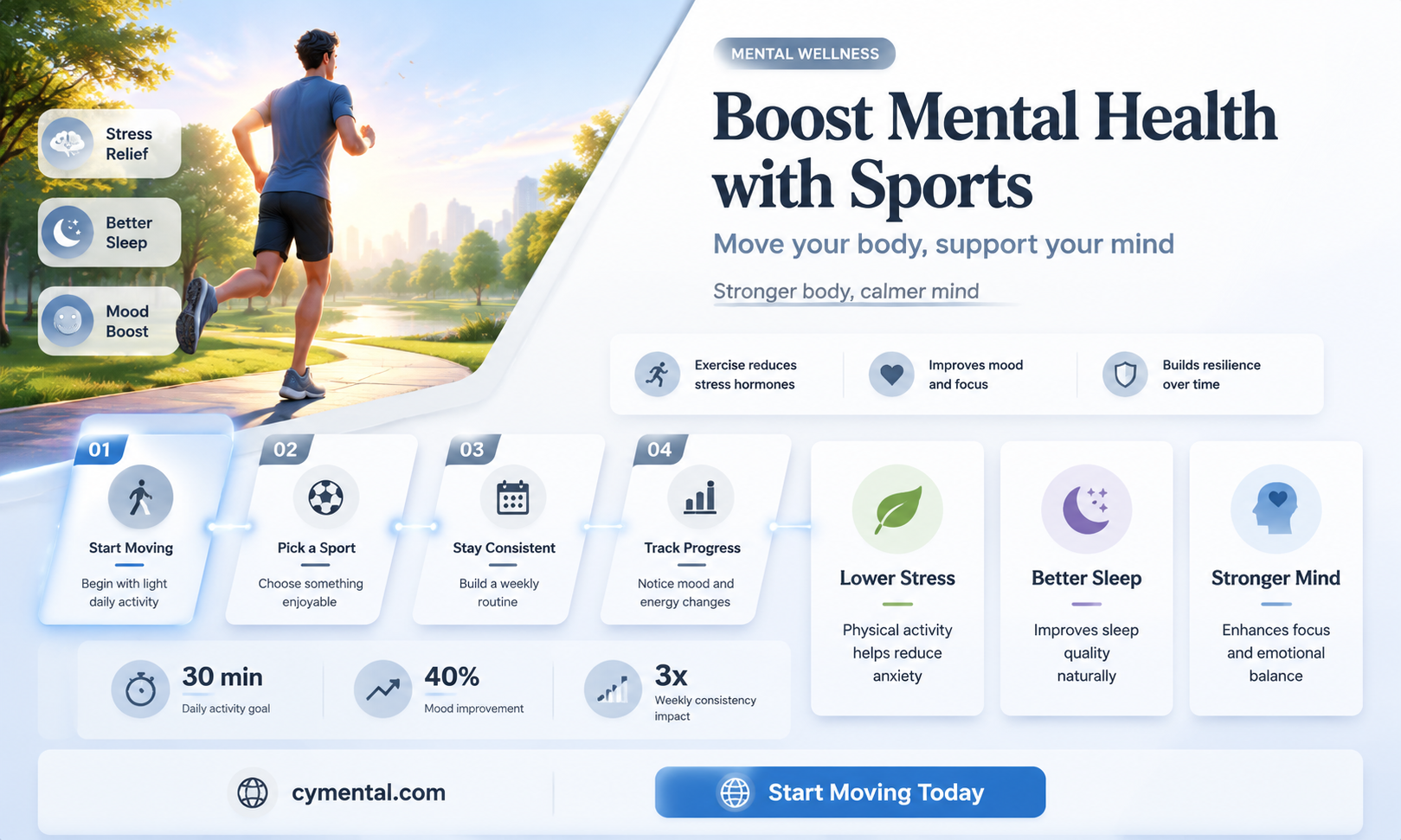
Sports can have a profound impact on an individual's mental health, offering a range of benefits that extend beyond physical fitness. Engaging in regular physical activity can help reduce symptoms of anxiety and depression, improve mood, and enhance overall well-being. The social aspect of sports, whether it's joining a team or participating in group activities, can foster a sense of community and belonging, which is crucial for mental health. Additionally, sports can provide a healthy outlet for stress and emotions, teaching valuable coping mechanisms and resilience. The discipline and goal-setting involved in sports can also boost self-esteem and confidence, contributing to a positive self-image. Overall, incorporating sports into one's lifestyle can be a powerful tool for maintaining and improving mental health.
Explore related products


What You'll Learn
- Stress Relief: Engaging in sports helps release endorphins, reducing stress and anxiety levels
- Mood Enhancement: Physical activity boosts mood by increasing brain sensitivity for hormones serotonin and norepinephrine
- Social Interaction: Sports provide opportunities for social connections, fostering a sense of community and belonging
- Self-Esteem: Achieving goals and improving skills in sports can enhance self-esteem and confidence
- Cognitive Function: Regular exercise has been shown to improve cognitive function and reduce symptoms of depression

Stress Relief: Engaging in sports helps release endorphins, reducing stress and anxiety levels
Engaging in sports is a powerful way to combat stress and anxiety, thanks to the release of endorphins. These natural chemicals, often referred to as "feel-good" hormones, play a crucial role in improving mental health. When we participate in physical activities, our bodies respond by producing endorphins, which interact with receptors in the brain to reduce the perception of pain and trigger positive feelings. This biochemical process not only helps alleviate stress but also contributes to a sense of well-being and happiness.
One of the unique aspects of using sports for stress relief is the variety of activities available. Whether it's a high-intensity workout, a leisurely walk, or a team sport, each type of exercise can offer different benefits. For instance, activities that require focus and concentration, such as tennis or golf, can help take your mind off daily worries and provide a mental break. On the other hand, group sports like basketball or soccer can foster social connections and a sense of community, which are essential for emotional support.
Moreover, the physical benefits of sports, such as improved cardiovascular health and increased muscle strength, can indirectly contribute to mental well-being. When we feel good about our physical appearance and capabilities, it can boost our self-esteem and confidence, leading to a more positive outlook on life. Additionally, regular exercise can help regulate sleep patterns, which is vital for maintaining good mental health. Lack of sleep can exacerbate stress and anxiety, so the sleep-promoting effects of sports can be particularly beneficial.
It's also important to note that sports can provide a healthy outlet for emotions. Engaging in physical activity allows us to channel our feelings into something productive, rather than letting them fester and contribute to stress. For example, a vigorous run or a boxing session can be an excellent way to release pent-up anger or frustration in a controlled and safe manner.
In conclusion, the stress-relieving benefits of sports are multifaceted. From the biochemical effects of endorphins to the social and emotional advantages, engaging in physical activities can be a holistic approach to improving mental health. By incorporating sports into our daily routines, we can develop a more resilient and positive mindset, better equipped to handle life's challenges.
Pursuing Legal Action for Mental Anguish: What You Need to Know
You may want to see also
Explore related products


Mood Enhancement: Physical activity boosts mood by increasing brain sensitivity for hormones serotonin and norepinephrine
Regular physical activity has a profound impact on mood enhancement, primarily through its effect on brain chemistry. Engaging in sports or exercise increases the brain's sensitivity to the hormones serotonin and norepinephrine, which are crucial in regulating mood, reducing stress, and improving overall mental well-being. This heightened sensitivity allows for better communication between neurons, leading to enhanced mood states and a decrease in symptoms associated with depression and anxiety.
One of the key mechanisms by which physical activity boosts mood is through the release of endorphins, often referred to as "feel-good" hormones. These endorphins act as natural painkillers and mood elevators, providing a sense of euphoria and well-being. Additionally, exercise stimulates the production of serotonin, which plays a vital role in mood regulation, appetite, and sleep patterns. Norepinephrine, another hormone influenced by physical activity, is involved in the body's stress response and can help alleviate feelings of anxiety and depression.
The benefits of physical activity on mood are not limited to the immediate post-exercise period. Regular engagement in sports or exercise can lead to long-term improvements in mental health. Studies have shown that consistent physical activity can reduce the risk of developing depression and anxiety disorders, improve self-esteem, and enhance cognitive function. Furthermore, exercise can serve as a healthy coping mechanism for stress, providing individuals with a constructive outlet for emotional expression.
Incorporating physical activity into one's daily routine can be challenging, but the mental health benefits make it a worthwhile endeavor. Even moderate levels of exercise, such as brisk walking or cycling, can have a significant impact on mood enhancement. It is essential to find an activity that is enjoyable and sustainable, as consistency is key to reaping the mental health benefits of physical activity.
In conclusion, the relationship between physical activity and mood enhancement is well-established, with exercise serving as a powerful tool for improving mental health. By increasing brain sensitivity to serotonin and norepinephrine, physical activity can lead to reduced symptoms of depression and anxiety, improved mood states, and enhanced overall well-being. Embracing a regular exercise routine can be a transformative step towards achieving better mental health and a more balanced lifestyle.
Finding Support: Where to Talk About Mental Health
You may want to see also
Explore related products


Social Interaction: Sports provide opportunities for social connections, fostering a sense of community and belonging
Sports offer a unique platform for individuals to forge social connections and foster a sense of community and belonging. This aspect of sports is particularly beneficial for mental health, as social interaction is a key component of emotional well-being. Engaging in sports activities provides opportunities to meet new people, form friendships, and develop a support network, all of which can help alleviate feelings of loneliness and isolation.
One of the ways sports promote social interaction is through team-based activities. Being part of a team encourages collaboration, communication, and mutual support, all of which are essential for building strong social bonds. Additionally, sports teams often have a shared identity and common goals, which can further enhance the sense of belonging and community among team members.
Sports also provide opportunities for social interaction through competitions and events. Participating in tournaments, matches, and other sporting events allows individuals to connect with others who share similar interests and passions. These events can also serve as a platform for individuals to showcase their skills and talents, which can boost self-esteem and confidence.
Furthermore, sports can help bridge social divides and promote inclusivity. By bringing together individuals from diverse backgrounds and cultures, sports can foster understanding and respect among different groups. This can help break down stereotypes and prejudices, and promote a more inclusive and accepting society.
In conclusion, the social interaction opportunities provided by sports can have a significant positive impact on mental health. By fostering a sense of community and belonging, sports can help alleviate feelings of loneliness and isolation, boost self-esteem and confidence, and promote inclusivity and understanding among different groups.
Unraveling Mental Stability: A Guide for Legal Proceedings
You may want to see also
Self-Esteem: Achieving goals and improving skills in sports can enhance self-esteem and confidence
Achieving goals and improving skills in sports can significantly enhance self-esteem and confidence. This is because setting and meeting objectives in a physical activity provides tangible evidence of one's capabilities and progress. For instance, mastering a new technique in basketball or reducing a personal best time in running offers a sense of accomplishment that can translate into increased self-worth.
Moreover, sports often involve overcoming challenges and pushing personal boundaries, which can foster resilience and a growth mindset. When individuals face obstacles in their athletic pursuits, such as injuries or tough competition, they learn to adapt, strategize, and persevere. These experiences can bolster their confidence, teaching them that they are capable of handling difficult situations and emerging stronger.
Additionally, sports can provide a supportive community that encourages and celebrates individual achievements. Being part of a team or sports group can offer a sense of belonging and camaraderie, which can further enhance self-esteem. Positive feedback from coaches, teammates, and spectators can reinforce an individual's belief in their abilities and motivate them to continue striving for excellence.
It is also important to note that the relationship between sports and self-esteem is not linear. While success in sports can boost confidence, setbacks and failures can also provide valuable learning opportunities. By learning to cope with defeat and use it as a stepping stone for improvement, individuals can develop a more nuanced and resilient sense of self-worth.
In conclusion, sports can be a powerful tool for enhancing self-esteem and confidence. By setting and achieving goals, overcoming challenges, and being part of a supportive community, individuals can develop a stronger sense of self-worth and belief in their abilities. However, it is crucial to approach sports with a balanced perspective, recognizing that both successes and failures can contribute to personal growth and self-esteem.
Navigating the Ethical Dilemma of Disclosure in Mental Competency
You may want to see also
Cognitive Function: Regular exercise has been shown to improve cognitive function and reduce symptoms of depression
Regular physical activity has a profound impact on cognitive function, particularly in older adults. Studies have shown that engaging in aerobic exercise, such as brisk walking, jogging, or cycling, can improve memory, attention, and processing speed. This is due to the increased blood flow to the brain, which provides it with more oxygen and nutrients. Additionally, exercise stimulates the production of neurotrophic factors, such as brain-derived neurotrophic factor (BDNF), which promote the growth and survival of brain cells.
Depression is a common mental health condition that can significantly impair cognitive function. However, regular exercise has been shown to reduce symptoms of depression and improve overall mood. This is likely due to the release of endorphins, which are natural mood-enhancing chemicals produced by the brain during physical activity. Exercise can also provide a sense of accomplishment and social connection, which can further contribute to improved mental health.
The benefits of exercise on cognitive function and depression are not limited to older adults. Children and adolescents who engage in regular physical activity have been shown to perform better academically and have lower rates of depression. This is likely due to the fact that exercise helps to reduce stress and anxiety, which can interfere with cognitive function and contribute to depression.
In terms of dosage, the American Heart Association recommends that adults engage in at least 150 minutes of moderate-intensity aerobic exercise per week. This can be broken down into 30 minutes of exercise per day, five days a week. For children and adolescents, the recommended amount of exercise is at least 60 minutes per day. It is important to note that any amount of exercise is beneficial, and even small increases in physical activity can have a positive impact on cognitive function and mental health.
In conclusion, regular exercise is a powerful tool for improving cognitive function and reducing symptoms of depression. By increasing blood flow to the brain, stimulating the production of neurotrophic factors, and releasing mood-enhancing chemicals, exercise can have a significant positive impact on mental health. Whether you are an older adult, a child, or somewhere in between, incorporating regular physical activity into your routine can help to improve your cognitive function and overall well-being.
Navigating Able Accounts: Mental Health Disability Qualification Explained
You may want to see also
Frequently asked questions
Sports can benefit mental health by reducing stress, improving mood, and enhancing cognitive function. Physical activity releases endorphins, which are natural mood elevators, and can also serve as a distraction from daily worries.
Regular sports participation is associated with lower levels of depression and anxiety, improved self-esteem, and better sleep quality. It can also lead to increased social interaction and a sense of community, which are important for overall mental well-being.
Yes, sports can help in managing stress and anxiety. Exercise is a well-known stress reliever, and participating in sports can provide a structured and enjoyable way to engage in physical activity. The focus required during sports can also help take your mind off of stressors and anxious thoughts.
Both team and individual sports can be beneficial for mental health, but they offer different advantages. Team sports can provide a sense of camaraderie and social support, which can be particularly beneficial for reducing feelings of loneliness and isolation. Individual sports, on the other hand, can offer a more personalized and focused approach to physical activity, which may be preferable for some individuals.
To get started with using sports to improve mental health, it's important to choose an activity that you enjoy and that fits your lifestyle. Start slowly and gradually increase the intensity and duration of your physical activity. It can also be helpful to consult with a healthcare professional or a mental health expert to develop a personalized plan that meets your specific needs and goals.
