Harper Lewis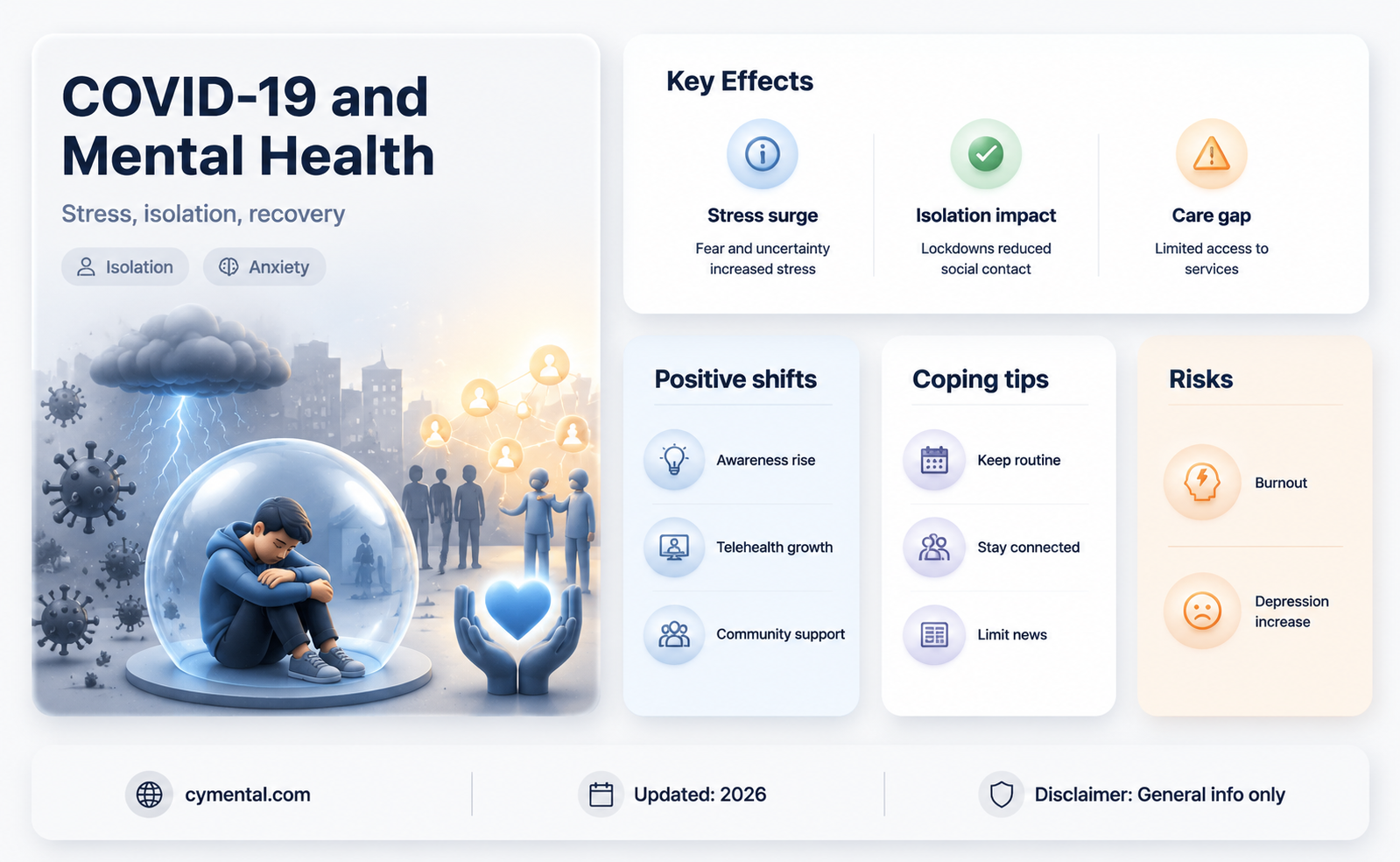
The COVID-19 pandemic has had a profound impact on mental health worldwide. The sudden onset of the virus, coupled with the ensuing lockdowns, social distancing measures, and economic uncertainty, has led to a significant increase in anxiety, depression, and other mental health issues. People have been forced to adapt to new ways of living, working, and socializing, often with limited support and resources. The isolation and disruption of daily routines have been particularly challenging for those with pre-existing mental health conditions, as well as for frontline workers, who have faced unprecedented stress and trauma. As the pandemic continues to evolve, it is essential to prioritize mental health care and support, and to address the long-term consequences of this global crisis on individuals and communities.
| Characteristics | Values |
|---|---|
| Increased anxiety | Many individuals experienced heightened anxiety due to uncertainty about the virus, health risks, and economic instability. |
| Depression | The pandemic led to increased rates of depression, often linked to social isolation, loss of loved ones, and disruptions in daily life. |
| Stress | Elevated stress levels were common as people navigated new challenges such as remote work, homeschooling, and caring for sick family members. |
| Social isolation | Lockdowns and social distancing measures contributed to feelings of loneliness and disconnection from others. |
| Fear of infection | The constant threat of contracting COVID-19 caused fear and apprehension in many people. |
| Grief and loss | The pandemic resulted in significant loss of life, leading to grief and mourning for many individuals and communities. |
| Changes in sleep patterns | Some people experienced insomnia or other sleep disturbances due to stress and anxiety related to the pandemic. |
| Substance use | There was an increase in substance use as some individuals turned to alcohol or drugs as a coping mechanism. |
| Impact on children | Children and adolescents faced unique challenges, including disruptions to education and social development. |
| Long-term mental health effects | The pandemic's impact on mental health is expected to be long-lasting, with potential for ongoing issues such as PTSD and chronic anxiety. |
Explore related products


What You'll Learn

Increased anxiety and depression rates
The COVID-19 pandemic has led to a significant increase in anxiety and depression rates worldwide. This surge in mental health issues can be attributed to various factors, including the uncertainty and fear surrounding the virus, social isolation, economic instability, and disruptions to daily life. Studies have shown that the prevalence of anxiety and depression symptoms increased by approximately 25% and 20%, respectively, during the early stages of the pandemic.
One unique angle to explore is the impact of COVID-19 on specific populations, such as healthcare workers, who have been at the forefront of the crisis. Research has indicated that healthcare professionals experienced higher rates of anxiety, depression, and post-traumatic stress disorder (PTSD) due to the intense pressure and trauma they faced while treating patients during the pandemic. This highlights the need for targeted mental health support and resources for frontline workers.
Another aspect to consider is the role of social media in exacerbating anxiety and depression during the pandemic. While social media platforms can provide a sense of connection and community, they can also contribute to feelings of isolation, comparison, and misinformation. A study found that excessive social media use was associated with increased symptoms of anxiety and depression, particularly among young adults. This underscores the importance of promoting healthy social media habits and encouraging individuals to seek support from reliable sources.
Furthermore, the pandemic has also had a profound impact on children and adolescents, who may have experienced increased anxiety and depression due to school closures, social distancing measures, and changes in family dynamics. Research has shown that children from low-income families were particularly vulnerable to mental health issues during the pandemic, as they faced additional stressors such as food insecurity and lack of access to healthcare. This highlights the need for targeted interventions and support systems for vulnerable youth populations.
In conclusion, the COVID-19 pandemic has had a far-reaching impact on mental health, with increased rates of anxiety and depression affecting various populations worldwide. By focusing on unique angles such as the experiences of healthcare workers, the role of social media, and the impact on children and adolescents, we can gain a deeper understanding of the complex ways in which the pandemic has affected mental health and develop more effective strategies for support and intervention.
The Dark Side: Religion's Negative Impact on Mental Health
You may want to see also
Explore related products


Social isolation and loneliness
The COVID-19 pandemic brought about unprecedented levels of social isolation and loneliness, significantly impacting mental health worldwide. Lockdowns, social distancing measures, and the closure of public spaces forced many individuals into prolonged periods of solitude, disrupting their social networks and support systems. This sudden shift to isolation exacerbated feelings of loneliness, which had already been on the rise due to modern lifestyle changes and technological advancements.
Research has shown that social isolation can have severe psychological effects, including increased risk of depression, anxiety, and even cognitive decline. The lack of face-to-face interactions and physical touch can lead to a sense of disconnection from others, further compounding feelings of loneliness. Moreover, the uncertainty and fear surrounding the pandemic itself contributed to heightened levels of stress and anxiety, which were often exacerbated by the isolation.
One particularly vulnerable group during the pandemic was the elderly population. Many older adults, who may already experience higher levels of loneliness due to factors such as widowhood or limited mobility, found themselves completely isolated from family and friends. This prolonged separation not only affected their mental health but also had physical consequences, as social interaction plays a crucial role in maintaining overall well-being.
In response to these challenges, mental health professionals and organizations developed various strategies to mitigate the effects of social isolation. Telehealth services expanded rapidly, providing individuals with access to virtual therapy sessions and support groups. Additionally, community initiatives such as phone buddy systems and online social events aimed to foster connections and reduce feelings of loneliness.
As the pandemic continues to evolve, it is essential to address the long-term mental health implications of social isolation and loneliness. This includes promoting awareness of the issue, encouraging open conversations about mental health, and investing in resources and support systems that can help individuals cope with the challenges of isolation. By doing so, we can work towards building a more resilient and connected society, better equipped to face future crises.
The Impact of Procrastination on Mental Health: A Comprehensive Guide
You may want to see also
Explore related products


Economic stress and job insecurity
The COVID-19 pandemic has had a profound impact on the global economy, leading to widespread job losses and financial instability. This economic stress has, in turn, taken a significant toll on mental health. Research has shown that financial insecurity can lead to increased levels of anxiety, depression, and other mental health issues. The uncertainty of job security and the pressure to make ends meet can create a constant state of worry and stress, which can be detrimental to overall well-being.
One of the unique angles to consider when examining the impact of COVID-19 on mental health is the role of job insecurity. Job insecurity refers to the fear of losing one's job or the uncertainty about future employment prospects. This can be particularly damaging to mental health, as it can lead to feelings of helplessness and a lack of control over one's life. Studies have shown that job insecurity can lead to increased levels of cortisol, a hormone associated with stress, which can have negative effects on both physical and mental health.
The pandemic has also led to a shift in the way people work, with many individuals transitioning to remote work or facing reduced hours. This change in work environment can contribute to feelings of isolation and disconnection, which can exacerbate mental health issues. Additionally, the blurring of boundaries between work and personal life can lead to increased stress and burnout.
To mitigate the effects of economic stress and job insecurity on mental health, it is important to prioritize self-care and seek support when needed. This can include engaging in stress-reducing activities, such as exercise or meditation, and seeking professional help from a mental health provider. Employers can also play a role in supporting their employees' mental health by providing resources and creating a supportive work environment.
In conclusion, the economic stress and job insecurity caused by the COVID-19 pandemic have had a significant impact on mental health. By understanding the unique challenges posed by these factors and taking steps to address them, individuals and employers can work together to promote mental well-being during these difficult times.
Revitalize Your Mind: The Power of Leisure in Boosting Mental Health
You may want to see also
Explore related products

$18.35 $33.99


Disruption of daily routines
The COVID-19 pandemic brought about unprecedented disruptions to daily routines worldwide. Overnight, familiar structures and rhythms were dismantled, leaving individuals to navigate a new, often isolating reality. This upheaval had profound implications for mental health, as the loss of routine and social connection exacerbated feelings of anxiety, depression, and uncertainty.
One of the most significant impacts of the pandemic was the shift to remote work and virtual learning. While this transition offered some flexibility, it also blurred the boundaries between work and personal life, leading to increased stress and burnout. Many people found themselves working longer hours, struggling to disconnect from their jobs, and feeling overwhelmed by the constant demands of digital communication.
The pandemic also disrupted essential daily activities, such as exercise, hobbies, and social interactions. Gyms, parks, and recreational facilities closed, limiting opportunities for physical activity and outdoor engagement. Social distancing measures and lockdowns further restricted in-person gatherings, leading to increased feelings of loneliness and isolation. These disruptions had a ripple effect on mental health, as individuals lost access to vital coping mechanisms and support systems.
Moreover, the uncertainty and unpredictability of the pandemic created a sense of chronic stress, as people grappled with the unknown. The constant stream of news and information about the virus, coupled with the fear of infection and the loss of loved ones, contributed to heightened anxiety and emotional distress. This prolonged exposure to stress had lasting effects on mental health, with many individuals experiencing long-term symptoms of anxiety and depression.
In conclusion, the disruption of daily routines during the COVID-19 pandemic had far-reaching consequences for mental health. The loss of structure, social connection, and access to essential activities exacerbated feelings of stress, anxiety, and isolation. As the world continues to navigate the aftermath of the pandemic, it is crucial to prioritize mental health support and develop strategies to mitigate the long-term effects of these disruptions.
The Impact of Homelessness on Mental Health: A Comprehensive Look
You may want to see also
Explore related products


Access to mental health services
The COVID-19 pandemic significantly disrupted access to mental health services worldwide. Many individuals found themselves unable to attend in-person therapy sessions due to lockdowns, social distancing measures, and fear of infection. This led to a surge in demand for remote mental health services, such as teletherapy and online counseling platforms. However, not all individuals had equal access to these services, exacerbating existing disparities in mental health care.
One of the primary challenges was the digital divide, where those without reliable internet access or suitable devices were unable to participate in remote therapy. This disproportionately affected marginalized communities, including low-income households, rural areas, and older adults. Furthermore, the rapid transition to remote services left many mental health professionals scrambling to adapt, leading to inconsistencies in the quality and availability of care.
To address these issues, some governments and organizations implemented measures to expand access to mental health services. For example, the United States Department of Health and Human Services (HHS) issued guidance to healthcare providers on how to safely provide in-person care during the pandemic. Additionally, many insurance companies waived copays and deductibles for teletherapy sessions, making remote care more affordable for some individuals.
Despite these efforts, the pandemic highlighted the need for more robust and equitable mental health care systems. As the world moves forward, it is crucial to address the underlying disparities that were exacerbated by COVID-19 and to ensure that all individuals have access to high-quality mental health services, regardless of their socioeconomic status or geographic location.
In conclusion, the COVID-19 pandemic had a profound impact on access to mental health services, revealing significant gaps in the current system. While some progress has been made in expanding access to remote care, there is still much work to be done to ensure that all individuals can receive the mental health support they need.
Hormonal Harmony: The Intricate Link Between Hormones and Mental Health
You may want to see also