Noah Parker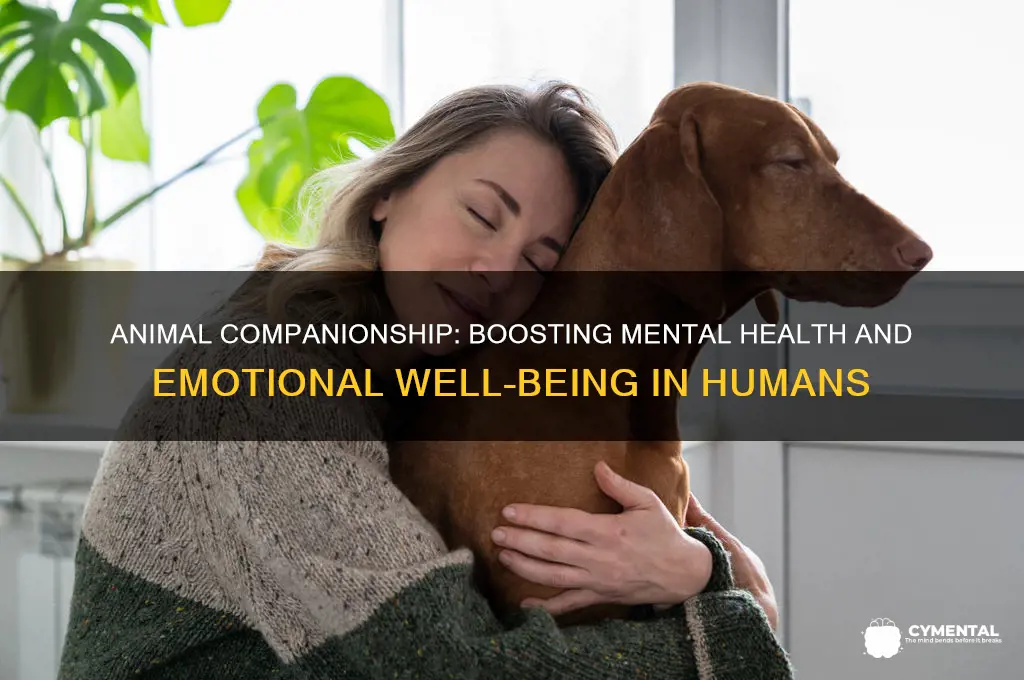
Animals play a profound role in supporting human mental health, offering companionship, emotional comfort, and therapeutic benefits. Pets, such as dogs and cats, reduce stress and anxiety by providing unconditional love and a sense of purpose, while therapy animals assist individuals with conditions like depression, PTSD, and autism by fostering emotional regulation and social interaction. Beyond pets, interactions with wildlife or even observing animals in nature can promote mindfulness and reduce feelings of isolation. The bond between humans and animals triggers the release of oxytocin, a hormone associated with happiness and relaxation, while lowering cortisol, the stress hormone. Through their presence and actions, animals create a calming influence, enhance emotional well-being, and provide a vital source of support for mental health.
| Characteristics | Values |
|---|---|
| Stress Reduction | Interacting with animals lowers cortisol (stress hormone) levels and reduces anxiety. |
| Emotional Support | Pets provide companionship, reduce feelings of loneliness, and offer unconditional love. |
| Improved Mood | Petting animals releases oxytocin, serotonin, and dopamine, which enhance mood and happiness. |
| Social Interaction | Pets encourage social engagement, as they can be conversation starters in public settings. |
| Routine and Purpose | Caring for animals provides structure and a sense of responsibility, boosting mental health. |
| Reduced Symptoms of Depression | Animal-assisted therapy has been shown to alleviate symptoms of depression. |
| Anxiety Relief | Animals can act as emotional support animals (ESAs) to help manage anxiety disorders. |
| PTSD Support | Trained service animals assist individuals with PTSD by providing comfort and grounding. |
| Cognitive Benefits | Interacting with pets can improve focus, memory, and overall cognitive function. |
| Physical Activity | Pets, especially dogs, encourage exercise, which positively impacts mental well-being. |
| Non-Judgmental Presence | Animals offer a safe space for emotional expression without fear of judgment. |
| Therapeutic Bonding | Animal-assisted therapy fosters trust and emotional connection, aiding in mental healing. |
| Reduced Blood Pressure | Petting animals has been linked to lower blood pressure, indirectly benefiting mental health. |
| Enhanced Self-Esteem | Caring for an animal can boost confidence and self-worth. |
| Mindfulness and Presence | Interacting with animals encourages living in the moment, reducing overthinking. |
Explore related products


$10.98 $19.95


What You'll Learn
- Emotional Support Animals: Pets reduce stress, anxiety, and depression through companionship and unconditional love
- Therapy Animals: Trained animals assist in mental health treatments, improving mood and social skills
- Nature Exposure: Interacting with wildlife or natural environments boosts mental well-being and reduces stress
- Animal-Assisted Therapy: Animals help individuals with trauma, PTSD, and autism by providing comfort
- Mindfulness and Pets: Caring for animals promotes mindfulness, reducing anxiety and improving focus

Emotional Support Animals: Pets reduce stress, anxiety, and depression through companionship and unconditional love
The presence of a pet can significantly alter the emotional landscape of a home, offering a unique form of support that transcends words. Emotional Support Animals (ESAs) are not just pets; they are recognized companions prescribed to individuals with mental health conditions. These animals provide a consistent source of comfort, particularly for those grappling with stress, anxiety, and depression. The key lies in their ability to offer unconditional love, a powerful antidote to the isolating effects of mental health struggles. For instance, a study published in the *Journal of Personality and Social Psychology* found that pet owners exhibited greater self-esteem and were more conscientious, traits that can buffer against the impacts of stress and anxiety.
To harness the benefits of an ESA, it’s essential to understand the practical steps involved. First, consult a mental health professional to determine if an ESA is appropriate for your condition. If approved, you’ll receive an ESA letter, which grants certain legal accommodations, such as housing and travel privileges. Next, choose an animal that aligns with your lifestyle and needs—dogs and cats are common, but other pets like rabbits or birds can also serve as effective ESAs. Incorporate daily routines that foster bonding, such as grooming, playtime, or simply sitting together. For maximum benefit, aim for at least 30 minutes of focused interaction daily, as consistency strengthens the emotional connection.
One of the most compelling aspects of ESAs is their ability to provide immediate relief during moments of acute distress. For someone experiencing a panic attack, a dog’s presence can ground them in the present, offering tactile comfort through petting or cuddling. Similarly, the rhythmic purring of a cat has been shown to lower stress levels and reduce blood pressure. These sensory experiences create a calming effect, interrupting the cycle of anxiety or depressive thoughts. A study from *ScienceDirect* highlights that interaction with pets releases oxytocin, often referred to as the “love hormone,” which promotes feelings of trust and bonding.
However, it’s crucial to approach the ESA relationship with realistic expectations. While pets can provide immense emotional support, they are not a substitute for professional treatment. Individuals should continue therapy, medication, or other prescribed interventions as part of a comprehensive mental health plan. Additionally, consider the responsibilities of pet ownership, such as veterinary care, feeding, and exercise, to ensure the well-being of both the animal and the owner. For those with limited mobility or time, smaller, low-maintenance pets like fish or hamsters may be more suitable.
In conclusion, Emotional Support Animals offer a profound and accessible way to mitigate the symptoms of stress, anxiety, and depression. Their companionship and unconditional love create a safe emotional space, fostering resilience and improving overall mental health. By integrating an ESA into one’s life thoughtfully and responsibly, individuals can unlock a powerful tool for healing and daily emotional support.
Kick Stress Away: Soccer's Surprising Mental Health Benefits
You may want to see also
Explore related products


$65.7 $74.95

$9.99 $14.99

$35.34 $39.99


Therapy Animals: Trained animals assist in mental health treatments, improving mood and social skills
Animals have an innate ability to connect with humans on a profound level, and this connection is increasingly being harnessed in mental health treatments. Therapy animals, specifically trained to assist individuals with mental health challenges, play a pivotal role in improving mood, reducing anxiety, and enhancing social skills. Unlike pets, these animals undergo rigorous training to ensure they can provide structured, therapeutic support in clinical or educational settings. Their presence alone can create a calming atmosphere, but their impact goes far beyond mere companionship.
Consider the case of therapy dogs, the most common type of therapy animal. These dogs are trained to interact with individuals in hospitals, schools, and therapy offices, offering comfort and encouragement. For example, children with autism often struggle with social interactions, but therapy dogs provide a non-judgmental, predictable presence that helps them practice communication and empathy. Studies show that just 15–30 minutes of interaction with a therapy dog can significantly reduce cortisol levels, the hormone associated with stress. This "dose" of animal interaction can be as effective as some short-term relaxation techniques, making it a valuable tool in therapy sessions.
The benefits of therapy animals extend to adults as well, particularly those dealing with depression, PTSD, or anxiety disorders. For instance, a therapy horse can help individuals with PTSD rebuild trust and confidence through equine-assisted therapy. The process involves grooming, leading, or riding the horse, which encourages mindfulness and emotional regulation. Similarly, therapy rabbits or cats are often used in nursing homes to combat loneliness and improve mood among the elderly. These animals provide a sense of purpose and routine, which are critical for mental well-being in later life stages.
However, integrating therapy animals into treatment plans requires careful consideration. Not all animals are suited for this role, and their training must align with specific therapeutic goals. For example, a dog trained for emotional support may not be equipped to assist someone with severe anxiety in a crowded public space. Additionally, individuals with allergies or fears of animals may not benefit from this approach. Therapists and handlers must collaborate to ensure the animal’s presence is tailored to the individual’s needs, avoiding potential stressors.
In conclusion, therapy animals are not just pets—they are trained professionals in their own right, offering measurable mental health benefits. Whether it’s a dog helping a child with autism, a horse assisting a veteran with PTSD, or a cat comforting a senior, these animals provide unique, non-verbal support that complements traditional therapies. By understanding their role and limitations, mental health professionals can effectively incorporate therapy animals into treatment plans, fostering healing and growth in ways that words alone cannot achieve.
Music's Power: Boosting Middle Schoolers' Mental Health and Well-Being
You may want to see also
Explore related products


Nature Exposure: Interacting with wildlife or natural environments boosts mental well-being and reduces stress
Spending just 20–30 minutes daily in a natural environment, whether a forest, park, or even a garden, can significantly lower cortisol levels, the body's primary stress hormone. This isn't mere anecdote—research, including a 2019 study published in *Frontiers in Psychology*, demonstrates that "forest bathing," or *shinrin-yoku*, reduces stress markers while improving mood and cognitive function. The mechanism? Natural settings engage the parasympathetic nervous system, promoting relaxation and counteracting the fight-or-flight response. For urban dwellers, even a brief walk in a green space or observing birds from a window can yield measurable benefits, making this practice accessible regardless of location.
Consider the act of interacting with wildlife, such as feeding ducks in a pond or watching squirrels in a park. These seemingly simple activities foster mindfulness, anchoring individuals in the present moment and disrupting cycles of rumination. A 2015 study in the *Journal of Environmental Psychology* found that participants who engaged with wildlife reported higher levels of emotional well-being compared to those in urban settings. For children and adolescents, structured nature exposure—like camping trips or wildlife conservation projects—can enhance resilience and reduce symptoms of anxiety or ADHD. Practical tip: Incorporate "micro-adventures," such as identifying bird species or planting native flowers, to deepen the connection and sustain interest.
While the benefits are clear, not all nature exposure is created equal. Overstimulating environments, like crowded beaches or noisy hiking trails, may negate the calming effects. To maximize mental health gains, prioritize quiet, biodiverse spaces where wildlife is abundant. For instance, a study in *Scientific Reports* (2020) revealed that environments with water features and diverse flora/fauna amplified positive outcomes. Caution: Avoid over-reliance on technology during these interactions; resist the urge to photograph every moment and instead focus on sensory immersion. Even 10 minutes of unmediated observation can reset mental fatigue.
For those with limited mobility or access to outdoor spaces, virtual nature exposure—such as watching wildlife documentaries or using VR simulations—can serve as a viable alternative. A 2021 study in *Environment and Behavior* found that virtual forest walks reduced stress levels by 28% compared to urban virtual environments. Pairing these experiences with tactile elements, like holding a smooth stone or smelling essential oils, enhances the effect. Long-term, integrating nature into daily routines—whether through indoor plants, pet care, or seasonal outdoor activities—builds a sustainable foundation for mental well-being. Start small, stay consistent, and let nature’s rhythms recalibrate your mind.
Exercise Boosts Elderly Mental Health: Benefits and Strategies for Wellbeing
You may want to see also
Explore related products


Animal-Assisted Therapy: Animals help individuals with trauma, PTSD, and autism by providing comfort
Animals have an unparalleled ability to provide comfort and emotional support, making them invaluable in therapeutic settings for individuals dealing with trauma, PTSD, and autism. Unlike human interactions, which can sometimes feel judgmental or overwhelming, animals offer unconditional acceptance. This unique quality allows them to act as a bridge to healing, helping individuals feel safe and understood in ways that traditional therapy might not achieve. For instance, a dog’s presence during a therapy session can lower cortisol levels, reducing anxiety and creating a calmer environment for processing difficult emotions.
Consider the case of animal-assisted therapy for PTSD. Veterans and survivors of traumatic events often struggle with hypervigilance, flashbacks, and emotional numbness. Service dogs trained to recognize signs of distress can interrupt panic attacks by grounding the individual through physical touch or specific commands. For example, a dog might nudge its handler to focus on the present moment or provide deep-pressure therapy by lying across their lap. Studies show that PTSD sufferers who work with service dogs report significant improvements in sleep quality, reduced nightmares, and increased feelings of safety. The consistency and predictability of an animal’s behavior can restore a sense of control in lives often marked by chaos.
For individuals with autism, animals serve as nonverbal communicators, fostering social and emotional development. Horses, in particular, are used in equine-assisted therapy to improve sensory integration and emotional regulation. The rhythmic motion of horseback riding can soothe the nervous system, while caring for the animal teaches responsibility and empathy. A study published in the *Journal of Autism and Developmental Disorders* found that children with autism who participated in equine therapy showed measurable gains in social interaction and reduced repetitive behaviors. Even smaller animals, like guinea pigs or rabbits, can be introduced in controlled settings to help children practice gentle touch and emotional expression.
Implementing animal-assisted therapy requires careful consideration of the individual’s needs and the animal’s welfare. Sessions should be structured to avoid overwhelming either party, with trained handlers ensuring the animal’s comfort and safety. For example, therapy dogs typically work in 30- to 60-minute sessions, with breaks to prevent fatigue. Parents or caregivers of children with autism can start by introducing a pet at home, gradually increasing interaction time as the child becomes more comfortable. It’s also crucial to match the animal’s temperament to the individual’s needs—a calm, predictable dog might be ideal for someone with PTSD, while a more interactive pet could benefit a child with autism.
The power of animal-assisted therapy lies in its ability to meet individuals where they are, emotionally and physically. Whether it’s a dog providing a sense of security, a horse teaching emotional regulation, or a small pet encouraging gentle interaction, animals offer a unique form of comfort that complements traditional therapeutic approaches. By incorporating animals into treatment plans, therapists can unlock new pathways to healing, helping individuals rebuild trust, reduce anxiety, and reconnect with the world around them.
Supporting Through Crisis: Effective Ways to Aid Mental Breakdown Recovery
You may want to see also
Explore related products



Mindfulness and Pets: Caring for animals promotes mindfulness, reducing anxiety and improving focus
The rhythmic purr of a cat, the eager wag of a dog's tail, the gentle nudge of a rabbit's nose – these sensory experiences ground us in the present moment. Caring for pets demands our attention, pulling us away from the swirling vortex of worries and to-do lists. This forced mindfulness, a byproduct of meeting their immediate needs, becomes a powerful tool for managing anxiety.
Studies show that interacting with pets lowers cortisol levels, the stress hormone, while increasing oxytocin, the "love hormone" associated with bonding and relaxation. A 10-minute petting session can significantly reduce stress, offering a quick and accessible way to calm a racing mind.
Consider the act of walking a dog. It's not just exercise for the pet; it's a structured mindfulness practice for the owner. The rhythmic pace, the observation of the dog's curiosity, the focus on navigating the environment – all these elements combine to create a moving meditation. This daily ritual, often seen as a chore, becomes a dedicated time for mindfulness, improving focus and clarity throughout the day.
Think of it as a natural antidote to the constant mental chatter, a way to reconnect with the simplicity of the present moment.
The benefits extend beyond stress reduction. Caring for a pet fosters a sense of responsibility and purpose, combating feelings of loneliness and depression. The routine of feeding, grooming, and playing provides structure, a vital element for mental well-being. For children, interacting with pets teaches empathy, compassion, and responsibility, laying the foundation for healthy emotional development. The bond formed with a pet is unique, offering unconditional love and acceptance, a powerful buffer against the challenges of life.
Incorporating pets into mindfulness practices can be as simple as mindful petting, focusing on the texture of fur, the warmth of their body, and the rhythm of their breath. This sensory engagement anchors us in the present, allowing worries to fade into the background.
While the benefits are undeniable, it's crucial to remember that pet ownership is a commitment. The responsibility of caring for another life should not be taken lightly. Consider your lifestyle, resources, and ability to provide the time and attention a pet needs. Shelters are filled with animals surrendered due to unrealistic expectations. If full-time pet ownership isn't feasible, consider volunteering at a shelter, pet-sitting, or fostering. Even brief interactions with animals can provide significant mental health benefits. Remember, mindfulness is about being present, and any interaction with animals, no matter how brief, can be an opportunity to cultivate this valuable skill.
Reading the Bible: A Path to Mental Health and Healing?
You may want to see also
Frequently asked questions
Animals, particularly pets like dogs and cats, have been shown to lower cortisol levels (the stress hormone) and increase oxytocin (the bonding hormone) in humans. Interacting with animals, such as petting a dog or watching fish swim, can provide a calming effect, reduce anxiety, and promote relaxation.
Yes, animals can play a significant role in improving mental health. Pets provide companionship, routine, and a sense of purpose, which can help alleviate symptoms of depression. Emotional support animals are often prescribed to individuals with depression or anxiety to offer comfort and emotional stability.
Therapy animals, such as those used in animal-assisted therapy (AAT), are trained to interact with individuals in therapeutic settings. They help reduce feelings of isolation, improve mood, and encourage social interaction. Therapy animals are often used in hospitals, schools, and mental health facilities to support emotional and psychological well-being.