Noah Parker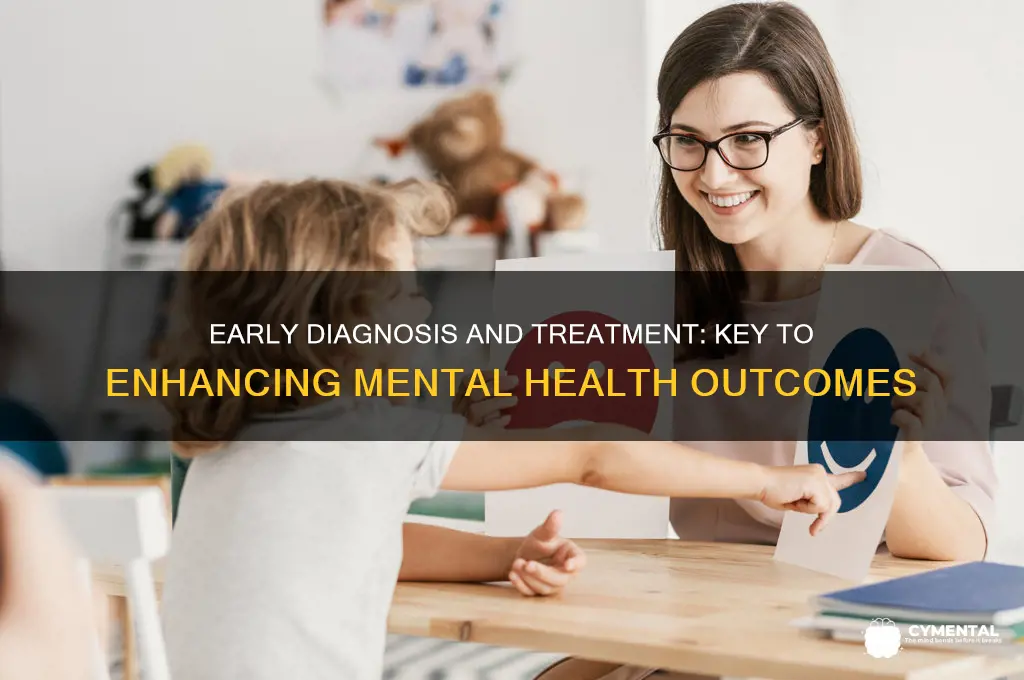
Early diagnosis and treatment are pivotal in improving mental health outcomes, as they enable timely intervention to address underlying issues before they escalate. Identifying mental health conditions in their initial stages allows for more effective management, often preventing the progression of symptoms and reducing the risk of chronic or severe disorders. Prompt treatment, whether through therapy, medication, or lifestyle changes, can enhance coping mechanisms, improve emotional resilience, and restore overall well-being. Additionally, early intervention fosters better social and occupational functioning, minimizing the impact of mental health challenges on daily life. By prioritizing early diagnosis and treatment, individuals can achieve long-term recovery, reduce stigma, and lead healthier, more fulfilling lives.
| Characteristics | Values |
|---|---|
| Improved Prognosis | Early intervention can prevent the progression of mental health conditions, leading to better long-term outcomes. |
| Reduced Severity of Symptoms | Timely treatment can minimize the intensity and frequency of symptoms, improving daily functioning. |
| Enhanced Recovery Rates | Early diagnosis increases the likelihood of full or partial recovery, especially in conditions like depression and anxiety. |
| Prevention of Chronicity | Early treatment can prevent mental health issues from becoming chronic or recurring. |
| Better Quality of Life | Individuals experience improved emotional, social, and occupational well-being. |
| Reduced Healthcare Costs | Early intervention lowers the need for intensive, long-term care, reducing financial burden. |
| Decreased Risk of Complications | Early treatment reduces the risk of comorbidities like substance abuse or physical health issues. |
| Improved Social Functioning | Individuals can maintain healthier relationships and perform better in social and work environments. |
| Increased Treatment Efficacy | Early-stage treatments are often more effective and require less aggressive interventions. |
| Prevention of Self-Harm or Suicide | Timely care significantly reduces the risk of suicidal ideation and self-harm behaviors. |
| Enhanced Brain Plasticity | Early intervention can leverage the brain's ability to adapt and recover, especially in young individuals. |
| Reduced Stigma and Isolation | Early diagnosis encourages seeking help, reducing stigma and promoting social support. |
| Better Adherence to Treatment | Individuals are more likely to engage with and adhere to treatment plans when started early. |
| Prevention of Functional Decline | Early treatment helps maintain cognitive and functional abilities, especially in conditions like schizophrenia. |
| Support for Families and Caregivers | Early intervention provides resources and support for families, reducing caregiver burden. |
Explore related products


What You'll Learn
- Timely Intervention: Early diagnosis allows for prompt treatment, preventing symptom escalation and reducing long-term impact
- Personalized Care: Tailored treatment plans address specific needs, enhancing effectiveness and recovery outcomes
- Reduced Stigma: Early action normalizes seeking help, fostering open conversations and support networks
- Improved Functioning: Treatment helps individuals maintain daily activities, relationships, and overall quality of life
- Prevention of Complications: Early care minimizes risks of chronic conditions, self-harm, or co-occurring disorders

Timely Intervention: Early diagnosis allows for prompt treatment, preventing symptom escalation and reducing long-term impact
Early diagnosis in mental health is akin to catching a small leak before it floods the house. Consider anxiety disorders: untreated, they can evolve from occasional worry to debilitating panic attacks, disrupting work, relationships, and daily life. Research shows that cognitive-behavioral therapy (CBT) initiated within the first six months of symptom onset reduces the likelihood of chronic anxiety by 50%. Similarly, early intervention in psychotic disorders, such as administering antipsychotic medication within the first episode, can prevent the brain’s neural pathways from rewiring in maladaptive ways, significantly improving long-term prognosis.
To implement timely intervention, healthcare providers must prioritize screening tools like the PHQ-9 for depression or GAD-7 for anxiety in routine check-ups, especially for high-risk groups such as adolescents and young adults. For instance, a 16-year-old exhibiting mild depressive symptoms might benefit from a combination of weekly therapy sessions and lifestyle adjustments (e.g., 30 minutes of daily exercise, consistent sleep patterns). Delaying treatment until symptoms worsen could necessitate higher doses of antidepressants (e.g., increasing fluoxetine from 20mg to 40mg) or more intensive interventions like inpatient care, which are both costlier and less effective.
A comparative analysis of schizophrenia treatment outcomes reveals a stark contrast between early and delayed intervention. Patients treated within the first psychotic episode show a 40% higher rate of symptom remission compared to those treated after six months. This is partly because early treatment often involves lower medication dosages (e.g., 5mg of olanzapine vs. 10mg) and fewer side effects, encouraging better adherence. In contrast, delayed treatment often requires polypharmacy, increasing the risk of complications like metabolic syndrome.
Persuasively, the economic argument for early intervention is undeniable. A study by the World Health Organization found that every $1 invested in early mental health treatment yields a $4 return in improved health outcomes and productivity. For employers, this translates to fewer sick days and higher employee retention. For families, it means avoiding the emotional and financial strain of long-term care. Practical steps include advocating for mental health literacy in schools, training primary care physicians to recognize early signs, and ensuring insurance coverage for preventive mental health services.
In conclusion, timely intervention is not just a medical strategy—it’s a transformative approach that reshapes the trajectory of mental health. By acting swiftly, we can prevent the escalation of symptoms, reduce the need for intensive treatments, and foster resilience. The key lies in systemic changes: integrating mental health screenings into primary care, destigmatizing early treatment, and equipping individuals with tools to recognize warning signs. As with physical ailments, the mantra for mental health must be: the sooner, the better.
B12 and Mental Health: Unlocking the Connection for Better Well-Being
You may want to see also
Explore related products


Personalized Care: Tailored treatment plans address specific needs, enhancing effectiveness and recovery outcomes
Early diagnosis and treatment are pivotal in mental health, but their impact is magnified when care is personalized. Tailored treatment plans, designed to address the unique needs of each individual, significantly enhance effectiveness and recovery outcomes. This approach moves beyond one-size-fits-all solutions, recognizing that mental health conditions manifest differently across individuals due to factors like genetics, environment, and life experiences. By customizing care, clinicians can target specific symptoms, underlying causes, and personal challenges, fostering a more robust and sustainable recovery.
Consider the case of medication management. For depression, a standard antidepressant dosage might be 20–40 mg daily for adults aged 18–65. However, personalized care involves adjusting this based on factors like metabolism, co-existing conditions, and side effect tolerance. For instance, a younger adult with a fast metabolism might require a higher dose, while an older individual or someone with liver impairment may need a lower dose to avoid toxicity. This precision not only improves efficacy but also minimizes adverse effects, encouraging adherence to treatment.
Beyond medication, personalized care extends to therapeutic interventions. Cognitive-behavioral therapy (CBT), for example, can be adapted to focus on specific triggers or thought patterns unique to the individual. A person with anxiety triggered by social situations might benefit from exposure exercises tailored to their fear hierarchy, starting with smaller challenges like initiating a conversation and gradually progressing to larger ones like public speaking. This targeted approach accelerates progress compared to generic therapy frameworks, as it directly addresses the root of the individual’s distress.
Practical implementation of personalized care also involves integrating lifestyle modifications. For someone with bipolar disorder, a tailored plan might include sleep hygiene strategies (e.g., maintaining a consistent sleep schedule, limiting screen time before bed) to stabilize mood cycles. For another individual with ADHD, a plan could incorporate time management tools like the Pomodoro Technique (25 minutes of work followed by a 5-minute break) to enhance focus and productivity. These adjustments, though small, can have a profound impact on daily functioning and overall well-being.
The key to successful personalized care lies in ongoing assessment and collaboration. Regular check-ins allow clinicians to monitor progress, adjust strategies as needed, and ensure the treatment plan remains aligned with the individual’s evolving needs. Patients, too, play an active role by providing feedback and advocating for adjustments that reflect their lived experience. This partnership transforms treatment from a passive process into an active, dynamic journey, where both parties work together to achieve the best possible outcomes. By embracing personalized care, mental health treatment becomes not just about managing symptoms, but about empowering individuals to thrive in their unique contexts.
Finding Support: A Guide to Getting Help for Schizophrenia
You may want to see also
Explore related products


Reduced Stigma: Early action normalizes seeking help, fostering open conversations and support networks
Early intervention in mental health not only addresses symptoms but also reshapes societal attitudes. When individuals seek help at the first signs of distress, it challenges the silence often associated with mental illness. This act of early action becomes a powerful statement, signaling that mental health is as valid a concern as physical health. Over time, such normalization reduces the stigma that prevents many from reaching out, creating a ripple effect of acceptance and understanding.
Consider the workplace, where early diagnosis and treatment can transform culture. When employees openly discuss therapy appointments or mental health days without fear of judgment, it fosters an environment of trust. For instance, companies that implement mental health awareness programs often see increased productivity and reduced absenteeism. A study by the World Health Organization found that for every dollar invested in mental health treatment, there is a return of four dollars in improved health and productivity. This economic argument further reinforces the value of early action, making it harder to ignore or dismiss.
The impact of reduced stigma extends beyond professional settings into personal relationships. Families and friends who witness a loved one’s proactive approach to mental health are more likely to adopt similar behaviors. For example, a teenager who sees a parent attend counseling for anxiety is less likely to view their own struggles as a source of shame. This intergenerational shift in perspective builds stronger support networks, where conversations about mental health become as commonplace as discussions about physical ailments.
Practical steps can accelerate this normalization. Schools can integrate mental health education into curricula, teaching students from a young age that seeking help is a sign of strength. Media platforms can amplify stories of recovery and resilience, challenging stereotypes and humanizing mental health challenges. Even small actions, like using inclusive language or sharing personal experiences, contribute to a culture where early intervention is encouraged rather than stigmatized.
Ultimately, the reduction of stigma through early action creates a self-perpetuating cycle of support. As more people feel empowered to seek help, the narrative around mental health shifts from one of secrecy to one of solidarity. This transformation not only improves individual outcomes but also lays the foundation for a society that prioritizes mental well-being as a collective responsibility.
Rehab and Mental Health: Effective Treatment or Temporary Relief?
You may want to see also
Explore related products

$58.71 $89


Improved Functioning: Treatment helps individuals maintain daily activities, relationships, and overall quality of life
Early intervention in mental health treatment is akin to addressing a small crack in a foundation before it compromises the entire structure. When individuals receive timely diagnosis and treatment, they are better equipped to manage their symptoms, which directly translates to improved daily functioning. For instance, a person with untreated anxiety might find it increasingly difficult to attend social gatherings, perform at work, or even leave the house. However, with early treatment—such as cognitive-behavioral therapy (CBT) or medication like selective serotonin reuptake inhibitors (SSRIs) at a standard dose of 10-20 mg daily for adults—they can regain the ability to engage in these activities without overwhelming distress. This restoration of function is not just about symptom reduction; it’s about reclaiming a life that feels manageable and meaningful.
Consider the case of a 32-year-old professional diagnosed with major depressive disorder. Without treatment, their productivity at work might plummet, leading to missed deadlines and strained relationships with colleagues. Early intervention, such as a combination of antidepressants and weekly therapy sessions, can help them maintain focus, energy, and emotional stability. Practical tips for integrating treatment into daily life include setting a consistent medication schedule, using digital reminders, and prioritizing self-care activities like exercise or mindfulness. These steps not only alleviate symptoms but also ensure that work and personal relationships remain intact, fostering a sense of normalcy and accomplishment.
From a comparative perspective, untreated mental health conditions often create a ripple effect, disrupting not just the individual but also their social circle. For example, a parent struggling with untreated bipolar disorder may experience mood swings that affect their ability to care for their children or maintain a stable home environment. Early treatment, including mood stabilizers like lithium (typically 900-1200 mg daily for adults) and family therapy, can help stabilize their condition, allowing them to fulfill their parental role effectively. This not only improves their quality of life but also provides a stable foundation for their family, demonstrating how individual functioning is deeply intertwined with relational health.
Persuasively, the argument for early treatment hinges on its ability to prevent long-term deterioration in functioning. Untreated mental health issues can lead to chronic conditions that are harder to manage, often requiring more intensive (and costly) interventions later. For adolescents, early treatment is particularly crucial, as their brains are still developing, and untreated conditions like ADHD or anxiety can hinder academic performance and social development. For instance, a teenager with ADHD who receives stimulant medication (e.g., methylphenidate at 10-60 mg daily) and behavioral therapy early on is more likely to succeed academically and build healthy peer relationships, setting them up for long-term success.
In conclusion, improved functioning is a tangible, life-altering benefit of early mental health treatment. It’s not just about surviving; it’s about thriving in daily activities, nurturing relationships, and maintaining a quality of life that feels fulfilling. By addressing mental health issues promptly, individuals can avoid the downward spiral of dysfunction and instead build resilience, stability, and a sense of control over their lives. This proactive approach underscores the importance of viewing mental health care as an essential investment in one’s overall well-being.
Furry Fandom and Mental Health: Exploring Emotional Benefits and Support
You may want to see also
Explore related products


Prevention of Complications: Early care minimizes risks of chronic conditions, self-harm, or co-occurring disorders
Early intervention in mental health is akin to catching a small leak before it floods the entire house. Untreated mental health conditions often escalate, leading to chronic disorders, self-harm, or the development of co-occurring issues like substance abuse. For instance, a teenager with untreated anxiety may turn to alcohol as a coping mechanism, compounding their struggles with addiction. Similarly, untreated depression can evolve into a persistent, treatment-resistant form, requiring more aggressive interventions like electroconvulsive therapy (ECT) or high-dose antidepressants (e.g., 200–300 mg of sertraline daily, compared to the standard 50–100 mg). By addressing symptoms early—ideally within the first 6 months of onset—the risk of such complications plummets, preserving both mental and physical well-being.
Consider the case of self-harm, a behavior often rooted in untreated emotional distress. Studies show that adolescents who receive cognitive-behavioral therapy (CBT) within 3 months of their first self-harm incident are 50% less likely to repeat the behavior. Practical steps for early care include regular mental health screenings in schools (e.g., using the GAD-7 for anxiety or PHQ-9 for depression) and educating parents on warning signs like withdrawal, sudden mood swings, or changes in sleep patterns. For adults, workplace wellness programs offering confidential counseling can intercept issues before they spiral. The key is not just identifying problems but acting swiftly with evidence-based treatments, such as mindfulness-based stress reduction (MBSR) or low-dose SSRIs (e.g., 10 mg of escitalopram) for mild to moderate cases.
Co-occurring disorders, such as depression paired with generalized anxiety disorder, are another preventable complication of delayed treatment. Integrated care models, where mental health professionals collaborate with primary care providers, have shown a 40% reduction in the development of secondary disorders. For example, a patient presenting with insomnia might be screened for underlying anxiety, allowing for simultaneous treatment with sleep hygiene education and short-term benzodiazepines (e.g., 10 mg of diazepam nightly for 2 weeks) alongside CBT. Without this holistic approach, the insomnia could worsen, exacerbating anxiety and leading to chronic sleep disorders. Early, coordinated care disrupts this cycle, preventing the domino effect of untreated symptoms.
Finally, the economic and social benefits of preventing complications cannot be overstated. Chronic mental health conditions cost the U.S. healthcare system over $200 billion annually, much of which could be mitigated through early intervention. For instance, a 20-year-old treated for schizophrenia within the first psychotic episode is 30% more likely to maintain employment and avoid long-term disability. Families, too, benefit from reduced caregiver burden and improved relationships. To implement this, policymakers should prioritize funding for community mental health centers and mandate insurance coverage for preventive services, such as annual mental health check-ups. The takeaway is clear: early care is not just a clinical imperative but a societal investment in resilience and recovery.
Data-Driven Insights: Enhancing School Mental Health Support Strategies
You may want to see also
Frequently asked questions
Early diagnosis allows for timely intervention, preventing the progression of mental health conditions. It helps individuals access appropriate treatment, reducing symptom severity and improving overall functioning.
Early treatment can prevent complications, such as chronic illness or secondary problems like substance abuse. It also enhances recovery rates, improves quality of life, and reduces the long-term impact on personal and professional relationships.
Yes, early intervention often leads to better management of symptoms, making mental health issues less visible and reducing societal misconceptions. It also empowers individuals to seek help without fear of judgment.
Early treatment fosters resilience, teaches coping strategies, and prevents relapses. It supports individuals in maintaining stability, achieving personal goals, and building a strong foundation for long-term mental and emotional well-being.