Ava Ramirez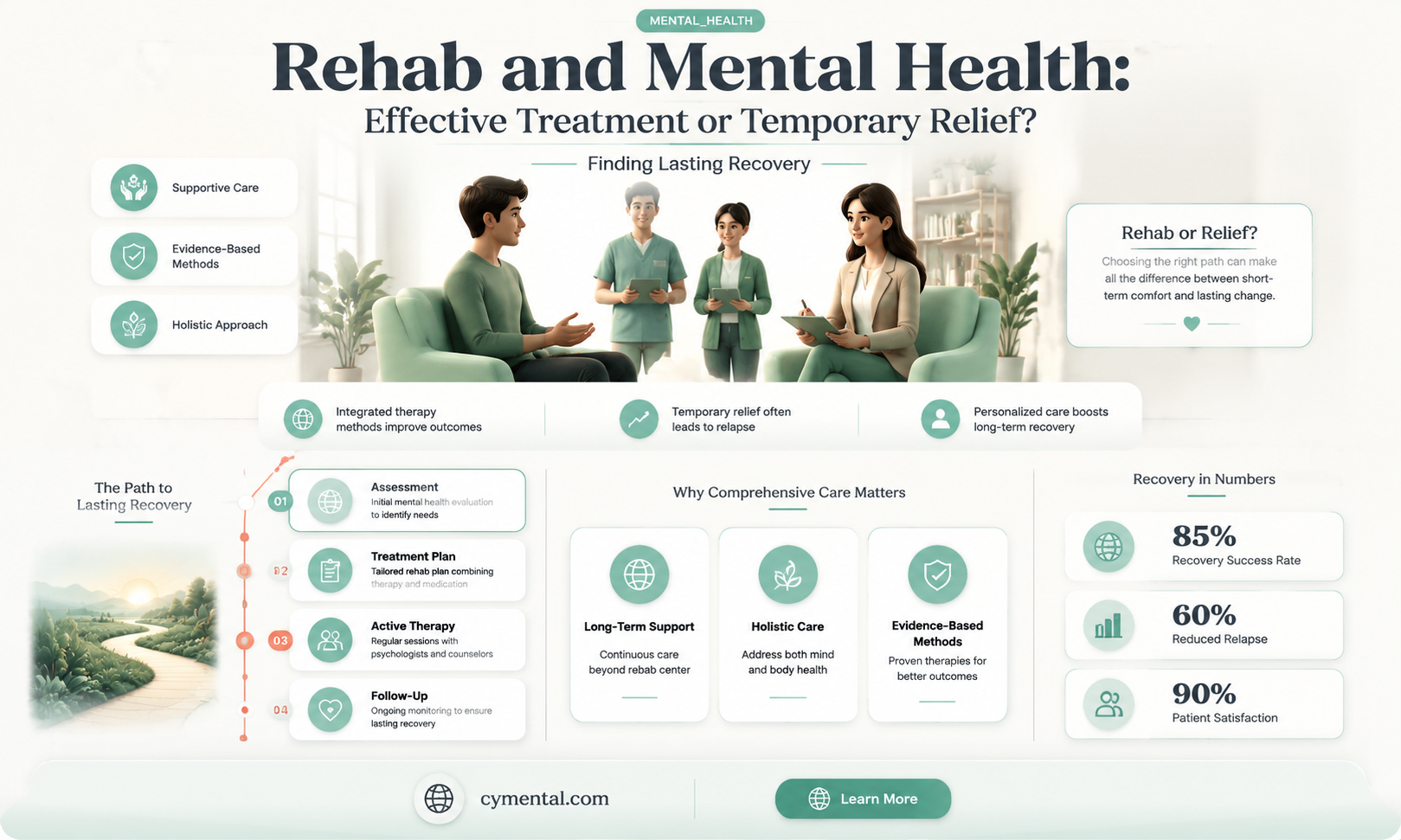
Rehabilitation, commonly known as rehab, is often associated with substance abuse treatment, but it also plays a crucial role in addressing mental health issues. Rehab programs designed for mental health typically offer a structured environment where individuals can receive therapy, medication management, and support from professionals and peers. These programs aim to help individuals develop coping strategies, improve emotional regulation, and address underlying psychological challenges. While the effectiveness of rehab for mental health varies depending on the individual’s condition, the quality of the program, and the level of personal commitment, many find it to be a valuable resource in their journey toward recovery. Studies suggest that rehab can lead to significant improvements in mental health outcomes, particularly when combined with ongoing outpatient care and a strong support system. However, it is essential to recognize that rehab is not a one-size-fits-all solution, and its success often depends on the specific needs and circumstances of the individual.
| Characteristics | Values |
|---|---|
| Effectiveness | Research shows rehab can be highly effective for mental health, with success rates varying by program type and individual commitment. Studies indicate that structured rehab programs significantly improve symptoms and functioning. |
| Types of Rehab | Inpatient, outpatient, residential, and partial hospitalization programs cater to different needs, with tailored therapies for conditions like depression, anxiety, PTSD, and substance use disorders. |
| Therapeutic Approaches | Cognitive Behavioral Therapy (CBT), Dialectical Behavior Therapy (DBT), mindfulness-based therapies, and group therapy are commonly used and evidence-based. |
| Dual Diagnosis Treatment | Many rehabs address co-occurring mental health and substance use disorders, improving outcomes for individuals with complex needs. |
| Duration of Treatment | Programs range from 30 days to several months, with longer durations often associated with better long-term recovery and mental health stability. |
| Aftercare Support | Post-rehab support, including therapy, support groups, and relapse prevention plans, is crucial for sustained mental health improvement. |
| Individualized Care | Personalized treatment plans based on assessments enhance effectiveness, addressing specific mental health challenges and goals. |
| Holistic Approaches | Many rehabs incorporate holistic practices like yoga, meditation, nutrition, and exercise to support overall mental and physical well-being. |
| Success Metrics | Success is measured by reduced symptoms, improved functioning, better quality of life, and decreased reliance on medication or hospitalization. |
| Accessibility | Availability and affordability vary, with barriers including cost, location, and insurance coverage, impacting access to effective rehab programs. |
| Stigma Reduction | Rehab programs often include education and counseling to reduce stigma, encouraging individuals to seek and continue treatment. |
| Family Involvement | Family therapy and support programs improve outcomes by addressing familial dynamics and providing a supportive environment. |
| Evidence-Based Practices | Programs using evidence-based therapies and interventions consistently show better outcomes compared to non-structured approaches. |
| Relapse Rates | Relapse rates vary but are lower with comprehensive aftercare and ongoing support, emphasizing the importance of long-term management. |
| Patient Satisfaction | High satisfaction rates are reported when programs are tailored, supportive, and inclusive of patient preferences and needs. |
Explore related products


What You'll Learn

Effectiveness of Therapy in Rehab
Therapy is a cornerstone of rehabilitation programs, but its effectiveness hinges on several critical factors. Research shows that integrated treatment—combining therapy with medication and support services—yields the best outcomes for individuals with co-occurring mental health and substance use disorders. For instance, Cognitive Behavioral Therapy (CBT) has been proven to reduce relapse rates by up to 50% in patients with addiction, particularly when delivered in structured, 12-week programs. However, success depends on consistent attendance, therapist expertise, and personalized treatment plans tailored to the individual’s unique needs.
Consider the case of dialectical behavior therapy (DBT), which is highly effective for individuals with borderline personality disorder and substance abuse. DBT typically involves weekly individual sessions, group skills training, and phone coaching as needed. Studies indicate that patients who complete at least 20 sessions of DBT show significant improvements in emotional regulation and reduced self-harm behaviors. This structured approach highlights the importance of dosage and adherence in maximizing therapeutic benefits.
Not all therapies are created equal, and some modalities may be more effective depending on the individual’s mental health condition. For example, Eye Movement Desensitization and Reprocessing (EMDR) has shown remarkable success in treating trauma-related disorders, often within 6 to 12 sessions. In contrast, psychodynamic therapy, which explores deep-seated emotional patterns, may require longer-term commitment but can be transformative for those with chronic mental health issues. The key is matching the therapy type to the specific needs of the patient.
Practical tips for enhancing therapy effectiveness in rehab include setting clear goals at the outset, maintaining open communication with the therapist, and incorporating mindfulness or journaling practices between sessions. For adolescents, family involvement in therapy sessions can significantly improve outcomes, as evidenced by a 30% increase in treatment adherence when parents are actively engaged. Additionally, combining therapy with holistic approaches like yoga or art therapy can provide complementary benefits, particularly for those struggling with anxiety or depression.
Ultimately, the effectiveness of therapy in rehab is not a one-size-fits-all proposition. It requires a nuanced understanding of the individual’s mental health profile, the right therapeutic approach, and a commitment to the process. While therapy is not a quick fix, its transformative potential is undeniable when implemented thoughtfully and consistently. For those in rehab, it is often the linchpin that bridges recovery and long-term mental wellness.
Dance Therapy: Unlocking Mental Wellness Through Movement and Expression
You may want to see also
Explore related products


$6.81 $12.99


Role of Medication in Treatment
Medication plays a pivotal role in the treatment of mental health conditions, often serving as a cornerstone in rehab programs. For individuals grappling with disorders like depression, anxiety, bipolar disorder, or schizophrenia, pharmacotherapy can stabilize symptoms, restore functioning, and create a foundation for therapeutic progress. Antidepressants such as selective serotonin reuptake inhibitors (SSRIs) are commonly prescribed, with dosages ranging from 20 mg to 60 mg daily for adults, depending on the severity of symptoms and individual response. Similarly, antipsychotics like olanzapine or quetiapine are used to manage psychotic symptoms, often starting at lower doses (e.g., 5–10 mg) and titrated upward under medical supervision. The goal is not merely symptom suppression but enabling patients to engage meaningfully in therapy and daily life.
However, the role of medication in rehab is not without complexities. Adherence to medication regimens is critical yet challenging, particularly for individuals with co-occurring substance use disorders or those experiencing side effects such as weight gain, drowsiness, or sexual dysfunction. For instance, lithium, a mood stabilizer for bipolar disorder, requires regular blood monitoring to maintain therapeutic levels (0.8–1.2 mEq/L) while avoiding toxicity. Rehab programs often integrate psychoeducation to address these challenges, teaching patients about the benefits of medication, potential side effects, and strategies for managing them. This empowers individuals to take an active role in their treatment, fostering a sense of agency and collaboration with healthcare providers.
A comparative analysis reveals that medication is most effective when paired with psychotherapy, such as cognitive-behavioral therapy (CBT) or dialectical behavior therapy (DBT). For example, while SSRIs can alleviate symptoms of depression, CBT helps individuals reframe negative thought patterns and develop coping skills. This dual approach addresses both the neurochemical and behavioral aspects of mental health disorders, enhancing long-term outcomes. In rehab settings, medication management is often integrated into a holistic treatment plan that includes therapy, lifestyle modifications, and social support, ensuring a comprehensive approach to recovery.
Practical tips for optimizing medication use in rehab include maintaining a consistent schedule, using pill organizers, and communicating openly with providers about side effects or concerns. For adolescents and older adults, dosage adjustments are often necessary due to differences in metabolism and sensitivity. For instance, SSRI dosages for adolescents may start at half the adult dose, while older adults may require lower doses to minimize risks like falls or cognitive impairment. Additionally, rehab programs should emphasize the importance of not abruptly discontinuing medication, as this can lead to withdrawal symptoms or relapse, particularly in conditions like major depressive disorder or generalized anxiety disorder.
In conclusion, medication is a vital tool in mental health rehab, offering symptom relief and stability that enables deeper therapeutic work. Its effectiveness hinges on careful prescribing, patient education, and integration with other treatment modalities. By addressing both the biological and psychological dimensions of mental illness, medication helps individuals build a sustainable path to recovery, transforming lives in measurable and meaningful ways.
Do Psychologists Truly Heal Minds? Exploring Mental Health Support
You may want to see also
Explore related products


Impact of Support Groups
Support groups are a cornerstone of mental health rehabilitation, offering a unique blend of emotional backing, shared experience, and practical strategies. Unlike individual therapy, which focuses on personal insights, support groups harness the power of community to foster healing. Members benefit from a sense of belonging, reduced isolation, and the normalization of their struggles. For instance, a study published in the *Journal of Consulting and Clinical Psychology* found that individuals participating in support groups for depression experienced a 30% reduction in symptoms over six months, compared to 15% in control groups. This highlights the tangible impact of collective support on mental health recovery.
Consider the mechanics of how support groups operate. They typically follow a structured format, such as the 12-step model used in Alcoholics Anonymous, which combines accountability, goal-setting, and peer mentorship. For younger adults (ages 18–25), groups tailored to their developmental stage, like those addressing college-related stress or early career pressures, can be particularly effective. For older adults (ages 50+), groups focusing on life transitions, grief, or chronic illness may resonate more deeply. The key is matching the group’s focus to the participant’s needs, ensuring relevance and engagement. Practical tips for maximizing benefits include attending regularly, actively participating, and setting personal goals aligned with group discussions.
A comparative analysis reveals that support groups often complement traditional rehab methods like medication and psychotherapy. While medication addresses biochemical imbalances and therapy targets cognitive patterns, support groups fill a critical gap by addressing social and emotional needs. For example, a person recovering from anxiety may use medication to manage symptoms, therapy to reframe thoughts, and a support group to practice social skills and build resilience. This multi-pronged approach increases the likelihood of sustained recovery. However, it’s essential to caution against over-reliance on groups alone, especially for severe conditions like bipolar disorder or schizophrenia, which require professional medical intervention.
The persuasive case for support groups lies in their accessibility and cost-effectiveness. Unlike individual therapy, which can cost $100–$200 per session, many support groups are free or operate on a donation basis. Online platforms have further democratized access, allowing individuals in remote areas or with mobility issues to participate. For instance, platforms like 7 Cups and In The Rooms offer virtual support groups for various mental health issues, ensuring no one is left isolated. This scalability makes support groups a vital resource in addressing the global mental health crisis, where traditional services often fall short due to cost or availability.
In conclusion, the impact of support groups on mental health rehab is profound and multifaceted. They provide emotional solace, practical tools, and a sense of community that individual interventions often lack. By tailoring groups to specific demographics and needs, maximizing participation, and integrating them into broader treatment plans, their effectiveness can be optimized. Whether in-person or online, free or structured, support groups offer a lifeline to those navigating the complexities of mental health recovery. Their role is not just supplementary but essential, proving that shared humanity can be a powerful catalyst for healing.
Creatine and Cognitive Clarity: Enhancing Mental Focus with Supplements
You may want to see also
Explore related products


Long-Term Mental Health Benefits
Rehab's impact on mental health extends far beyond immediate symptom relief. While short-term gains like stabilized moods and reduced anxiety are crucial, the true value lies in the long-term benefits that foster lasting recovery and resilience.
Studies show that individuals who complete rehab programs experience significant improvements in their overall mental well-being, with effects lasting years after treatment.
One key long-term benefit is the development of coping mechanisms and emotional regulation skills. Rehab provides a structured environment where individuals learn to identify triggers, manage cravings, and respond to stressful situations in healthy ways. These skills, honed through therapy, group support, and mindfulness practices, become invaluable tools for navigating life's challenges and preventing relapse. For example, cognitive-behavioral therapy (CBT) teaches individuals to challenge negative thought patterns and replace them with more adaptive ones, leading to improved mood and reduced anxiety.
Mindfulness-based interventions, such as meditation and yoga, have been shown to increase emotional regulation and decrease symptoms of depression and PTSD.
Another significant long-term benefit is the rebuilding of social connections and support networks. Addiction often leads to isolation and strained relationships. Rehab encourages individuals to reconnect with loved ones, build new, healthy relationships, and engage in supportive communities. This sense of belonging and social support is crucial for maintaining mental well-being and preventing feelings of loneliness and despair. Group therapy sessions and 12-step programs provide a safe space for individuals to share their experiences, receive encouragement, and hold each other accountable.
Many rehab centers also offer family therapy, helping to repair damaged relationships and create a supportive home environment.
Furthermore, rehab addresses the underlying issues that often contribute to both addiction and mental health struggles. Trauma, unresolved emotional pain, and co-occurring disorders like depression or anxiety are frequently intertwined with substance abuse. Through individual therapy, group therapy, and specialized treatment modalities, rehab helps individuals process these issues, develop healthier coping mechanisms, and build a stronger sense of self-worth. This deeper level of healing contributes to long-term mental stability and a reduced risk of relapse.
Finally, rehab empowers individuals with a sense of hope and purpose. By overcoming addiction and addressing their mental health, individuals gain a renewed sense of control over their lives. They learn to set goals, make positive choices, and envision a future free from the grip of addiction. This newfound sense of purpose and self-efficacy is a powerful motivator for continued recovery and long-term mental well-being.
Supporting Teens: Practical Strategies for Navigating Mental Health Challenges
You may want to see also
Explore related products


Addressing Trauma in Rehab Programs
Trauma often underpins substance use disorders, making its resolution critical in rehab programs. Unaddressed trauma can derail recovery, as individuals may turn to substances to numb emotional pain. Effective rehab programs integrate trauma-informed care, recognizing that past experiences shape behaviors and responses to treatment. This approach shifts the focus from "What’s wrong with you?" to "What happened to you?" fostering empathy and trust. Without this framework, even the most structured programs risk retraumatizing participants, perpetuating cycles of addiction.
Consider the case of cognitive behavioral therapy (CBT) combined with eye movement desensitization and reprocessing (EMDR). CBT helps individuals reframe negative thought patterns, while EMDR targets traumatic memories, reducing their emotional impact. For instance, a 32-year-old patient with PTSD from childhood abuse reported a 60% reduction in intrusive thoughts after 12 EMDR sessions. Pairing these therapies with mindfulness practices, such as daily 10-minute guided meditations, enhances emotional regulation. However, not all patients respond equally; some may require additional interventions like group therapy or art therapy to process complex trauma.
Implementing trauma-focused care requires careful planning. First, assess patients for trauma history using validated tools like the Trauma Screening Questionnaire (TSQ). Next, train staff in trauma-informed principles, emphasizing nonjudgmental communication and trigger awareness. For example, avoid abrupt changes in routine, which can provoke anxiety in trauma survivors. Incorporate somatic therapies, such as yoga or progressive muscle relaxation, to help patients reconnect with their bodies safely. Caution: Pushing patients to disclose trauma prematurely can lead to dissociation or withdrawal. Always prioritize safety and pacing in the therapeutic process.
Comparing traditional rehab models to trauma-integrated programs highlights the latter’s superiority in long-term outcomes. A 2020 study found that patients in trauma-informed programs had a 40% lower relapse rate at the one-year mark. These programs also reduce comorbid symptoms like depression and anxiety, improving overall mental health. However, they demand more resources—specialized training, extended therapy sessions, and a higher staff-to-patient ratio. Despite the investment, the payoff is clear: addressing trauma transforms rehab from a temporary fix to a foundation for lasting recovery.
Finally, practical tips can enhance trauma-focused rehab. Encourage patients to keep a journal, noting triggers and coping strategies. Provide access to crisis hotlines or apps like Calm or Headspace for immediate support. For families, offer psychoeducation on trauma’s role in addiction, fostering understanding rather than blame. Remember, trauma resolution is not linear; setbacks are part of the process. By embedding these strategies into rehab programs, providers can create a safe, healing environment where recovery thrives.
Do Mental Hospitals Effectively Treat Bipolar Disorder? Exploring the Evidence
You may want to see also
Frequently asked questions
Yes, rehab can be highly effective in addressing mental health issues by providing structured therapy, medication management, and support systems tailored to individual needs.
Rehab programs often treat conditions like depression, anxiety, PTSD, bipolar disorder, and co-occurring substance use disorders through evidence-based therapies and holistic approaches.
The duration varies, but programs can range from 30 days for short-term intensive treatment to several months for long-term residential care, depending on the individual’s needs.
Yes, many rehab programs focus on therapy, counseling, and lifestyle changes, though medication may be included if deemed necessary by a healthcare professional.