Noah Parker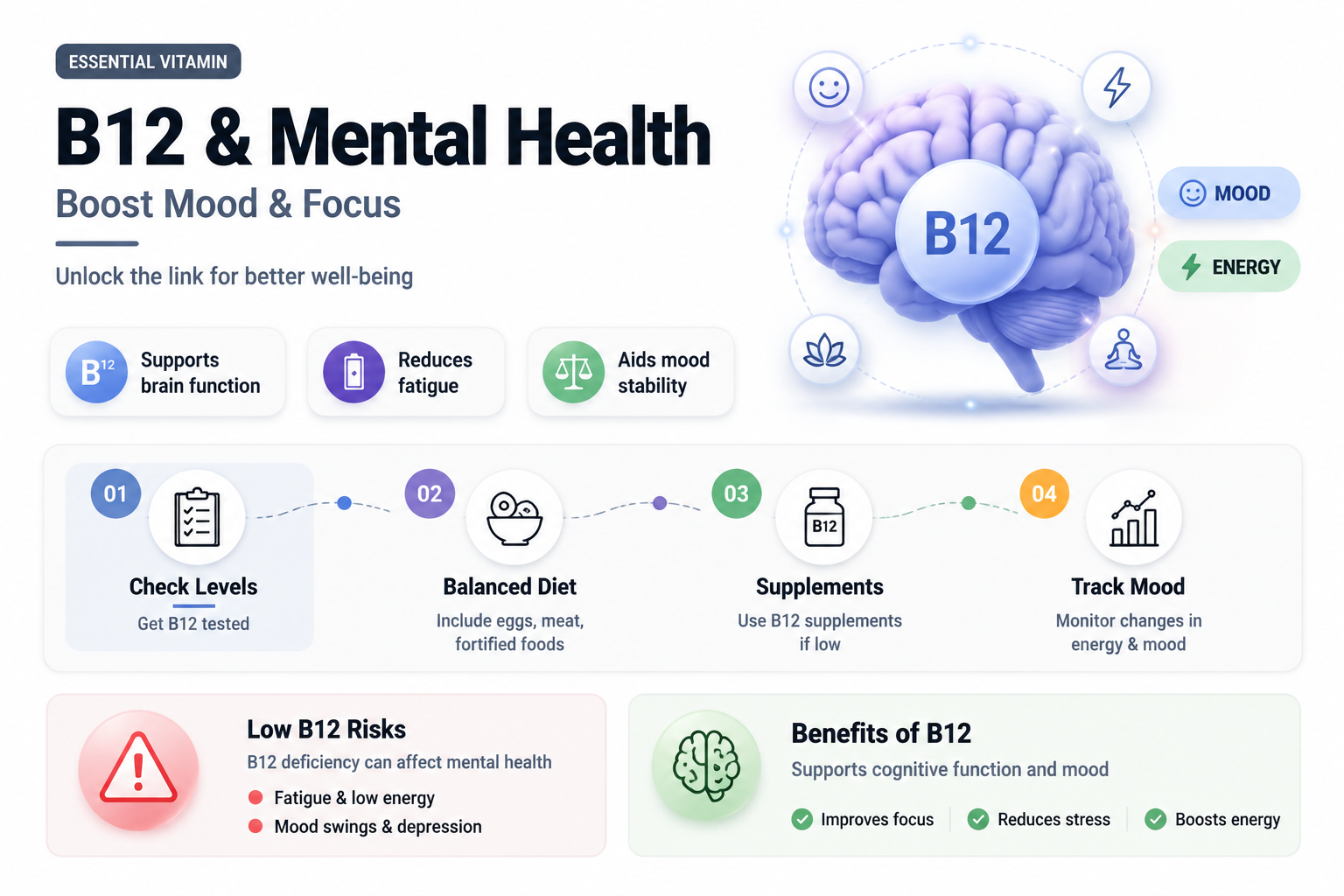
Vitamin B12, an essential nutrient primarily found in animal products, plays a crucial role in various bodily functions, including nerve function and DNA synthesis. Its impact on mental health has garnered significant attention, as deficiencies in this vitamin have been linked to symptoms such as depression, anxiety, and cognitive decline. Research suggests that adequate B12 levels may support brain health by aiding in the production of neurotransmitters like serotonin and dopamine, which regulate mood and emotional well-being. While supplementation is often recommended for those with deficiencies, its effectiveness as a standalone treatment for mental health conditions remains a topic of ongoing study, highlighting the need for a balanced approach to nutrition and mental health care.
Explore related products
![NatureWise Vitamin B12 1000 mcg - Dietary Supplement for Supporting Energy Metabolism, Mental Clarity, Nervous System Health - Easy-to-Swallow, Soy & Gluten-Free, Non-GMO - 60 Softgels[60-Day Supply]](https://m.media-amazon.com/images/I/71ka8FAcppL._AC_UL320_.jpg)
![NatureWise Vitamin B12 500 mcg - B12 Supplement for Energy + Mental Clarity & Nervous System Support - Easy-to-Swallow, Vegan & Non-GMO - USA Manufactured - 100 Tablets[100-Day Supply]](https://m.media-amazon.com/images/I/71bJrnDyj1L._AC_UL320_.jpg)
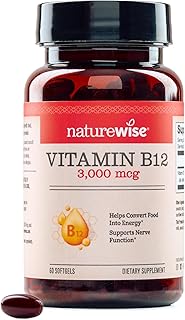

![NatureWise Vitamin B12 Extra Strength 2500mcg - B12 Supplement for Energy + Mental Clarity & Nervous System Support - Easy-to-Swallow, Vegan & Non-GMO - USA Manufactured - 60 Tablets[60-Day Supply]](https://m.media-amazon.com/images/I/71fvOmUHPKL._AC_UL320_.jpg)

What You'll Learn

B12 deficiency and depression link
Vitamin B12, a water-soluble nutrient essential for nerve function and DNA synthesis, plays a pivotal role in maintaining mental health. Research increasingly highlights a significant link between B12 deficiency and depression, suggesting that inadequate levels of this vitamin may exacerbate or even contribute to depressive symptoms. Studies show that individuals with depression often have lower serum B12 levels compared to those without the condition. This correlation raises the question: Could addressing B12 deficiency be a key component in managing mental health?
From an analytical perspective, the mechanism behind this link lies in B12’s role in producing neurotransmitters like serotonin and dopamine, which regulate mood. A deficiency disrupts this process, potentially leading to symptoms such as fatigue, irritability, and persistent sadness—hallmarks of depression. For instance, a 2013 study published in the *Journal of Psychopharmacology* found that patients with depression and low B12 levels experienced more significant improvements in mood after B12 supplementation compared to those with normal levels. This underscores the importance of screening for B12 deficiency in individuals presenting with depressive symptoms, particularly in older adults, vegetarians, and those with gastrointestinal disorders, who are at higher risk.
Practically speaking, addressing B12 deficiency involves both dietary adjustments and supplementation. Foods rich in B12 include animal products like meat, fish, eggs, and dairy. For those following plant-based diets, fortified foods or supplements are essential. The recommended daily intake for adults is 2.4 micrograms, but higher doses (up to 1000 micrograms) may be prescribed for deficiency correction. It’s crucial to consult a healthcare provider before starting supplementation, as excessive B12 intake can mask other conditions, such as pernicious anemia.
A comparative analysis reveals that while B12 supplementation can alleviate depressive symptoms in deficient individuals, it is not a standalone treatment for depression. It works best as part of a comprehensive approach that includes therapy, lifestyle changes, and other medical interventions. For example, a 2019 meta-analysis in the *Journal of Clinical Psychiatry* concluded that B12 supplementation improved depression scores in patients with deficiency but had minimal effect in those with adequate levels. This highlights the need for personalized treatment plans tailored to individual nutrient profiles.
In conclusion, the link between B12 deficiency and depression is a critical yet often overlooked aspect of mental health care. By recognizing the signs of deficiency—such as weakness, numbness, or cognitive decline—and taking proactive steps to address it, individuals can potentially mitigate depressive symptoms. Whether through dietary changes, supplementation, or medical intervention, ensuring adequate B12 levels is a practical and evidence-based strategy for supporting mental well-being.
Medication's Role in Stabilizing Mental Health and Medical Conditions
You may want to see also
Explore related products


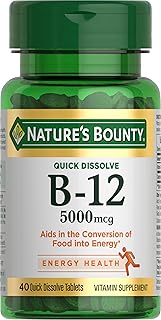
Role of B12 in brain function
Vitamin B12, a water-soluble nutrient, plays a pivotal role in maintaining the health of the brain and nervous system. It is essential for the synthesis of neurotransmitters, the chemical messengers that facilitate communication between neurons. Without adequate B12, the production of serotonin, dopamine, and norepinephrine can be compromised, potentially leading to mood disorders such as depression and anxiety. Studies have shown that individuals with B12 deficiency often exhibit symptoms like fatigue, memory problems, and even cognitive decline, highlighting the nutrient's critical function in brain health.
One of the most direct ways B12 supports brain function is through its involvement in the formation of myelin, the protective sheath surrounding nerve fibers. Myelin ensures the efficient transmission of electrical signals in the brain and throughout the body. A deficiency in B12 can lead to demyelination, a process that disrupts neural communication and is linked to conditions like multiple sclerosis. For older adults, maintaining optimal B12 levels is particularly important, as age-related cognitive decline and neurodegenerative diseases like Alzheimer’s have been associated with low B12 status. Supplementation, especially in the form of methylcobalamin, can be beneficial for those at risk, with recommended doses typically ranging from 250 to 1000 mcg daily, depending on severity of deficiency.
From a comparative perspective, B12’s role in brain function can be contrasted with other nutrients like omega-3 fatty acids and folate, which also support cognitive health. While omega-3s are crucial for neuronal structure, and folate aids in DNA synthesis, B12 stands out for its unique involvement in methylation processes—a biochemical pathway essential for gene regulation and neurotransmitter production. This makes B12 supplementation particularly valuable for individuals with genetic variations like MTHFR mutations, which impair folate metabolism and indirectly affect B12 utilization. Combining B12 with folate supplements can enhance their collective benefits, especially in preventing neural tube defects during pregnancy and supporting mental clarity in adults.
Practically speaking, ensuring adequate B12 intake is simpler than it seems. For most adults, a balanced diet rich in animal products like meat, fish, dairy, and eggs provides sufficient B12. However, vegetarians, vegans, and those with malabsorption issues may require fortified foods or supplements. Sublingual B12 tablets or injections are effective alternatives for those with digestive disorders like Crohn’s disease or pernicious anemia, which hinder absorption. Regular monitoring of B12 levels through blood tests is advisable for at-risk groups, as early intervention can prevent long-term neurological damage.
In conclusion, B12’s role in brain function is multifaceted, impacting neurotransmitter synthesis, myelin integrity, and methylation processes. Its deficiency can have profound implications for mental health, from mood disorders to cognitive decline. By understanding its mechanisms and addressing dietary or absorptive challenges, individuals can harness B12’s potential to support brain health effectively. Whether through diet, supplementation, or medical intervention, prioritizing B12 intake is a proactive step toward maintaining mental well-being across all life stages.
Removing Mental Health Records: Can You Clear Your History?
You may want to see also
Explore related products


B12 supplementation for anxiety relief
Vitamin B12, a water-soluble nutrient essential for nerve function and DNA synthesis, has emerged as a potential ally in the battle against anxiety. Research suggests a compelling link between B12 deficiency and heightened anxiety symptoms, particularly in individuals with pre-existing mental health conditions. Studies indicate that B12 plays a crucial role in regulating neurotransmitters like serotonin and dopamine, imbalances of which are often associated with anxiety disorders. This neurological connection forms the basis for exploring B12 supplementation as a complementary approach to anxiety management.
While further research is needed to establish definitive causality, the existing evidence paints a promising picture. A 2019 study published in the *Journal of Psychiatric Research* found that individuals with generalized anxiety disorder (GAD) exhibited significantly lower B12 levels compared to healthy controls. Another study, published in *Nutrients*, demonstrated that B12 supplementation, alongside folate, led to a significant reduction in anxiety symptoms in individuals with depression.
Considering B12 supplementation for anxiety relief? Here's a practical guide:
Dosage and Administration: The recommended daily intake of B12 for adults is 2.4 micrograms. However, for anxiety relief, higher doses may be necessary. Consult a healthcare professional to determine the appropriate dosage based on your individual needs and existing B12 levels. B12 supplements are available in various forms, including tablets, capsules, sublingual drops, and injections. Sublingual forms are often preferred for their enhanced absorption.
Target Population: Individuals with diagnosed anxiety disorders, particularly those with confirmed B12 deficiency, stand to benefit most from supplementation. However, even individuals experiencing mild anxiety symptoms may find B12 supplementation helpful, especially if their diet is lacking in B12-rich foods like meat, fish, dairy, and eggs.
Cautions and Considerations: While generally considered safe, high doses of B12 can cause side effects like nausea, diarrhea, and headaches. Individuals with certain medical conditions, such as Leber's disease, should avoid high-dose B12 supplementation. It's crucial to consult a healthcare professional before starting any new supplement regimen, especially if you are taking medications or have underlying health concerns.
B12 supplementation, while not a standalone cure for anxiety, holds promise as a valuable adjunctive therapy. By addressing potential B12 deficiencies and supporting healthy neurotransmitter function, B12 may contribute to a comprehensive approach to anxiety management. Remember, consulting a healthcare professional is essential for personalized guidance and to ensure safe and effective use of B12 supplementation.
Seeking Support: What to Do When You Need Help
You may want to see also
Explore related products


Impact of B12 on mood regulation
Vitamin B12, a water-soluble nutrient, plays a pivotal role in neurological function, and its deficiency has been linked to mood disorders such as depression and anxiety. Studies suggest that B12 is essential for the synthesis of neurotransmitters like serotonin and dopamine, which are critical for mood regulation. For instance, a 2013 study published in the *Journal of Psychopharmacology* found that individuals with lower B12 levels were more likely to experience depressive symptoms. This highlights the nutrient’s direct impact on emotional well-being, particularly in populations at risk of deficiency, such as older adults, vegetarians, and those with gastrointestinal disorders.
To harness B12’s mood-regulating benefits, it’s crucial to ensure adequate intake through diet or supplementation. Foods rich in B12 include animal products like fish, meat, dairy, and eggs. For those following plant-based diets, fortified foods or supplements are often necessary. The recommended daily allowance (RDA) for adults is 2.4 micrograms, but individuals with deficiencies may require higher doses, typically ranging from 500 to 2,000 micrograms per week under medical supervision. Sublingual tablets or injections are common methods for correcting deficiencies, as they bypass absorption issues in the gut.
A comparative analysis of B12’s role in mood regulation versus other nutrients reveals its unique importance. While omega-3 fatty acids and vitamin D also influence mental health, B12’s involvement in myelin production—the protective sheath around nerves—sets it apart. Without sufficient B12, nerve function can deteriorate, leading to irritability, fatigue, and cognitive fog. This underscores why addressing B12 deficiency is a critical step in managing mood disorders, often overlooked in favor of more commonly discussed nutrients.
Practical tips for optimizing B12 intake include regular monitoring of levels through blood tests, especially for at-risk groups. Pairing B12 supplements with intrinsic factor (a protein necessary for absorption) can enhance efficacy. Additionally, combining B12 with folate and vitamin B6 may amplify its mood-stabilizing effects, as these nutrients work synergistically in neurotransmitter production. For those experiencing persistent mood issues, consulting a healthcare provider to rule out B12 deficiency is a proactive step toward mental health improvement.
In conclusion, B12’s impact on mood regulation is both significant and actionable. By understanding its role in neurotransmitter synthesis and nerve health, individuals can take targeted steps to maintain optimal levels. Whether through dietary adjustments, supplementation, or medical intervention, addressing B12 deficiency offers a tangible pathway to enhancing emotional resilience and overall mental well-being.
Exploring Medical Cannabis as a Potential Mental Health Treatment Option
You may want to see also
Explore related products


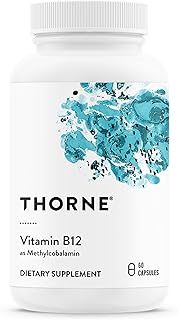

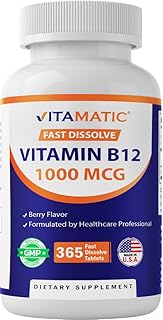

B12 and cognitive decline prevention
Vitamin B12 deficiency is linked to cognitive decline, particularly in older adults, manifesting as memory loss, confusion, and even dementia-like symptoms. Studies show that low B12 levels can lead to brain atrophy, particularly in areas responsible for memory and executive function. This raises the question: can adequate B12 intake prevent or slow cognitive decline?
Research suggests a correlation between healthy B12 levels and better cognitive performance in aging populations. A 2010 study published in the *American Journal of Clinical Nutrition* found that older adults with higher B12 levels scored better on cognitive tests, particularly in areas of memory and attention. However, correlation doesn't prove causation. While B12 deficiency clearly contributes to cognitive problems, it's unclear if supplementation in individuals with normal levels provides additional cognitive benefits.
Ensuring sufficient B12 intake is crucial, especially for older adults. The recommended daily allowance (RDA) for adults is 2.4 mcg, but absorption decreases with age. Individuals over 50 are advised to consume B12-fortified foods or supplements, aiming for 25-100 mcg daily. Sublingual tablets or injections may be more effective than oral supplements for those with absorption issues.
Regular B12 level monitoring through blood tests is essential for early detection of deficiency, allowing for prompt intervention and potentially preventing cognitive decline.
While B12 supplementation is generally safe, excessive intake (above 1,000 mcg daily) can lead to side effects like nausea, diarrhea, and skin reactions. It's crucial to consult a healthcare professional before starting high-dose supplementation, especially if you have underlying health conditions. Remember, B12 is just one piece of the cognitive health puzzle. A balanced diet, regular exercise, mental stimulation, and social engagement are equally important for maintaining a healthy brain as we age.
Iowa Mental Health Laws: Can You Force Someone to Get Help?
You may want to see also
Frequently asked questions
Yes, vitamin B12 plays a role in brain health and neurotransmitter production. Deficiency in B12 has been linked to depression, and supplementation may improve symptoms in those with low levels.
B12 supports nerve function and the production of mood-regulating chemicals like serotonin. While it’s not a cure for anxiety, addressing a B12 deficiency may help reduce symptoms in some individuals.
B12 is essential for maintaining healthy brain cells and myelin, which protects nerves. Low levels of B12 can lead to cognitive decline, memory issues, and confusion, so adequate intake may support mental clarity.
Yes, B12 deficiency can cause irritability, mood swings, and even paranoia. Supplementing B12 may help stabilize mood in individuals with low levels.
While B12 is crucial for brain health, supplementation alone cannot prevent mental health disorders. However, maintaining optimal B12 levels may reduce the risk of certain issues related to deficiency.