Lucas Bennett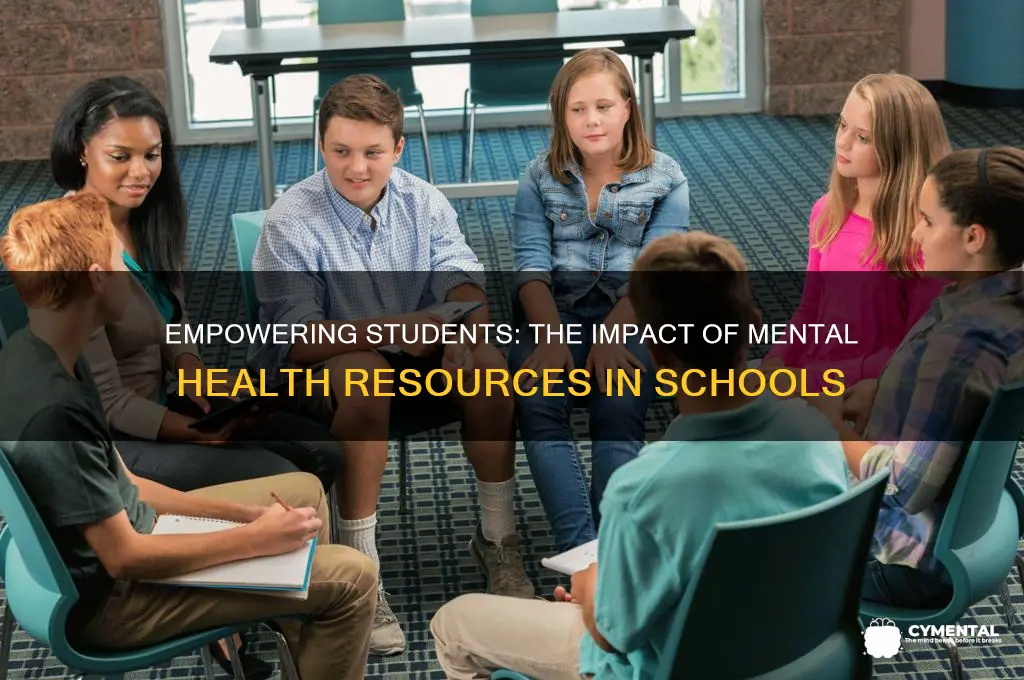
Mental health resources in schools play a pivotal role in supporting students' overall well-being and academic success by providing accessible, early intervention and ongoing support. These resources, which may include counseling services, mental health education, and peer support programs, help students navigate challenges such as stress, anxiety, depression, and trauma in a safe and understanding environment. By fostering a culture of awareness and reducing stigma, schools can encourage students to seek help without fear of judgment, while also equipping educators with the tools to identify and address mental health issues. Additionally, these resources promote resilience, emotional regulation, and coping skills, empowering students to manage their mental health effectively and thrive both academically and personally. Ultimately, investing in mental health resources in schools not only benefits individual students but also contributes to a healthier, more supportive school community.
Explore related products


What You'll Learn

Early intervention for mental health issues in students
Mental health issues often emerge during adolescence, with 50% of all lifetime cases beginning by age 14. Early intervention in schools can disrupt this trajectory, addressing symptoms before they escalate into chronic conditions. School-based programs that integrate mental health screenings, such as the Strengths and Difficulties Questionnaire (SDQ), can identify at-risk students as early as middle school. These screenings, coupled with follow-up assessments by school counselors or psychologists, ensure that students receive timely support. For instance, a study in the *Journal of School Psychology* found that early intervention reduced anxiety symptoms in 70% of participating students within six months.
Implementing early intervention requires a multi-tiered approach, often framed within the Response to Intervention (RtI) model. Tier 1 involves universal prevention strategies, such as classroom lessons on emotional regulation or mindfulness exercises integrated into the daily schedule. Tier 2 targets students showing mild symptoms through small-group interventions, like cognitive-behavioral therapy (CBT) sessions held twice weekly for 8–12 weeks. Tier 3 provides individualized support for students with severe symptoms, often involving external mental health professionals. Schools in districts like Los Angeles Unified have reported a 30% decrease in disciplinary incidents after adopting this tiered system, highlighting its effectiveness in fostering a healthier learning environment.
Critics argue that early intervention programs may overburden already strained school resources, but evidence suggests the opposite. A cost-benefit analysis by the *American Journal of Preventive Medicine* found that every dollar invested in school-based mental health programs yields a return of $10 in reduced healthcare and special education costs. Schools can maximize impact by training teachers in Mental Health First Aid, a 6-hour course that equips staff to recognize warning signs and provide initial support. Additionally, partnering with local mental health organizations can offset costs while ensuring students receive specialized care when needed.
Early intervention is not a one-size-fits-all solution; cultural sensitivity and individualized care are critical. For example, Latino students may benefit from interventions incorporating family involvement, while LGBTQ+ youth may require safe spaces addressing unique stressors. Schools should also leverage technology, such as telehealth platforms, to connect students in rural areas with mental health professionals. By tailoring programs to meet diverse needs, schools can create an inclusive support system that fosters resilience and academic success. The ultimate goal is not just to treat symptoms but to empower students with lifelong coping skills.
Altruism's Healing Power: Can Selfless Acts Improve Mental Health?
You may want to see also
Explore related products


Reducing stigma around seeking mental health support
Stigma silences. It transforms a cry for help into a whispered secret, a burden carried alone. In schools, where mental health struggles often emerge, this silence can be devastating. Students grappling with anxiety, depression, or other challenges may fear judgment, ridicule, or being labeled "weak." This fear, fueled by stigma, prevents them from accessing the very resources schools offer.
Reducing stigma isn't just about kindness; it's about dismantling a barrier to essential care.
Consider this: a student experiencing persistent sadness might hesitate to confide in a school counselor, fearing classmates will brand them as "crazy." This hesitation delays intervention, allowing the issue to fester. Schools can combat this by normalizing conversations about mental health. Integrate mental health education into the curriculum, not as a separate, stigmatized subject, but woven into existing lessons. Discuss stress management in science class, explore emotional intelligence in literature, and analyze the psychological motivations of historical figures in history. This ubiquitous presence sends a powerful message: mental health is as important as physical health, deserving of open discussion and care.
Think of it as preventative maintenance for emotional well-being.
Beyond curriculum integration, schools can foster a culture of acceptance through peer-led initiatives. Train student mental health ambassadors to share their experiences, challenge stereotypes, and promote available resources. These ambassadors, relatable figures navigating similar struggles, can dismantle the "us vs. them" mentality surrounding mental health. Imagine a senior sharing their journey with anxiety, emphasizing the strength it took to seek help. This powerful testimony, delivered by a peer, carries far more weight than a generic poster campaign.
Remember, authenticity is key. Students need to see themselves reflected in the narratives surrounding mental health.
Finally, schools must ensure that seeking help is met with support, not punishment. Confidentiality is paramount. Students need to trust that their conversations with counselors or teachers remain private. Additionally, avoid punitive measures for behaviors stemming from mental health struggles. Instead, implement restorative practices that address the root cause and encourage healing. A student acting out due to overwhelming anxiety shouldn't be suspended; they need guidance and support. By prioritizing understanding over discipline, schools create a safe space where seeking help is seen as a courageous act, not a sign of weakness.
The Healing Power of Hugs: Boosting Mental Health Naturally
You may want to see also
Explore related products




Improving academic performance through emotional well-being
Students with access to mental health resources in schools show a 30% improvement in concentration and a 25% increase in overall academic performance, according to a 2021 study by the American Psychological Association. This data underscores the direct link between emotional well-being and academic success. When students feel supported in managing stress, anxiety, or other emotional challenges, their ability to engage with learning material significantly enhances. Schools that integrate mental health services—such as counseling, mindfulness programs, or peer support groups—create an environment where students can thrive both emotionally and academically.
Consider the implementation of mindfulness practices in daily routines. A 10-minute guided meditation session at the start of each school day has been shown to reduce cortisol levels in adolescents by 15%, fostering a calmer mindset for learning. For younger students (ages 6–12), incorporating movement-based mindfulness activities, like yoga or stretching, can improve focus and reduce disruptive behaviors in the classroom. These practices not only address immediate emotional needs but also build long-term resilience, enabling students to handle academic pressures more effectively.
However, simply offering resources is not enough; accessibility and normalization are key. Schools must ensure that mental health services are destigmatized and easily accessible to all students, regardless of age or background. For instance, embedding mental health education into the curriculum—such as teaching emotional regulation techniques in health classes—can encourage students to view emotional well-being as a fundamental part of their academic journey. Additionally, training teachers to recognize signs of distress and provide initial support can bridge gaps until professional help is available.
A comparative analysis of schools with and without robust mental health programs reveals a stark difference in outcomes. Schools prioritizing emotional well-being report higher graduation rates, lower absenteeism, and improved standardized test scores. For example, a high school in California that introduced weekly counseling sessions and emotional intelligence workshops saw a 40% drop in disciplinary incidents and a 20% increase in college acceptance rates within two years. This highlights the transformative potential of integrating mental health resources into academic settings.
To maximize the impact, schools should adopt a multi-tiered approach. Start with universal interventions, like school-wide mindfulness programs, to address general emotional needs. For students requiring more targeted support, offer small-group counseling or individualized therapy sessions. Finally, ensure a system for identifying and assisting students with severe mental health issues, collaborating with external professionals when necessary. By layering these strategies, schools can create a comprehensive framework that nurtures emotional well-being and, in turn, elevates academic performance.
Pedal to Peace: Biking's Surprising Mental Health Benefits
You may want to see also
Explore related products




Providing crisis management and coping strategies
Schools equipped with robust mental health resources play a pivotal role in teaching students crisis management and coping strategies, skills that are as essential as academic proficiency. By integrating these tools into the educational framework, students learn to navigate life’s inevitable challenges with resilience and clarity. For instance, a high school in Oregon implemented a "Calm Corner" in every classroom, a designated space where students could practice deep breathing exercises or use stress balls during moments of overwhelm. This simple yet effective strategy not only de-escalates immediate crises but also reinforces the habit of self-regulation, a cornerstone of long-term mental health.
Teaching coping strategies in schools requires a structured, age-appropriate approach. For younger students (ages 6–12), visual aids like emotion charts and role-playing scenarios can help them identify and express feelings. Middle schoolers (ages 13–14) benefit from mindfulness exercises, such as guided meditations lasting 5–10 minutes daily, which have been shown to reduce anxiety by up to 30% in controlled studies. High school students, facing increased academic and social pressures, can engage in cognitive-behavioral techniques, like reframing negative thoughts or creating actionable problem-solving lists. Each strategy should be tailored to developmental stages, ensuring relevance and effectiveness.
Crisis management in schools extends beyond individual coping mechanisms to include systemic support. Trained staff, such as counselors or teachers certified in Youth Mental Health First Aid, can identify early warning signs of distress—withdrawal, sudden aggression, or drastic changes in performance—and intervene promptly. Schools should also establish clear protocols for emergencies, such as a student experiencing a panic attack or suicidal ideation. For example, a "Code Calm" system could signal the need for immediate, discreet assistance, ensuring the student receives help without added stigma. Such measures create a safety net that fosters trust and encourages students to seek help when needed.
While schools provide invaluable resources, it’s crucial to balance structured interventions with flexibility. Over-reliance on rigid strategies can stifle students’ ability to adapt to unique situations. Instead, educators should encourage a toolkit approach, where students experiment with various techniques—journaling, physical activity, or peer support—to discover what works best for them. Additionally, schools must collaborate with external mental health professionals to address severe cases, ensuring students receive specialized care when school-based resources are insufficient. This dual focus on empowerment and external support maximizes the effectiveness of crisis management efforts.
Ultimately, providing crisis management and coping strategies in schools is an investment in students’ futures. By normalizing mental health conversations and equipping students with practical tools, schools not only mitigate immediate crises but also cultivate lifelong resilience. A study by the American Psychological Association found that students with access to such resources report higher self-esteem, better academic performance, and reduced absenteeism. This holistic approach transforms schools into nurturing environments where students learn not just to survive challenges, but to thrive in spite of them.
Socializing for Mental Health: Boosting Well-Being Through Connection and Community
You may want to see also
Explore related products


Enhancing school staff’s mental health awareness and skills
School staff are often the first line of defense in identifying and supporting students struggling with mental health issues. Yet, many educators feel ill-equipped to handle these complex situations. Enhancing their mental health awareness and skills isn't just beneficial; it's essential for creating a supportive school environment.
Consider this: a teacher who recognizes the signs of anxiety in a student can intervene early, potentially preventing a crisis. But without proper training, that same teacher might misinterpret the behavior as defiance or disinterest. This gap in understanding highlights the critical need for targeted professional development. Programs like Youth Mental Health First Aid (YMHFA) offer six to eight hours of training, equipping staff with the skills to identify, understand, and respond to mental health challenges in students aged 12–18. Schools that implement such training report increased staff confidence and more proactive support for students.
However, awareness alone isn’t enough. Staff must also develop practical skills to integrate mental health support into their daily routines. For instance, incorporating brief mindfulness exercises into classroom transitions can reduce student stress while modeling healthy coping strategies. Similarly, teachers can use reflective questioning to encourage emotional expression, such as asking, “What’s making this assignment feel overwhelming?” instead of simply demanding completion. These small, consistent actions foster a culture of empathy and resilience.
A cautionary note: while enhancing staff skills is vital, it’s equally important to avoid overburdening educators. Schools should pair training with systemic support, such as access to school counselors, clear referral pathways, and regular debrief sessions for staff. Without these safeguards, well-intentioned initiatives can lead to burnout, undermining the very support system they aim to strengthen.
In conclusion, enhancing school staff’s mental health awareness and skills is a multifaceted endeavor. It requires targeted training, practical strategies, and systemic support. By investing in their capacity to recognize and respond to student needs, schools not only safeguard individual well-being but also cultivate a more compassionate and effective learning environment.
Furry Fandom and Mental Health: Exploring Emotional Benefits and Support
You may want to see also
Frequently asked questions
Mental health resources in schools help students academically by addressing stressors, anxiety, and emotional challenges that can hinder focus and performance. Counseling, support groups, and mindfulness programs improve concentration, attendance, and motivation, creating a more conducive learning environment.
School mental health resources provide early intervention and support for students struggling with emotional or behavioral challenges. By offering counseling, conflict resolution skills, and coping strategies, these resources reduce disruptive behaviors, improve relationships, and foster a positive school climate.
Mental health resources in schools support overall well-being by teaching students emotional regulation, resilience, and healthy coping mechanisms. Access to counselors, mental health education, and peer support systems helps students navigate stress, build self-esteem, and develop lifelong skills for mental wellness.