Ava Ramirez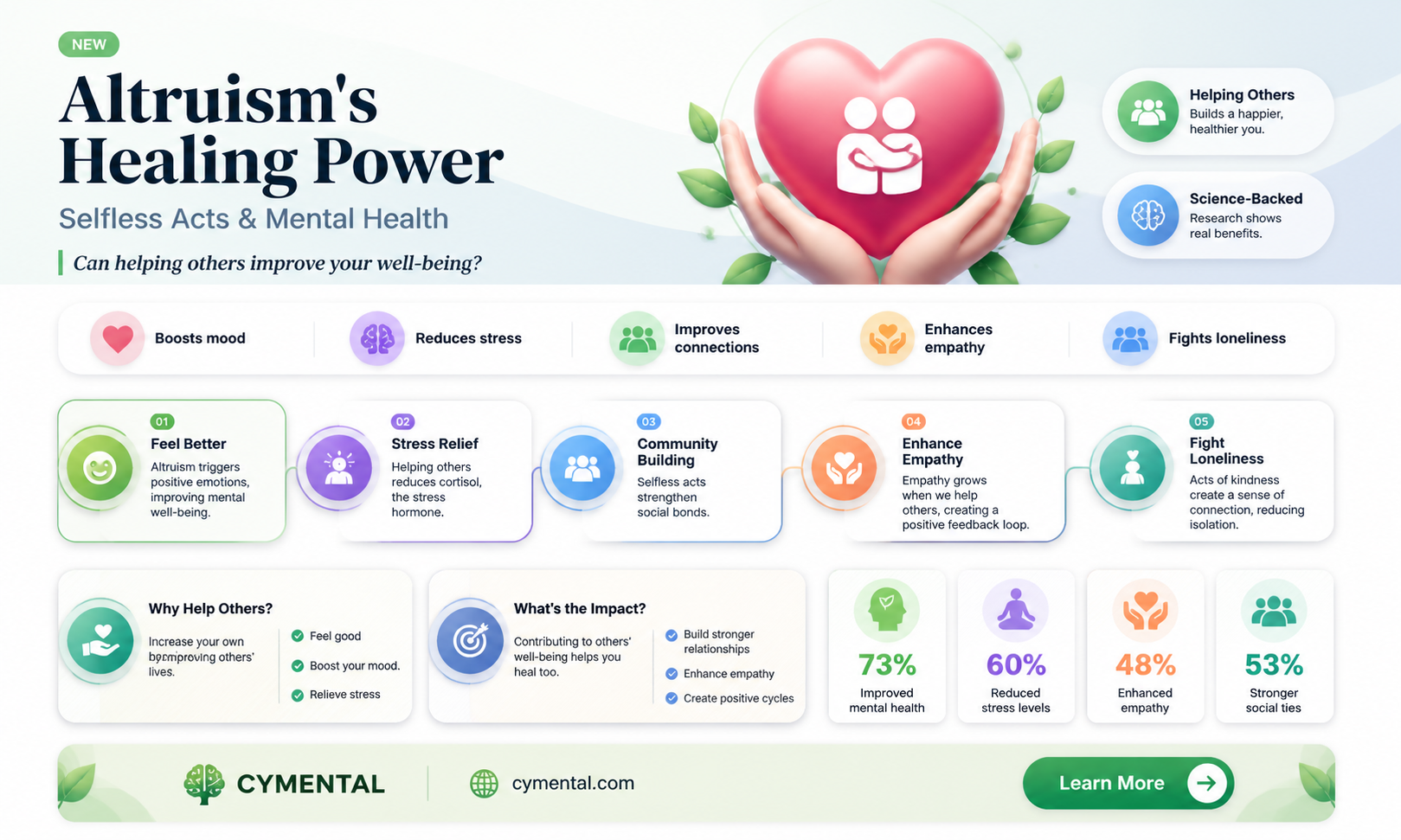
Altruism, the act of selflessly helping others, has long been celebrated as a virtue, but its potential impact on mental health is a topic of growing interest. Research suggests that engaging in altruistic behaviors can significantly benefit individuals struggling with mental illness by fostering a sense of purpose, reducing feelings of isolation, and boosting self-esteem. Acts of kindness release neurotransmitters like oxytocin and serotonin, which are associated with happiness and well-being, potentially alleviating symptoms of depression and anxiety. Moreover, altruism shifts focus away from personal struggles, providing a mental respite and promoting a more positive outlook. While it is not a standalone treatment, incorporating altruistic practices into therapeutic approaches may offer a complementary strategy for managing mental health challenges.
| Characteristics | Values |
|---|---|
| Reduced Symptoms of Depression | Studies show altruistic acts can decrease depressive symptoms by boosting mood, providing purpose, and fostering social connection. |
| Increased Oxytocin Levels | Altruistic behavior triggers the release of oxytocin, a hormone associated with bonding, trust, and reduced stress, which can positively impact mental well-being. |
| Enhanced Self-Esteem | Helping others can lead to a sense of accomplishment, increased self-worth, and a more positive self-image. |
| Reduced Anxiety | Focusing on others' needs can distract from personal worries and anxieties, promoting a sense of calm and perspective. |
| Increased Social Connection | Altruism fosters social bonds, combats loneliness, and builds a supportive network, all crucial for mental health. |
| Sense of Purpose and Meaning | Contributing to something larger than oneself can provide a sense of purpose and meaning, combating feelings of emptiness or hopelessness. |
| Improved Coping Mechanisms | Helping others can teach valuable skills like empathy, problem-solving, and resilience, which can be applied to personal challenges. |
| Neuroplasticity Changes | Research suggests altruistic acts may promote positive changes in brain regions associated with empathy, reward, and stress regulation. |
| Long-Term Benefits | Regular altruistic behavior may have lasting positive effects on mental health, potentially reducing the risk of future mental health issues. |
| Important Considerations | Altruism should complement, not replace, professional treatment for mental illness. Individual needs and preferences vary. |
Explore related products


What You'll Learn
- Altruism's impact on reducing depression symptoms through helping others and fostering social connections
- How volunteering promotes purpose, self-worth, and alleviates anxiety in individuals with mental health issues?
- Acts of kindness boosting serotonin and oxytocin, improving mood and reducing stress in mental illness
- Altruistic behaviors combating loneliness and isolation, key contributors to mental health deterioration
- Community service as a therapeutic tool for building resilience and coping with mental illness

Altruism's impact on reducing depression symptoms through helping others and fostering social connections
Engaging in altruistic acts, such as volunteering or helping others, has been shown to significantly reduce symptoms of depression by shifting focus away from personal struggles and fostering a sense of purpose. Research indicates that acts of kindness stimulate the release of neurotransmitters like oxytocin, dopamine, and serotonin, often referred to as the "helper’s high," which can alleviate depressive symptoms. For instance, a study published in the *Journal of Happiness Studies* found that participants who performed acts of kindness over six weeks reported lower levels of depression compared to a control group. This suggests that incorporating regular altruistic activities into one’s routine, even as little as one hour per week, can serve as a complementary strategy for managing depression.
To maximize the mental health benefits of altruism, it’s essential to choose activities that align with personal interests and values. For example, someone who enjoys animals might volunteer at a shelter, while another might prefer tutoring children or assisting at a community garden. The key is consistency; sporadic acts of kindness may provide temporary relief, but sustained engagement yields more profound and lasting effects. Caution should be taken, however, to avoid overcommitting, as burnout can negate the positive impacts. Start small—perhaps with one altruistic act per week—and gradually increase frequency as it becomes a natural part of your routine.
Comparatively, altruism’s impact on depression is often more effective when combined with social interaction, as it addresses both the emotional and relational aspects of the condition. Depression frequently isolates individuals, but helping others creates opportunities for meaningful connections. For example, group volunteering not only amplifies the sense of purpose but also reduces feelings of loneliness. A study in *Clinical Psychological Science* highlighted that socially-oriented altruistic activities, like community service, were more effective in reducing depressive symptoms than solitary acts of kindness. This underscores the importance of choosing activities that inherently involve social engagement.
Descriptively, the process of helping others fosters a sense of belonging and self-worth, which are critical in combating depression. When individuals see the tangible impact of their efforts—whether it’s a child’s improved grades or a neighbor’s gratitude—it reinforces their value and competence. This shift in perspective, from self-focused rumination to outward contribution, can break the cycle of negative thinking characteristic of depression. For older adults, in particular, altruism can counteract feelings of irrelevance, as evidenced by a study in *The Gerontologist*, which found that seniors who mentored youth reported higher life satisfaction and reduced depressive symptoms.
In conclusion, altruism serves as a powerful tool for reducing depression symptoms by promoting neurochemical balance, fostering social connections, and instilling a sense of purpose. Practical implementation involves selecting meaningful, socially-oriented activities, starting with small commitments, and gradually increasing involvement. While not a standalone treatment, altruism complements traditional therapies and medications, offering a holistic approach to mental health. By redirecting focus outward, individuals can find relief from depression’s grip and cultivate a more fulfilling life.
Supporting Through Crisis: Essential Steps to Aid Mental Health Emergencies
You may want to see also
Explore related products


How volunteering promotes purpose, self-worth, and alleviates anxiety in individuals with mental health issues
Volunteering offers a structured way to combat the isolating effects of mental illness by embedding individuals in a community with shared goals. Unlike passive activities, volunteering demands engagement, often in roles that require teamwork or direct interaction. For instance, a study published in the *Journal of Community Psychology* found that participants with depression who volunteered for at least 2 hours per week reported a 20% reduction in symptoms over 6 months. This is not merely about being busy; it’s about being part of something larger than oneself, which disrupts the cycle of rumination common in anxiety and depression.
Consider the act of teaching literacy skills to children or assisting at a food bank. These tasks provide immediate feedback—a child’s progress, a family’s gratitude—that reinforces a sense of competence. For individuals grappling with low self-worth, such tangible outcomes serve as evidence of their value, countering internalized narratives of inadequacy. A 2019 study in *Health Psychology* highlighted that volunteers with anxiety disorders experienced a 30% decrease in self-reported worthlessness after 3 months of consistent service. The key is consistency; aim for weekly commitments to build a routine that fosters a stable sense of identity and accomplishment.
Anxiety thrives in uncertainty, but volunteering introduces predictability and control. Knowing you’ll spend Saturday mornings at an animal shelter, for example, provides a fixed point in the week, reducing free-floating anxiety. Moreover, altruistic acts trigger the release of oxytocin, often called the “love hormone,” which has been shown to lower cortisol levels. A practical tip: choose roles that align with personal interests to maximize enjoyment and minimize stress. For instance, someone who loves gardening might find solace in community garden projects, where the act of nurturing plants mirrors the process of self-care.
Comparing volunteering to traditional therapy reveals its unique advantages. While therapy often focuses on introspection, volunteering shifts the focus outward, providing a break from self-analysis. It’s not a replacement but a complement, offering real-world practice in social skills and emotional regulation. For younger adults (ages 18–25), who are particularly vulnerable to anxiety and depression, volunteering can serve as a preventative measure, fostering resilience before issues escalate. A caution: avoid overcommitting. Start with 1–2 hours per week and gradually increase as comfort allows.
The takeaway is clear: volunteering is a powerful tool for mental health, but it’s not one-size-fits-all. Tailor the type and duration of service to individual needs and energy levels. For maximum benefit, combine it with professional treatment and self-care practices. By giving back, individuals with mental health issues can rediscover purpose, rebuild self-worth, and find a sanctuary from anxiety—one hour at a time.
Supporting Veterans: Strategies to Address Mental Health Challenges Effectively
You may want to see also
Explore related products


$13.95 $22.95


Acts of kindness boosting serotonin and oxytocin, improving mood and reducing stress in mental illness
Engaging in acts of kindness triggers the release of serotonin and oxytocin, neurochemicals that play a pivotal role in regulating mood and stress. Serotonin, often dubbed the “feel-good” hormone, contributes to feelings of happiness and well-being, while oxytocin fosters social bonding and reduces anxiety. For individuals grappling with mental illness, these biochemical shifts can provide a natural, accessible way to alleviate symptoms. Research shows that even small gestures, like helping a neighbor or volunteering, can initiate this process, offering a complementary approach to traditional therapies.
Consider the mechanics: when you perform an act of kindness, your brain’s reward system activates, increasing serotonin levels. Simultaneously, oxytocin surges, promoting a sense of connection and calm. For instance, a study published in the *Journal of Happiness Studies* found that participants who engaged in weekly altruistic acts reported significantly lower stress levels and improved mood compared to a control group. Practically, this means dedicating 15–30 minutes daily to kindness-based activities—such as sending a supportive message, sharing a meal, or offering a listening ear—can yield measurable benefits. Consistency is key; sporadic acts may provide temporary relief, but regular practice amplifies long-term effects.
Contrast this with the isolating nature of mental illness, where feelings of disconnection and hopelessness often dominate. Acts of kindness disrupt this cycle by shifting focus outward, fostering a sense of purpose and belonging. For younger adults (ages 18–30), who are particularly vulnerable to anxiety and depression, incorporating kindness into social interactions can be transformative. For older adults, mentoring or community involvement not only boosts their own mental health but also strengthens social networks, creating a reciprocal support system.
However, it’s crucial to approach this strategy mindfully. While kindness is inherently positive, overcommitting or neglecting self-care can backfire, leading to burnout. Start small, with acts that align with your energy levels and interests. For example, if physical health is a concern, opt for low-energy activities like writing letters or organizing donations. Pair kindness practices with professional treatment for a holistic approach, ensuring that biochemical benefits complement clinical interventions.
In essence, acts of kindness are a powerful, underutilized tool in managing mental illness. By intentionally fostering serotonin and oxytocin release, individuals can experience tangible improvements in mood and stress levels. The beauty lies in its simplicity and accessibility—no prescriptions or costly therapies required. Whether you’re 20 or 70, incorporating kindness into daily life offers a pathway to healing, one small gesture at a time.
First Responders' Mental Health: Personal Struggles and Support Solutions
You may want to see also
Explore related products


Altruistic behaviors combating loneliness and isolation, key contributors to mental health deterioration
Loneliness and social isolation are silent epidemics, significantly contributing to the deterioration of mental health. Studies show that chronic loneliness can increase the risk of depression, anxiety, and even cognitive decline. However, altruistic behaviors—acts of kindness and generosity toward others—offer a powerful antidote. By shifting focus from personal struggles to the needs of others, individuals can foster meaningful connections, rebuild social networks, and experience a sense of purpose. This section explores how altruism can directly combat loneliness and isolation, providing practical strategies for integration into daily life.
Consider volunteering as a structured form of altruism. Research indicates that individuals who volunteer regularly report lower levels of loneliness and higher life satisfaction. For example, a study published in the *Journal of Happiness Studies* found that volunteering just two hours per week can significantly reduce feelings of isolation, particularly among older adults. To maximize benefits, choose activities aligned with personal interests—whether tutoring children, assisting at a community garden, or supporting a local animal shelter. Consistency is key; aim for a regular schedule, such as weekly or bi-weekly commitments, to build routine and deepen social ties.
Another effective altruistic practice is engaging in random acts of kindness. These small, spontaneous gestures—like paying for someone’s coffee, leaving encouraging notes in public spaces, or offering to help a neighbor with groceries—create immediate opportunities for social interaction. A study from the *British Journal of Psychology* highlights that performing five acts of kindness in a single day can boost mood and reduce feelings of loneliness. For those struggling with isolation, starting with low-stakes interactions can build confidence and gradually expand social comfort zones. Keep a kindness journal to track actions and reflect on their impact, reinforcing the habit over time.
Technology also provides avenues for altruism, particularly for those with limited mobility or social anxiety. Online platforms like Crisis Text Line or virtual mentoring programs allow individuals to support others from the comfort of home. A 2020 study in *Computers in Human Behavior* found that digital altruism can reduce feelings of loneliness by fostering a sense of belonging to a larger community. However, balance is crucial; ensure virtual interactions complement, rather than replace, in-person connections. Pair online volunteering with offline activities, such as joining local meetups or community groups, to create a well-rounded social support system.
Finally, altruism’s impact on mental health extends beyond immediate social benefits. By fostering empathy and self-worth, it addresses the root causes of loneliness and isolation. A longitudinal study in *Health Psychology* revealed that individuals who consistently engage in altruistic behaviors exhibit lower levels of cortisol, the stress hormone, and higher levels of oxytocin, often referred to as the “love hormone.” To sustain these effects, incorporate altruism into daily routines—whether through formal volunteering, casual acts of kindness, or digital support. Start small, stay consistent, and watch as the act of giving transforms not only the lives of others but also your own mental well-being.
Empowering Change: Simple Ways You Can Make a Difference Today
You may want to see also
Explore related products

$2.99 $22.99


Community service as a therapeutic tool for building resilience and coping with mental illness
Engaging in community service can significantly enhance mental well-being by fostering a sense of purpose and connection, both of which are critical for resilience. Studies show that individuals who volunteer regularly report lower levels of depression and anxiety. For instance, a 2013 study published in the *Journal of Happiness Studies* found that volunteers experienced a 20% reduction in risk of mortality, partly attributed to improved mental health. This suggests that altruistic activities, such as community service, can serve as a protective factor against mental illness by redirecting focus outward, reducing self-preoccupation, and building a supportive social network.
To maximize therapeutic benefits, community service should be structured and consistent. Aim for 2–4 hours of volunteering per week, as this "dosage" has been shown to yield optimal mental health outcomes without overwhelming participants. For example, mentoring programs for at-risk youth or assisting at local food banks provide regular opportunities for engagement. Tailoring activities to individual interests is key; someone who enjoys nature might find solace in park clean-ups, while a creative person could thrive in arts-based community projects. Consistency is crucial, as sporadic involvement may not yield the same resilience-building effects.
A comparative analysis reveals that community service offers unique advantages over traditional therapy for some individuals. While therapy focuses on introspection and emotional processing, community service emphasizes action and external impact. This shift in perspective can be particularly beneficial for those struggling with rumination or feelings of helplessness. For instance, a person with generalized anxiety disorder might find that organizing a community event provides a tangible sense of accomplishment, counteracting their tendency to overthink. However, it’s important to note that community service should complement, not replace, professional treatment for severe mental health conditions.
Practical tips for integrating community service into a mental health routine include starting small to avoid burnout. Begin with low-commitment activities like one-time donation drives before progressing to more involved roles. For younger individuals (ages 18–25), group volunteering can enhance social skills and reduce isolation, a common trigger for mental illness in this age group. Older adults (ages 55+) may benefit from intergenerational programs, which combat loneliness and provide a sense of legacy. Regardless of age, tracking progress—such as hours volunteered or goals achieved—can reinforce a sense of purpose and resilience over time.
Naturopathic Approaches to Mental Health: Effective Support or Alternative?
You may want to see also
Frequently asked questions
Yes, engaging in altruistic behaviors, such as volunteering or helping others, can boost mental health by reducing stress, increasing happiness, and fostering a sense of purpose and connection.
Altruism can reduce depression symptoms by shifting focus away from personal struggles, releasing feel-good hormones like oxytocin and serotonin, and building social support networks.
Yes, altruistic acts can alleviate anxiety by promoting mindfulness, providing a sense of control, and creating positive social interactions that counteract feelings of isolation.
Yes, studies show that altruistic behaviors are associated with lower levels of depression, anxiety, and stress, as well as increased life satisfaction and overall mental well-being.
No, while altruism can complement mental health treatment by improving mood and resilience, it should not replace professional therapies, medications, or other evidence-based interventions.